

Introduction: A Race Against the Summer Recess
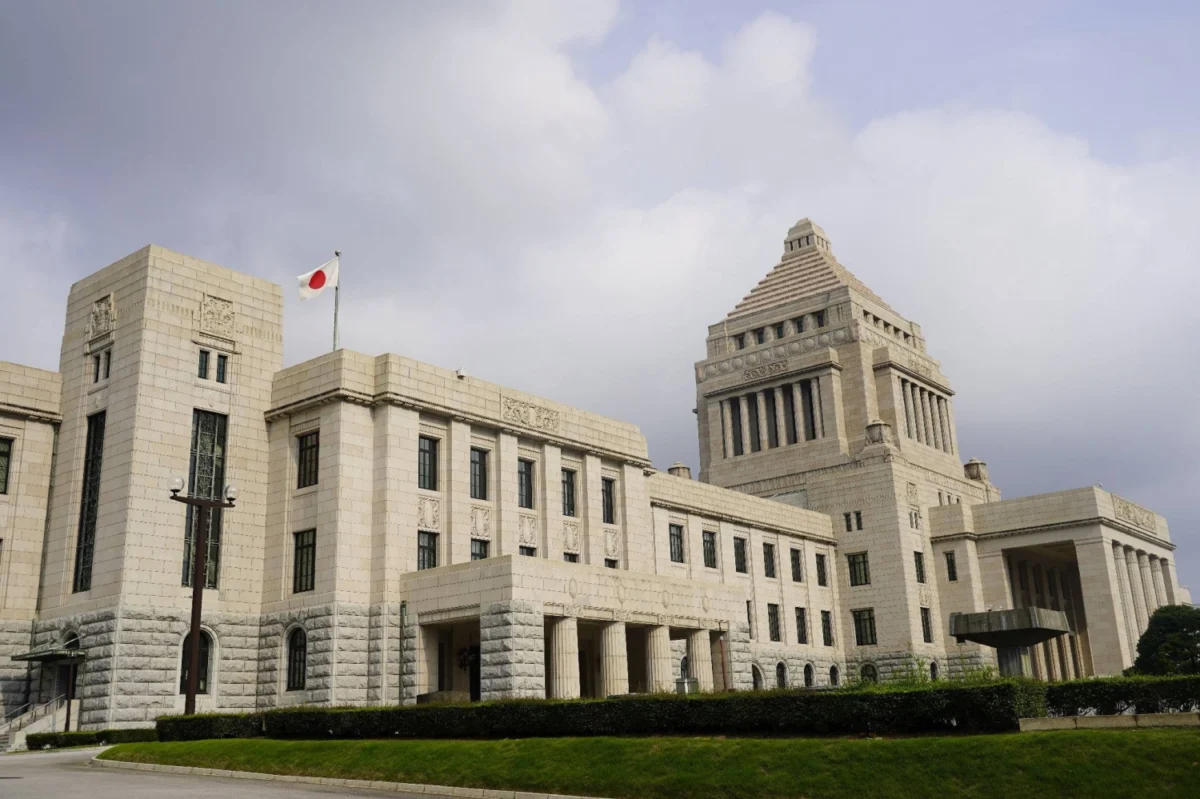
In an unexpected move that has sent ripples through the corridors of Nagatacho, the Japanese Diet has approved an eight-day extension to its current legislative session. The decision, reached on what was slated to be the final day of proceedings, underscores the high-stakes political maneuvering currently defining the coalition between the ruling Liberal Democratic Party (LDP) and the Japan Innovation Party (JIP)—also known as Nippon Ishin no Kai.
The extension, which now stretches the session through July 25, is ostensibly designed to facilitate further deliberation on a polarizing piece of legislation: a bill intended to formalize the concept of a "secondary capital" for Japan. For the JIP, this bill is the cornerstone of their coalition agreement with the LDP, signed last October. For the opposition, however, it represents a naked attempt to centralize power and economic favor in Osaka, the JIP’s primary political stronghold.
Chronology of the Legislative Deadlock
The current legislative drama began in earnest last autumn when the LDP, seeking to solidify its legislative control, entered into a formal coalition with the JIP. A non-negotiable term of that agreement was the advancement of the secondary capital initiative.
- October of the previous year: The LDP-JIP coalition is solidified, with the secondary capital bill framed as a legislative priority.
- Early Summer: The bill successfully clears the Lower House, bolstered by the LDP’s comfortable two-thirds supermajority.
- Late July (The Current Week): As the session approached its original expiration date, debate stalled in the Upper House. Recognizing that the bill faced a potential defeat or an indefinite freeze, the coalition leadership initiated an emergency motion for a session extension.
- July (Final Day): The motion for an eight-day extension was officially approved, granting the coalition until July 25 to bridge the gap.
Supporting Data and the Mathematical Struggle
The legislative mathematics behind this extension are precise and precarious. While the Lower House acted as a rubber stamp for the LDP, the Upper House—the "House of Refusal"—has proven to be a formidable obstacle.
Currently, the coalition (LDP, JIP, and the minor two-member party Team Mirai) sits at a deficit. Despite their combined influence, they remain exactly two votes shy of a simple majority in the Upper House. This mathematical reality has transformed the last week of the session into a high-pressure hunting ground for the coalition. Prime Minister Sanae Takaichi’s administration is now scrambling to peel away two independent lawmakers or entice a fracture within the opposition bloc to secure the passage of the bill before the July 25 deadline.
Official Responses and Political Rhetoric
The rhetoric surrounding the extension has been as intense as the vote counting. JIP leader and Osaka Governor Hirofumi Yoshimura, the primary architect of the secondary capital proposal, has been vocal about the necessity of the extension.
"I believe it is extremely important to have the bill passed during the current Diet session," Yoshimura stated during a press briefing on Friday. He characterized the extension as an "unavoidable" step, framing it as a matter of political integrity and fulfillment of the coalition’s foundational promise.
Conversely, the opposition has characterized the move as a desperate ploy. Major opposition parties have decried the extension as an abuse of the legislative calendar, arguing that the secondary capital concept is not a national priority but rather a regional project designed to bolster the Osaka municipality. Critics suggest that Yoshimura’s push for an Osaka municipal merger is inextricably linked to the capital bill, intended to create an economic and political powerhouse that would essentially force the central government’s hand in designating the secondary capital.
The Broader Legislative Landscape
While the secondary capital bill has captured the headlines, the Upper House was far from idle on Friday. The session saw the passage of several significant, albeit controversial, pieces of legislation that will have long-term implications for Japanese society and its legal framework.
The Imperial House Law Amendment
One of the most significant developments was the amendment to the Imperial House Law. This historic revision addresses the shrinking number of imperial family members. The new law provides two primary mechanisms:
- Reinstatement: It allows for the return of male descendants from the patriarchal line of 11 former branches of the imperial family, effectively expanding the pool of potential heirs.
- Status Retention: It permits female imperial family members to retain their royal status even after marriage to commoners. This is a profound shift from the post-war tradition that stripped women of their status upon marriage, a move intended to stabilize the future of the Chrysanthemum Throne.
Criminalization of Flag Desecration
In a move that aligns with a more nationalist legislative agenda, the Diet passed a bill criminalizing the desecration of the Japanese flag. While proponents argue that this measure is necessary to preserve national dignity and respect for state symbols, human rights advocates have raised concerns about the potential for this law to be used to stifle political dissent or symbolic protests.
Code of Criminal Procedure Revision
Furthermore, the Diet approved a revision to the Code of Criminal Procedure. This legislation introduces tighter restrictions on the ability of prosecutors to appeal court decisions that grant retrials. Legal scholars are currently split on the implications; while some view it as a necessary check on prosecutorial overreach in cases where new evidence suggests a potential miscarriage of justice, others worry that it may complicate the appeals process in complex criminal cases.
Implications: A Nation at a Crossroads
The decision to extend the Diet session reflects a broader trend in Japanese politics: the erosion of traditional consensus-based governance in favor of hard-nosed coalition bargaining. The secondary capital bill is more than just a matter of urban planning; it is a test of Prime Minister Takaichi’s ability to manage a fractious parliament.
If the coalition fails to secure those final two votes by July 25, the political fallout could be severe. A failure to pass a cornerstone agreement could strain the LDP-JIP coalition to the breaking point, potentially triggering a cabinet reshuffle or even a call for snap elections.
Furthermore, the regional implications of the secondary capital debate cannot be overstated. If Osaka is successful in its bid, it will represent a fundamental shift in Japan’s geographic and economic power structure, moving away from the "Tokyo-centric" model that has defined the nation for over a century. Local governments across Japan are watching closely, preparing their own bids should the bill pass and the "nationwide race" for the title officially begin.
Conclusion: The Final Countdown
As the Diet enters this eight-day extension, the atmosphere in Tokyo is one of palpable tension. Prime Minister Takaichi is tasked with a delicate balancing act: maintaining the momentum of her legislative agenda while managing the optics of a session that has been criticized for being held hostage to regional political ambitions.
Whether the secondary capital bill becomes law will serve as a bellwether for the remaining term of the Takaichi administration. For the citizens of Japan, the session’s conclusion on July 25 will signal not just the end of a legislative period, but potentially the beginning of a significant transformation in how the nation is governed and where its power resides. The coming days will see frantic backroom negotiations, intense lobbying, and a spotlight on the handful of independent lawmakers who now find themselves holding the balance of power in the Japanese parliament.











