

For two decades, the world of cosplay has undergone a radical transformation. What began as a subculture defined by paper-mâché, hot glue, and repurposed thrift store finds has matured into a sophisticated industry of engineering, 3D modeling, and precision fabrication. As professional creators—like the internationally renowned Kamui Cosplay duo—increasingly integrate laser cutters, 3D printers, and industrial-grade software into their workflows, a growing segment of the community is asking a pivotal question: Has the barrier to entry become too high? Is the art of transformation still an accessible hobby for the average enthusiast?
The Technological Shift: From Paper-Mâché to 3D Printing
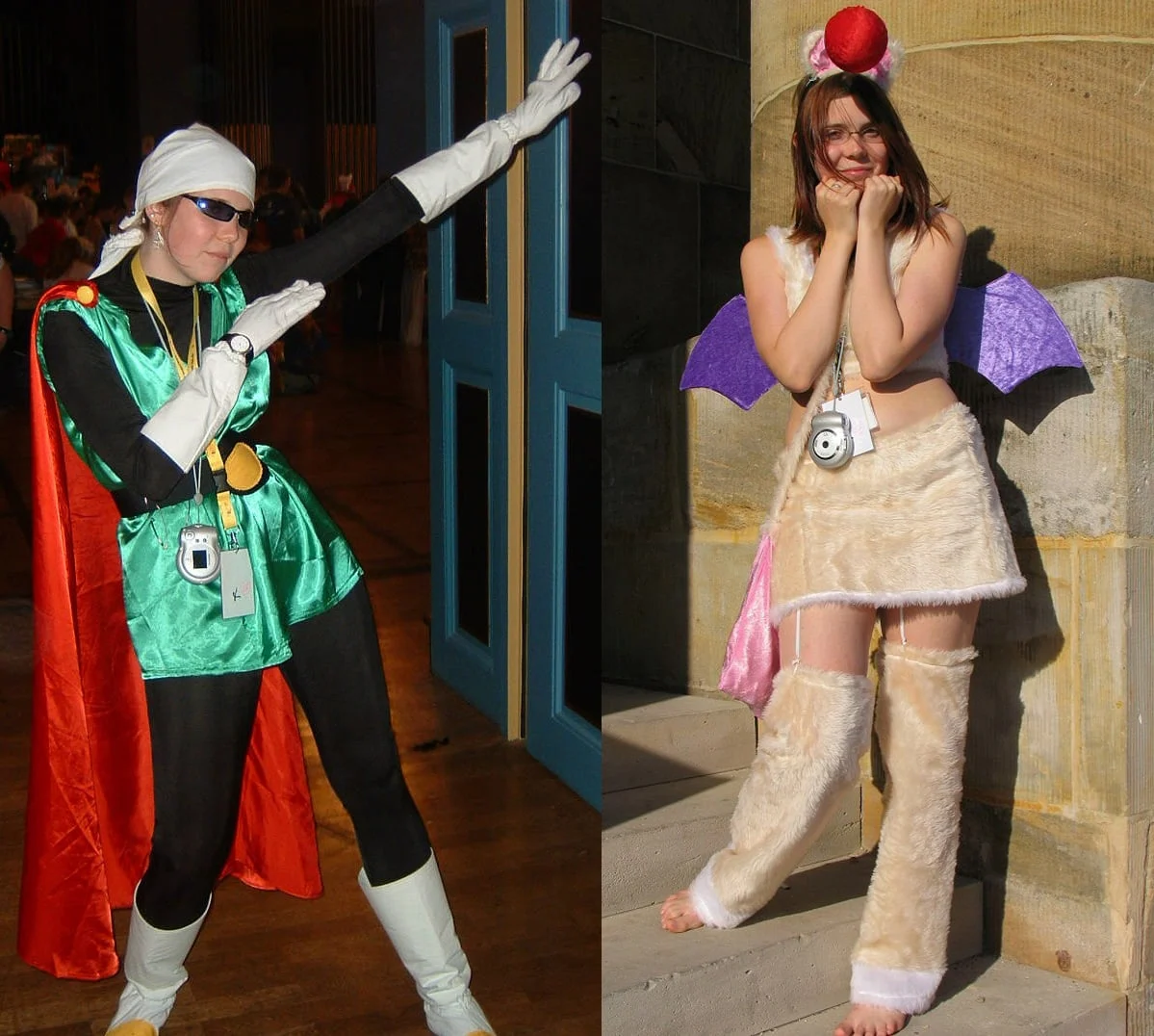
The trajectory of cosplay craftsmanship over the last twenty years serves as a case study in technological adoption. In the early 2000s, the "gold standard" for a cosplayer was basic utility: cardboard, expanding foam, and affordable satin. The creative process was inherently tactile, labor-intensive, and defined by the limitations of the materials.
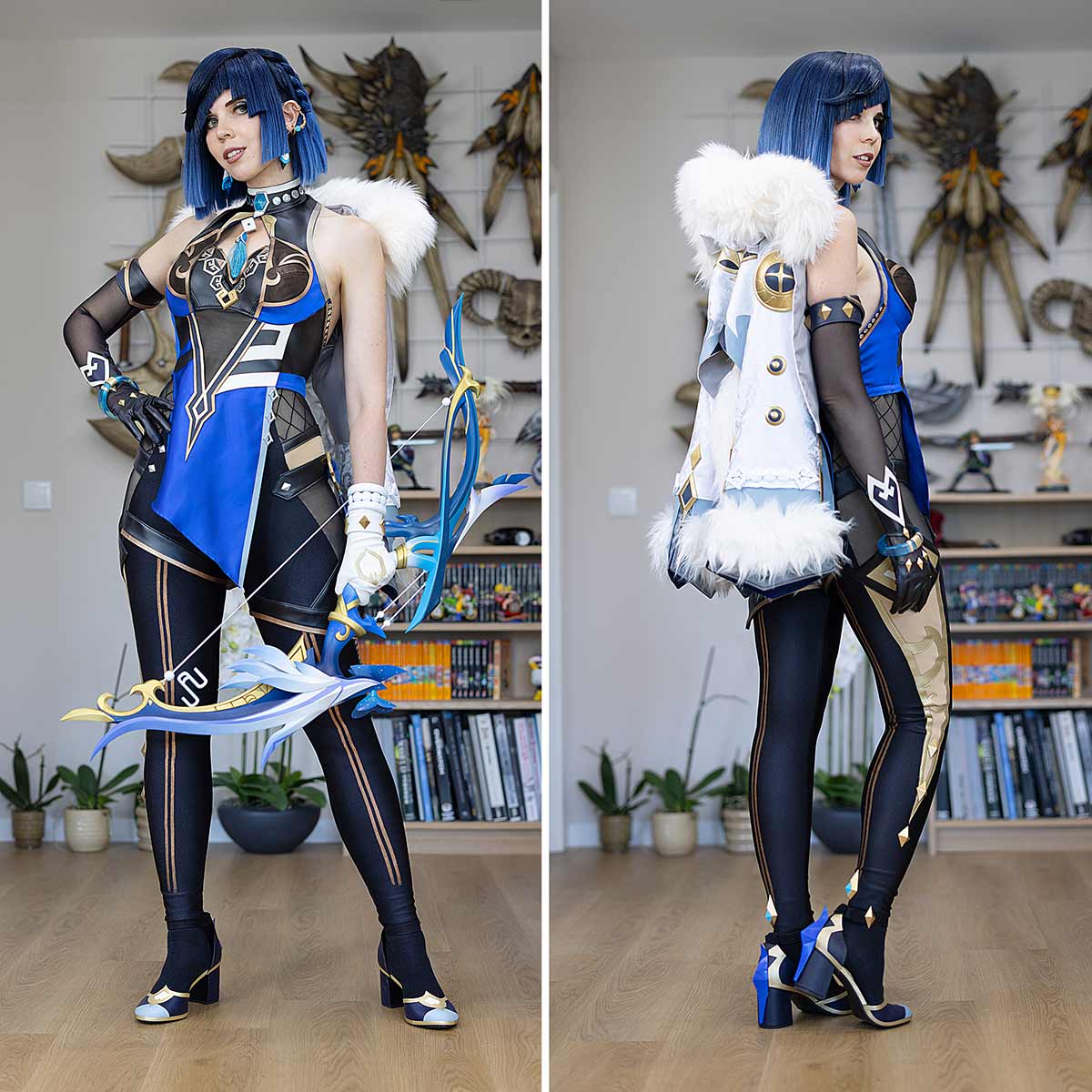
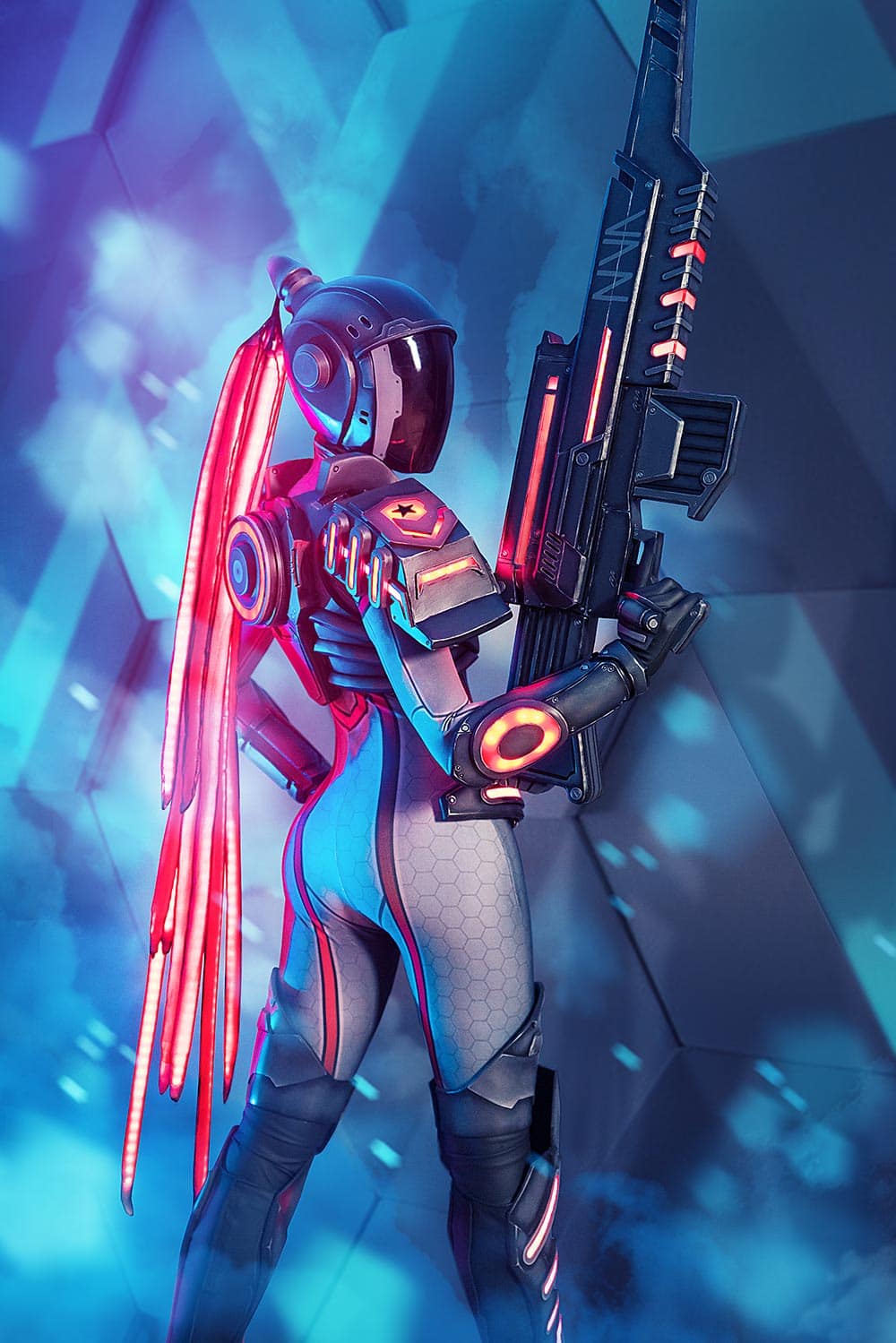
Today, the landscape is dominated by high-speed FDM (Fused Deposition Modeling) printers and advanced resin machines. For creators like Kamui Cosplay, this shift is not merely about vanity; it is a fundamental restructuring of the creative process. Projects that once required weeks of manual sculpting—such as the intricate, sharp-edged armor of Genshin Impact characters—can now be prototyped in digital environments like Blender and manufactured with surgical precision.

However, this transition introduces a new set of requirements. Modern professional cosplay is no longer just about sewing and painting; it is about mastering firmware, troubleshooting print layers, and understanding material physics. While these tools undoubtedly "speed up" the craft, they have effectively bifurcated the community into those who can afford the hardware and those who continue to rely on the traditional, manual methods.
A Chronological Perspective: Two Decades of Crafting
To understand the current tension, one must look at the evolution of the tools themselves.
- 2003–2008: The Analog Era. This period was defined by resourcefulness. Tools were basic: a box cutter, a heat gun, and a standard sewing machine. The focus was on "making it work" with whatever was available at local hardware stores.
- 2009–2014: The Material Revolution. The rise of thermoplastic materials like Wonderflex and later, Worbla, allowed for a shift toward more durable, moldable armor. This was the era where "professional" cosplay began to differentiate itself from casual costuming.
- 2015–Present: The Automation Age. The accessibility of consumer-grade 3D printers and laser cutters changed the game. Suddenly, complex geometry and perfect symmetry were attainable for those willing to invest in the learning curve.
Despite these advancements, the core philosophy remains unchanged. As veterans of the craft point out, the most sophisticated machine is useless without the human element. A 3D printer does not "create" a costume; it executes a command. The artistic intent, the patience to sand, prime, and paint, and the vision to assemble the parts remain the exclusive domain of the crafter.
The Financial Reality of Modern Cosplay
There is no escaping the fact that cosplay is a capital-intensive hobby. While basic fabric is relatively inexpensive, the "pro-level" aesthetic often requires premium textiles—some costing upwards of $100 per yard—and high-end electronics for lighting, animation, and motion.
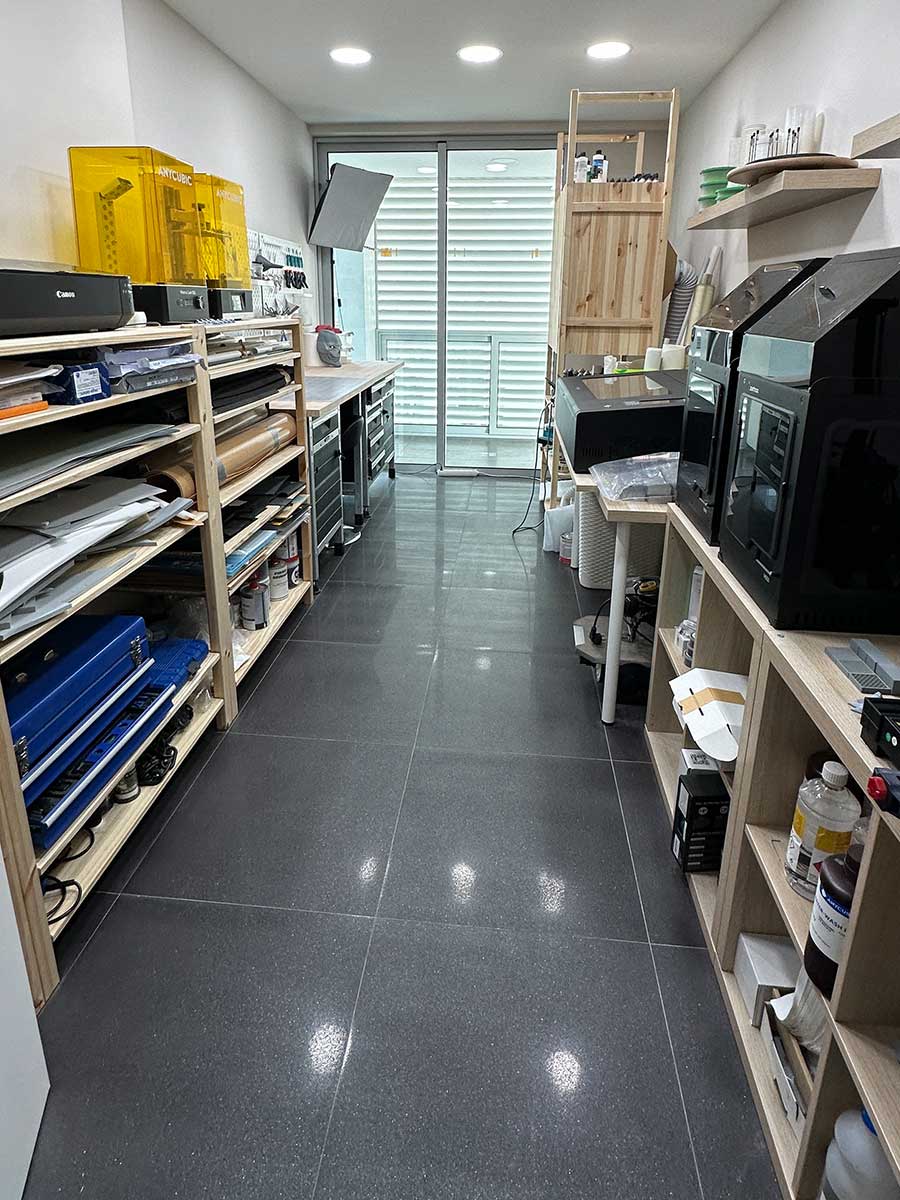
When you add the "hidden" costs of professional equipment—a quality 3D printer ($200–$500), a laser cutter ($1,000+), and software subscriptions—the entry fee appears daunting. Critics of the current trend argue that the hobby is becoming "pay-to-win," where those with the most expensive shop setups inevitably secure the spotlight.
Yet, this perspective ignores the democratization of these tools. A 3D printer today costs roughly the same as a mid-range sewing machine—a staple that has been accepted in the hobby for years. Furthermore, the rise of open-source software like Blender means that the most powerful design tools in the world are now available for free to anyone with an internet connection.
Expert Insight: Passion vs. Hardware
The consensus among seasoned professionals is that the "barrier to entry" is largely psychological. Professional creators frequently emphasize that talent is not a function of one’s hardware.
"A good chef doesn’t need a professional kitchen to make a delicious meal," notes the industry-leading creator Kamui. The argument is that the obsession with high-tech tools often serves as an excuse for inaction. The most impressive costumes often stem from necessity. For instance, in regions with lower economic thresholds, such as the vibrant cosplay scene in Cuba, creators produce world-class armor using nothing more than paint buckets and discarded materials. These artists demonstrate that when resources are limited, creativity thrives.
The most successful builders aren’t those with the most expensive laser cutters; they are those who have spent thousands of hours developing their "eye" for detail and their hands-on manual skills. The machine is an accelerator, not a replacement for talent.
The Rise of Ready-to-Wear Alternatives
One of the most significant changes in the last decade is the emergence of the "Ready-to-Wear" market. Companies like DokiDoki have made it possible for beginners to purchase high-quality costumes at a fraction of the cost of raw materials.
This development has actually increased the accessibility of the hobby. By lowering the initial hurdle—the need to sew a complex garment from scratch—more people can participate in conventions, take photos, and join the community. These individuals often use these store-bought items as a base, later customizing them with their own handmade props or accessories. This "hybrid" approach to cosplay is perhaps the healthiest evolution the community has seen, as it blends convenience with individual expression.
Implications for the Future of the Community
What does this mean for the future? The "arms race" of equipment will likely continue, but it will be balanced by a growing appreciation for the "handmade" aesthetic. We are seeing a distinct trend where creators are choosing to work with EVA foam even when they have access to 3D printers, simply because the tactile, organic process of foam sculpting offers a unique aesthetic and a faster turnaround for specific builds.
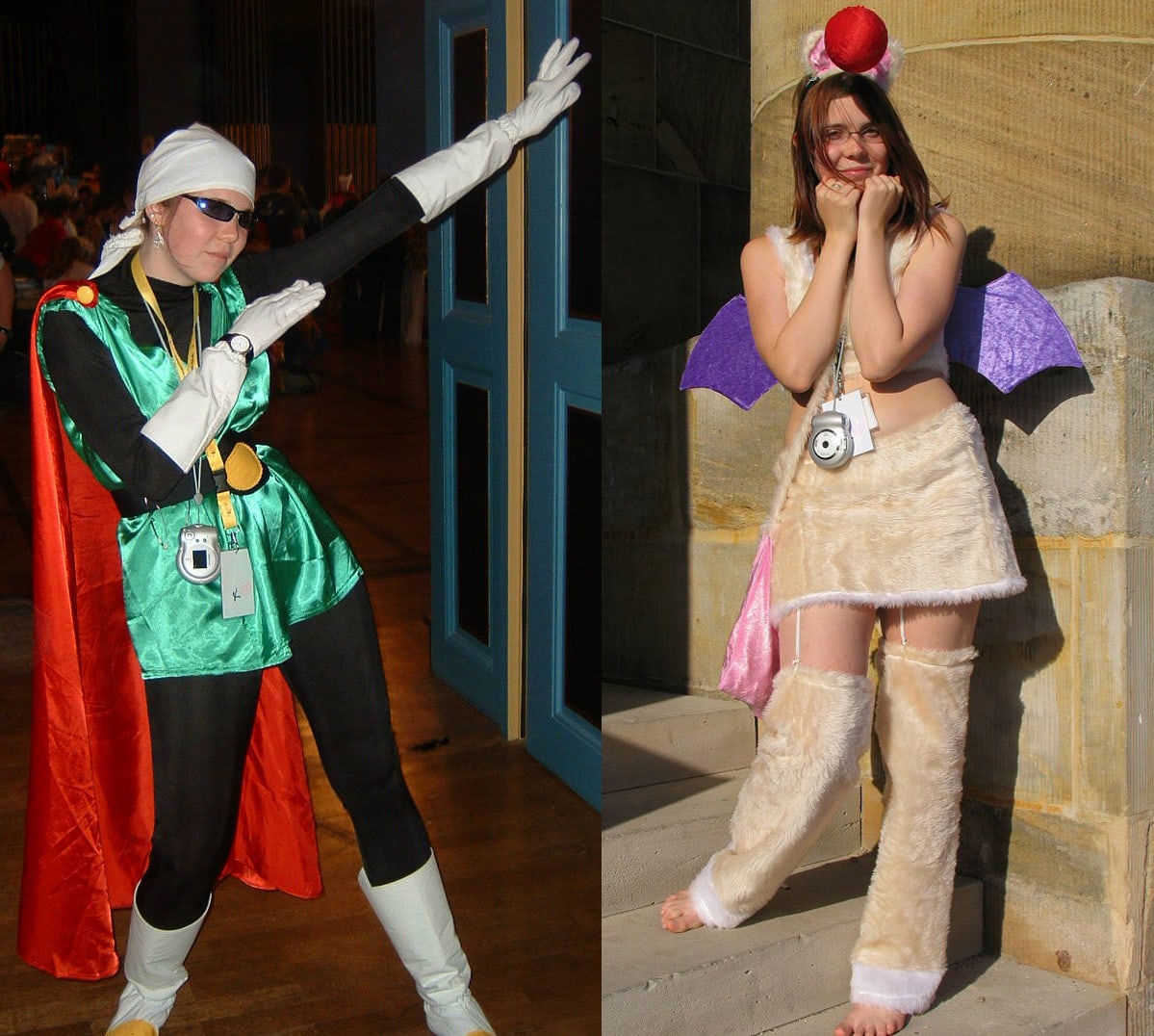
The implication for the newcomer is clear: Do not compare your Chapter One to someone else’s Chapter Twenty.
The influencers and professional creators who seem to have the "perfect" workshop are the result of two decades of incremental investment. They did not wake up one day with a laser cutter; they saved for years, upgraded their tools piece by piece, and, most importantly, spent years learning the fundamental skills that no machine can replicate.
Conclusion: The Hobby remains what you make of it
Is cosplay still an accessible hobby? The answer is an emphatic yes. In fact, it has never been more accessible. Never before have there been so many free tutorials, so many inexpensive, high-quality materials, and so many community-driven platforms to share progress and seek advice.
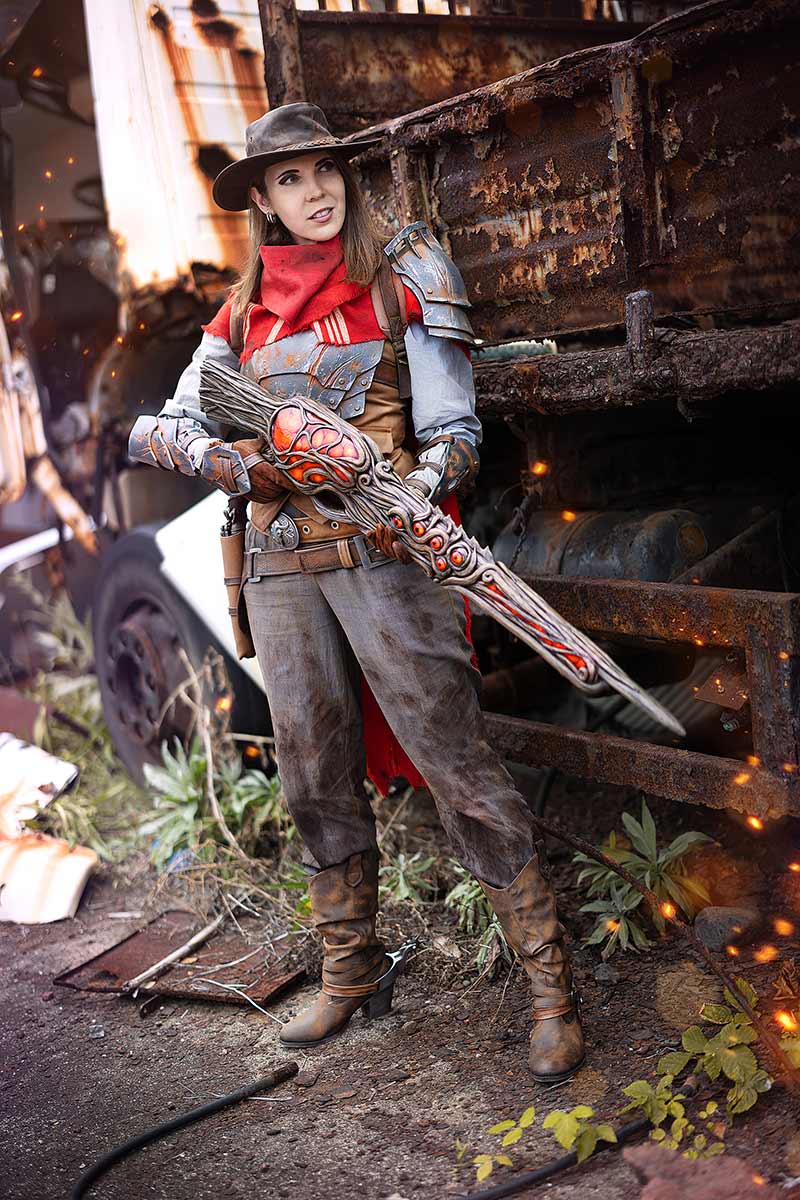
The "barrier" is not the price of a 3D printer; it is the daunting prospect of starting. The best way to engage with the hobby is to ignore the noise of high-end, professional workshops and focus on the joy of creation. Whether you are cutting foam scales by hand or designing complex files in Blender, the heart of cosplay remains the same: the love of the character, the excitement of the transformation, and the shared passion of the community. The tools may evolve, but the spirit of the maker is constant.










No comments yet. Be the first to join the conversation!