

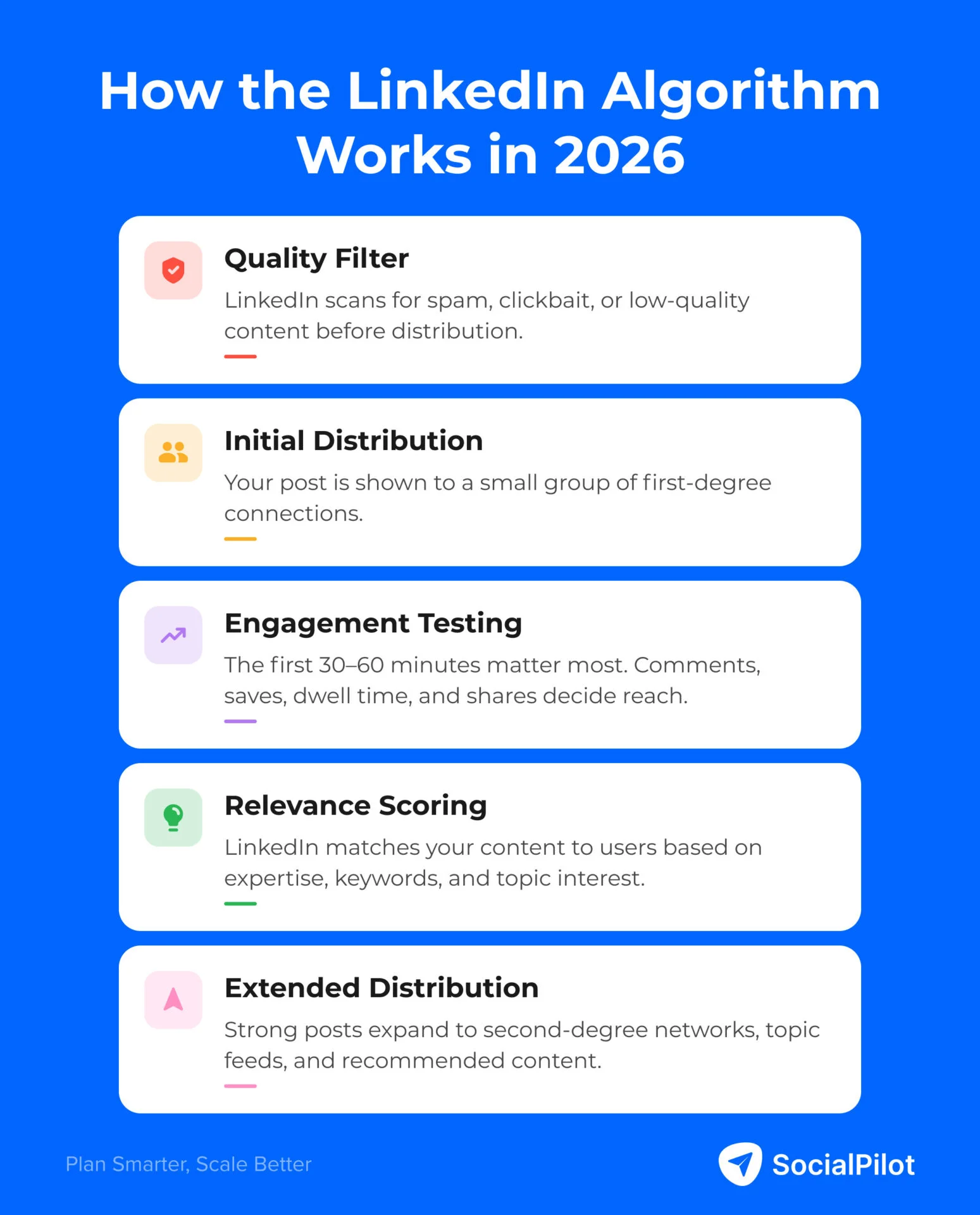
In the professional digital landscape, LinkedIn has long stood as the definitive hub for corporate networking, B2B lead generation, and thought leadership. With a staggering 1.3 billion registered members, the platform has transitioned from a simple digital Rolodex to a sophisticated, AI-driven content ecosystem. In 2026, the rules of engagement have fundamentally shifted. Gone are the days of "growth hacking" and engagement pods; the current iteration of the LinkedIn algorithm prioritizes semantic relevance, professional depth, and, above all, the genuine utility of content.
Understanding this evolution is no longer just a technical exercise for social media managers—it is a business imperative. Whether you are an individual professional looking to build authority or a brand trying to maintain visibility, navigating the "360Brew" era is the only way to ensure your content is seen by the right people.
The New Foundation: 360Brew and AI-Driven Ranking
The most significant technical overhaul in LinkedIn’s history arrived with the full-scale deployment of 360Brew. Officially announced in the LinkedIn Engineering Blog on March 12, 2026, this 150-billion-parameter AI model, built on the LLaMA 3 architecture, has replaced the platform’s legacy rule-based systems.
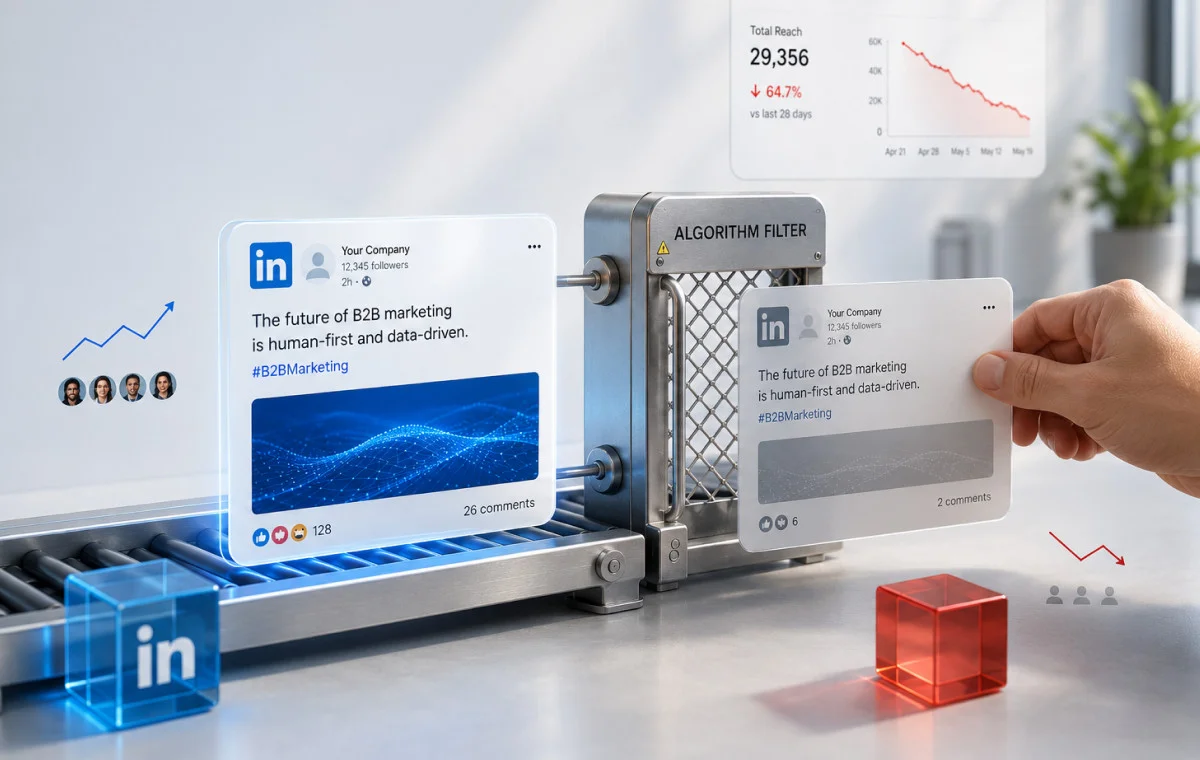
Unlike its predecessors, which relied on fragmented signals, 360Brew is a unified intelligence. It handles over 30 distinct predictive tasks simultaneously, from feed ranking and job recommendations to ad targeting and connection suggestions. Its core breakthrough is "semantic reasoning"—the ability to look beyond keywords and understand the professional context, intent, and value of a post.
What 360Brew Changes
The shift represents a move from "broadcast-to-follower" distribution to "precision-delivery." The algorithm no longer cares about how many followers you have; it cares about how relevant your specific post is to a user’s current professional needs. If your content provides a solution to a problem a user is currently researching, 360Brew will surface it, even if the user does not follow you.
Chronology: The Path to the 2026 Update
- Summer 2024: LinkedIn initiates the gradual rollout of AI-driven semantic ranking, beginning with a subset of global users.
- January 2025: LinkedIn publishes the foundational research paper on 360Brew, signaling a shift toward LLaMA-based architecture.
- Early 2025: The "Algorithm Insights Report" by Richard van der Blom highlights a massive drop in organic reach, confirming that the old "volume-based" metrics were being deprioritized.
- Fall 2025: 360Brew reaches 100% saturation across all platform surfaces.
- January 2026: LinkedIn officially classifies engagement pods as a violation of Terms of Service, deploying detection systems with 97% accuracy.
- March 2026: Official announcement of the 360Brew deployment, marking the end of the "hack-friendly" era.
Supporting Data: Why Your Old Metrics Are Obsolete
The 2025–2026 data confirms a brutal truth: the era of vanity metrics is over. According to comprehensive industry analyses, the "Depth Score" has officially replaced the traditional engagement rate as the primary driver of reach.
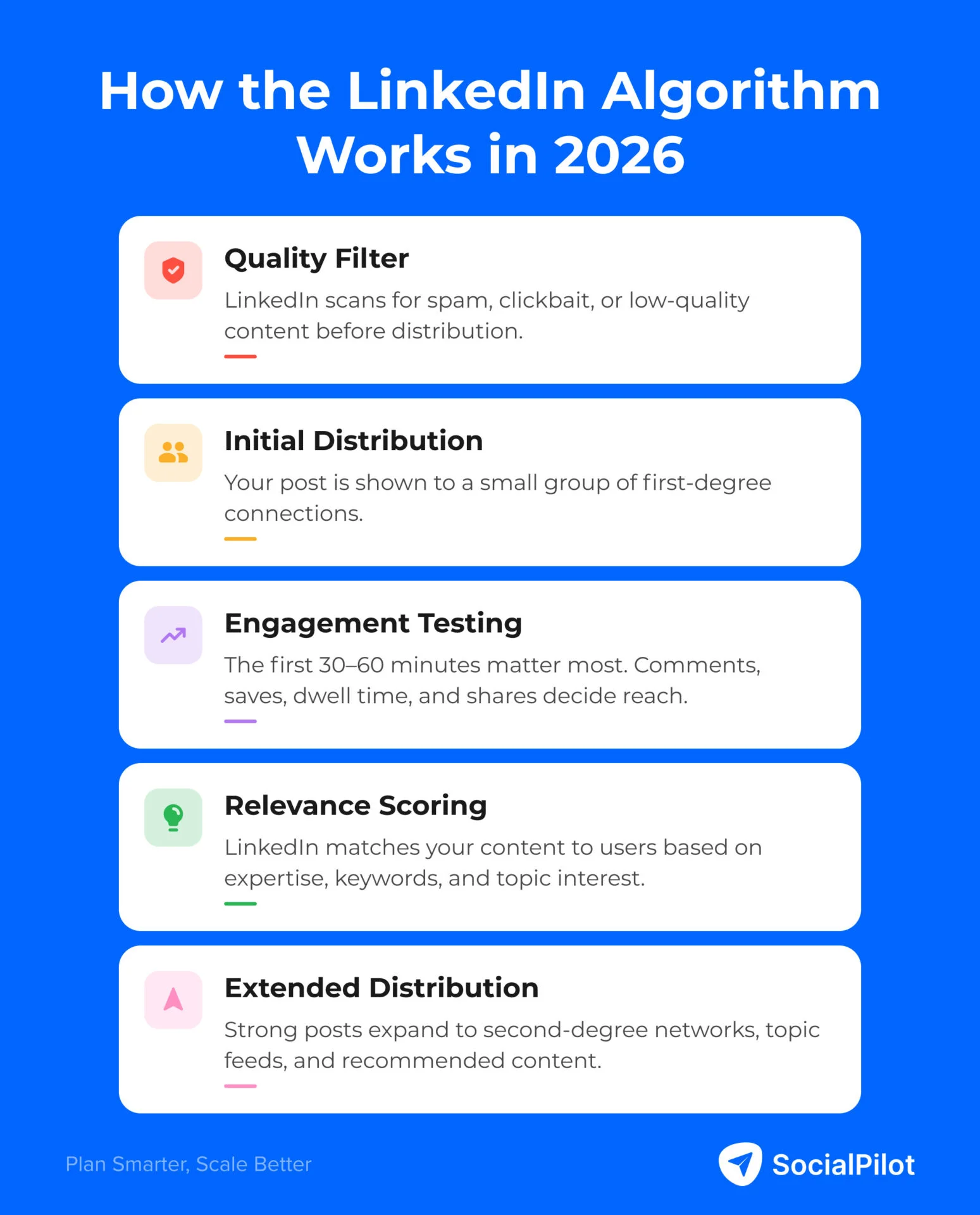
The Hierarchy of Engagement
The algorithmic weighting of interactions has been re-indexed to favor long-term value over instantaneous reactions:
- Comments: High-quality, substantive replies to your post.
- Saves: Carry 5x the weight of a "Like."
- Shares with Commentary: Indicate genuine advocacy.
- Reposts: Moderate signal.
- Reactions/Likes: The lowest-weighted metric, serving only as a "pulse check."
Dwell Time remains king. Analysis shows that posts earning over 61 seconds of average dwell time achieve engagement rates of 15.6%, compared to a dismal 1.2% for content skimmed in under three seconds. This is why high-value, long-form insights and document carousels now dominate the feed.
Implications for Professionals and Brands
The Decline of Company Pages
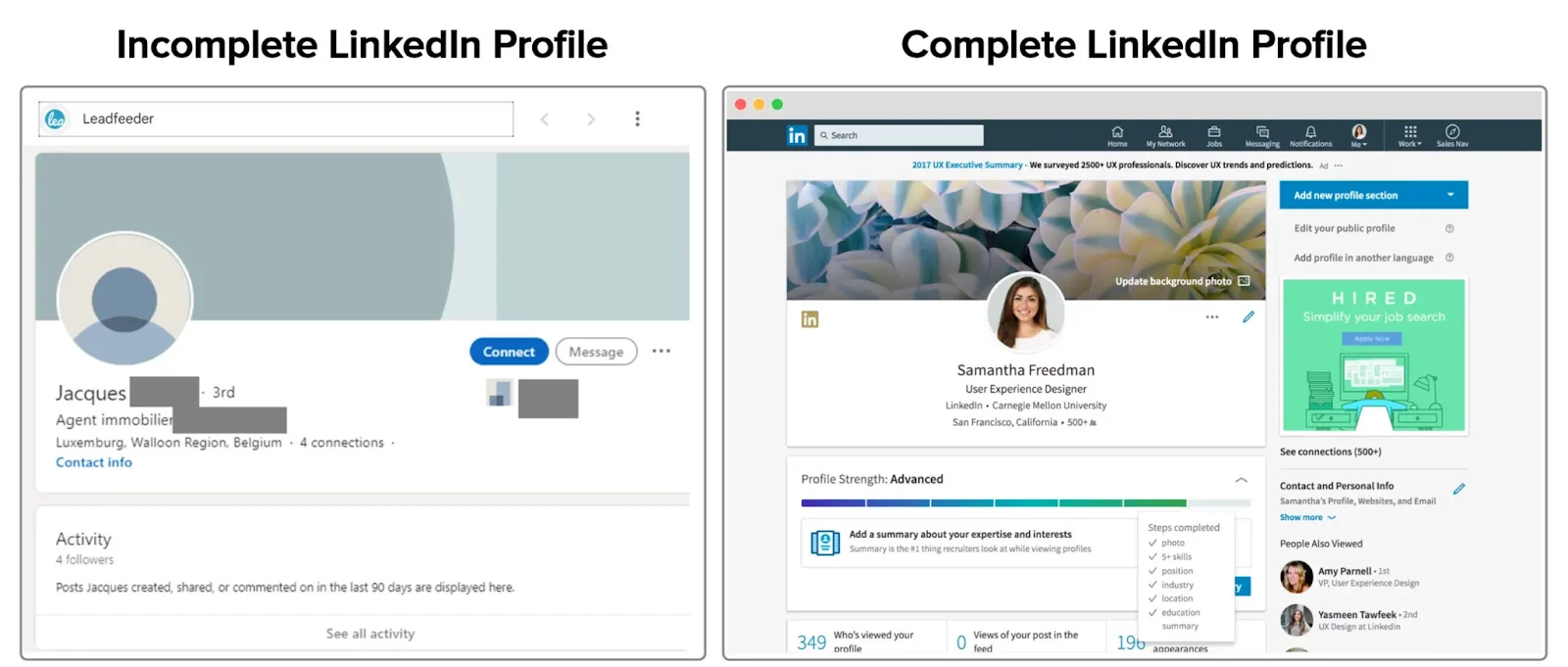
Organic reach for Company Pages has collapsed, dropping approximately 60–66% between 2024 and 2026. The algorithm favors human-centric content. Currently, personal profiles receive 65% of feed distribution, while company pages account for a mere 5%. For B2B brands, the implication is clear: stop relying on the corporate logo to broadcast news. Instead, adopt an Employee Advocacy model, where employees share original, industry-specific perspectives from their own accounts.
The War on "Low-Effort" AI
360Brew is specifically tuned to detect and deprioritize "generic" AI-generated content. If your post follows a predictable template or lacks a unique, human-led professional insight, it will receive roughly 30% less reach. The algorithm isn’t anti-AI; it is anti-inauthenticity. Using an AI to organize your thoughts is acceptable, but if you aren’t adding a "human layer"—a specific anecdote, a controversial opinion, or a real-world lesson—the system will suppress it.
The Death of Engagement Pods
The days of coordinated "like-for-like" groups are over. With AI detection systems capable of identifying inauthentic velocity, timing, and semantic patterns, the risks of using pods have become catastrophic. Users caught in these schemes face progressive penalties: from reach restriction and shadow-banning to permanent account suspension.
Strategic Adaptations: How to Succeed in 2026
If you want to maintain or grow your reach, you must pivot your strategy to align with the current algorithmic priorities.
1. Master the "Depth" Game
Do not ask for "likes." Ask for opinions. End your posts with open-ended, complex questions that require the reader to reflect. The top 1% of creators on the platform reply to comments 741% more often than the average user. Your goal is to foster a thread of discussion that continues long after the initial posting.
2. Prioritize "Document" Content
PDF carousels (8–12 slides) are currently the highest-performing content format on LinkedIn, boasting a 6.60% average engagement rate. They are the perfect vehicle for "dwell time," as they force the user to swipe, read, and linger.
3. Abandon the "Link in Bio" Fallacy
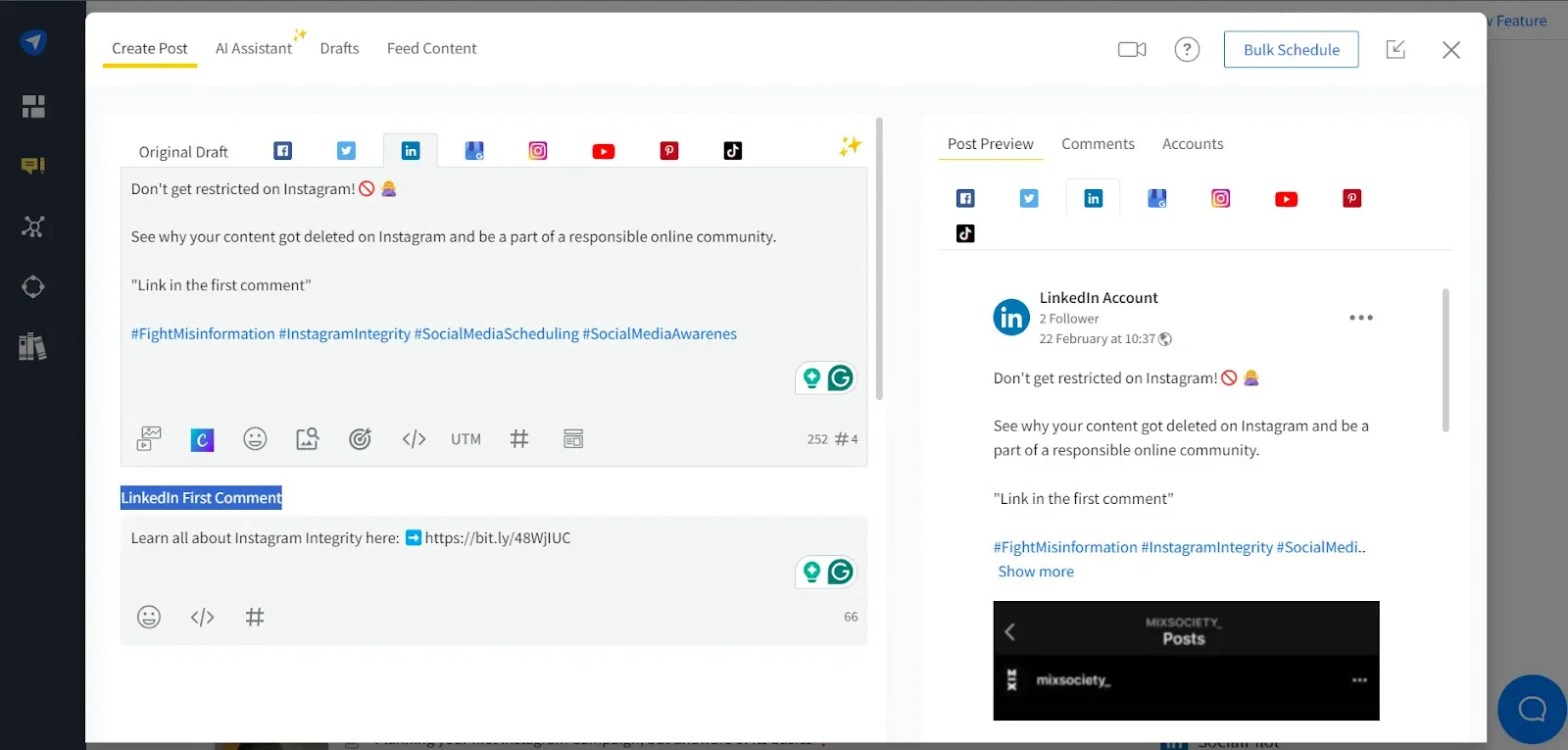
External links now suppress reach by 60%. Even placing the link in the first comment—once a popular workaround—is now detected and penalized by 360Brew. If you must share a link, provide the value in the post. Use the link only as a reference or direct users to your profile to find the resource, keeping the initial post purely on-platform.
4. Topical Consistency
The algorithm builds a "reputation score" for your profile based on your posting history. If you pivot randomly between subjects, you confuse the AI. Choose three core pillars of expertise and stick to them. This allows 360Brew to categorize your profile correctly, ensuring your content is shown to the users who are most likely to find it useful.
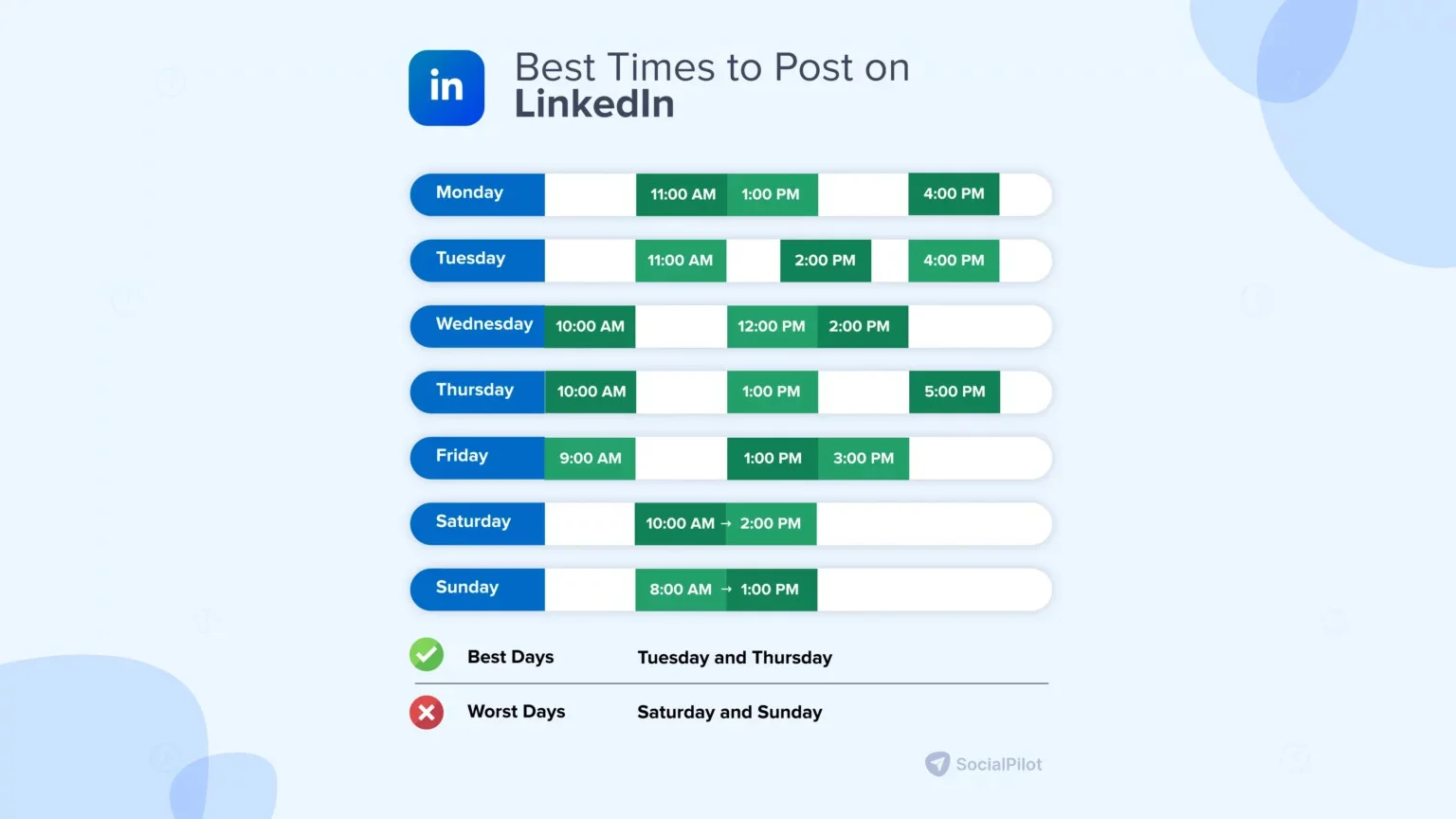
5. Timing and Cadence
Quality beats frequency. Posting 2–4 times per week is the "sweet spot" for personal brands. Always allow the "testing window" (the first 60 minutes after posting) to complete. If you post too frequently, you cannibalize your own reach, as the algorithm will struggle to determine which piece of content to prioritize.
Conclusion: The Era of Intentionality
The 2026 LinkedIn algorithm is a reflection of the platform’s maturity. It has moved away from the chaotic, high-volume environment of the early 2020s toward a more curated, professional experience. For the user, this means the pressure to "go viral" has been replaced by the pressure to "be relevant."
Success on LinkedIn in 2026 is a byproduct of professional intentionality. By focusing on high-dwell-time content, fostering substantive conversations in the comment section, and maintaining a consistent, expert-led voice, you are no longer fighting the algorithm—you are working in tandem with it. In this new landscape, those who provide genuine value will find themselves rewarded with a reach that is not just wider, but significantly more impactful.












No comments yet. Be the first to join the conversation!