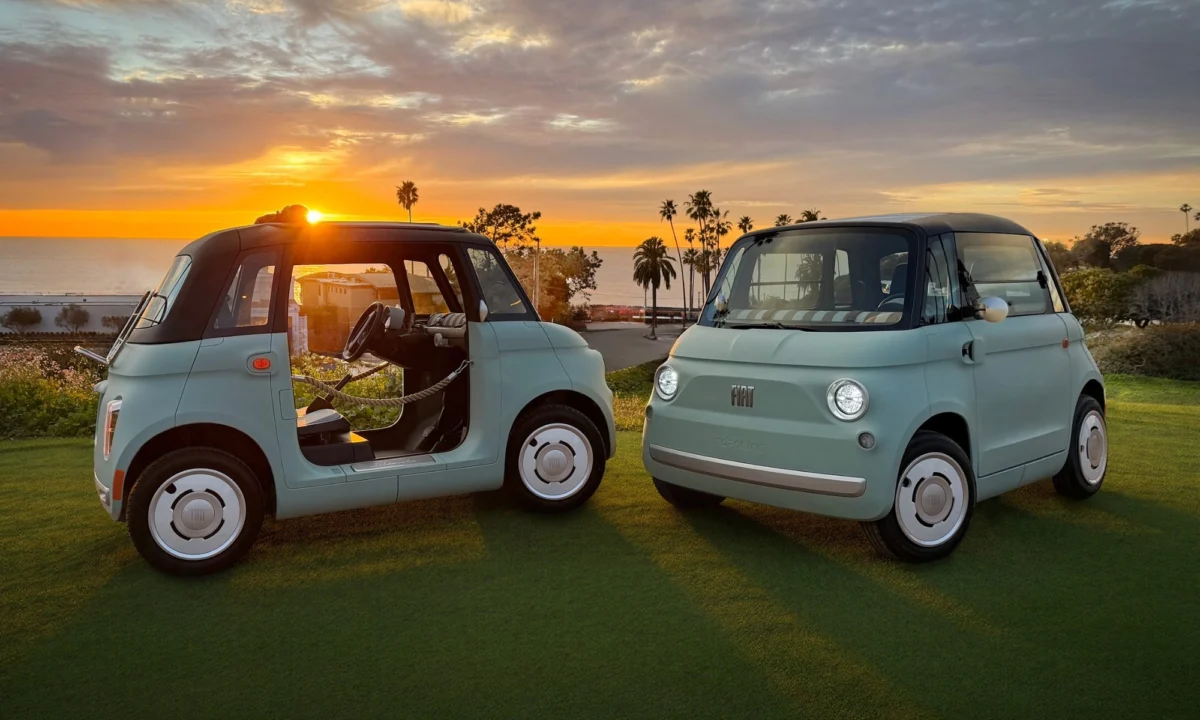
On July 7, 2026, the automotive landscape witnessed the arrival of a vehicle that defies conventional classification. Stellantis officially launched the Fiat Topolino in the United States, a pint-sized, fully electric carriage that promises to bring a slice of the dolce vita to American driveways. With a starting price of $13,995—excluding destination fees—the Topolino is undeniably one of the most aesthetically charming electric vehicles (EVs) to ever cross the Atlantic. However, beneath its retro-Italian exterior lies a set of limitations that may cause prospective buyers to pause before reaching for their checkbooks.
The Main Facts: What is the Topolino?
To understand the Topolino, one must first strip away the expectations of a traditional automobile. In the eyes of the law, the Topolino is not a car; it is a Low-Speed Vehicle (LSV). Roughly the size of a standard golf cart, the Topolino is designed for short-distance, low-traffic environments.
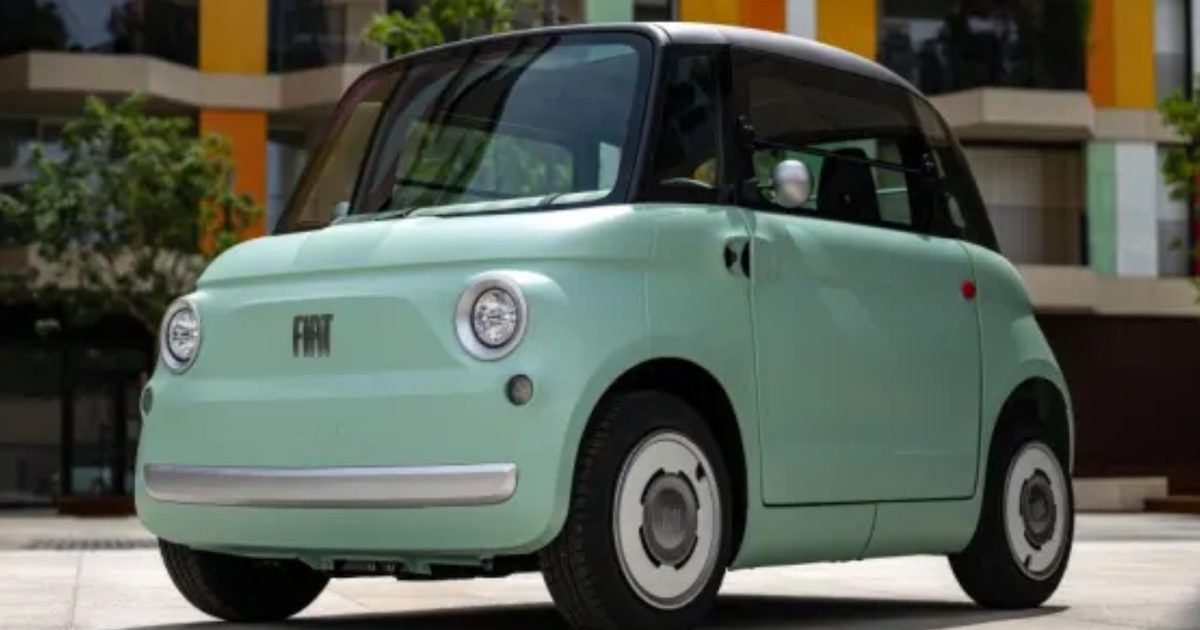
Underneath its rounded, pastel-hued body panels sits a modest 5.4 kWh battery pack. This power source drives the vehicle to a maximum speed of 19 mph in its base configuration. It is a vehicle designed for the "last mile" or the "leisure mile"—the trip to the local cafe, the jaunt to the community swimming pool, or the quiet crawl through a gated resort neighborhood. Charging is a straightforward affair, with a full cycle taking approximately five hours, making it compatible with the standard electrical outlets found in any domestic garage.
A Chronology of the Arrival
The journey of the Topolino from a European curiosity to an American market entry has been a calculated, albeit cautious, rollout by Stellantis.
- Initial European Success: The Topolino was first introduced in Europe as a spiritual successor to the original Fiat 500 (affectionately nicknamed "Topolino," meaning "little mouse"). Its success in dense, narrow-street European cities like Rome and Paris proved there was a market for micro-mobility solutions.
- The US Market Pivot: Throughout 2025, industry analysts watched closely as Stellantis evaluated the potential for a US-based micro-EV. The decision to bring the vehicle stateside was finalized in early 2026, targeting the unique American demographic of "resort-style" living and high-end retirement communities.
- The July 2026 Launch: The official US market launch occurred on July 7, 2026. This date served as the starting gun for pre-orders, with the company emphasizing its "lifestyle" appeal over its technical specifications.
- The Future Roadmap: Stellantis has acknowledged the public road limitations of the base model. By the end of the summer of 2026, the company plans to introduce an "LSV Conversion Kit." This package will unlock a slightly higher top speed of 25 mph, allowing the vehicle to legally traverse public roads with posted speed limits of 35 mph or lower.
Supporting Data: Technical Specifications and Realities
For those considering a purchase, the technical specifications paint a clear picture of what the Topolino is—and, more importantly, what it is not.
- Weight: At just 1,073 pounds, the Topolino is incredibly lightweight, contributing to its high efficiency for short-range travel.
- Range: The vehicle offers a maximum range of 46 miles on a single charge. While this is sufficient for neighborhood commuting, it renders the vehicle useless for anything resembling a standard American highway commute.
- Performance Constraints: The 19 mph top speed is a hard limit for the base version. Even with the forthcoming 25 mph upgrade, the Topolino is inherently ill-suited for heavy traffic, high-speed arterial roads, or any environment where modern traffic flow exceeds 35 mph.
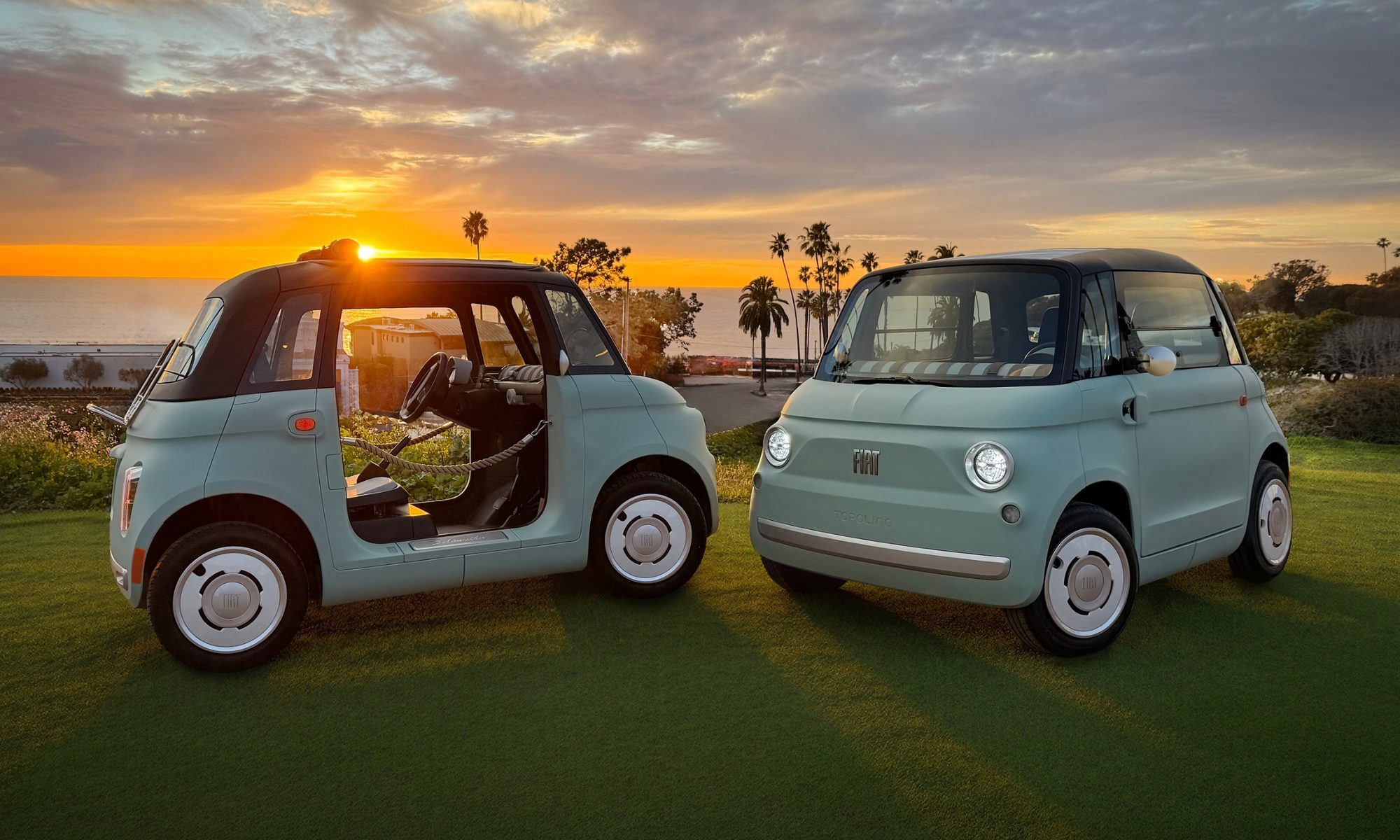
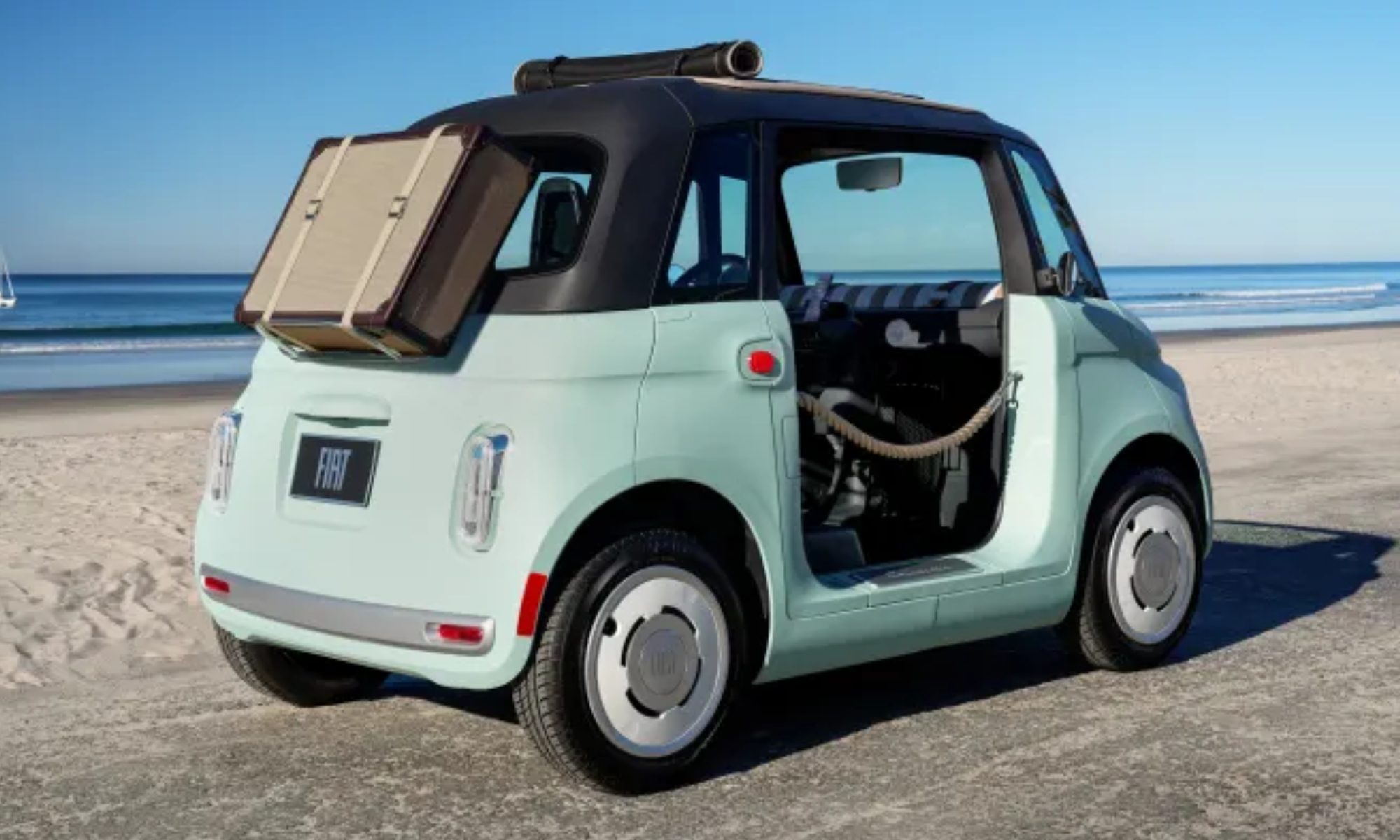
- Design Variants: Consumers have two primary choices: the standard hardtop, which features a panoramic sunroof for an airy, open feeling; and the "Dolcevita," which trades the fixed roof for a roll-back soft top, leaning heavily into the classic Italian beach-car aesthetic.
Official Responses and Strategic Positioning
Stellantis has positioned the Topolino not as a replacement for the family sedan, but as a supplementary lifestyle accessory. In official press releases, the company has emphasized "Italian flair" and "sustainable urban mobility."
Company spokespeople have been careful to avoid positioning the Topolino as a primary vehicle for the average American family. Instead, the marketing strategy focuses on three key segments:
- Private Property Owners: Individuals with large estates, ranches, or extensive acreage.
- Resort and Community Developers: Managers of gated communities and retirement villages who want to provide residents with a premium, stylish, and environmentally friendly alternative to traditional gas-powered golf carts.
- The Design-Conscious Buyer: The demographic that values the heritage and aesthetic of the Fiat brand and is willing to pay a premium for a vehicle that functions more like a fashion statement than a utility tool.
Implications: The Price of Aesthetics
The most significant point of contention regarding the Topolino is its $13,995 price point. When viewed through the lens of pure utility, the market is crowded with alternatives from established LSV manufacturers such as Polaris, Club Car, and GEM. These companies have been perfecting the art of the neighborhood electric vehicle for decades, offering greater cargo capacity, better suspension, and often higher speeds at a more competitive price point.
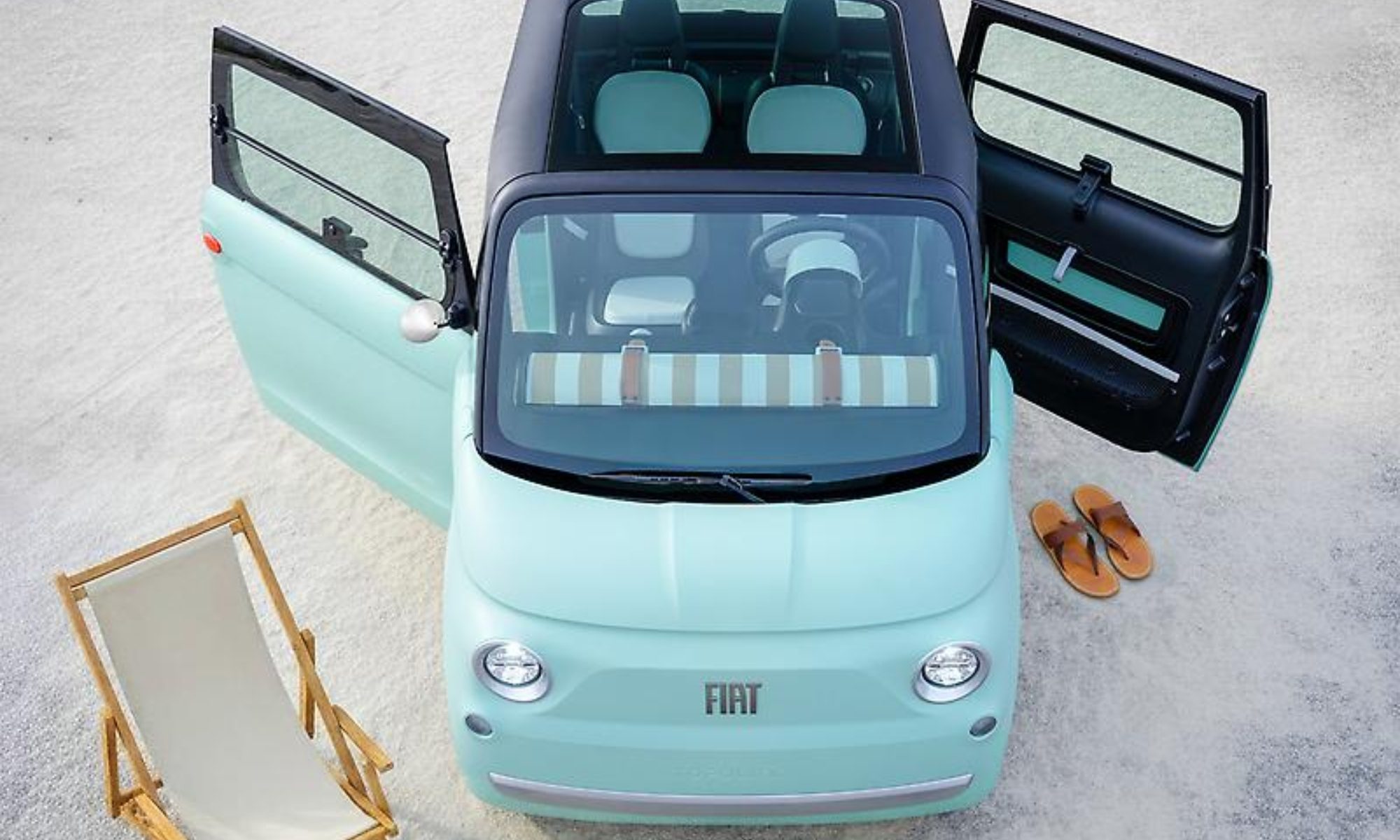
However, the "Fiat" badge carries a weight that these utility-focused brands cannot replicate. The implication here is that the Topolino represents the "premiumization" of the golf cart market.
The Regulatory Hurdle
Potential buyers must be aware of the "LSV" classification. The designation comes with strict legal boundaries. In most jurisdictions, an LSV must be equipped with specific safety features—including seat belts, turn signals, mirrors, and reflectors—to be street-legal. Even with these, the restriction to 35 mph zones is a significant barrier to entry for many suburbanites who live just a few miles from the nearest main road.

A New Class of Vehicle?
The launch of the Topolino reflects a broader trend in the automotive industry: the fragmentation of personal transport. As cities become more congested and fuel prices remain volatile, the "micro-EV" sector is expanding. Whether this will lead to a change in urban planning to accommodate such vehicles, or if the Topolino will remain a niche product for the affluent, remains to be seen.
The Verdict
The Fiat Topolino is a fascinating study in contrast. It is technologically simple, yet culturally rich. It is legally restricted, yet arguably the most "fun" way to travel to the end of a driveway.
For the average consumer, $13,995 for a vehicle that cannot exceed 25 mph might seem like a steep price to pay. But for the buyer who lives in a coastal town, a gated community, or a large private estate, the value proposition isn’t found in the battery capacity or the top speed. It is found in the way the car makes the driver feel. It is a piece of Italian industrial design that prioritizes the "journey" over the "arrival."
As we move toward a future where electric mobility is the norm, the Topolino serves as a reminder that transportation does not always have to be about raw power or long-range efficiency. Sometimes, the most important metric is the smile a vehicle puts on the face of the driver. Whether that smile is worth $14,000 will be decided by the consumers in the gated communities and sun-drenched zip codes of America.

For now, the Topolino stands as a bold, stylish experiment—a "little mouse" that hopes to make a very big impression on the American market. Whether it evolves into a staple of suburban transport or remains a high-end novelty will depend on how successfully Stellantis can market the experience of the Topolino, rather than its technical limitations. One thing is certain: it will be the most talked-about vehicle at the community golf course this summer.