

Editor’s note: The following analysis contains comprehensive spoilers for the series finale of HBO’s "Euphoria," Season 3, Episode 8, titled "In God We Trust," including the ultimate fate of its central characters.
The curtains have finally closed on the tempestuous, neon-soaked world of Sam Levinson’s "Euphoria." After a grueling, multi-year wait and a third season defined by uneven pacing and narrative fragmentation, the series finale has arrived—and with it, a profound sense of creative exhaustion. What began as a visceral, groundbreaking exploration of teenage addiction and trauma has concluded not with a cathartic resolution, but with a jarring, disjointed finale that attempts to reconcile gritty realism with operatic, vigilante-style fantasy.
Main Facts: The End of the Road
The final episode, "In God We Trust," serves as a grim autopsy of the series’ central thesis. The narrative culminates in the tragic death of Rue Bennett (Zendaya), the show’s unreliable narrator and heartbeat. Her end, however, is presented through a fractured lens: the audience is first teased with a hopeful, soft-lit reunion between Rue and her mother, Leslie (Nika King), only for the rug to be pulled out from under the viewer.
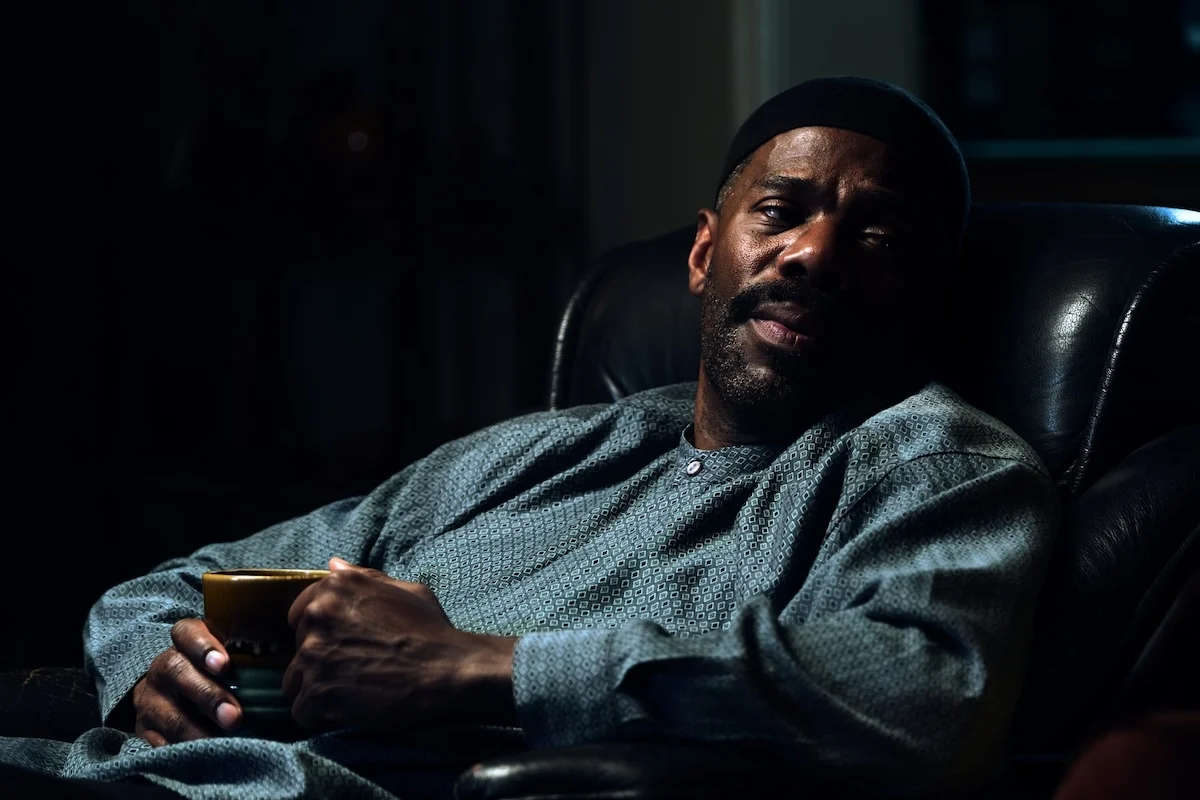
In a sequence that highlights the show’s reliance on visual manipulation, it is revealed that the reunion was merely a dying hallucination. In reality, Rue is lying on a couch in Ali’s (Colman Domingo) apartment, succumbing to an intentional overdose of Percocet provided by the antagonist, Alamo Brown. The episode positions this death not as a shocking twist, but as the inevitable destination for an addict trapped in a cycle that the show itself seemed unwilling or unable to break.

Chronology of a Disjointed Finale
The narrative arc of the finale follows a confusing timeline, jumping between the visceral reality of Rue’s expiration and a bizarre, Western-inspired revenge plot.
- The Hallucination: Rue experiences a serene, impossible moment of reconciliation with her mother, rendered in the ethereal, warm lighting signature of director of photography Marcell Rév.
- The Reality: The camera cuts to the stark, cold reality of the apartment. Rue is dead, and the "euphoria" she felt in her final moments was the chemical lie of the very drugs that claimed her life.
- The Pivot: The perspective shifts to Ali, who moves from the role of mentor to that of a vengeful specter. He delivers a scathing monologue about the failure of empathy in the face of predatory drug trade.
- The Vigilante Turn: Abandoning his recovery and his moral compass, Ali dons a military uniform, arms himself with a sawed-off shotgun, and descends upon the Silver Slipper—the den of Alamo Brown.
- The Aftermath: The finale concludes with a bizarre sequence at the Miller family farm, where Ali attempts to find a semblance of spiritual peace, punctuated by the ghostly presence of Rue.
Supporting Data and Production Choices
Throughout Season 3, "Euphoria" struggled with a bloated, episodic structure that often left its ensemble cast adrift. While Zendaya’s performance remains the anchor—her ability to convey the transition from relief to childlike, drug-induced vacancy is nothing short of masterful—the surrounding plot threads suffer from a lack of cohesion.
The choice to sideline major characters, such as Jules (Hunter Schafer), into silent, fleeting moments while dedicating significant screentime to a gun-toting vigilante arc for Ali, speaks to a fundamental imbalance in the show’s final storytelling. The production design, while still visually arresting, increasingly served to distract from a script that had run out of meaningful things to say about the issues it championed.
Official Responses and Creative Direction
Sam Levinson has remained relatively quiet regarding the specific critiques of the Season 3 finale, though the creative choices speak volumes. The transition from the "sadness" of the series’ early seasons to the "fury" of the finale reflects a tonal shift that many fans and critics have found jarring.

By introducing the "Western" motif in the final act, Levinson attempted to elevate the drug-trade conflict into a battle of "good vs. evil." However, this choice stripped the series of its nuanced, albeit messy, psychological realism. When Ali kills Alamo Brown, he is essentially operating outside the moral framework the show spent three seasons building. The finale’s refusal to address whether this act was a genuine turning point or merely a symptom of Ali’s own relapse leaves the audience in a state of unresolved frustration.
Implications: A Legacy of Pessimism
The implications of the Euphoria finale are stark. For a show that prided itself on capturing the zeitgeist of a generation, the conclusion offers little beyond nihilism. The final conversation between Cassie (Sydney Sweeney) and Lexi (Maude Apatow) serves as the ultimate indictment of the show’s later philosophy. When Lexi suggests that the Bible (and, by extension, life) is about continuing to move forward despite the pointlessness of it all, it feels less like profound wisdom and more like a screenwriting shortcut to justify the characters’ lack of development.
The "bitter aftertaste" mentioned by critics isn’t just about the death of a protagonist; it is about the feeling that the audience was sold a hollow promise. The show, which once invited us to empathize with the cycle of addiction, eventually opted for a "hustle"—trying to satisfy the audience with an "honest" death for Rue while simultaneously feeding them an "outlandish" fantasy of revenge.
The Verdict: Why It Fails
The core failure of Euphoria lies in its inability to commit to its own identity. By the end of the series, it was neither the grounded drama of high school struggle nor the stylized thriller it attempted to become in its final hours.

The inclusion of the Miller family farm—a place Rue once called peaceful—as a setting for Ali’s final, ambiguous prayer is a desperate attempt to force emotional closure on a story that had already burned its bridges. If the show intended to comment on the systemic nature of the Fentanyl crisis, it needed to do more than gesture vaguely at "evil" men in strip clubs.
Ultimately, Euphoria will likely be remembered for its aesthetic influence, its breakout performances, and its ability to capture the raw nerves of its audience. However, as a complete narrative work, its final season serves as a cautionary tale for prestige television: when a creator loses the thread of their characters in favor of spectacle and nihilistic posturing, the result is a product that feels less like art and more like a series of beautiful, empty frames.
Grade: D
Euphoria Season 3 is currently available for streaming on HBO and Max.











No comments yet. Be the first to join the conversation!