

By Kambole Campbell
With contributions from Jamie Lang
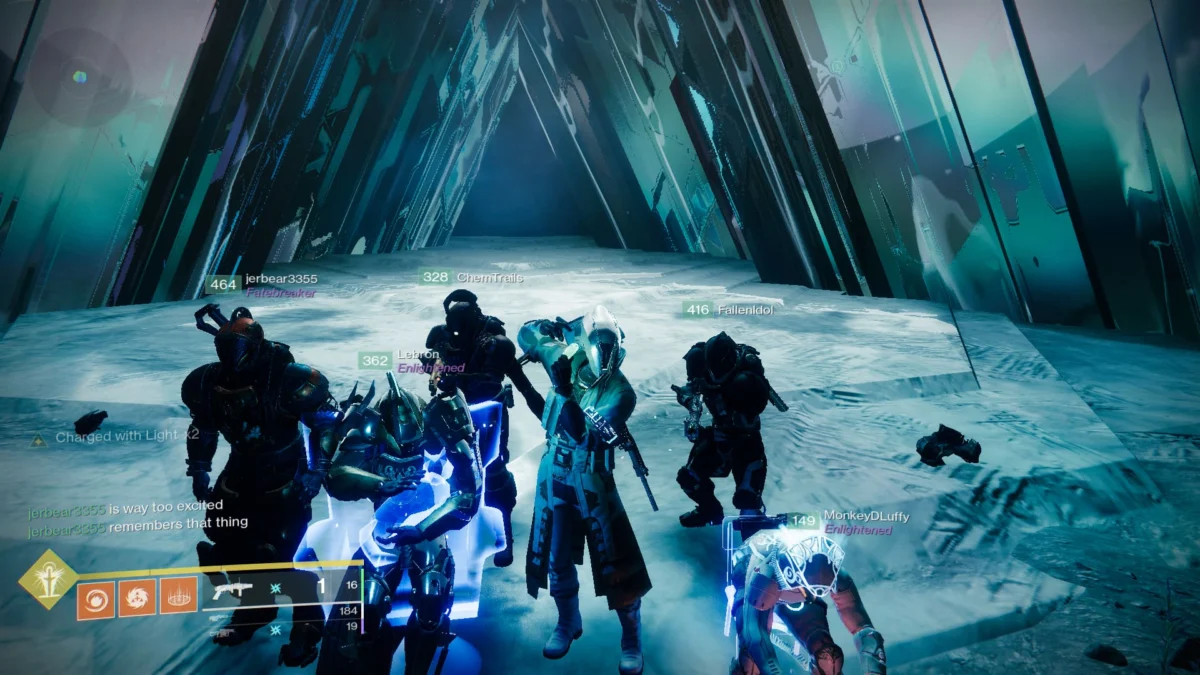
After nearly 12 years of continuous operation, the multiplayer sci-fi fantasy shooter Destiny is effectively entering its twilight. On June 9, 2026, Bungie will release the final content update for Destiny 2, marking the cessation of active development for a franchise that redefined the "live-service" model. While the servers will remain online—much like its predecessor—the era of the evolving, decade-spanning shared-world shooter is, for all intents and purposes, coming to an abrupt close.
This pivot signals more than just the end of a game; it represents the conclusion of a tumultuous chapter in the history of the gaming industry, characterized by high-concept ambition, internal labor crises, and a complex, often fraught, relationship between a legendary studio and its parent company, Sony.
The Architecture of Ambition: A Decade in Review
When Destiny first launched in 2014, it was marketed as a foundational pillar of modern gaming. Bungie, the studio that famously birthed Halo, promised a decade-long journey—a "shared-world shooter" that would grow, shift, and respond to the actions of its community. It was a bold, unprecedented gamble that sought to bridge the gap between traditional console shooters and the persistent, evolving nature of MMORPGs.
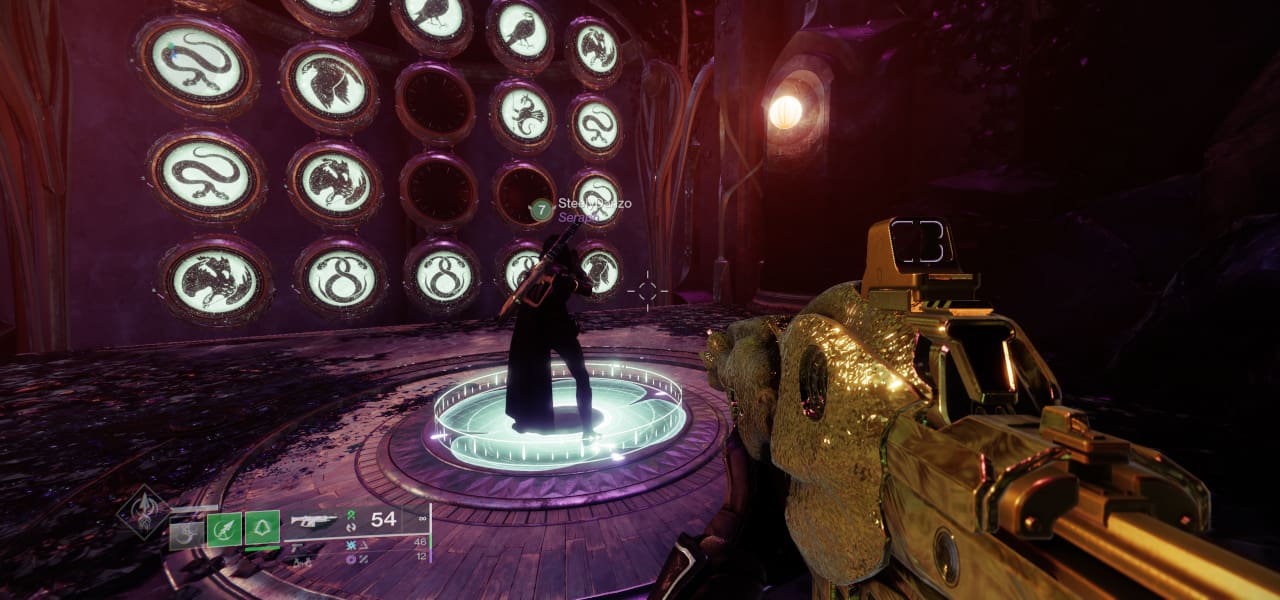
Through Destiny (2014) and its 2017 sequel, Destiny 2, the franchise became a cultural touchstone. It pioneered a unique blend of tight first-person gunplay with intricate, high-fantasy lore and cooperative "raids" that required immense coordination and social cohesion. For millions of players, the game was not just a product, but a digital home—a place where friendships were forged in the heat of competitive play and solidified during late-night attempts at challenging end-game encounters.
However, the path to this final update has been anything but smooth. The history of Destiny is a case study in the friction between creative vision and corporate reality.
A Chronology of Conflict
The decline of the Destiny era did not happen overnight; it was a slow, systemic erosion of morale and resources.
- 2014–2017: The launch of the original Destiny and the eventual release of Destiny 2. This period was marked by massive player growth, though it was plagued by early content droughts and controversies regarding monetization.
- 2019–2022: Bungie split from publisher Activision to become an independent entity, a move hailed as a "liberation" for the developers. This led to a creative renaissance for the game, including the critically acclaimed The Witch Queen expansion.
- 2022–2024: Sony acquired Bungie for $3.6 billion. The promise of stability quickly faded as the studio faced the realities of the modern games industry. Rising development costs and shifting economic conditions led to two massive waves of layoffs.
- 2024–2026: Following the critical success of The Final Shape—the culmination of the "Light and Darkness" saga—the studio began to fracture. Subsequent expansions, such as The Edge of Fate and the Renegades collaboration, were met with lukewarm reception, signaling a loss of momentum.
Supporting Data: The Cost of Crisis
The human cost behind these corporate decisions has been devastating. Reports from outlets like Bloomberg and Forbes have painted a grim picture of the studio’s internal culture.
.png)
The layoffs that followed the success of The Final Shape were particularly jarring for the community. Players were not just losing a game; they were watching the departure of the very people responsible for the music, art, and narrative depth that kept the community engaged for over a decade. Names like composer Michael Salvatori and writer Hazel Monforton became symbols of what the community perceived as a betrayal by upper management.
Criticism of CEO Pete Parsons reached a fever pitch during this period. While Parsons cited "economic headwinds" and "quality misses" (such as the unpopular Lightfall expansion) as reasons for the staff reductions, reports surfaced regarding his personal wealth—specifically a multimillion-dollar exotic car collection—which served as a flashpoint for fan anger. Furthermore, revelations from former employees suggested that the failures of Lightfall were not a result of developer incompetence, but rather "intentional sabotage" by upper management who blocked necessary, player-requested changes.
Official Responses and the Corporate Silence
Bungie’s official stance, communicated via a May 21 update, remains measured. The studio insists that Destiny 2 will remain playable, noting that "active development may be concluding, but we will ensure that Destiny 2 remains a living space."
However, industry insiders and developers alike have suggested that this decision was made behind closed doors, often catching the rank-and-file developers off guard. The suddenness of the announcement, combined with the lack of a roadmap for the future, has left many to wonder if this is the start of a broader "sunsetting" of the studio’s legacy.
Sony, meanwhile, has been quiet on the matter, despite the fact that Bungie’s struggles occurred within a quarter that otherwise showed growth for the tech giant’s gaming division. The lack of a clear strategy for the Destiny IP under Sony’s ownership suggests that the franchise, once considered a crown jewel, is being treated as a legacy asset rather than a growth engine.
Implications: The Legacy of a "Lost Bet"
The implications for the live-service model are profound. Destiny proved that it was possible to create an emotional, long-term bond between a game and its player base. Yet, it also highlighted the fatal flaw of the model: its reliance on constant, high-speed development cycles that are often unsustainable for the human beings creating them.
The fan response has been, in a word, desperate. A Change.org petition demanding Destiny 3 has surpassed 350,000 signatures, and social media channels during Sony’s recent showcases were flooded with demands for the franchise to continue. This demonstrates that while the corporate entity may be ready to move on, the community is not.
As we look toward June 9 and the Moment of Triumph update, there is a palpable sense of grief. Destiny was never just a game about shooting aliens; it was an experiment in community building. It was a space where millions of people spent thousands of hours, and for many, it was the best, most immersive experience in the medium.
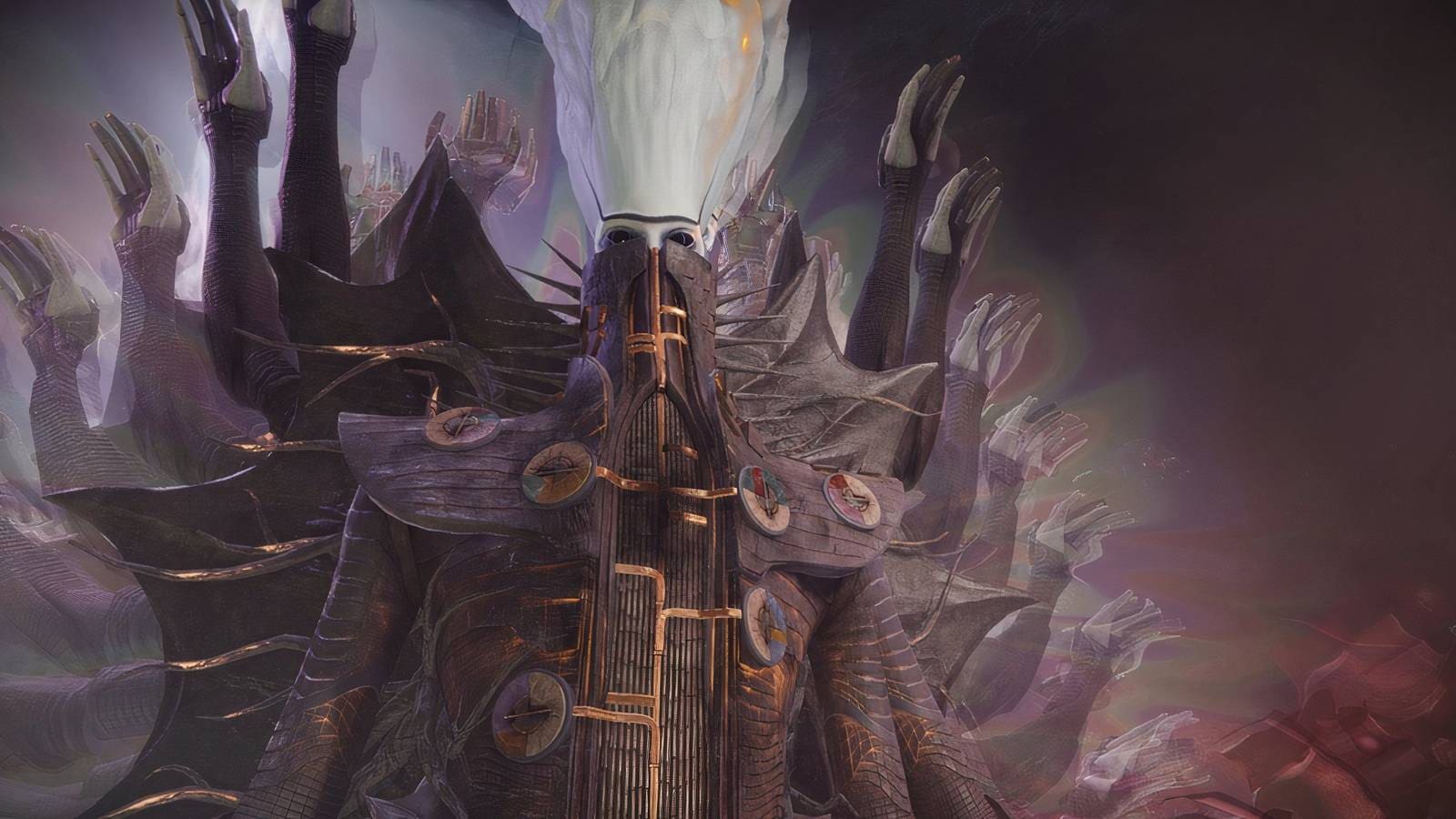
If Destiny is indeed coming to an end, it leaves behind a complicated legacy. It is a story of artistic brilliance crushed under the weight of industry greed and mismanagement. It is the story of a "decade-long" dream that reached its conclusion, not because the story ran out of ideas, but because the machinery required to keep it alive broke down.
For those of us who spent years in the Tower, defending the Last City, the feeling is one of profound loss. Destiny was the best bet many of us ever made, and watching it slip away into the amber of history feels like the end of an era. The stars are still there, but for the Guardians who fought for them, the light has dimmed.










No comments yet. Be the first to join the conversation!