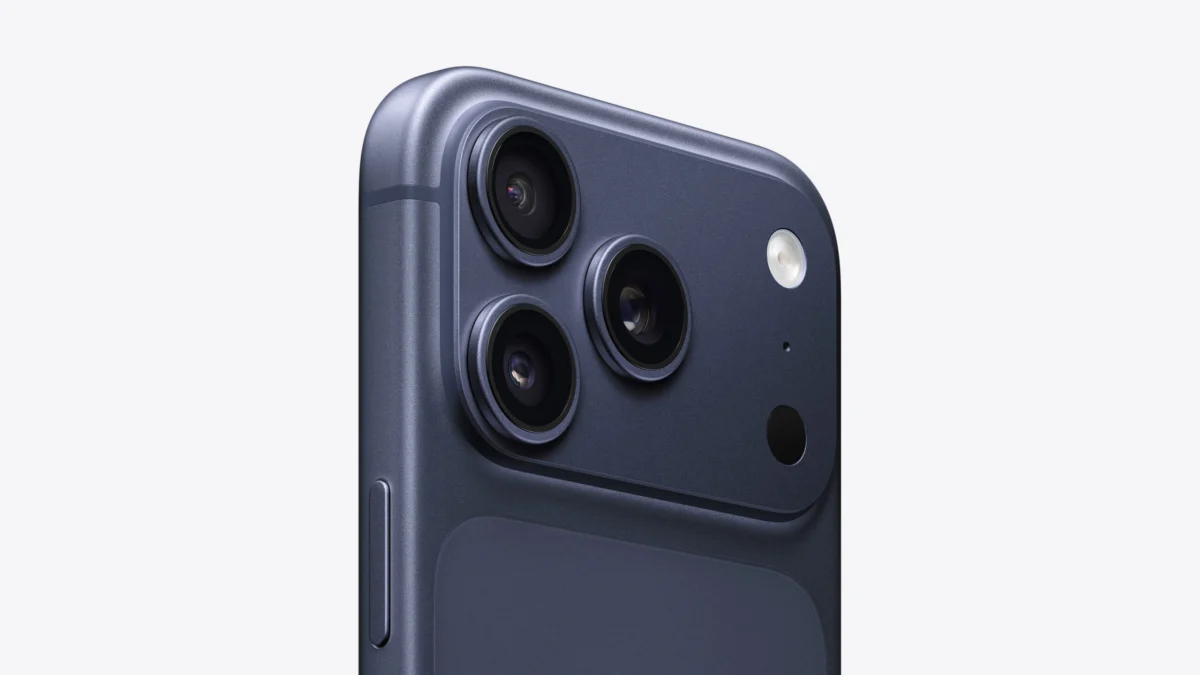
For years, the tech community has engaged in a collective lament regarding Apple’s trajectory. Critics and long-time fans alike have pointed to a perceived stagnation in the company’s hardware cycle, where iterative updates to the iPhone and Mac lineup have replaced the radical, paradigm-shifting innovations that defined the "halcyon days" of the iPod and the original iPhone launch. However, a seismic shift in form factor may be on the horizon. If the latest industry whispers—and the reporting of Bloomberg’s Mark Gurman—are to be believed, Apple is mere weeks away from unveiling its most daring hardware experiment in a decade: the folding "iPhone Ultra."
As the mobile industry watches with bated breath, the question is no longer whether Apple will embrace the foldable market, but whether this specific iteration can justify its rumored £2,000 price tag while lacking features that power users have come to expect.
The Main Facts: A New Form Factor
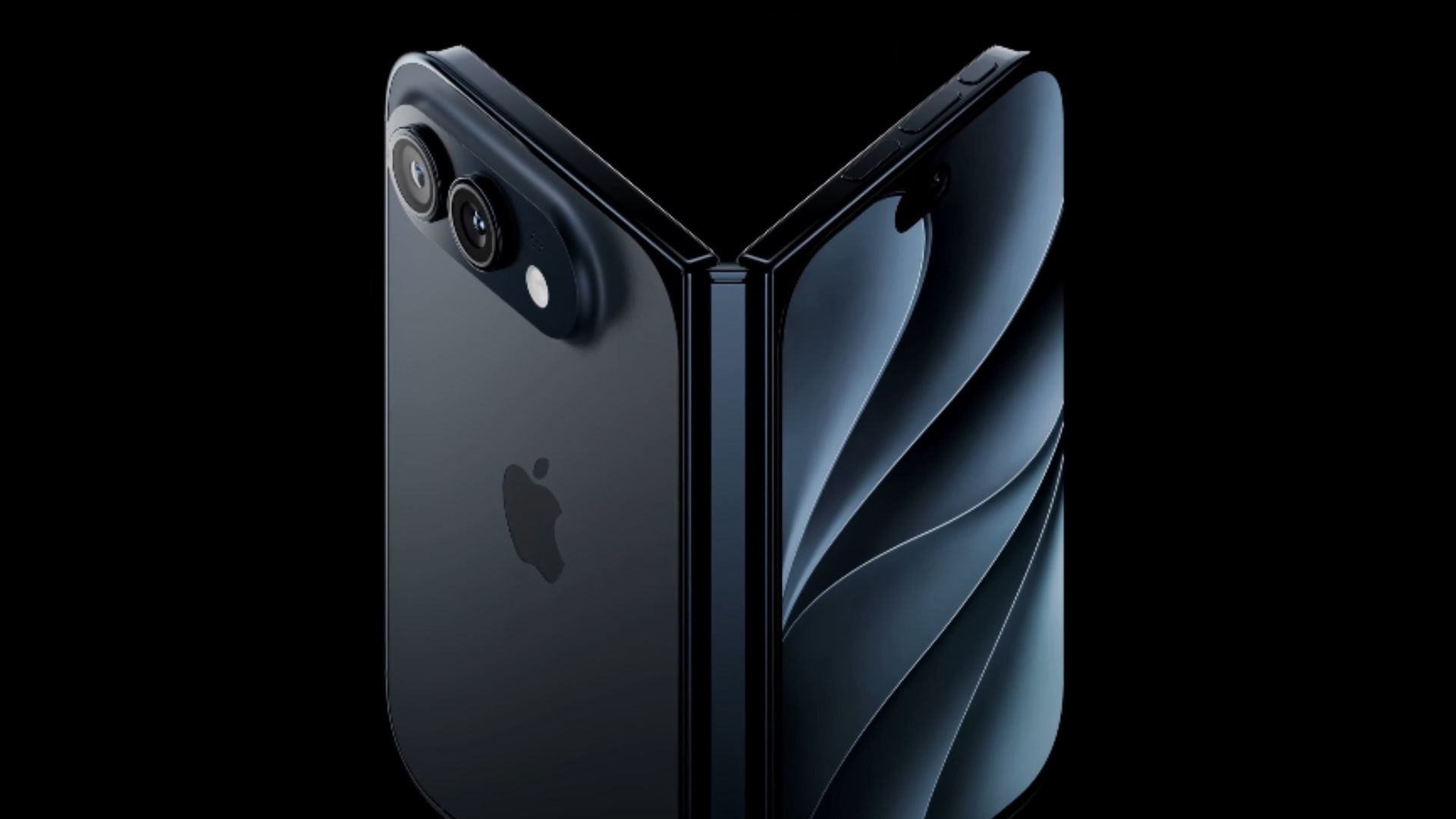
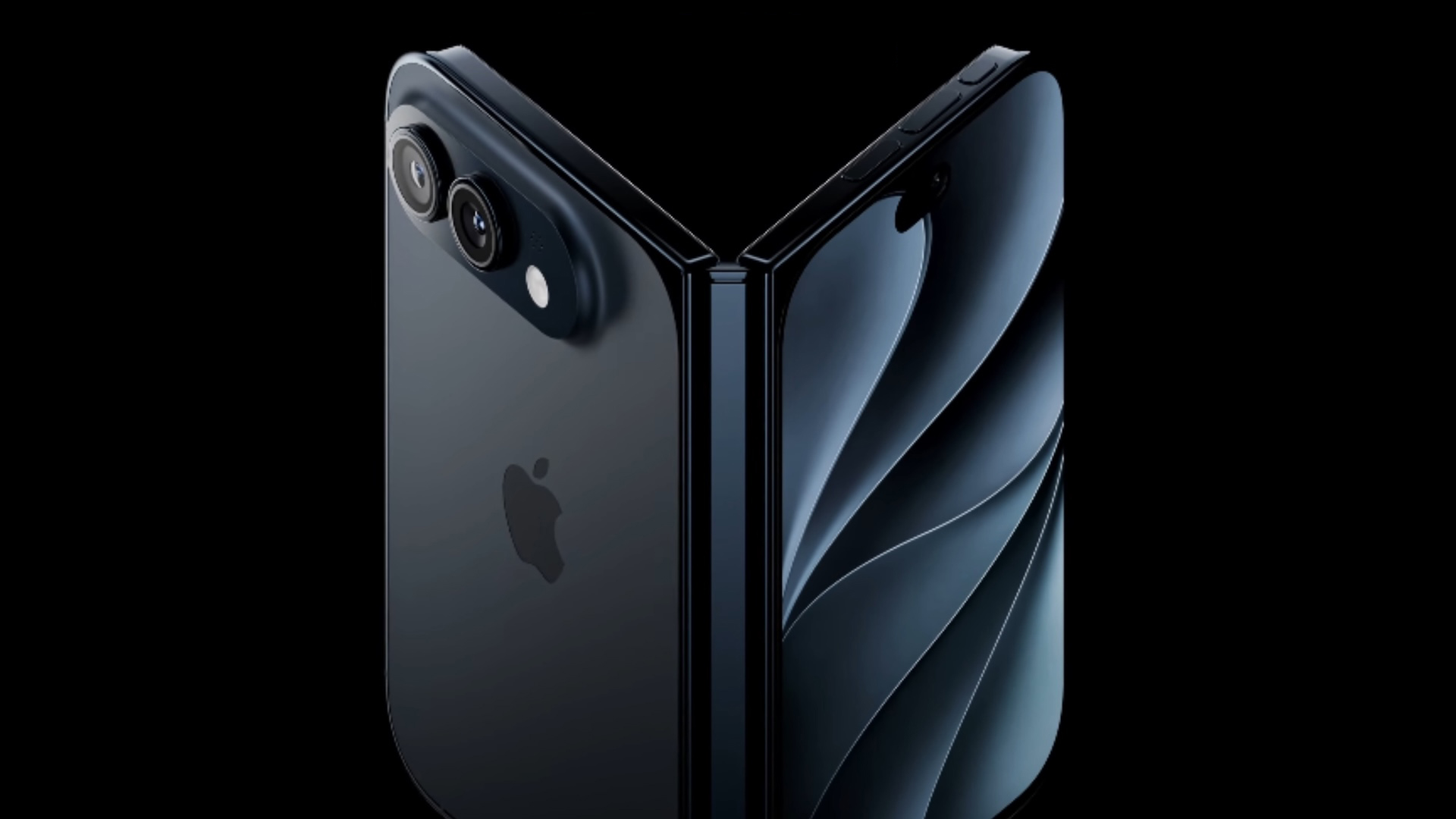
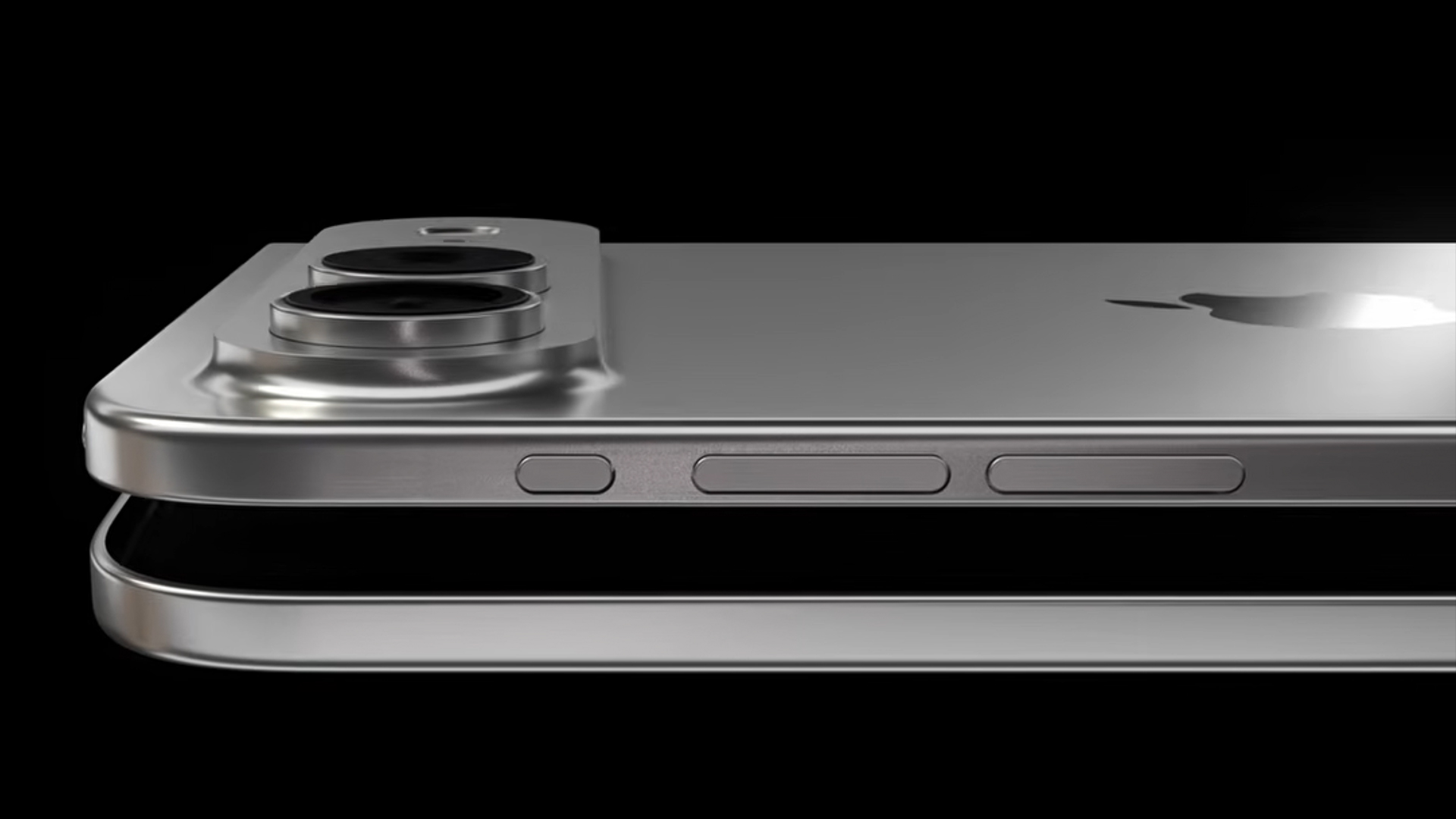
The folding iPhone, colloquially dubbed the "iPhone Ultra" by industry insiders, represents Apple’s attempt to reclaim its reputation as the vanguard of industrial design. Unlike the early, fragile attempts at foldables from competitors, Apple’s version is reported to focus on refined ergonomics and internal software optimization.
Early testers—a small, select group within the Apple ecosystem—have reportedly provided positive feedback regarding the device’s physical presence. The core selling points, according to those familiar with the matter, include:
- Form Factor: A highly optimized size that maintains pocketability while unfolding into a tablet-like canvas.
- Hinge Engineering: A proprietary, durable hinge mechanism that aims to eliminate the "crease" issues that have plagued rival foldable devices.
- Software Synergy: A bespoke adaptation of iOS that mirrors iPad-like multitasking, allowing for sophisticated app layouts that take advantage of the expanded internal display.
Despite these ergonomic victories, the device faces significant headwinds. The most glaring, according to current intelligence, is the absence of a telephoto camera lens. In an era where "Pro" model iPhones have set the industry standard for mobile photography and long-range zoom, the omission of such a critical feature on an "Ultra" device is a move that has left analysts and creatives scratching their heads.
Chronology: The Long Road to the Fold
Apple’s journey toward a foldable device has been a masterclass in patience—or, according to detractors, a decade of hesitation.
- 2016–2018: Early patents surface describing "flexible display devices," signaling that R&D teams were experimenting with OLED materials that could withstand repeated folding.
- 2019–2021: Competitors like Samsung and Motorola release the first generation of foldables. The market is plagued by screen failures, debris issues, and software instability. Apple maintains its "wait and see" strategy, prioritizing market maturity over first-mover advantage.
- 2023–2024: Rumors of the "iPhone Ultra" begin to coalesce. Reports suggest Apple has shifted its internal focus from standard iterative iPhone updates to exploring new form factors to combat slowing global smartphone sales.
- Late 2025 – Early 2026: Leaks indicate that a working prototype has moved into the hands of select testers. The industry begins to speculate on a 2026 launch window, timed to coincide with the next major iOS refresh.
- Present Day: We stand mere weeks from an expected announcement, with the tech world debating whether this device will be a revolutionary flagship or a niche experimental product.
Supporting Data: The Price of Innovation
The rumored £2,000 price point positions the iPhone Ultra in a league of its own, effectively pricing out the average consumer and targeting the "early adopter" demographic.
However, the hardware trade-offs are significant. Industry data suggests that the internal space required for the folding mechanism and the necessary battery capacity to power a larger display has forced engineers to make difficult choices.
The Camera Conundrum
The lack of a telephoto lens is a strategic risk. Data from consumer surveys indicates that the primary driver for high-end iPhone upgrades is camera performance. By removing the telephoto capability, Apple risks alienating its most loyal creative power users—the very group likely to afford a £2,000 device.
The Authentication Shift
Perhaps more controversial than the camera is the rumored move away from FaceID in favor of a return to TouchID. While biometric security has evolved significantly, Apple’s decision to pivot back to a fingerprint-based system on a flagship device is a curious move. Some suggest this is a logistical necessity due to the thickness of the display bezels, while others fear it marks a step backward in the user experience.
Official Responses and Industry Context
Apple, as is customary, has remained tight-lipped, maintaining its policy of not commenting on unannounced products. However, the internal culture at Apple, as described by those who have covered the company for decades, suggests a divided camp. One faction views the foldable as the natural evolution of the "Pro" line, while another remains wary of the "gimmick" label that has historically shadowed foldable tech.
Mark Gurman’s recent assessment hits the nail on the head: "The Venn diagram of people who are willing to spend £2,000 to be an early adopter and people who want the latest and greatest camera tech is effectively a circle." By failing to capture both, Apple is asking its users to choose between the future of form factor and the future of image quality.
Implications: The Creative Dilemma
For the design and creative community, this device presents a fascinating, albeit frustrating, dilemma.
The Canvas Argument
For digital artists, UI designers, and editors, a folding iPhone offers a portable, high-resolution canvas that could fundamentally change how mobile work is performed. If the internal display is as vibrant and responsive as the iPad Pro’s, the potential for mobile productivity is unparalleled. A designer could easily sketch on the train or edit a vector file in a coffee shop without needing to carry a laptop or tablet.
The Content Creation Argument
Conversely, for mobile photographers and videographers, the loss of the telephoto lens is a non-starter. The "Pro" line of iPhones has become a standard tool for content creators. If the Ultra cannot match the optical zoom capabilities of an iPhone 18 Pro Max, it will likely be relegated to a "luxury accessory" rather than a "pro tool."
The Market Outlook
If this device succeeds, it will force a redesign of the entire smartphone industry. If it fails, or is perceived as a "beta test" at a premium price, it may cement the idea that Apple has lost its ability to iterate without compromise.
Ultimately, the iPhone Ultra will be judged not by its ability to fold, but by its ability to function as a seamless, uncompromising tool for the people who need it most. As the launch date approaches, the question remains: is this the return of Apple’s legendary innovation, or an expensive reminder that sometimes, the best design is the one that works perfectly—even if it doesn’t fold?
The next few weeks will decide the fate of the most anticipated, and potentially most divisive, Apple product of the decade. Whether it becomes a collector’s item for early adopters or the foundation for the next generation of iPhones, the "Ultra" is set to change the conversation in Cupertino for years to come.