In the modern digital landscape, video has transitioned from an optional content format to the primary currency of social media marketing. From the rapid-fire scroll of TikTok to the professional networking environment of LinkedIn, video content captures attention in a way that static images and text simply cannot. However, for content creators and brand strategists, a persistent challenge remains: How long should a social media video actually be?
There is no universal "golden ratio" for video duration. Instead, the success of a video hinges on a sophisticated intersection of platform-specific algorithms, user intent, and the psychological threshold of the audience. To maximize reach and engagement, marketers must move beyond guesswork and align their production timelines with the specific demands of each social network.
The Strategic Importance of Video Duration
Video duration is not merely a technical constraint; it is a critical variable in the algorithm’s decision-making process. Platforms like Instagram, TikTok, and YouTube prioritize "watch time" and "retention rate" to determine whether a piece of content deserves to be amplified.

If a video is too long, the drop-off rate increases, signaling to the algorithm that the content is uninteresting. If it is too short, you may fail to deliver enough value to justify the click. Understanding the "sweet spot" for each platform is the difference between content that disappears into the feed and content that achieves viral status.
Platform-by-Platform Analysis: The Data-Driven Breakdown
1. Instagram: The Ecosystem of Formats
Instagram presents a unique challenge because it hosts multiple distinct video experiences.
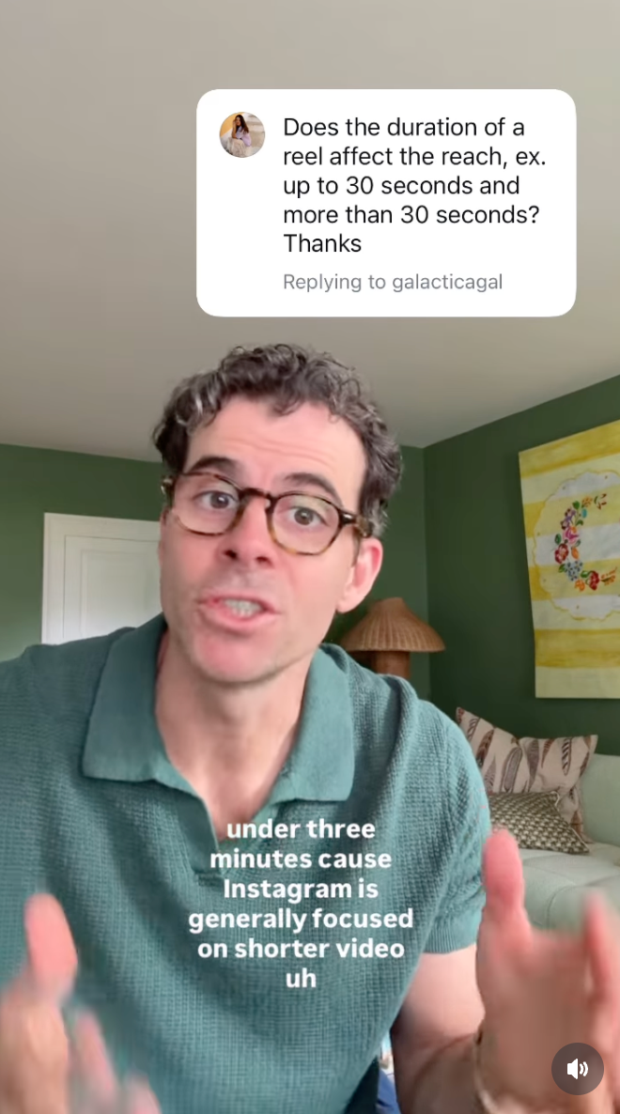
- Reels: The best length for engagement is between 15 and 45 seconds. While Instagram allows for much longer uploads, the platform’s Head, Adam Mosseri, has consistently emphasized that short-form content is prioritized. The objective is to capture attention in the first three seconds—the "hook"—and deliver the core value before the viewer’s interest wanes.
- In-Feed Videos: These are best kept between 15 and 60 seconds. Given that these compete with the high-energy nature of Reels, shorter is generally better.
- Stories: These are ephemeral, tap-through experiences. Aim for 5 to 15 seconds per slide. Because users are accustomed to fast, bite-sized updates, cramming too much information into one slide leads to high skip rates.
- Video Ads: For maximum impact, 10 to 15 seconds is the target. This ensures the message is delivered before the viewer loses interest or skips the ad entirely.
2. TikTok: The Pacing Revolution
On TikTok, length is secondary to pacing. The platform’s algorithm heavily favors videos that are watched to completion. Consequently, the "ideal" TikTok is typically 20 to 35 seconds.

- The Myth of Long-Form: While TikTok now permits videos up to 10 minutes (and longer via uploads), the platform’s culture is rooted in brevity. A 25-second video that is watched to the end is significantly more valuable to the algorithm than a 3-minute video with a 10% completion rate.
- Advertising: For paid promotions, the optimal window shrinks to 9 to 15 seconds. You have a fraction of a second to disrupt the user’s scroll; use that time to deliver your brand value proposition immediately.
3. YouTube: The Long-Form King
YouTube remains the outlier in the social media ecosystem, being a search-driven platform rather than a feed-driven one.
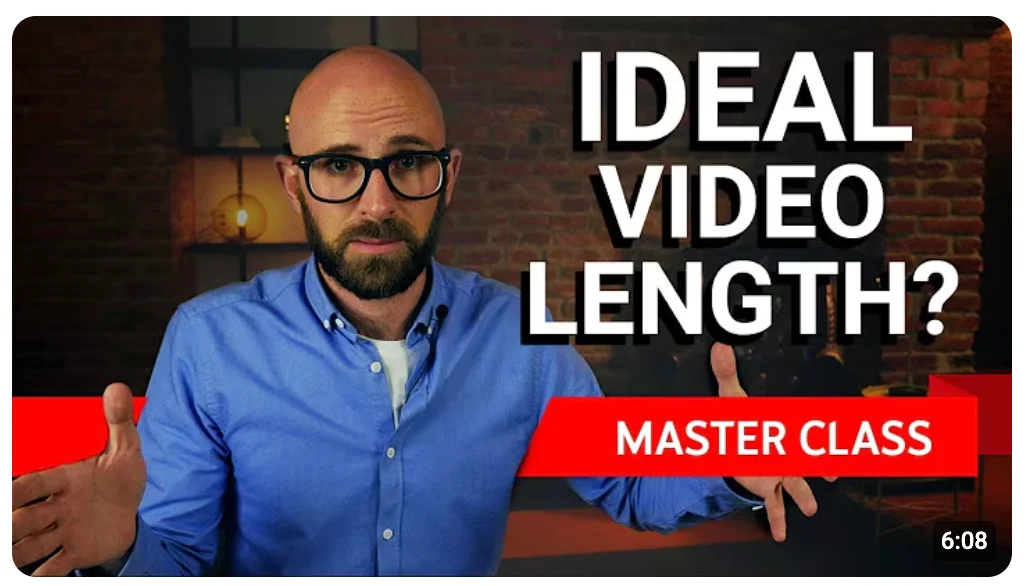
- Standard Videos: The sweet spot is 6 to 12 minutes. This duration allows for deep dives, tutorials, and storytelling, which are the hallmarks of YouTube success. Furthermore, the YouTube Partner Program allows for mid-roll advertisements on videos longer than 8 minutes, making this a strategic target for creators looking to monetize.
- YouTube Shorts: Distinct from long-form, these are optimized for the 15 to 45-second range. They function similarly to Reels and TikToks, where fast-paced, loopable content dominates.
4. Facebook: The Multi-Generational Feed
Facebook’s video strategy is undergoing a significant transition as the platform shifts toward a "Reels-first" model.
- Facebook Reels: Aim for 15 to 30 seconds. As Meta integrates all video formats into the Reels player, keeping content punchy is vital.
- In-Feed Videos: While these can theoretically run for hours, 30 to 60 seconds is the recommendation for optimal engagement. These videos are often consumed by an older demographic than TikTok, allowing for slightly more context, but they still require a compelling hook.
5. LinkedIn: The Professional Standard
LinkedIn users are professional, goal-oriented, and time-conscious.

- Optimal Length: 30 to 60 seconds. LinkedIn’s own internal data suggests that videos under 30 seconds see a massive 200% lift in completion rates. The professional audience appreciates concise insights, case studies, or thought leadership snippets that respect their time.
6. Secondary Platforms: Snapchat and Pinterest
- Snapchat: Stick to 5 to 15 seconds. It is a platform of candid, real-time connection.
- Pinterest: With a more intent-driven user base, Pinterest allows for 10 to 30 seconds. Because users are often in "planning" or "shopping" mode, they are more patient with tutorials and DIY content that provide clear, actionable value.
Chronology and Evolution of Video Consumption
The history of social media video is a history of shrinking attention spans. In the early 2010s, Facebook allowed for longer, more cinematic video ads. However, the rise of the mobile-first era—heralded by Vine’s 6-second loop—drastically changed user behavior.
Today, we have entered the "Short-Form Dominance" era. Every major platform has pivoted to prioritize vertical, full-screen, fast-paced video. This shift was not accidental; it was a response to the massive success of TikTok, which proved that users would spend hours on a platform if the content was served in rapid, algorithmically curated bursts.
Supporting Data and Retention Metrics
Retention is the most critical metric for any content strategist. By analyzing the "Retention Chart" in your platform analytics, you can pinpoint exactly when viewers drop off.
- The 3-Second Rule: Across all platforms, if you haven’t hooked the viewer within the first three seconds, you have lost them.
- Completion Rates: Platforms like TikTok and Instagram treat completion as a primary signal for quality. A video that is consistently finished by viewers is more likely to be pushed to a wider audience, regardless of the video’s production budget.
- The "Why" Behind the Length: Longer videos only succeed when they provide "intrinsic value"—the viewer is gaining something (knowledge, entertainment, or community) that warrants the time investment. If a video is long for the sake of being long, the audience will sense the lack of substance and exit.
Official Responses and Platform Guidelines
The leadership at major social platforms is increasingly vocal about these trends. Adam Mosseri (Instagram) has repeatedly stated that while long-form content exists, the platform’s focus remains on short-form discovery. Similarly, YouTube’s "Creators" channel emphasizes that the length of the video should be determined by the topic. For instance, a complex technical tutorial may warrant 15 minutes, whereas a quick tip on software usage should be under 60 seconds. The consensus among platform engineers is clear: Let the content dictate the length, not the other way around.
Implications for Future Strategy
As we look toward the future of social media marketing, three core implications emerge for brands:
- Platform-Specific Editing: Stop repurposing the exact same file for every network. A 60-second video meant for YouTube will almost certainly fail on TikTok. Edit your content specifically for the pacing and interface of each platform.
- Prioritize the Hook: Your resources should be spent on the first three seconds. If the opening doesn’t stop the scroll, the next 29 seconds are irrelevant.
- Data-Informed Iteration: Use the analytics tools provided by platforms like Hootsuite to review your own performance. If your audience consistently drops off at the 10-second mark of your 30-second videos, your scripts are too slow. Trim the fat and focus on the narrative core.
In conclusion, the ideal social media video length is the shortest time possible to deliver the maximum amount of value. By respecting the user’s time and aligning your content with the unique culture of each platform, you can build a sustainable video strategy that drives both engagement and long-term brand loyalty.