Evan Lee Salim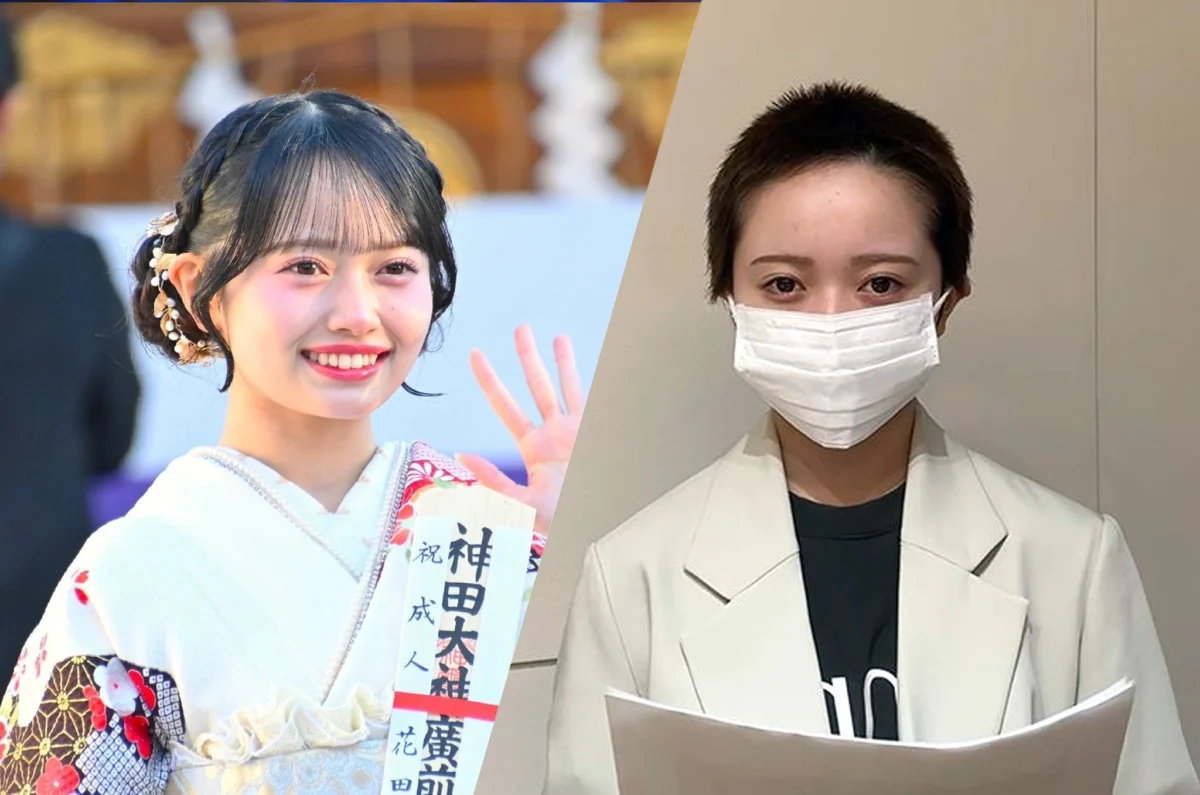
In an unprecedented move that has sent shockwaves through the Japanese entertainment industry, Mei Hanada has become the first member in the storied history of AKB48 to be officially dismissed from the group. The termination of her contract, confirmed by management company DH Co., Ltd., follows a chaotic sequence of events marked by allegations of coercion, unauthorized contact with fans, and the disturbing reappearance of a trope that has haunted the idol collective for over a decade: the ritualistic shaving of one’s head as a gesture of "sincerity."
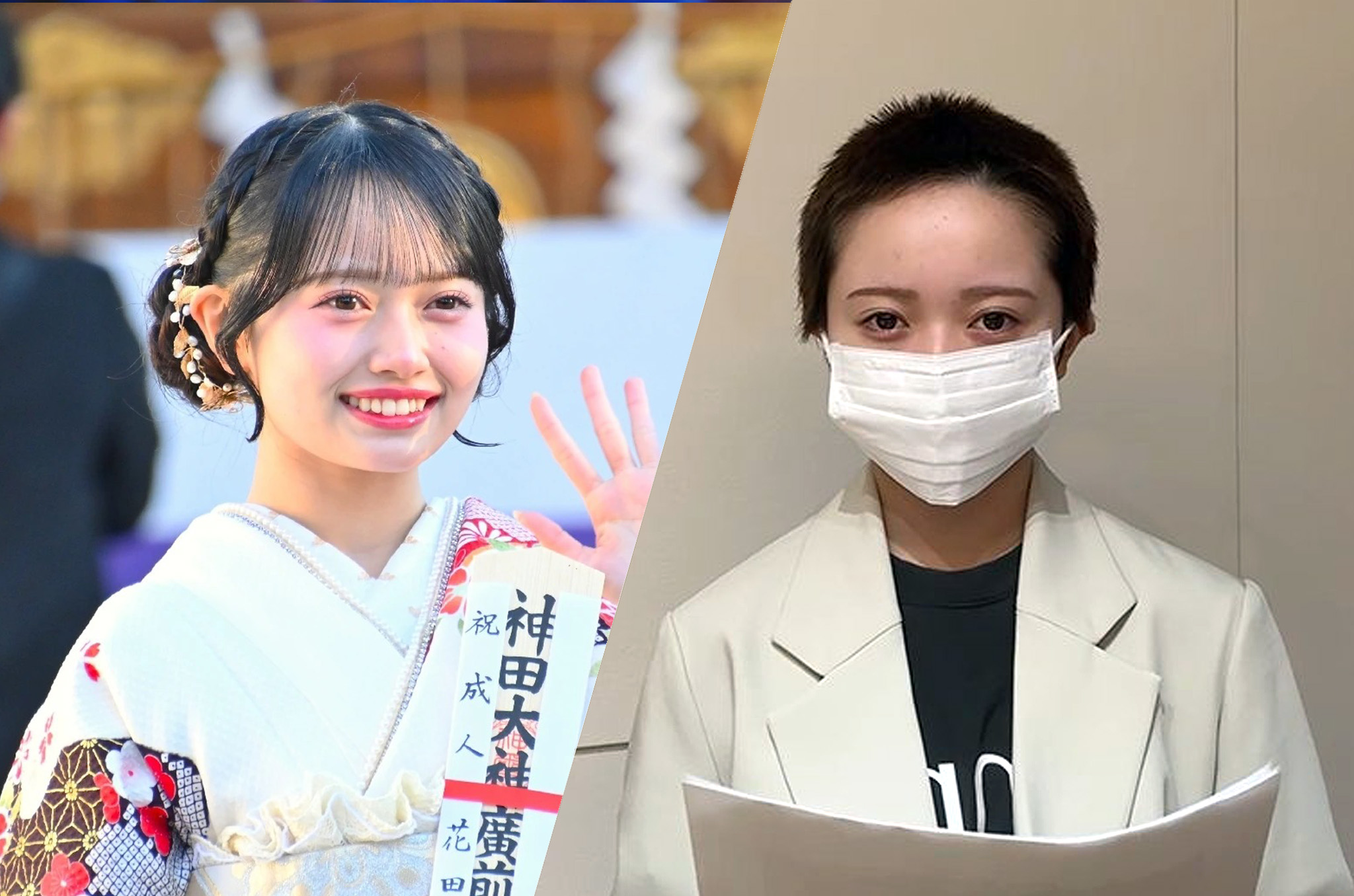
On Tuesday, Hanada released a harrowing nine-minute video that has since gone viral, featuring the former idol with her head partially shaved. In the footage, Hanada draws a direct parallel to the 2013 scandal involving former member Minami Minegishi, alleging that she was pressured by management to adopt the same performative act of contrition to secure her future within the group.
The Chronology of a Disciplinary Crisis
The breakdown between Hanada and DH Co., Ltd. appears to be the culmination of months of friction. According to official statements and public disclosures, the conflict began in late 2025.
December 2025 – May 2026: The Hiatus
DH Co., Ltd. reports that starting in December 2025, Hanada began suffering from chronic health issues, leading to repeated instances of tardiness and missed rehearsals. Management claims that, in the interest of her well-being, they placed her on an indefinite hiatus to seek medical treatment.
May 2026 – June 2026: The "Fan Connection" Discovery
During this period of isolation, management claims to have uncovered evidence of unauthorized private communication between Hanada and a fan. While Hanada initially characterized these interactions as "chance encounters" occurring only twice, internal investigations by the agency reportedly revealed a more frequent pattern of contact.
June 23, 2026: The Video and Termination
On June 23, the situation reached a breaking point. Following the release of Hanada’s video—in which she explicitly states, "I was told, ‘If you want to continue with AKB, shave your head to show your sincerity’"—DH Co., Ltd. issued a formal statement announcing the termination of her contract, citing her refusal to engage in return-to-work discussions and her request for disciplinary action against other members as the primary drivers for their decision.
The Allegations: Coercion vs. Corporate Governance
The core of the current public debate rests on the veracity of Hanada’s claims regarding the "shaving ultimatum."
Hanada’s testimony is visceral. "It was truly painful to part with the hair I had cherished for so long," she stated in her video, "but because I wanted so badly to continue my activities with AKB, I made the decision to shave it. I’ve come to believe that giving members the option to shave their heads whenever something happens within AKB is wrong."
Her account paints a picture of a toxic corporate culture where young women are forced to weaponize their own bodies to survive in a high-pressure environment. If true, the allegations suggest that the "sincerity" rituals of the past were not isolated incidents of individual repentance, but an institutionalized practice encouraged—or at least tolerated—by those in positions of power.
DH Co., Ltd. has issued a categorical denial. In their statement, the agency emphasized, "We would absolutely never issue such an instruction." The company suggests that Hanada’s narrative is a defensive fabrication designed to deflect from her own rule-breaking and her subsequent refusal to communicate with management regarding her professional future.
The Shadow of the "Love Ban"
The controversy surrounding Hanada has inevitably revived the discourse around the so-called "love ban"—an unwritten, nebulous rule that has defined the AKB48 brand since its inception. While the agency has repeatedly denied the existence of a formal prohibition on romantic relationships, the industry’s history suggests otherwise.
The "love ban" is more than a rule; it is a marketing pillar that sells the image of the "pure" and "available" idol to a dedicated fan base. This dynamic was famously—and tragically—highlighted in 2013, when Minami Minegishi, a foundational member of the group, shaved her head and posted a tearful video apology after being photographed leaving a male friend’s apartment. That moment, once viewed as a standard-bearer for idol discipline, is now frequently cited by critics as a symbol of the exploitative nature of the industry.
The pressure of these expectations has claimed several careers. In November 2022, the group faced another scandal when Nana Okada’s relationship with actor Hiroki Ino was exposed. Okada, who had built an image based on strict adherence to "idol standards," was forced to apologize and eventually "graduate" (retire) from the group. At that time, General Manager Mukaichi Mion attempted to soothe public outcry by promising a review of the romantic restrictions, only to walk back the statement shortly after, maintaining that no official rule existed.
Implications for the Idol Industry
The dismissal of Mei Hanada is a watershed moment for several reasons:
- The First Official Dismissal: For nearly two decades, AKB48 relied on "graduations" or quiet resignations to handle internal friction. By formally terminating a contract for the first time, DH Co., Ltd. has signaled a shift toward more aggressive corporate governance.
- The Weaponization of Transparency: Hanada’s use of social media to tell her side of the story represents a shift in power. In previous eras, the agency controlled the narrative entirely. Today, social media allows idols to bypass PR filters, directly challenging the agency’s version of events.
- Institutional Accountability: The public outcry over Hanada’s shaved head reflects a changing Japanese society. Modern audiences, particularly younger demographics, are increasingly skeptical of "traditional" idol expectations. The optics of a young woman being pressured to alter her physical appearance as a form of penance are being met with widespread condemnation rather than the somber respect the agency likely expected.
Moving Forward: A Reckoning?
As of late June 2026, the situation remains fluid. Legal representatives for Hanada have reportedly indicated that she is not interested in further discussions with DH Co., Ltd., while the agency maintains that their actions were a final, unavoidable resort in the face of insubordination.
The incident serves as a stark reminder that the idol industry is still grappling with its own internal contradictions. As long as the "idol" archetype is predicated on the performative purity of the performer, incidents like those involving Mei Hanada will continue to occur. Whether this marks the beginning of a broader reform of the Japanese idol system or simply another footnote in a long history of scandal remains to be seen.
For now, the image of a young woman standing in front of a camera, her hair shorn as a sacrifice to a career that ultimately rejected her, remains a powerful and uncomfortable symbol of the costs associated with the pursuit of stardom. As the industry watches, the question is no longer just about the rules of AKB48, but about the fundamental ethics of how young performers are treated in the digital age.


 Neng Nana
 Asro
Asro