

In the landscape of 2026, the tech industry is defined by a singular, overarching obsession: the integration of generative artificial intelligence into every facet of the digital experience. From productivity suites to creative tools, companies are racing to embed AI into the fabric of daily life. Now, Google has set its sights on one of the most fundamental aspects of the internet experience: the digital shopping cart.
At the Google I/O 2026 developer conference, the search giant unveiled its latest ambitious project, the "Universal Cart." Described by the company as a "new agentic hub for shopping across Google," the feature promises to fundamentally alter how consumers browse, compare, and purchase goods online. By leveraging the advanced reasoning capabilities of the Gemini AI model, Google intends to move beyond mere search results, offering a proactive, intelligent shopping assistant that acts as a bridge between disparate e-commerce platforms.
The Evolution of the Digital Shopping Experience
To understand the impact of the Universal Cart, one must look at the current fragmentation of online shopping. Consumers typically navigate multiple retail sites, open dozens of browser tabs, and manually track price fluctuations, compatibility concerns, and shipping details. The process is often inefficient, time-consuming, and prone to human error.
Google’s vision for the Universal Cart is to consolidate this chaotic experience into a unified, agentic interface. Instead of a passive list of items, the Universal Cart acts as an active assistant that operates in the background. Whether you are browsing a niche boutique or a major retailer, the system tracks your intent and monitors the status of your items.
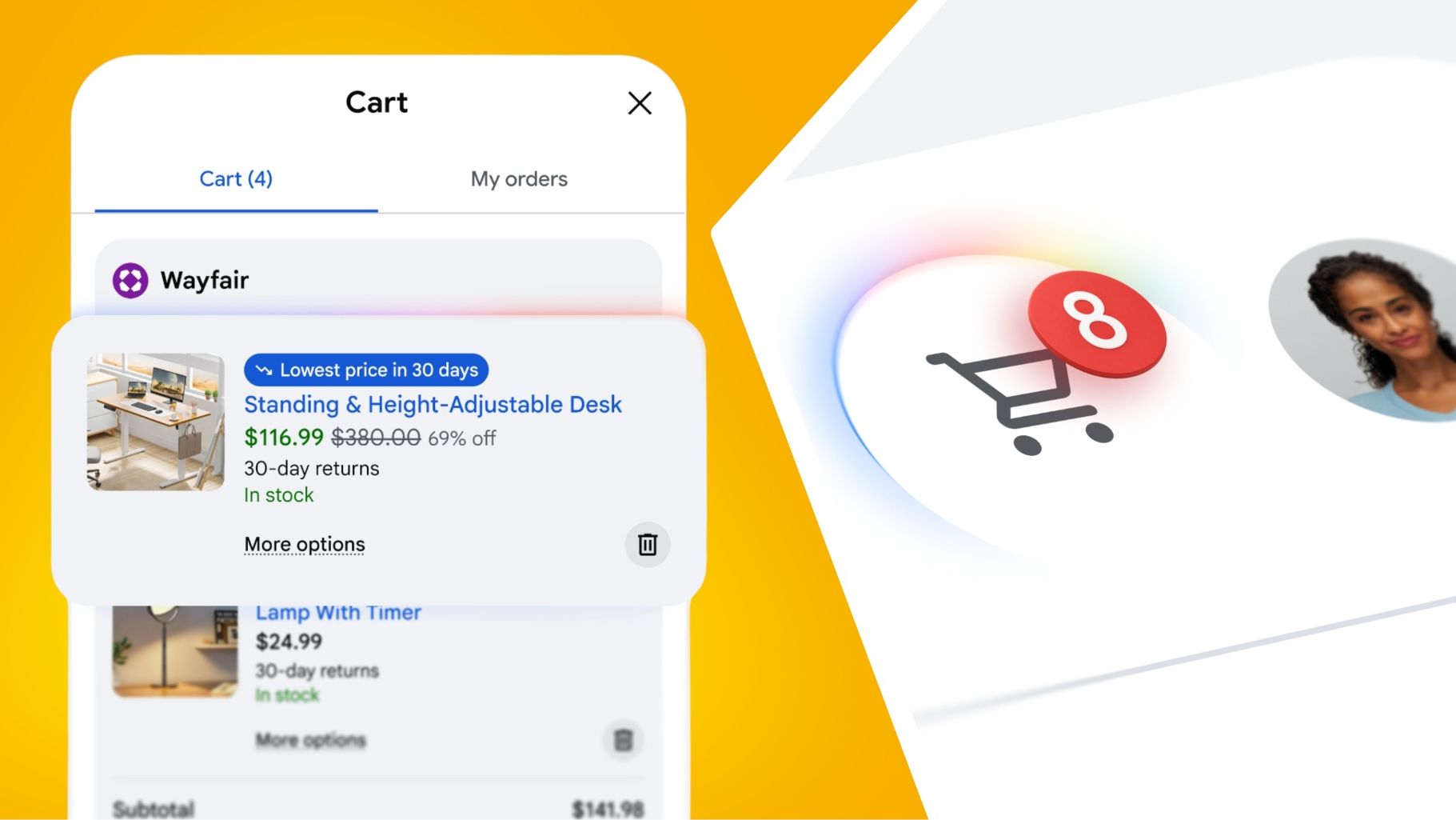
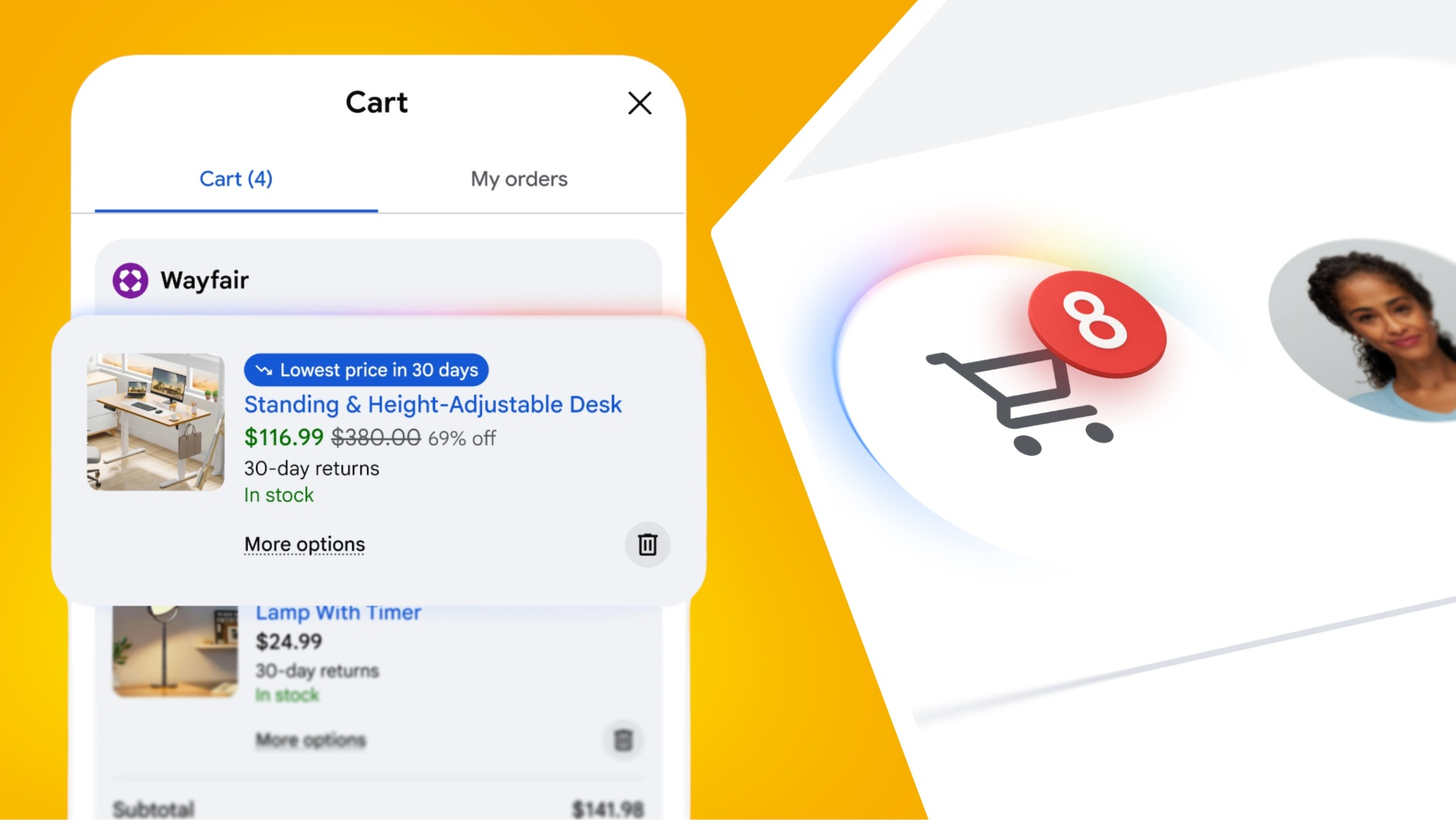
The mechanism is deceptively simple but technically profound. When a user adds an item to their cart, the Gemini-powered agent initiates a persistent monitoring protocol. If a user navigates away to check emails or watch a video, the agent remains active, scanning for real-time changes. It provides automated updates on price drops, tracks historical pricing data to ensure a "good" deal, and alerts the user the moment an out-of-stock item returns to inventory.
Chronology: From Concept to Reality
The development of the Universal Cart represents a multi-year effort within Google to move Gemini from a static chatbot to an "agentic" system—an AI capable of performing multi-step tasks across different websites on behalf of the user.
- Late 2024 – Early 2025: Initial internal research into "Agentic Web Browsing" began. Google sought to solve the problem of high cart abandonment rates by providing users with more context at the point of sale.
- Late 2025: The project moved into limited beta testing, focusing on cross-platform compatibility and payment security.
- May 2026 (Google I/O): The official unveiling. Google showcased the Universal Cart’s ability to communicate with various retail backends, demonstrating a seamless integration that allows users to manage multiple shopping lists from a single dashboard.
- Summer 2026: The official rollout for US-based users via Google Search and the standalone Gemini app.
- Late 2026 (Projected): Planned integration into YouTube (for creator-driven commerce) and Gmail (to parse order receipts and shipping updates).
Beyond Savings: The Power of Contextual Analysis
The most striking feature of the Universal Cart is its ability to perform semantic analysis on a user’s shopping list. This is not just a price tracker; it is an intelligent consultant.
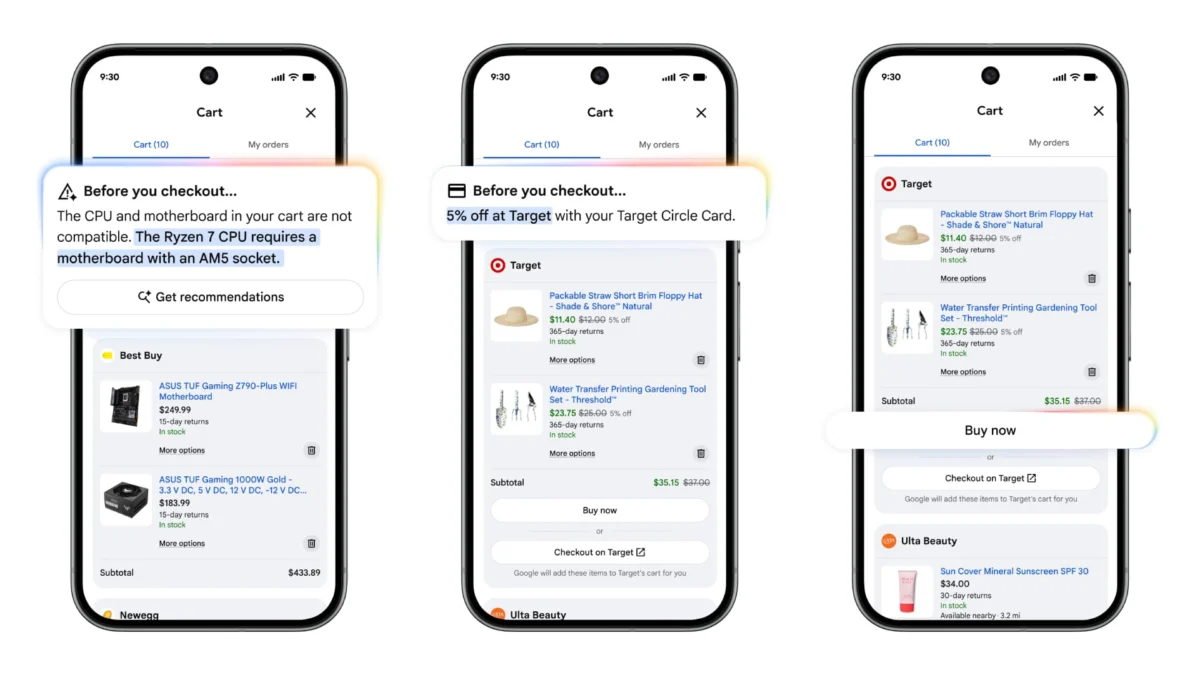
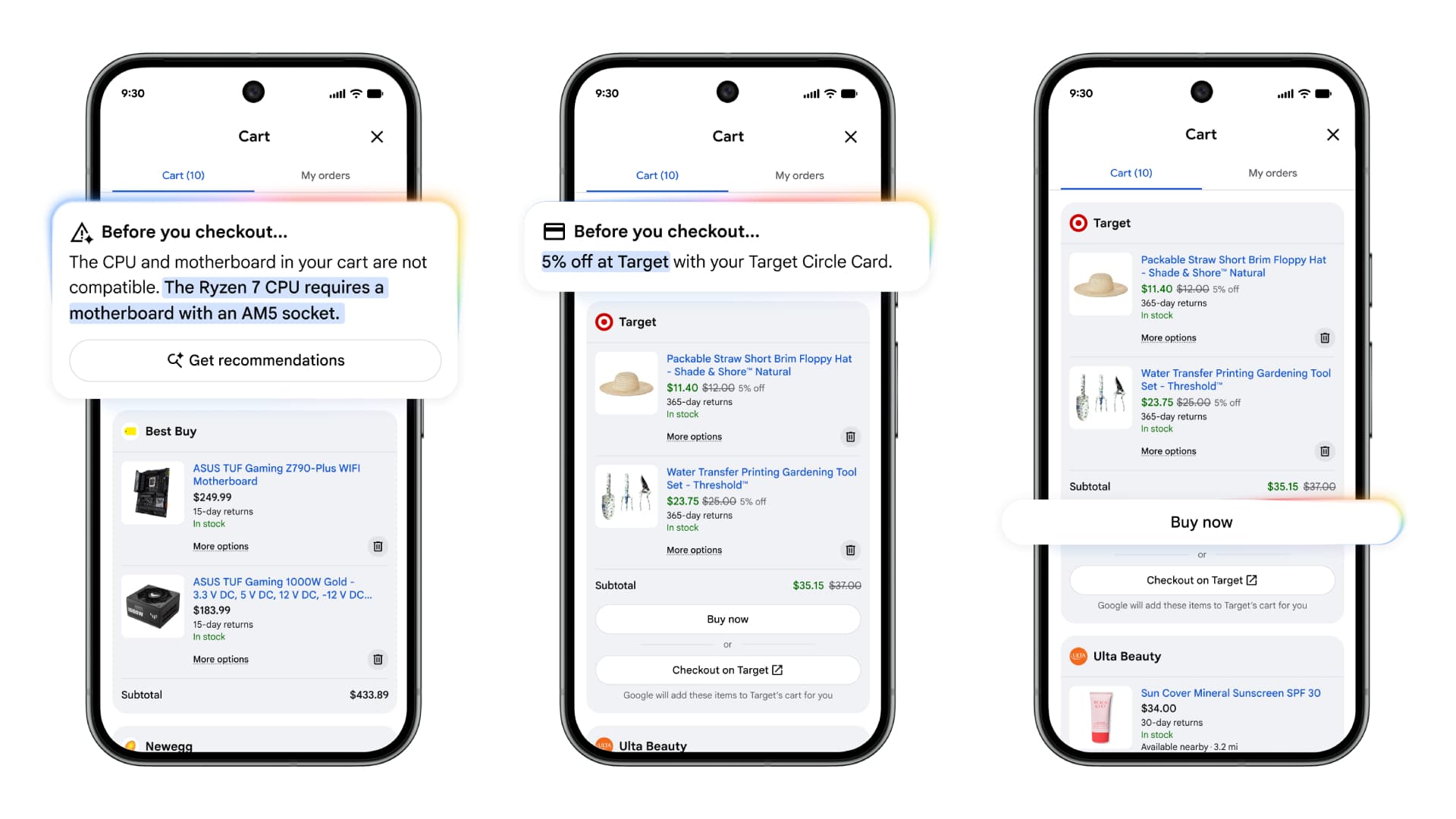
Consider the complexity of building a high-end gaming PC. A user might select a processor, a motherboard, a power supply, and a GPU from four different vendors. Historically, the user would have to cross-reference technical manuals and compatibility charts to ensure all parts function together.
With Universal Cart, Gemini analyzes the entire list of components in real-time. If the AI detects a bottleneck or an incompatibility—such as a processor that doesn’t fit the motherboard’s socket—it flags the issue immediately. Furthermore, it suggests compatible alternatives, potentially saving the user hundreds of dollars and the headache of a return process. This "preventative shopping" model represents a paradigm shift from a transaction-based economy to a decision-support economy.
Financial Intelligence and Wallet Optimization
Beyond product compatibility, the Universal Cart acts as a steward for the user’s financial health. Many modern consumers carry multiple credit cards, each offering specific cash-back rewards, travel perks, or rotating quarterly bonuses that are difficult to track manually.
Google’s new interface allows users to link their payment methods securely. When checking out, the Universal Cart proactively identifies which card offers the best benefit for that specific purchase. If a user is buying electronics, the system might suggest a card that provides extended warranty protection or specific point multipliers for that retail category. This removes the friction of "wallet management" and ensures that the user is maximizing the utility of their financial assets at every point of sale.
Official Responses and Strategic Rationale
In a pre-I/O briefing, Google representatives emphasized that the Universal Cart is designed to be an extension of the user’s own agency. "It is a truly intelligent shopping cart that works for you, not the retailer," one spokesperson noted.
The strategic goal is clear: Google wants to reclaim the consumer journey. As social media platforms and specialized marketplaces (like Amazon) capture more of the initial product search, Google has risked being relegated to a mere directory. By inserting itself directly into the "cart" phase of the transaction, Google ensures that it remains the central hub of the user’s digital life.
However, the company was also quick to address the underlying technology. Because the system is powered by the Gemini model, Google noted that "it keeps getting smarter as our models keep improving." This is a standard industry refrain, but it carries weight in the context of personalized shopping. The more a user shops, the more the AI learns about their preferences, sizing, aesthetic choices, and spending habits.
The Implications: Convenience vs. Privacy
While the benefits to the consumer are significant, the arrival of the Universal Cart raises critical questions regarding data privacy and the "black box" nature of AI training.
1. The Data Trade-Off
Google has confirmed that the Universal Cart relies on the user’s browsing history and purchase behavior to refine its suggestions. For users who value convenience, this is a welcome feature. For those concerned about surveillance capitalism, the idea of an AI agent monitoring every item added to a cart—across every website visited—is a daunting prospect. If users are not comfortable with their highly personal purchase data being fed into the Gemini training pipeline, they may be forced to opt out of the tool entirely, potentially missing out on the utility it offers.
2. The Impact on Retailers
The Universal Cart also fundamentally shifts the power dynamic between Google and independent retailers. If Google acts as the gatekeeper for the checkout process, it could potentially demand greater access to inventory data or even dictate terms of service to smaller merchants. Retailers that refuse to integrate with Google’s API may find themselves invisible to the growing demographic of users who rely exclusively on the Universal Cart to manage their purchases.
3. Market Monopolization
There is also the concern of "platform lock-in." If the Universal Cart becomes the standard way people shop, Google gains unprecedented insight into consumer trends. This information could be used to boost Google’s own retail initiatives or to favor advertisers who participate in the Google ecosystem. Regulators in the EU and the US are likely to scrutinize the project closely to ensure that it does not create an unfair playing field for competing e-commerce platforms.
Conclusion: A New Era of Digital Consumption
The introduction of the Universal Cart marks a definitive moment in the history of web commerce. We are moving away from the era of manual, tab-heavy browsing and toward an era of agentic, AI-facilitated purchasing. The potential for time-saving, error reduction, and financial optimization is immense, promising to make the often-frustrating process of online shopping significantly more efficient.
However, as with any major technological leap, the trade-offs are significant. The tension between the desire for an "intelligent" shopping experience and the need for data privacy will define the adoption of this tool in the coming years. Whether the Universal Cart becomes an indispensable utility or an intrusive oversight mechanism remains to be seen. What is certain, however, is that Google has once again changed the rules of the game, and the way we shop online will never be the same.

As the rollout progresses through the remainder of 2026, the tech world will be watching closely to see if consumers prioritize the sheer convenience of a "Universal" solution, or if they will balk at the prospect of an AI agent peering into their shopping bags. One thing is clear: the future of the shopping cart is no longer a physical object, but a sophisticated algorithm.











No comments yet. Be the first to join the conversation!