

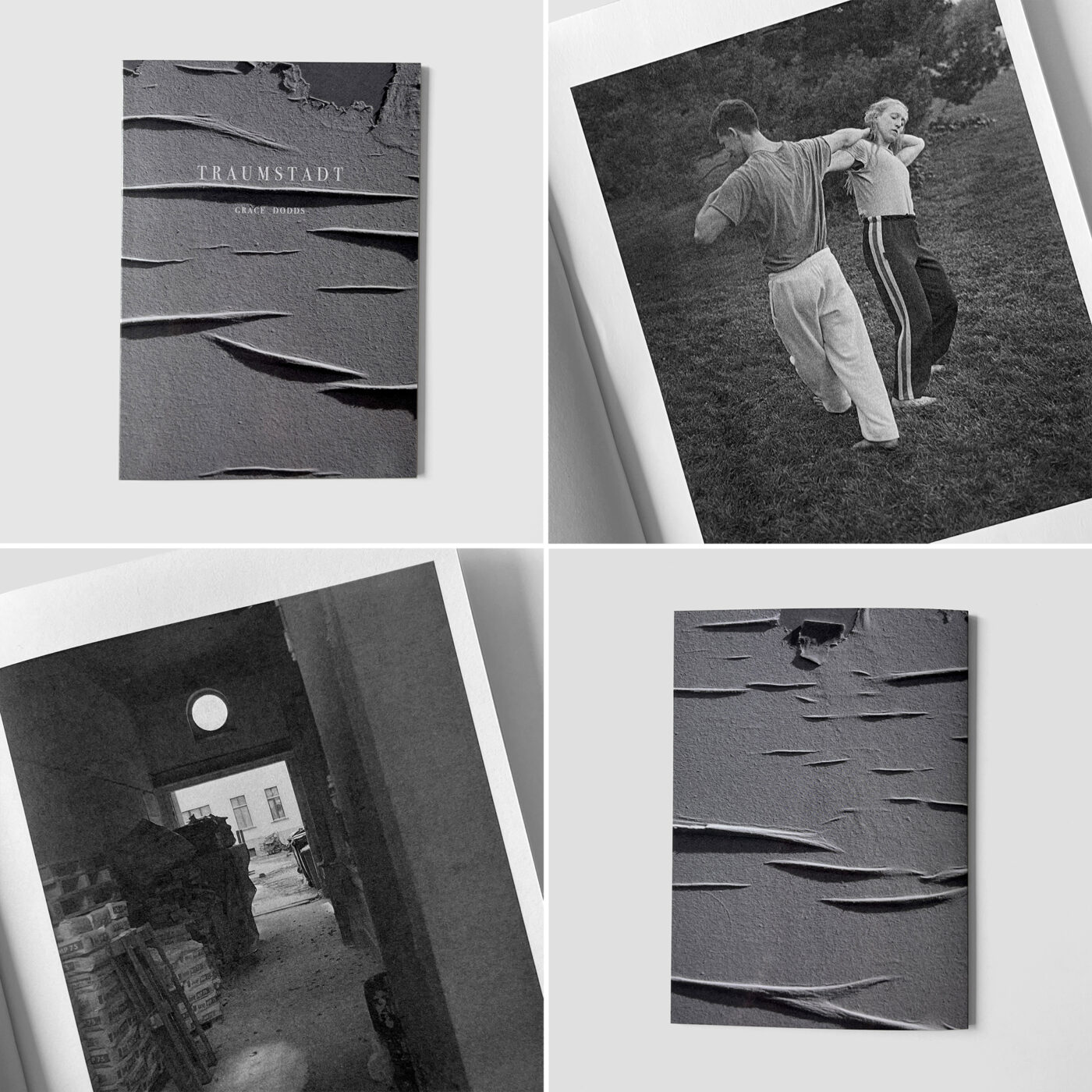
In the landscape of contemporary photography, the post-documentary tradition serves as a vital bridge between objective reality and the subjective experience of the observer. Among the new generation of voices shaping this dialogue is photographer Grace Dodds, whose latest project, Traumstadt, offers a poignant, tender, and unobtrusive exploration of Berlin’s street life. As a winner of the 2025 Art & Photo Book Award, Dodds’ work has been immortalized in a limited-edition zine produced in collaboration with Bookmobile, marking her as a significant talent to watch in the coming years.
The Genesis of a Dream City: Main Facts
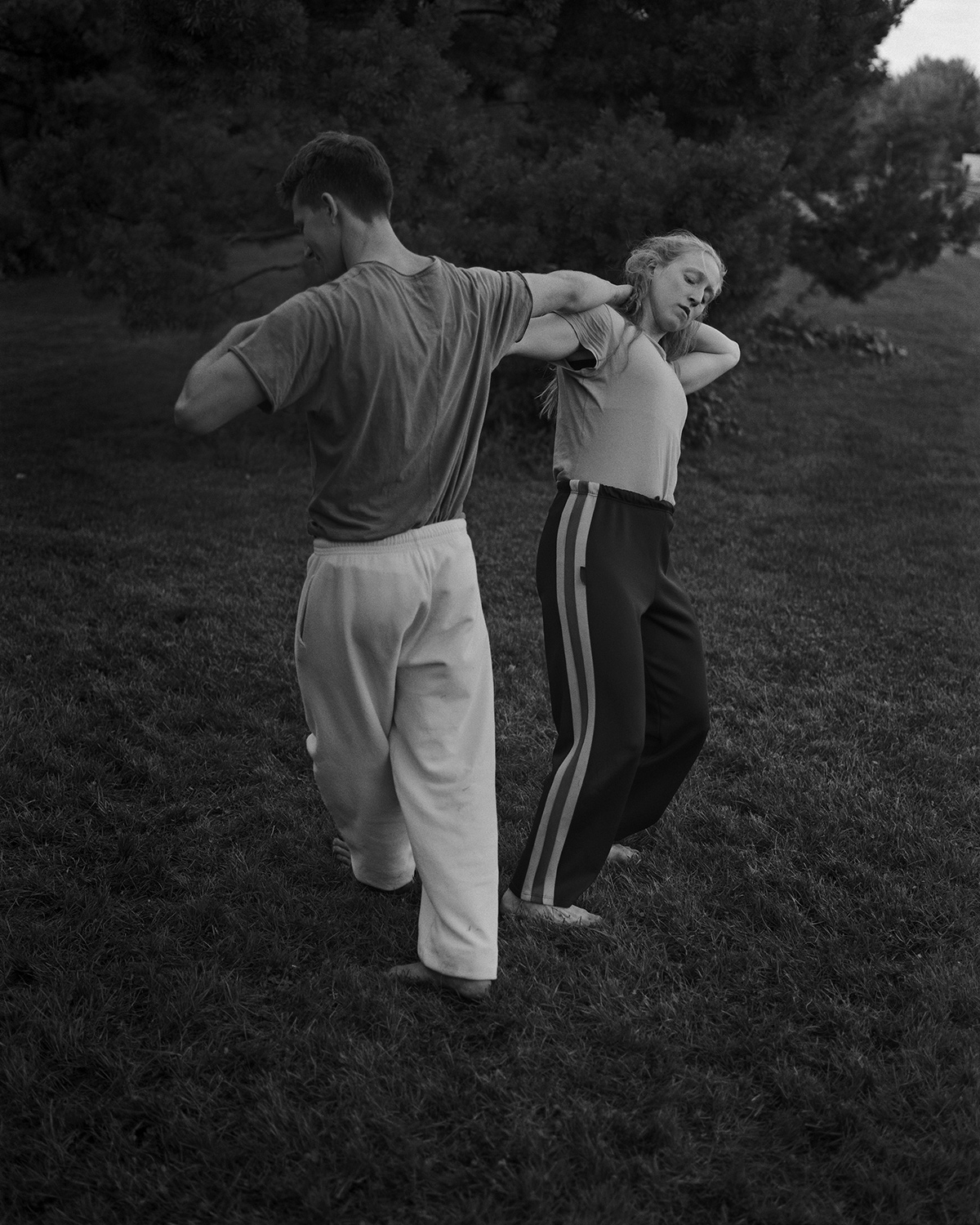
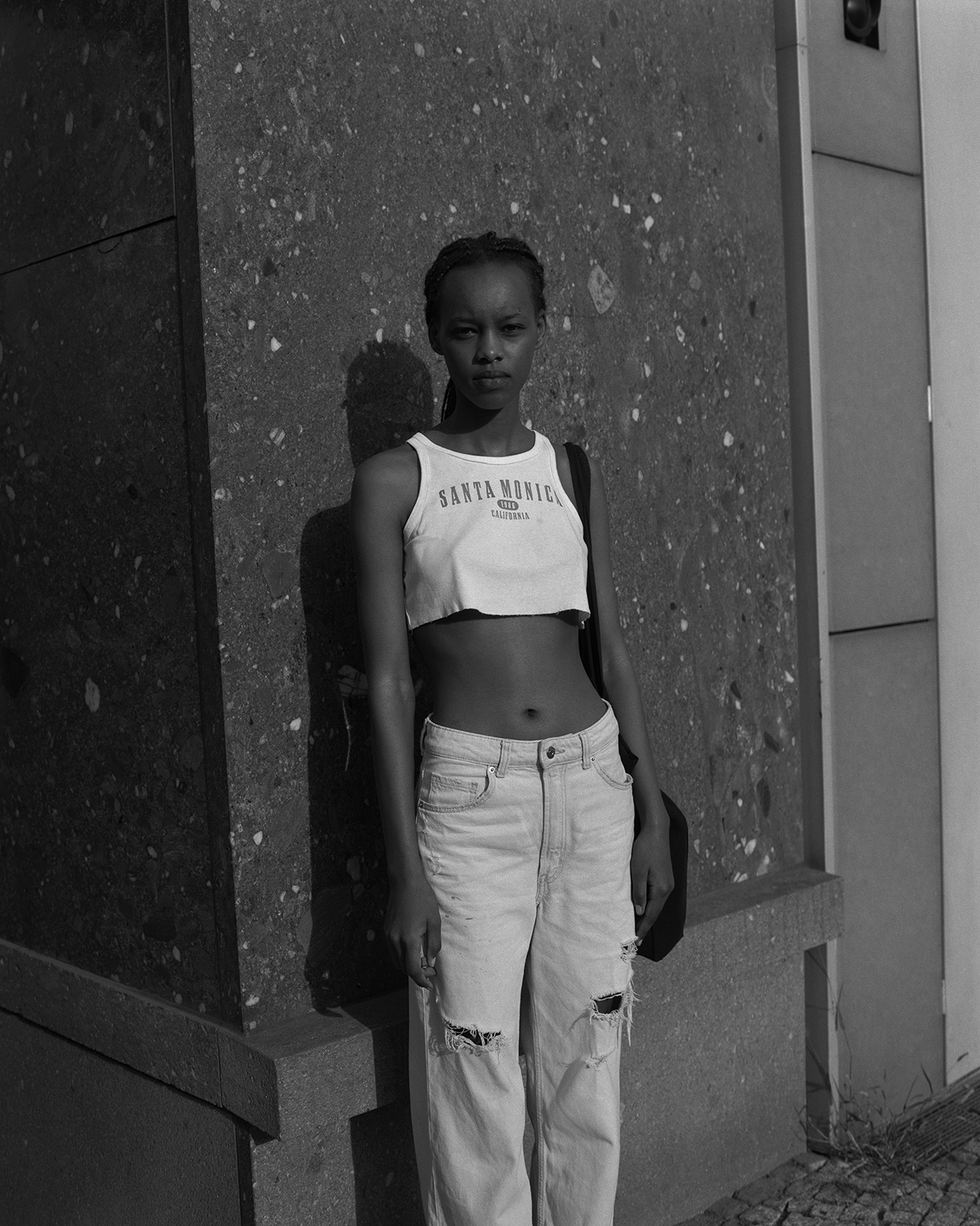
Traumstadt, which translates from German as "Dream City," is a collection of 28 black-and-white images that distill the atmosphere of Berlin into a rhythmic visual narrative. Unlike traditional street photography, which often seeks the "decisive moment" of high-octane human activity, Dodds employs a "meandering, gentle gaze." This approach emphasizes the subtle, often overlooked connections between the urban environment and the individuals who inhabit it.
The project is heavily influenced by the cinematic language of Wim Wenders, specifically his 1987 masterpiece Wings of Desire. Wenders’ film, which depicts angels watching over a divided Berlin, is known for its contemplative pacing and its ability to find the profound in the mundane. Dodds channels this same spirit, transforming the city from a static backdrop into a living, breathing entity that feels both historical and ephemeral.
A Chronology of Artistic Development
To understand the depth of Traumstadt, one must look at the path that led Dodds to the streets of Berlin. Her artistic identity was not formed in a vacuum, but through a series of formative, often unconventional experiences.
Formative Years and Athletic Discipline
Dodds cites her childhood as a pivotal starting point. Growing up immersed in nature provided her with a foundational appreciation for observation—a skill that would later become the backbone of her photographic practice. Perhaps most unexpectedly, her teenage years were defined by competitive ski jumping. This "wonderfully odd sport," as she describes it, taught her the value of focus, spatial awareness, and the courage to launch into the unknown.
The Educational Pivot
While Dodds credits many mentors with shaping her trajectory, her academic tenure under the guidance of Linda Rossi proved to be the true catalyst for her artistic voice. Rossi, known for pushing students toward conceptual rigor, helped Dodds transition from a casual observer to a photographer capable of weaving complex narratives. This training gave her the confidence to trust her instincts—a quality that defines the shooting process of Traumstadt.
The Berlin Residency
The decision to travel to Berlin was a direct response to the global stillness of the pandemic. Seeking a place where she could restart her creative engine, Dodds arrived in the German capital for a two-week period. She arrived with no preconceived notions, allowing the city to reveal itself through her lens. This lack of historical baggage allowed her to engage with Berlin not as a tourist, but as a newcomer engaged in a deep, albeit brief, encounter with a foreign environment.
Supporting Data: The Anatomy of a Project
The technical and philosophical framework of Traumstadt reveals a careful balance between spontaneity and structure.
The Methodology of the Lens
Dodds describes her process as a duality: she is fiercely instinctual when the camera is in her hand, but deeply intentional when she sits down to edit. This "shooting from the gut" allows her to capture the fleeting light and the subtle gestures of passersby, while the editing process—the arrangement of the 28 images—creates the emotional arc of the book.
External Influences and Bibliographic Inspiration
The intellectual rigor of Traumstadt is further evidenced by Dodds’ reading list and auditory environment. She draws inspiration from the photobooks of Takashi Homma, particularly Portrait of J, and the works of Odette England. These artists, known for their exploration of memory and place, mirror Dodds’ own interests. Furthermore, the sonic backdrop of the musician Greg Mendez serves as a constant companion, influencing the rhythmic quality of her work.
The Wings of Desire Connection
The link to Wim Wenders is more than aesthetic; it is anecdotal. During her time in Berlin, a local photographer introduced her to the film. The story of an elderly man searching for a train station from his youth—a location he finds by referencing an August Sander photobook—resonated deeply with Dodds. Through a stroke of serendipity, she discovered that her own hostel was situated only blocks away from that very station. Her inclusion of an image of that station in Traumstadt serves as a bridge between cinematic history and her own lived experience.
Official Responses and Creative Philosophy
In a recent interview, Dodds reflected on the nature of her practice and the advice that keeps her moving forward. When asked about her creative philosophy, she invoked a mantra attributed to Walt Whitman: "Make the work."
"I like this as a gentle reminder to not overthink and get out there and do it," Dodds explains. This pragmatic approach has served her well, particularly in navigating the transition from a collection of images to a published volume.
Regarding her goals, she remains focused on the long term. Having already achieved success with the 2025 Art & Photo Book Award, she is now turning her attention to projects closer to home, as well as a long-held ambition to travel to Japan. Her goal is to bring the same level of curiosity and "meandering gaze" to the landscapes and cultures of Japan as she did to the streets of Berlin.
Implications for the Future of Photography
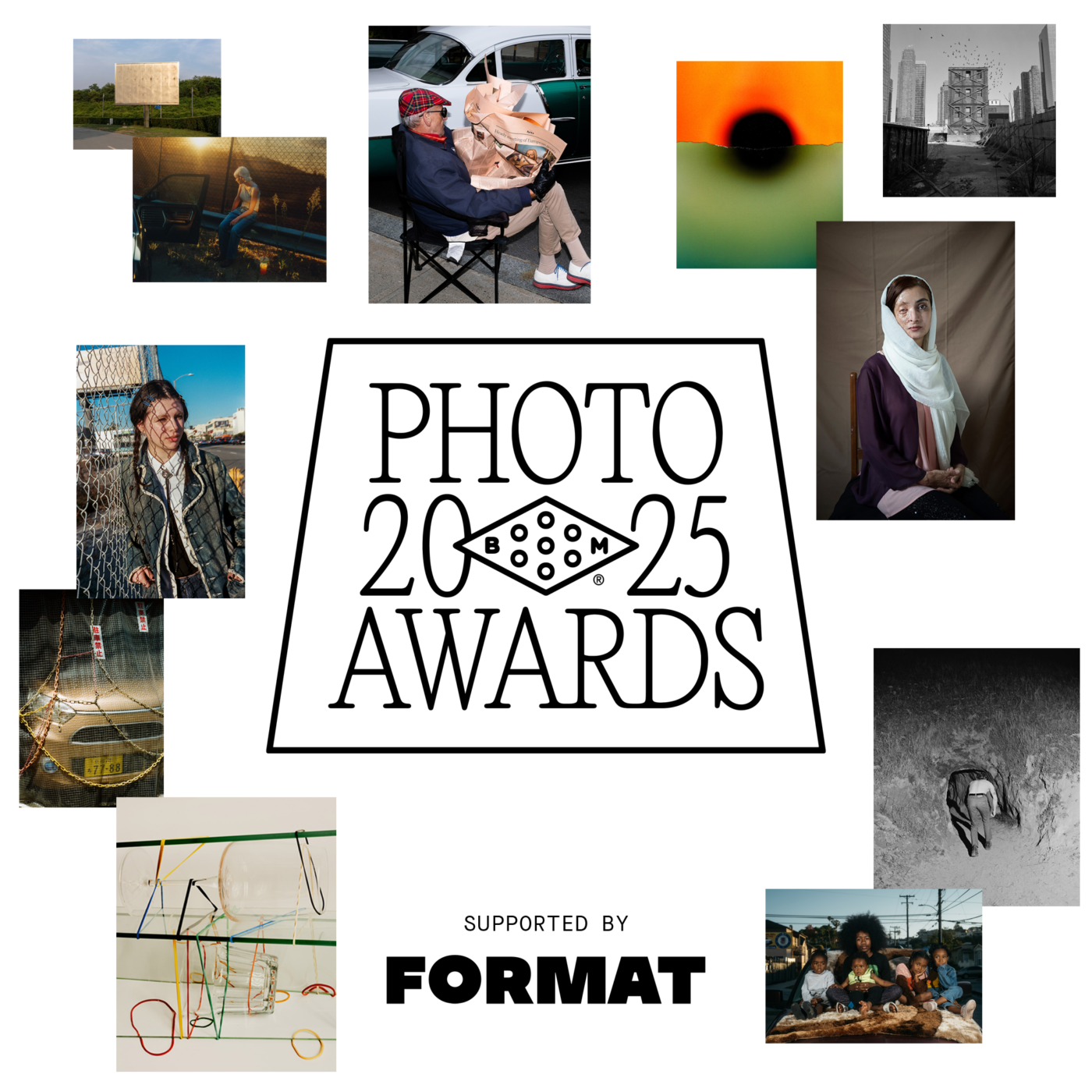
The success of Traumstadt underscores a shift in the photography market: a growing appreciation for the "zine" format and the "post-documentary" approach. By partnering with Bookmobile, Booooooom has provided a platform that values artistic integrity over commercial spectacle.
The Value of the Zine
For emerging photographers, the zine represents an accessible, tactile, and highly personal way to distribute work. Traumstadt serves as a model for how a small-run publication can carry as much emotional weight as a large-scale coffee table book.
Encouraging the Next Wave
As the industry looks toward the 2026 Art & Photo Book Awards, the success of artists like Dodds acts as a clarion call for others to submit their work. The implication is clear: the industry is hungry for projects that are defined by a specific, authentic, and perhaps even humble perspective. The ability to find the "dream city" in the reality of the street is a skill that is increasingly valued in an era of digital saturation.
Conclusion: The Persistence of Curiosity
Ultimately, Traumstadt is a testament to the power of curiosity. As Dodds herself noted, her greatest hope is that the curiosity she felt while walking through Berlin transmits to the viewer. If the viewer feels a sense of connection, a moment of pause, or an invitation to look closer at their own environment, then the project has achieved its purpose.
As Grace Dodds continues to develop her practice, the lessons from her time in Berlin remain relevant. Whether she is in the woods near her home or navigating the bustling intersections of a distant metropolis, her work reminds us that photography is not just about recording what is in front of us; it is about documenting the way the world makes us feel.
For those inspired by Traumstadt, the message is simple: find your city, sharpen your gaze, and, as Walt Whitman would say, "Make the work."
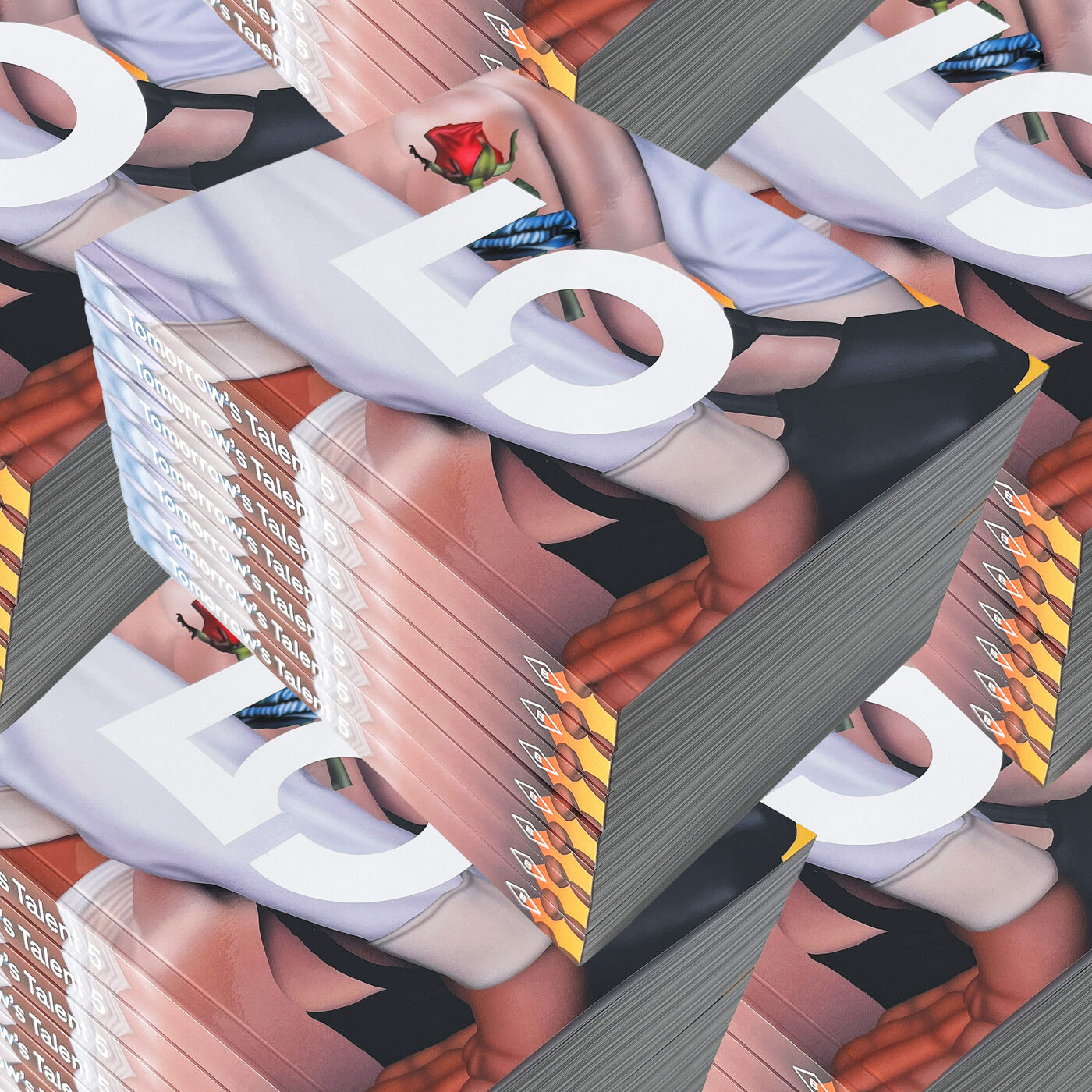
For more information on the Booooooom Art & Photo Book Awards, or to view the full list of winners from the 2025 cycle, please visit the official Booooooom website. Applications for the 2026 awards are now open, inviting a new cohort of photographers to share their unique visions with the world.











No comments yet. Be the first to join the conversation!