Ali Ikhwan
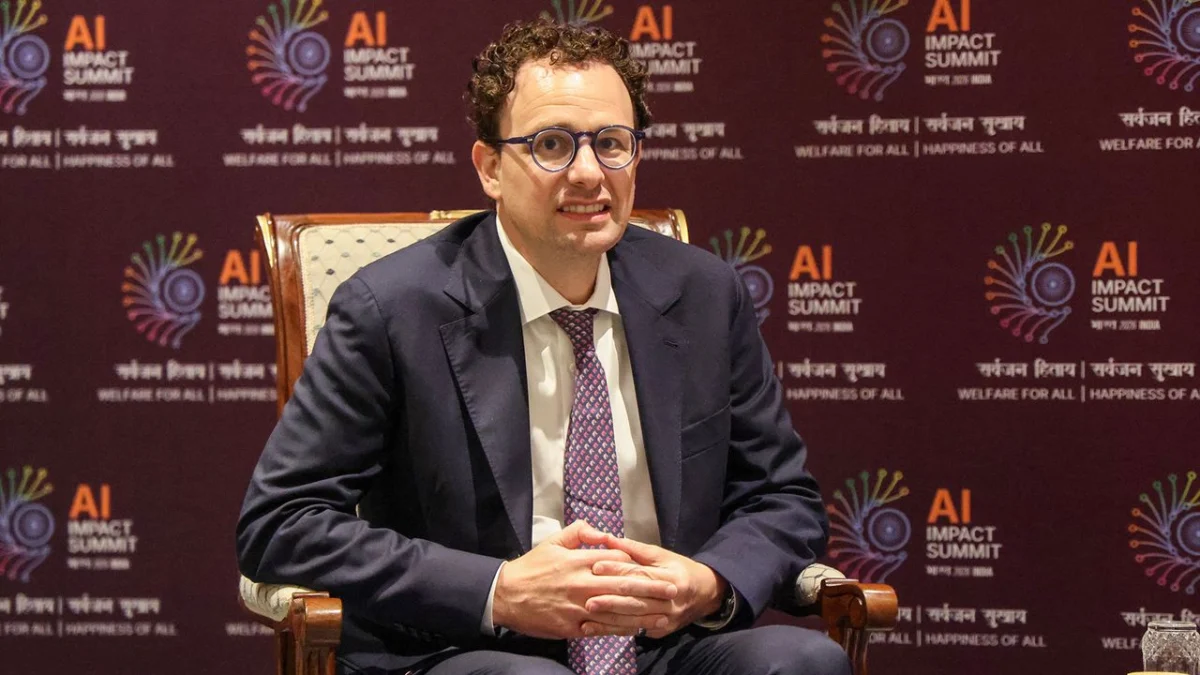
In an era where the gaming industry faces unprecedented challenges regarding development costs, hardware pricing, and studio sustainability, the conversation surrounding monetization has shifted from standard retail models to more experimental, service-based structures. Recently, comments made by Matthew Ball, the newly appointed Chief Strategy Officer at Xbox, ignited a firestorm of speculation regarding the potential implementation of advertisements within the Xbox ecosystem.
As the gaming community grows increasingly sensitive to aggressive monetization strategies, Ball’s remarks—initially interpreted by some as a push for in-game advertisements—have necessitated a broader dialogue on how major publishers intend to balance profitability with player experience.
Main Facts: The Context of the Controversy
The current discourse stems from an interview between Matthew Ball and The Game Business, where the conversation centered on the unsustainable trajectory of modern game development. With budgets for AAA titles ballooning into the hundreds of millions and the cost of hardware components creating pressure to raise console prices, Ball posited that the industry must find new ways to maintain affordability for the consumer while ensuring a return on investment for developers.
The specific "controversy" arose when Ball suggested that advertising models, similar to those successfully implemented by streaming giants like Netflix and Disney+, could serve as a potential pathway for Xbox. The core of his argument was that "ad-supported tiers" could allow for a lower entry barrier to premium services, effectively subsidizing the cost of gaming for a wider demographic.
However, following a swift reaction from the gaming community, Ball moved to clarify his position, explicitly stating that his comments were not a formal declaration of company policy, nor were they an endorsement of "in-game" advertising that disrupts the actual act of playing.

A Chronology of the Discourse
To understand how this debate evolved, one must look at the timeline of the conversation:
- Early 2024: Xbox, like many of its competitors, began facing significant internal pressures, including large-scale layoffs and a mandate to demonstrate long-term profitability to Microsoft leadership.
- The Appointment of Matthew Ball: Ball, a well-known industry analyst and strategist, was brought on board to help navigate the complex financial future of the Xbox brand.
- The Interview with The Game Business: During this discussion, Ball outlined the economic realities of the industry, highlighting the need for "affordable alternatives" to prevent pricing out the average consumer.
- Public Backlash: Following the publication of the interview, social media and gaming forums expressed concern that "ad-supported gaming" would lead to intrusive, immersion-breaking commercials mid-gameplay.
- The Clarification: Recognizing the potential for misinterpretation, Ball issued a public clarification, distinguishing between platform-level subscription models and the "interruption" of gameplay.
Supporting Data: The Economics of Modern Development
The pressure on Xbox to explore new revenue streams is not born of greed, but of a precarious economic reality. The "AAA" development cycle has become notoriously inefficient and expensive.
Rising Development Costs
According to industry reports, the cost of developing a flagship title has grown exponentially over the last decade. Increased demand for 4K assets, complex physics engines, and expansive, photorealistic open worlds has pushed development budgets for top-tier games beyond the $200–$300 million mark. When factoring in marketing and post-launch support, a game must sell millions of copies just to break even, leaving little room for error.
Hardware Limitations
The console market operates on a razor-thin margin. Manufacturers often sell hardware at a loss (or at cost) to build an install base, intending to recoup those losses through software sales and subscription services. As semiconductor and component costs fluctuate, the ability to keep console hardware affordable for the average consumer while maintaining high-end performance becomes increasingly difficult.
The Streaming Comparison
Ball’s reference to Netflix and Disney+ is rooted in the success of the "freemium" or "ad-tier" model. In the streaming world, users are presented with a choice: pay a premium for an ad-free experience or accept a lower monthly fee in exchange for limited, non-intrusive advertisements. By applying this logic to services like Xbox Game Pass, the company hopes to capture a demographic that is currently priced out of the $70-per-game or high-tier-subscription market.

Official Responses and Strategic Vision
Matthew Ball’s clarification serves as the current bedrock of the company’s stance. In his follow-up, he emphasized the distinction between "platform-level" support and "in-game" interruption.
"At no point do I even mention in-game ads," Ball stated. "I personally believe interrupting the gameplay experience would be bad."
His vision suggests that if advertising were to be integrated, it would likely occur in the "onboarding" phase—the home screen, the dashboard, or during initial application launches—rather than during active gameplay. The primary goal, according to Ball, is to ensure that development teams continue to receive the funding necessary to produce "outstanding work" without placing the entire financial burden on the end-user.
By diversifying revenue streams, Xbox believes it can maintain its commitment to "properties and franchises" without resorting to drastic price hikes that might alienate their core audience.
The Implications for the Future of Gaming
The broader implications of this situation reflect a pivotal moment for the industry. If the "ad-supported tier" becomes the new industry standard, several shifts in the gaming landscape are likely to follow.
1. The Death of the "Pure" Experience?
For many purists, the console has long been a sanctuary—a piece of hardware free from the pop-up ads and tracking prevalent in mobile gaming and web browsing. If even a passive form of advertising is introduced, it could permanently alter the perception of the console as a "premium" device.
2. The Rise of Hybrid Monetization
We are likely entering an era of "hybrid monetization." This involves a mix of traditional retail sales, subscription services, and platform-level advertising. While this could lower the barrier to entry, it also raises concerns about data privacy and the degree to which user behavior will be tracked to serve "relevant" advertisements.
3. Sustainability vs. Quality
The ultimate question remains: can the industry sustain the current level of graphical fidelity and content volume without these changes? If developers are forced to choose between massive layoffs or the implementation of ads, it is a binary choice that few in the industry want to make. The industry’s ability to find a middle ground—where ads are truly unobtrusive and optional—will determine whether this strategy is a success or a PR disaster.
4. The Potential for "Onboarding" Innovation
If implemented thoughtfully, advertising could theoretically act as a bridge. For instance, allowing users to "earn" a month of a game subscription by watching a series of advertisements, or providing free access to older titles in exchange for ad-support, could democratize gaming for those in lower-income regions.
Conclusion
The debate ignited by Matthew Ball is a necessary, albeit uncomfortable, reflection of the state of the gaming industry. While the initial fear of "in-game" advertisements has been tempered by his clarifications, the fact remains that the current economic model of gaming is under immense strain.

Whether or not Xbox proceeds with an ad-supported tier will likely be a litmus test for the entire industry. As companies like Microsoft, Sony, and Nintendo look for ways to scale their businesses in a post-pandemic market, the balance between player satisfaction and corporate sustainability will continue to be the most critical challenge of the decade. For now, the player base remains vigilant, waiting to see if the promise of "affordable alternatives" will be delivered without compromising the integrity of the medium they love.


 Sagoh
Sagoh
 Ammar Sabilarrohman