
 Nila Kartika Wati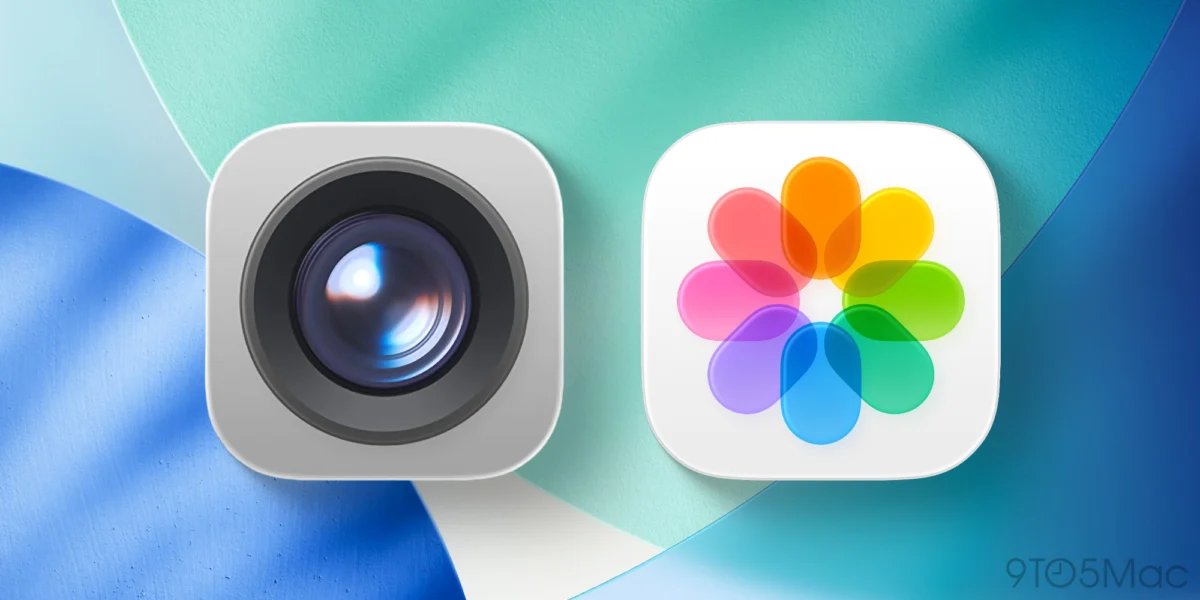
As the tech world turns its collective gaze toward the upcoming Worldwide Developers Conference (WWDC) 2026, the rumor mill surrounding iOS 27 has reached a fever pitch. While much of the preliminary discourse has centered on the next iteration of "Apple Intelligence," advancements in Siri, and overall system performance, a significant—and perhaps more tactile—shift is brewing within Apple’s native imaging suite.
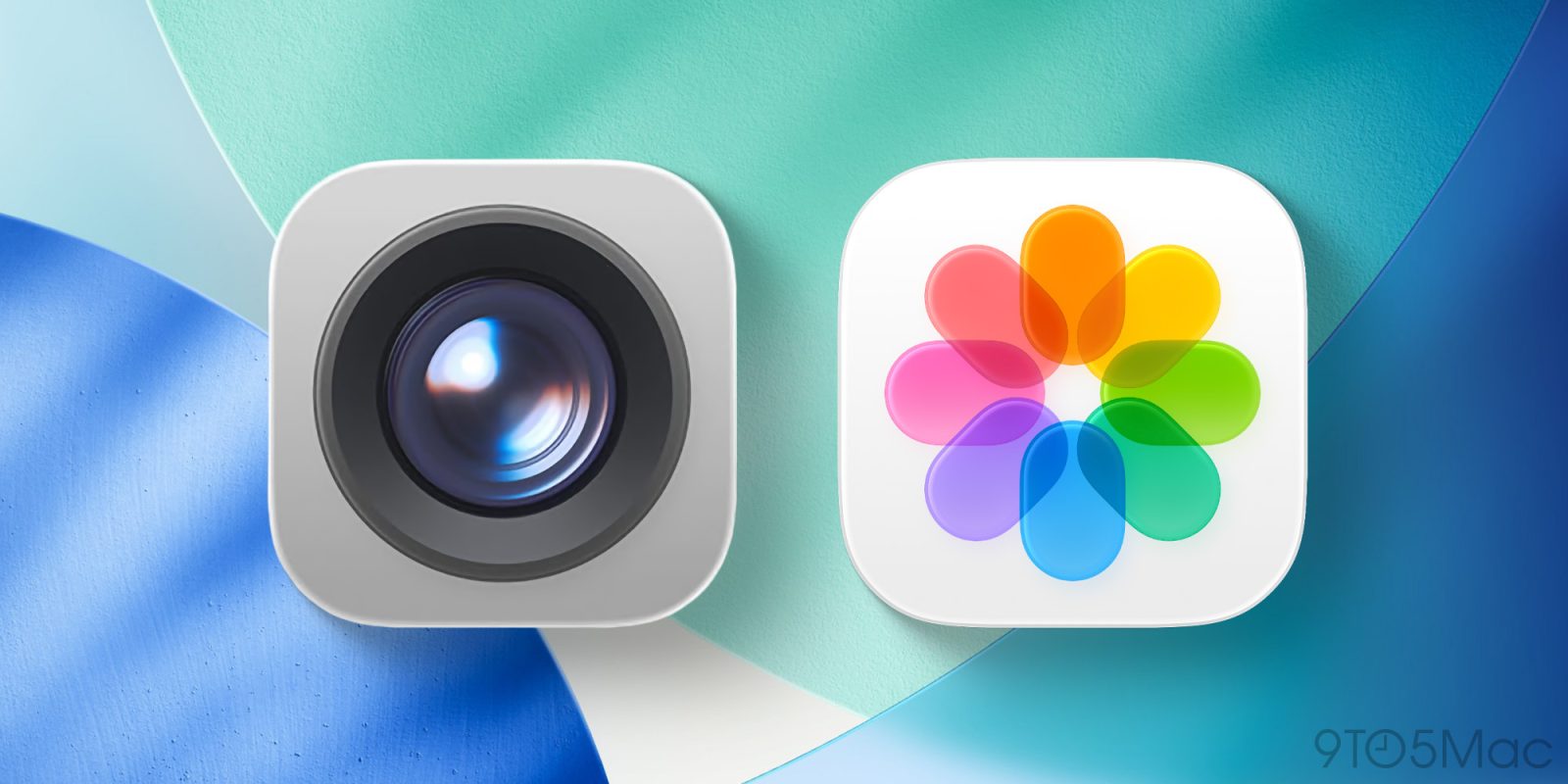
Following the substantial design overhaul introduced in iOS 26, Apple is reportedly poised to double down on the Camera and Photos apps. By blending high-level hardware control with sophisticated generative AI, Apple aims to bridge the gap between casual snapshots and professional-grade mobile cinematography.
Main Facts: A New Paradigm for Mobile Imaging
The central pillar of the reported iOS 27 updates is the democratization of professional controls. Historically, Apple has favored a minimalist, "point-and-shoot" philosophy for the iPhone camera. iOS 27 marks a strategic departure from this trend, prioritizing user agency and workflow efficiency.
The Customizable Camera UI
The most immediate change users will notice is the newfound flexibility of the Camera interface. Currently, the interface is largely static, with auxiliary settings hidden behind sub-menus. Reports from Bloomberg indicate that Apple will introduce a "fully customizable" layout. Users will be able to dictate which tools appear on their primary viewfinder, allowing for a personalized dashboard that places frequently used settings—such as exposure, resolution, and timer—exactly where the user wants them.

Visual Intelligence Integration
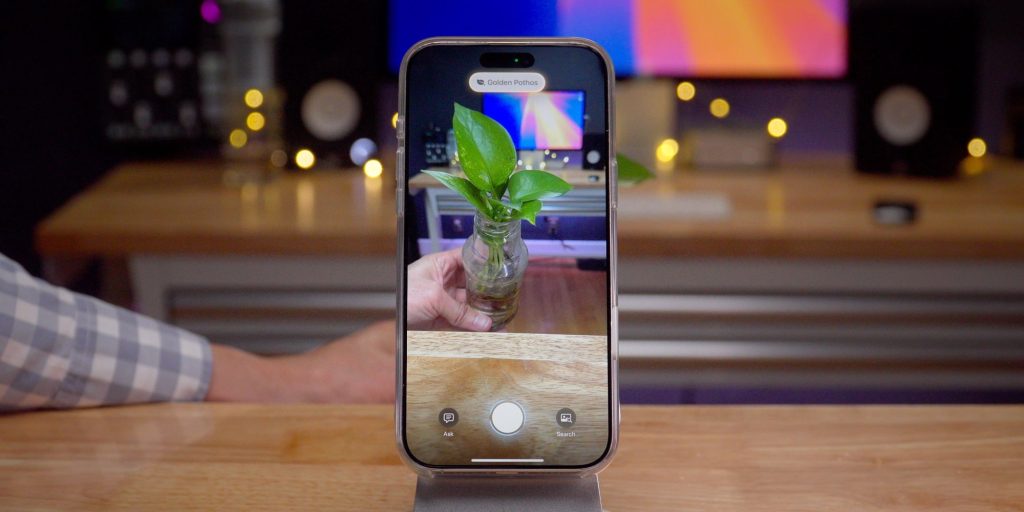
Apple is significantly expanding its "Visual Intelligence" suite. By embedding this technology directly into the Camera app via a new "Siri mode," Apple is making its AI-driven object and text recognition more accessible than ever. This is not merely a novelty; it is a functional integration designed to assist with daily productivity, such as scanning nutrition labels for health tracking or digitizing business cards into the Contacts app in real-time.
Chronology: The Evolution of Apple’s Imaging Strategy
To understand the weight of these upcoming changes, one must look at the trajectory of Apple’s software development over the past half-decade.
- 2024 (iOS 18): Apple introduces the "Clean Up" tool, marking its first major foray into generative AI for photo editing. This set the foundation for what would become a rapid expansion into computational photography.
- 2025 (iOS 26): The Camera app receives a major UI refresh, streamlining the layout and introducing smarter haptic feedback, setting the stage for the deeper customization features now rumored for 2026.
- Early 2026 (Pre-WWDC): Reports begin to surface regarding the "Siri mode" for the camera, signaling that Apple intends to move away from siloed AI features and toward a more cohesive, context-aware user experience.
- Mid-2026 (The Current Outlook): The industry awaits the official announcement at WWDC 2026. The focus has shifted from mere "image capture" to "image intelligence," where the camera acts as a gateway to the broader Apple ecosystem.
Supporting Data: The Technical Underpinnings
The shift toward a professional-centric interface is driven by a need to satisfy the growing demographic of "Pro" iPhone users who utilize the device for cinematic content creation, mobile journalism, and professional photography.
The "Pro" Workflow
The decision to relocate the control toggles to the right of the shutter button is a calculated ergonomic adjustment. By grouping the most critical manual controls within thumb’s reach, Apple is facilitating a one-handed operation style that mimics traditional DSLR camera handling. This change acknowledges that for many, the iPhone is no longer a secondary camera—it is the primary tool for production.
Generative AI Editing Tools
Beyond the viewfinder, the Photos app is slated to receive three powerhouse features, all leveraging generative AI models:
- Extend: A generative fill capability that allows users to expand the canvas of a photo, effectively "creating" new scenery based on existing context.
- Enhance: An automated refinement tool that optimizes color, dynamic range, and noise reduction beyond current computational photography standards.
- Reframe: A specialized tool designed for spatial photography, allowing users to adjust the perspective or depth-of-field of a 3D-captured image post-facto.
Official Responses and Industry Context
While Apple maintains its characteristic silence regarding unannounced products, the whispers from supply chain sources and software analysts like Mark Gurman provide a clear picture of the company’s internal challenges.
The implementation of "Extend" and "Reframe" has reportedly hit technical hurdles. Internal testing has indicated that these features do not yet meet Apple’s stringent quality benchmarks for reliability. As such, the company is managing expectations: there is a distinct possibility that these specific AI features may be held back for a post-launch update, such as iOS 27.1, or relegated to a later developer beta cycle. This approach highlights Apple’s "quality-first" culture, prioritizing a seamless user experience over the pressure to rush unpolished generative tools to market.
Implications: What This Means for Users
The implications of these updates are far-reaching, affecting both the casual user and the creative professional.
1. The Death of the "Standard" Interface
By allowing users to customize the UI, Apple is effectively ending the "one size fits all" era of the iPhone camera. While this will be a massive benefit to enthusiasts, it also introduces a learning curve. Apple will likely need to implement robust tutorials or "default" presets to ensure that less tech-savvy users aren’t overwhelmed by the depth of available options.
2. The iPhone as an AI Terminal
With the integration of Visual Intelligence into the Camera app, the iPhone is transitioning from a device that takes photos to a device that understands the physical world. This has massive implications for privacy and utility. If the iPhone can instantly parse a menu for allergens, identify a plant, or translate a foreign street sign, it cements the device as an indispensable daily assistant.
3. Closing the Gap with Professional Software
The inclusion of generative fill and advanced re-framing tools puts Apple in direct competition with professional desktop software like Adobe Photoshop and Lightroom. While mobile apps have long had basic filters, the jump to generative AI editing signifies that Apple is comfortable moving its user base away from third-party tools, consolidating the entire creative workflow within its own walled garden.
4. Hardware/Software Symbiosis
These software updates are likely tied to the next generation of iPhone hardware, which will undoubtedly feature improved Neural Engines to process these AI tasks locally. The synergy between the new camera sensors and the intelligence of iOS 27 will likely define the flagship experience for the next fiscal year.

Conclusion: A New Chapter for Apple Imaging
As we approach the unveiling of iOS 27, the narrative is clear: Apple is moving toward a future where the camera is a collaborative partner rather than a passive recording tool. By focusing on customization, professional-grade editing, and context-aware visual intelligence, Apple is aiming to redefine what a mobile device is capable of.
Whether these features arrive in full force at WWDC or through a phased rollout, one thing is certain: the iPhone is becoming a much more powerful, and significantly more complex, instrument for capturing and interpreting reality. Users who have long clamored for more manual control and those who are eager to harness the power of generative AI are set to be the primary beneficiaries of this ambitious new direction. As we wait for the official word from Cupertino, the promise of a more intelligent, more personal, and more professional camera experience remains one of the most compelling reasons to look forward to the next iteration of iOS.


 Raul Delapena Setiawan
 Neng Nana




