

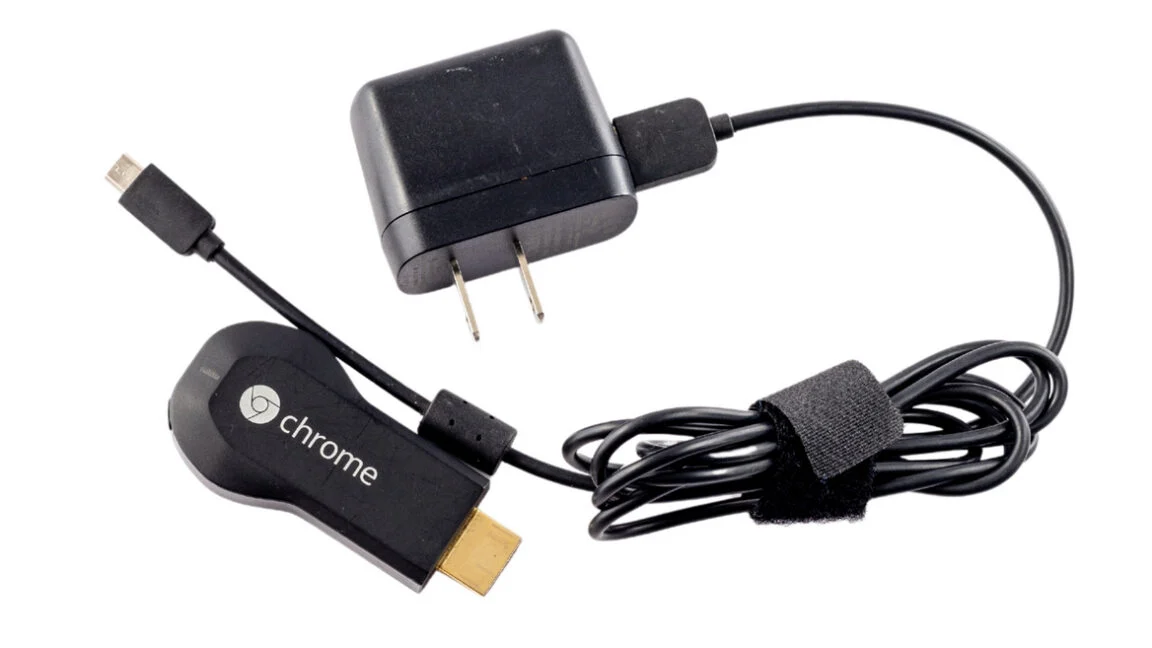
For over a decade, the original Google Chromecast has stood as a testament to the power of simplicity. Released in 2013, the unassuming, thumb-drive-sized dongle fundamentally changed how consumers interacted with their televisions. By bypassing the clunky, proprietary interfaces of the era’s "smart" TVs, the Chromecast transformed any HDMI-enabled screen into a conduit for the internet. It was an elegant solution: press a button, select your device, and watch.
However, this week, the tech community held its collective breath as reports surfaced that the legendary first-generation hardware might have finally met its expiration date. As thousands of users found themselves staring at unresponsive screens, questions regarding planned obsolescence, digital longevity, and the fragility of cloud-dependent hardware took center stage.
A Legacy of Simplicity: The Rise of the Dongle
When Google first launched the Chromecast, the streaming landscape was fragmented and cumbersome. Smart TVs were often slow, expensive, and plagued by interfaces that aged poorly within months. The Chromecast cut through this noise with a $35 price tag and a "dumb" philosophy: the device didn’t need an on-screen menu or a complex remote control. It relied entirely on the smartphone already in the user’s pocket.
By 2014, the device was a cultural phenomenon, selling over 10 million units. Its success lay in its invisible nature—it was a bridge, not a destination. For many, it remains a preferred piece of technology precisely because it avoids the bloated operating systems and aggressive advertising currently found on modern streaming sticks. Even after Google officially ended active support for the first-gen device in 2023, thousands of units remained in active duty, powering older bedroom TVs and secondary monitors.
The Week of Silence: A Chronology of the Outage
The panic began early this week when a wave of reports hit social media platforms, particularly Reddit and specialized tech forums. Users across the globe noted a simultaneous failure: their original Chromecasts could no longer communicate with popular applications like YouTube, Chrome, and Paramount+.
The synchronization of these failures fueled widespread speculation. Because the devices stopped functioning across multiple platforms at the exact same time, many users were convinced that this was not a hardware failure, but a deliberate "kill switch" triggered by Google.
- Monday: Reports begin to surface on Reddit regarding the loss of casting functionality on first-gen devices.
- Tuesday: The outage widens. Users report that while the devices still appear on their local network, the handshake required to initiate a stream from a mobile device or browser is failing.
- Wednesday: Speculation reaches a fever pitch. Tech analysts and long-term owners debate whether Google has finally pushed a firmware update designed to brick the devices to force a hardware refresh.
- Thursday: Google issues a formal statement confirming that the outage was the result of a temporary technical glitch rather than a targeted act of obsolescence.
The "Bricking" Conspiracy: Why We Trust (and Distrust) Big Tech
The intensity of the reaction this week highlights a growing tension between consumers and tech giants. In an era where hardware is inextricably linked to cloud services, users are acutely aware of how quickly a device can become a paperweight.
The suspicion that Google had intentionally "bricked" the devices was not unfounded in the eyes of many. In the past, companies have been accused of throttling performance or disabling features on older hardware to incentivize the purchase of newer models. For the first-gen Chromecast, which has already surpassed its expected support lifecycle, many users felt it was only a matter of time before the plug was pulled.
The Reddit thread that chronicled the failure served as a digital town square for users who felt disenfranchised by modern hardware cycles. Comments ranging from "planned obsolescence at its finest" to "I guess it’s time to switch to Roku" underscored a deep-seated anxiety about the lack of control consumers have over the hardware they ostensibly own.
Official Response: The "Technical Glitch" Defense
In response to the mounting concerns, Sahana Mysore, a senior product manager for Google Home, provided a statement to Ars Technica to quell the rumors.
"Earlier this week, a technical issue temporarily disrupted casting for some Gen 1 Google Chromecast users," Mysore stated. "Our team quickly identified the root cause and resolved the issue."
According to Google, the device is not dead. As of late Thursday, reports from the field suggest that connectivity has indeed been restored for the majority of users. While Google has yet to provide granular detail on what the "technical issue" actually entailed—whether it was a server-side handshake error or a misconfigured API update—the company’s rapid response indicates that they are still monitoring the legacy user base, even if that support is now strictly on a "best-effort" basis.
The Broader Landscape: Security and Support Lifecycle
While the first-gen Chromecast appears to have survived this particular crisis, the event has cast a spotlight on the precarious nature of Google’s broader hardware support strategy. A secondary point of alarm emerged this week following reports that Google is winding down support for nearly all legacy Chromecast models, with the notable exception of the 2022 Chromecast with Google TV (HD).
This has caused confusion among consumers who rely on the support documentation provided by Google. As of this writing, Google’s official support page continues to categorize older models—such as the Chromecast Ultra and the second/third-generation sticks—as "currently receiving critical security updates." This discrepancy between internal company reports and public-facing documentation has created a climate of uncertainty for those who have invested in the Google ecosystem.
Implications for the Future
The incident serves as a cautionary tale for the "Internet of Things" (IoT) era. As our homes become filled with devices that require constant communication with a manufacturer’s server, the line between a functioning product and a decorative brick becomes increasingly blurred.
- The Fragility of Cloud-Dependency: Because the Chromecast relies on a cloud-based handshake to function, the user experience is at the mercy of Google’s server-side updates. When the server goes down, the device becomes useless.
- The Transparency Gap: When devices fail, consumers deserve clear, prompt communication. The delay between the initial reports and Google’s clarification allowed misinformation and fear to flourish, damaging brand trust.
- The Lifecycle Expectation: There is a fundamental disconnect between how long manufacturers want products to last (usually 3–5 years) and how long consumers expect them to function (often 10+ years).
Looking Ahead: Is the Chromecast Truly Obsolete?
For now, the first-generation Chromecast continues to function, albeit in a state of semi-retirement. It remains a marvel of 2013 engineering, representing a time when tech was simpler and more direct. However, this week’s events serve as a stark reminder that the device is on borrowed time.
As streaming protocols evolve, the codecs become more complex, and security requirements tighten, the aging hardware will eventually face a wall it cannot climb. Whether that happens next month or next year, the "dongle that started it all" is reaching the natural end of its life.
For users, the takeaway is clear: while we can enjoy the longevity of these devices, we must be prepared for the reality of digital decay. The "technical glitch" of this week was a stay of execution, but it was also a warning. The era of the original Chromecast is not quite over, but the clock is undoubtedly ticking.
Ars Technica continues to monitor this situation. We have reached out to Google for further clarification regarding the specific nature of the technical glitch and for a formal timeline regarding the end-of-life status for subsequent Chromecast generations. We will update this report as new information becomes available.












No comments yet. Be the first to join the conversation!