

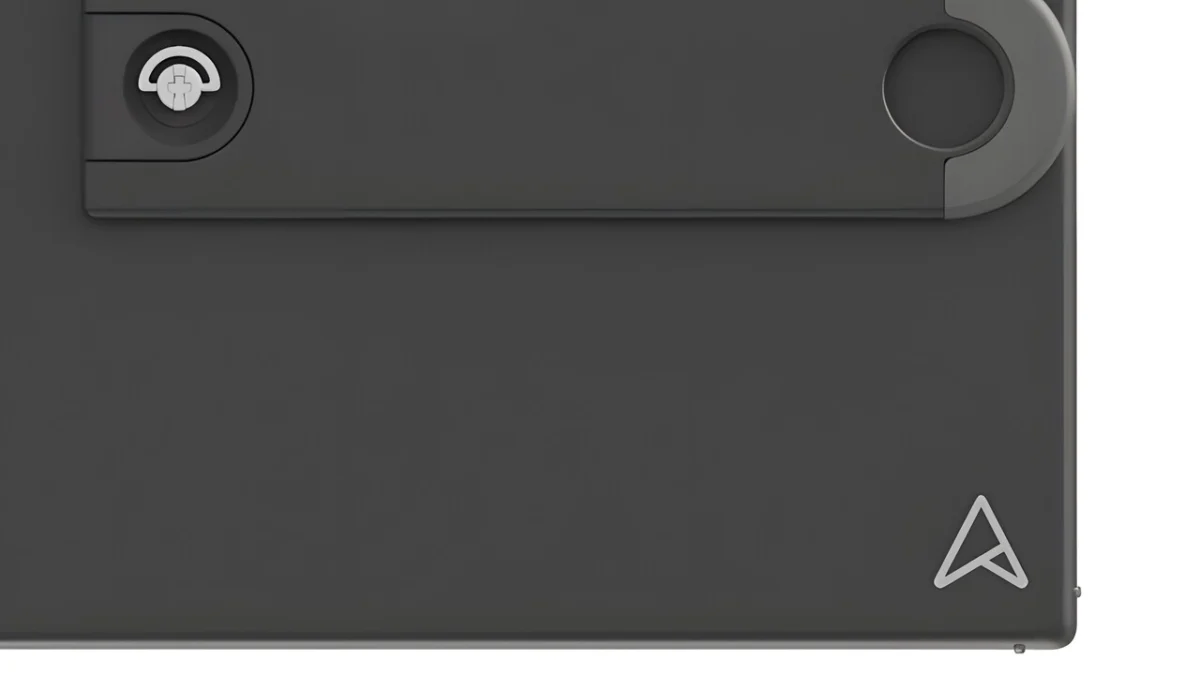
At the heart of the bustling Computex 2026 exhibition, Asus has once again asserted its dominance in the mobile workspace sector. The Taiwanese tech giant officially pulled the curtain back on its latest iteration of the ZenScreen series—the MQ14FCKV. This 14-inch OLED powerhouse is designed not merely as an accessory, but as a critical productivity tool for the modern digital nomad, balancing ultra-portability with the high-fidelity visual performance that creative professionals demand.
Main Facts: A New Benchmark for Portability
The ZenScreen MQ14FCKV is defined by its physical footprint, which challenges the existing standards for external displays. Measuring a mere 8mm in thickness and weighing in at under 500 grams, the device is engineered to disappear into a standard laptop sleeve, effectively making the "dual-monitor setup" a universal possibility for those on the move.
The core of this device is its 14-inch OLED panel, operating at a resolution of 1,920 x 1,200 pixels. By adopting a 16:10 aspect ratio, Asus has prioritized vertical screen real estate, which is particularly beneficial for document editing, coding, and web browsing—tasks that often feel cramped on standard 16:9 laptop screens. The OLED technology ensures deep, true blacks and infinite contrast ratios, while the manufacturer claims a blistering 1ms response time, making the screen surprisingly capable for media consumption and light gaming during downtime.
Chronology: The Evolution of the ZenScreen Line
To understand the significance of the MQ14FCKV, one must look back at the trajectory of the ZenScreen series. Since the inception of the product line, Asus has been on a mission to shrink the gap between desktop-grade displays and mobile convenience.
- Early Years: The original ZenScreens were primarily focused on IPS panels, which were reliable but lacked the vibrancy and power efficiency of modern OLED technology.
- May 2026: The release of the 16-inch ZenScreen MQ16FC marked a turning point. Priced aggressively at approximately €300, it proved that the market was hungry for high-end mobile OLEDs.
- Computex 2026: Asus introduces the MQ14FCKV, shifting the focus from "maximum size" to "maximum agility." The company identified that while 16 inches is great for a desk, 14 inches is the "goldilocks zone" for international travelers and café-based professionals.
Supporting Data: Technical Specifications and Performance Metrics
Beyond its slim profile, the technical specifications of the MQ14FCKV suggest a high level of refinement.
Color Accuracy and Display Fidelity
The display covers 90% of the DCI-P3 color gamut. While this does not reach the 100% threshold required for high-end color grading, it is more than sufficient for general creative work and professional presentation. Asus has implemented a specific "M Model P3" color profile, which is explicitly calibrated to match the color output of Apple’s MacBook displays. This cross-platform synergy is a strategic move to capture the massive user base of macOS professionals who have long struggled with color inconsistency when moving from a laptop screen to an external monitor.
Power and Connectivity
The "Power Passthrough" feature is arguably the most practical innovation in this model. When connected to a compatible power adapter, the monitor acts as a hub, channeling up to 85W of power to the host laptop via USB-C. This eliminates the need for a separate laptop charger, simplifying the "one-cable life" that many mobile professionals strive for.
Smart Software Integration
The inclusion of the Asus DisplayWidget Center for Windows 11 and macOS (v12+) adds a layer of intelligent automation. Notable features include:
- Auto-Rotation: Utilizing built-in sensors, the monitor detects its orientation and automatically adjusts the image, mirroring the fluid behavior of smartphones.
- Energy Management: The software provides granular control over brightness and standby modes, extending the battery life of the host device during long work sessions away from a wall outlet.
Official Responses and Strategic Positioning
During the Computex unveiling, Asus representatives emphasized that the ZenScreen MQ14FCKV is a response to the "hybrid-work paradox." While employees are increasingly mobile, they are simultaneously being asked to manage more complex, multi-window workflows that require more screen real estate than a standard 13-inch laptop provides.
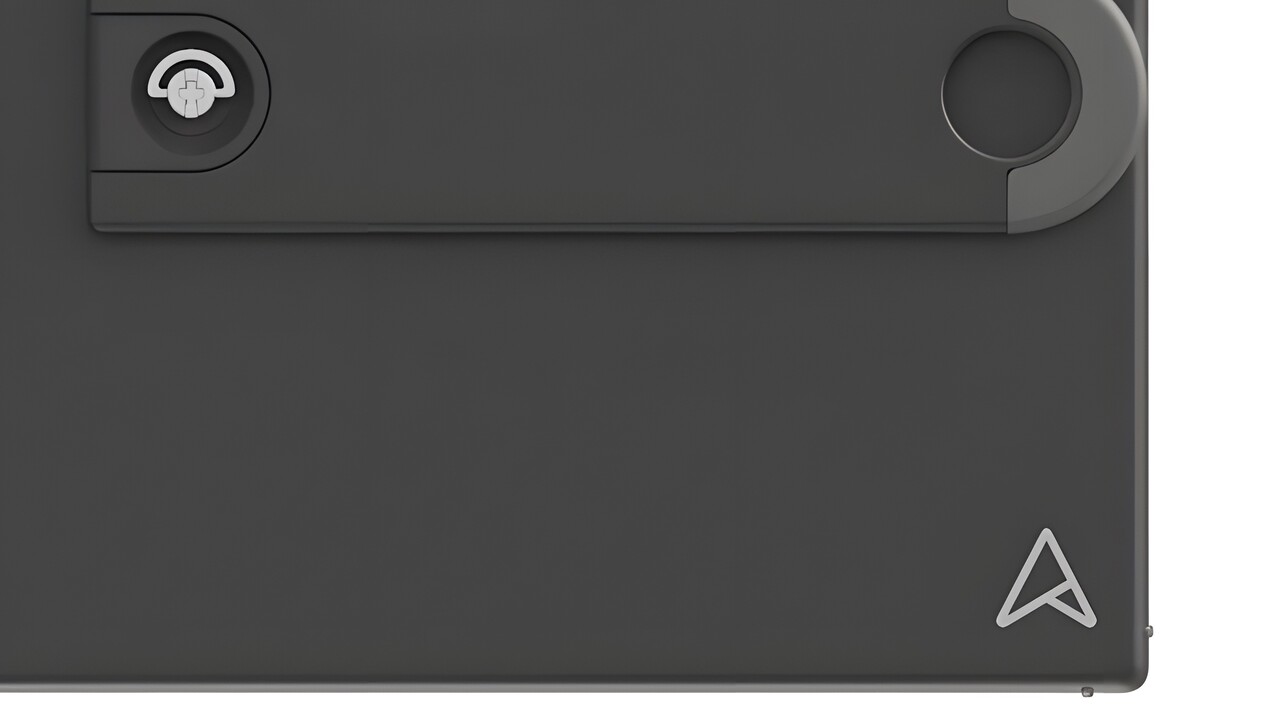
"The goal with the MQ14FCKV was to remove the ‘friction of deployment,’" noted an Asus spokesperson. "If a monitor is too heavy, too thick, or requires too many cables, it stays in the bag. We have designed a device that is so light and so integrated with your existing power and color workflow that you forget you’re using an external display."
While specific pricing and regional availability have not yet been finalized, industry analysts expect the monitor to be positioned slightly below the 16-inch model, likely falling into the €250–€300 range. This pricing strategy would place it in direct competition with generic "portable monitors" that lack the color calibration and OLED quality that Asus offers.
Implications: Changing the Landscape of Mobile Work
The introduction of this device carries several implications for the peripheral market:
1. The Death of the IPS Standard
With OLED panels becoming more affordable and accessible, the standard IPS portable monitor is facing an existential crisis. The superior contrast, thinner build potential, and power efficiency of OLED are becoming the new baseline for professional-grade gear.
2. The Standardization of "Hub" Monitors
By integrating 85W power delivery, Asus is setting a precedent. Future portable monitors will likely be judged not just on their picture quality, but on their ability to act as a functional dock for the host computer. This reduces the "dongle-heavy" setup that has plagued USB-C laptop users for years.
3. The "macOS-First" Marketing Shift
The explicit mention of "M Model P3" color matching indicates that manufacturers are increasingly prioritizing the Apple ecosystem. By marketing the ZenScreen as an extension of the MacBook experience rather than just a generic Windows peripheral, Asus is tapping into a demographic that values aesthetic and functional consistency above all else.
4. Portability as a Competitive Moat
In the post-pandemic world, where the office is increasingly fluid, the physical weight of a professional’s gear is a primary factor in purchasing decisions. At under 500 grams, the MQ14FCKV is effectively a "frictionless" addition to a backpack. Asus has recognized that for the modern professional, productivity is limited by what they are willing to carry; by lowering that barrier, they are capturing the segment of the market that prioritizes mobility above all else.
Conclusion
The Asus ZenScreen MQ14FCKV is a testament to the current state of display technology—moving away from the "bigger is better" philosophy and toward "smarter and leaner." While we await the official retail release and final pricing, the specifications revealed at Computex 2026 suggest that Asus has successfully created a device that is as much a fashion statement as it is a high-performance tool. For the digital creative, the coder, or the frequent flyer, this 14-inch OLED display promises to be one of the most significant upgrades to their mobile workflow in years.










No comments yet. Be the first to join the conversation!