

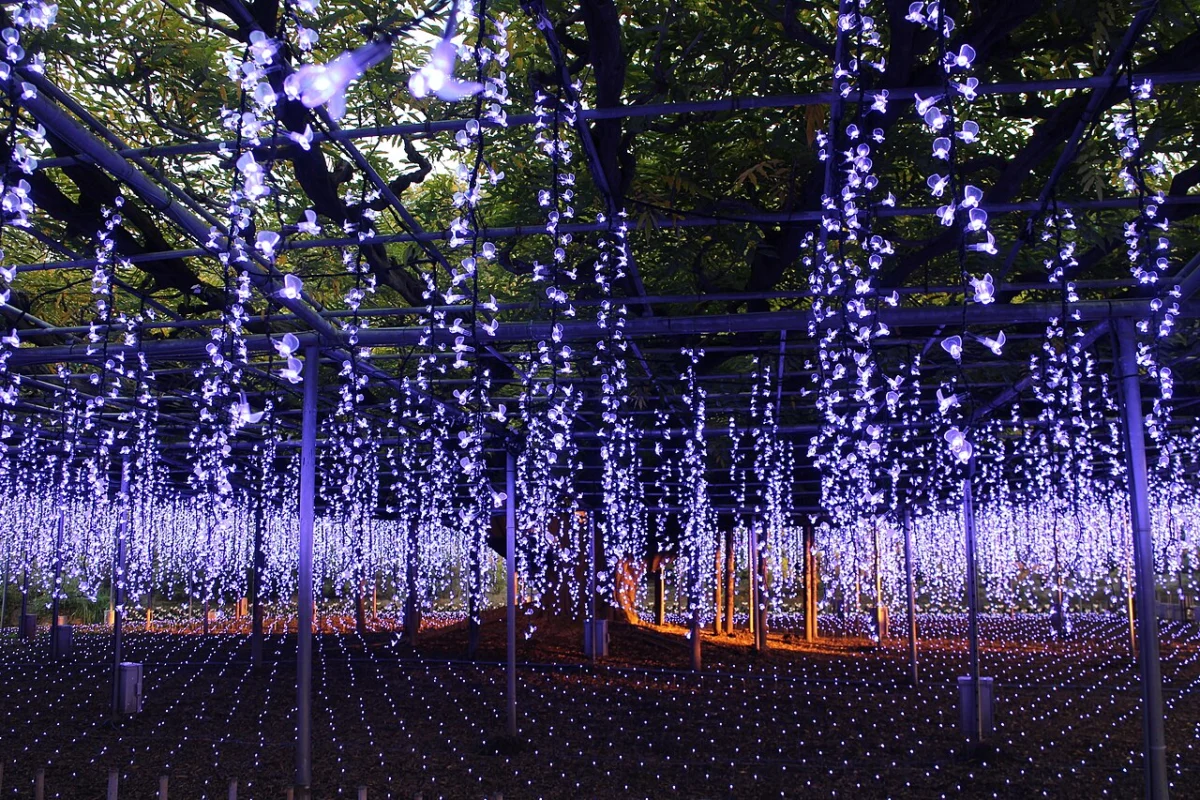
In the southern reaches of Tochigi Prefecture lies a waterway that defies the conventional expectations of a Japanese river. The Sakasagawa (逆川), or "backward-flowing river," derives its name from a simple yet curious hydrological quirk: its current runs north, stubbornly navigating against the southward flow of the massive Watarase River system into which it eventually merges.
Spanning a modest four kilometers from end to end, the Sakasagawa is not a destination of global renown. It lacks the towering pagodas of Kyoto or the neon-drenched districts of Tokyo. Yet, for the traveler seeking the quiet, unvarnished pulse of everyday Japanese life, this gentle suburban artery offers an experience that is increasingly rare in the age of over-tourism. It is a place of rhythmic, slow-paced discovery—a hidden gem tucked away in the residential and agricultural heart of Ashikaga.
Main Facts: The Anatomy of a Quiet Trail
The Sakasagawa walking course is an unpaved-to-semi-paved footpath that follows the northern bank of the stream. Starting from its upper reaches in the Ishibashi-cho district, about two kilometers north of Ashikaga Station, the path traces the waterway down to its confluence with the Watarase.
- Path Composition: The trail sits atop a municipal flood-control levee, providing an elevated vantage point two to three meters above the water line.
- Accessibility: The route is flat and requires no specialized hiking equipment, making it ideal for a leisurely afternoon stroll.
- Infrastructure: True to its nature as a local, non-commercial route, the Sakasagawa lacks standard tourist facilities. There are no cafes, vending machines, or public restrooms along the path itself. Visitors are advised to prepare by utilizing convenience stores near Ashikaga Station before embarking.
- Multi-use: The trail is a shared space. Approximately 60% of the route is accessible to cyclists, while the narrower sections remain strictly reserved for pedestrians, ensuring a peaceful environment for all.
Chronology of a Landscape: Seasonal Transitions
To walk the Sakasagawa is to witness the passage of time in the Japanese countryside. The character of the path shifts dramatically with the seasons, offering a different narrative depending on when one arrives.
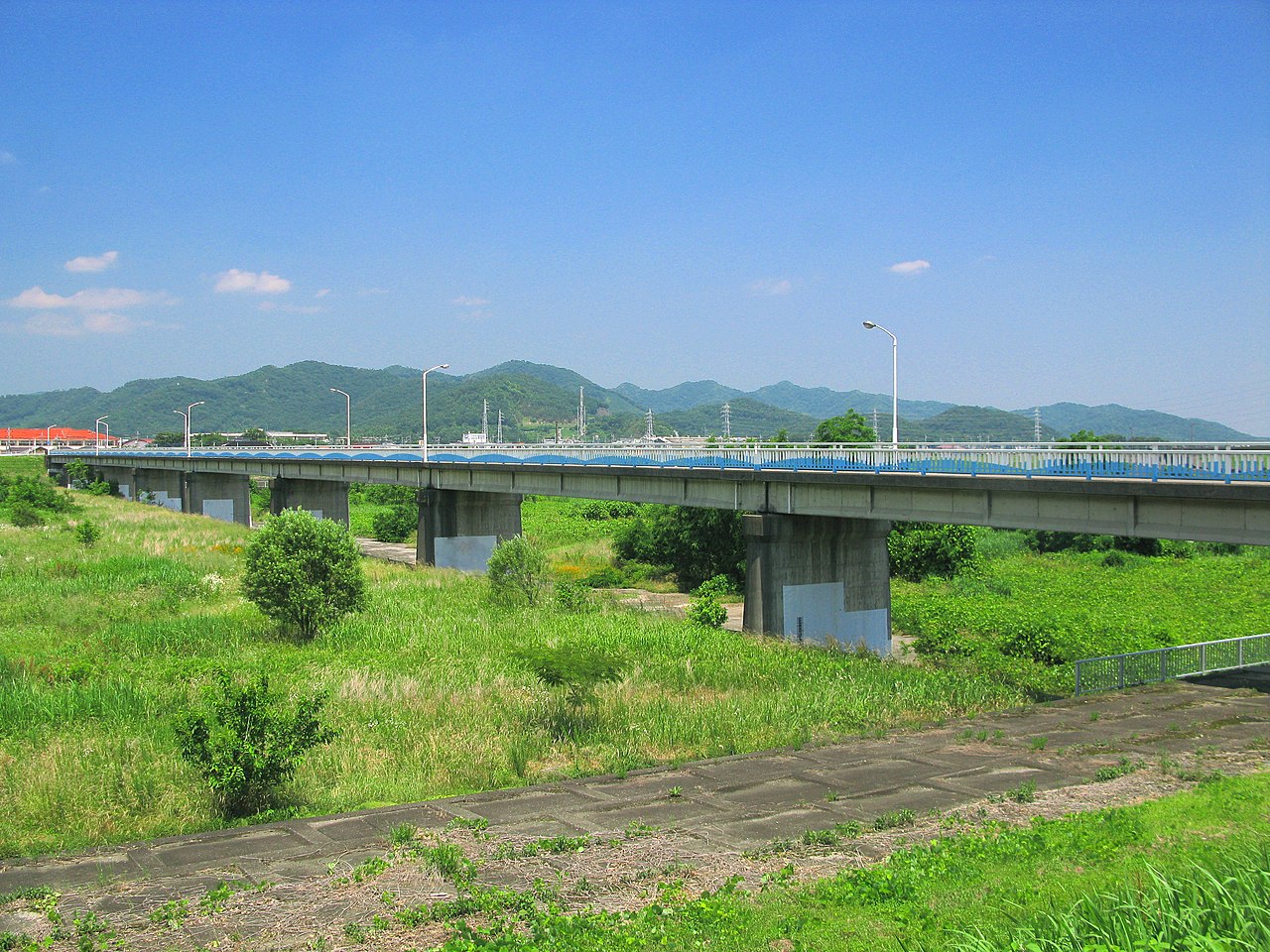
Spring: The Canopy of Blossoms
From late March to early April, the middle section of the levee is transformed by roughly 200 somei-yoshino cherry trees. Planted in the 1960s as a civic beautification initiative, these trees have matured into a thick, continuous canopy. During the peak bloom—typically between March 28 and April 8—the tunnel of pink and white petals creates a cathedral-like atmosphere. Unlike the crowded parks of central Tokyo, the Sakasagawa is frequented here almost exclusively by local families.
Summer: Lush Greenery and Bioluminescence
Summer brings a vibrant, verdant energy, though it requires caution. Temperatures in Ashikaga often climb above 35°C, and with limited shade along the exposed levee, mid-day heat poses a significant challenge. However, the reward for those who visit in mid-June is the sight of fireflies flickering in the upper reaches of the stream at twilight, a nostalgic reminder of rural Japan’s ecological health.
Autumn: The Golden Hues
As the heat dissipates in mid-October, the riverside vegetation shifts to the warm tones of zelkova and maple. This is the quietest season for the trail. On a weekday, it is entirely possible to walk the full length of the river without encountering another soul, save perhaps for a local farmer tending to a nearby vegetable patch.
Winter: The Stark Beauty
From December through February, the landscape is stripped bare. While the river does not freeze, the stillness is absolute. For the solo photographer or the meditative walker, this season offers a stark, minimalist aesthetic that is profoundly peaceful.
Supporting Data: The "Flower Walking Course" Context
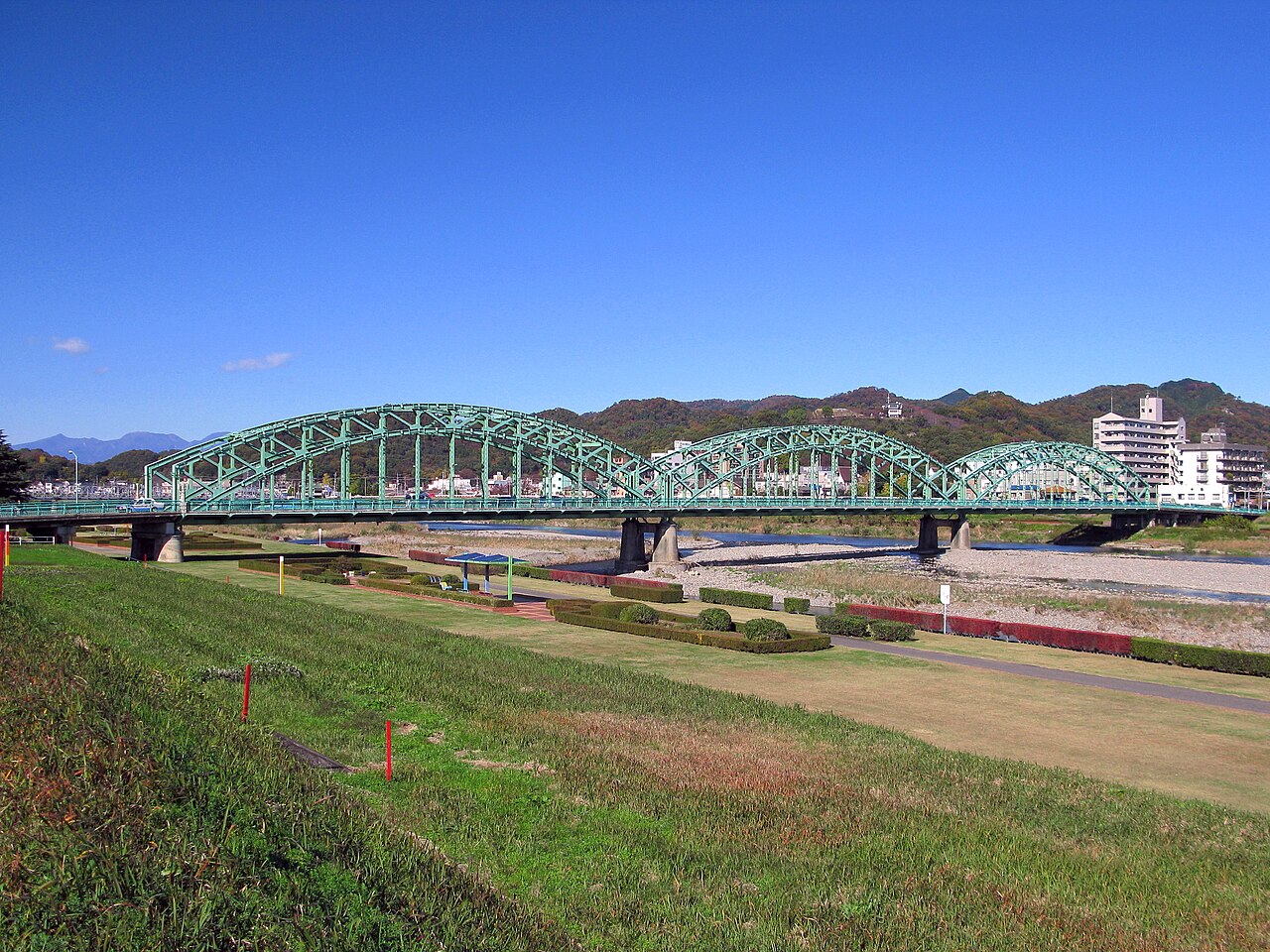
The Sakasagawa is a vital segment of Ashikaga’s broader "Hana no Walking Course" (Flower Walking Course), a municipal trail network designed to connect the city’s various green spaces, temples, and river corridors. The full 10-kilometer loop serves as a connective tissue for the northern part of the city.
The route is curated to showcase the seasonal variety of the region, passing through:
- Sakasagawa Banks: The primary residential and cherry-blossom corridor.
- Orihime Shrine: The elevated, historic landmark known for matchmaking.
- Banna-ji Temple: The spiritual anchor of the city, located in the central precinct.
- Ashikaga School: The oldest educational institution in Japan, providing a deep dive into the 9th-century intellectual history of the region.
While the full 10-kilometer loop is a delightful endeavor for a dedicated walker, most tourists find that dedicating 1.5 hours to the Sakasagawa section, followed by an exploration of the Banna-ji complex, constitutes a more balanced and fulfilling day trip.
Official Perspectives and Civic Planning
The Ashikaga municipal government views these trails not merely as recreational spots but as essential infrastructure for maintaining community well-being. According to the city’s public works department, the maintenance of the Sakasagawa levee is prioritized for flood prevention, with the walking path serving as a "dual-purpose" asset.
Tourism Integration
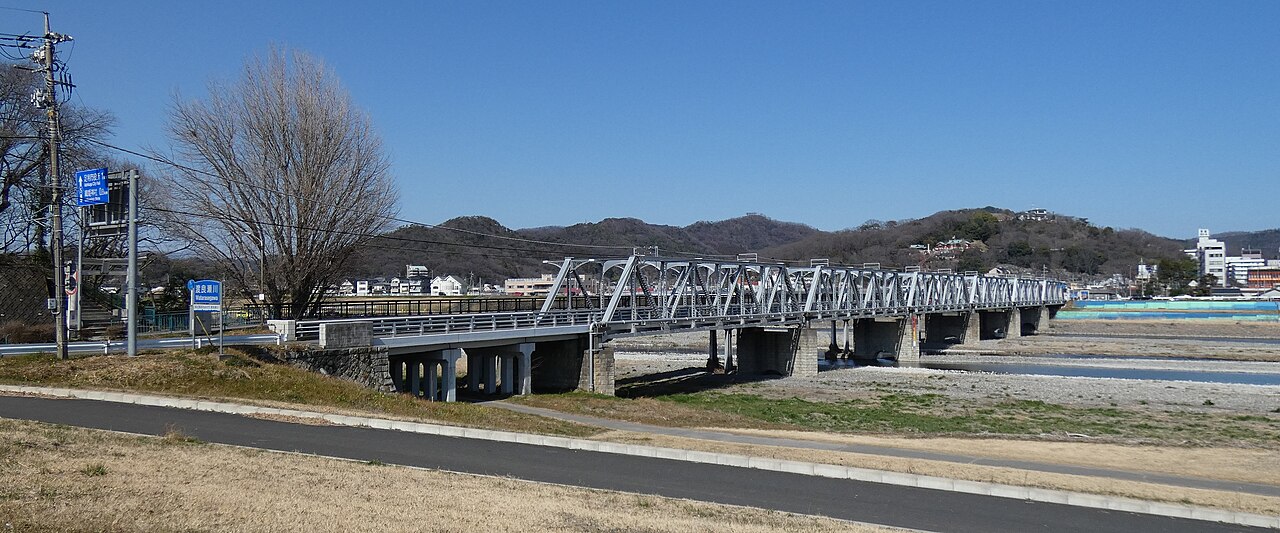
While international promotion of the Sakasagawa is limited, the Ashikaga Tourism Board highlights the route in local pamphlets as a way to "decentralize" tourism. By encouraging visitors to explore the quieter residential corridors, the city hopes to alleviate the pressure on major hubs like the Ashikaga Flower Park during peak wisteria season.
"Our goal," a representative from the local tourism office noted, "is to show that Ashikaga is more than just a place to see flowers for an hour. It is a place to walk, breathe, and experience the rhythm of a Japanese town that continues to work, study, and live outside the reach of the typical travel guide."
Implications: The Search for "Authentic" Japan
The existence of the Sakasagawa walking course presents a compelling case for the changing priorities of modern travel. In an era where "Instagrammability" often dictates the popularity of a destination, the Sakasagawa stands in defiance. Its appeal is rooted in its lack of fame.
The "Real Japan" Effect
For many, the "real Japan" is not found in the glitz of the Ginza or the crowded gates of the Fushimi Inari Shrine. It is found in the sight of neighborhood children cycling to school, the sound of an older resident tending to a garden, and the sight of a river flowing in the "wrong" direction.

The Sakasagawa offers:
- Social Interaction: A chance to observe and engage with local life in a respectful, non-intrusive way.
- Mental Decompression: An escape from the sensory overload of Japan’s major metropolitan areas.
- Accessibility: A reminder that profound travel experiences often lie just a 20-minute walk away from a train station, requiring nothing more than a pair of sturdy shoes and a curious mind.
A Note on Responsible Tourism
As visitors explore these quieter corridors, the responsibility of the traveler becomes paramount. Because the Sakasagawa is a residential neighborhood, visitors are encouraged to respect local customs: keep noise levels down, strictly adhere to "carry-in, carry-out" trash policies, and be mindful that the path is a shared space for the community. By engaging with the Sakasagawa with quiet respect, visitors ensure that this suburban sanctuary remains a peaceful refuge for the residents of Ashikaga.
In conclusion, while the Sakasagawa may not be the primary reason to visit Tochigi, it is the reason to stay. It transforms a day trip into a lived experience, grounding the traveler in the quiet, backward-flowing current of a city that is as charming as it is unassuming.












No comments yet. Be the first to join the conversation!