Evan Lee Salim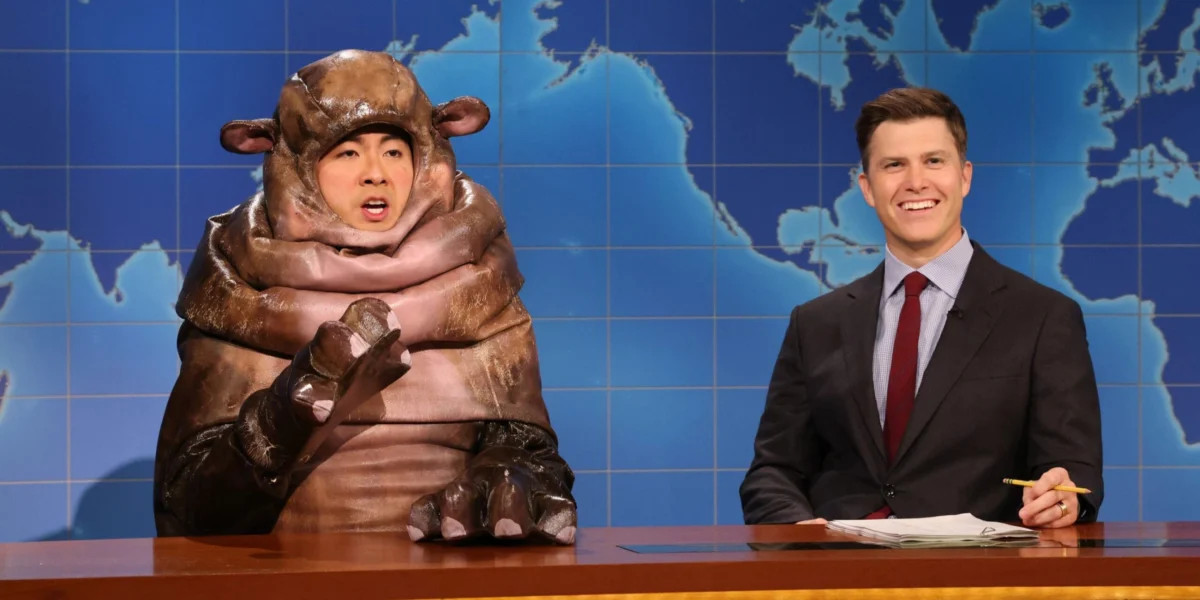
In the high-pressure, high-stakes environment of Studio 8H, cast departures are rarely just about individual career moves; they are tectonic shifts in the cultural landscape. When Bowen Yang announced his intent to step away from Saturday Night Live following the conclusion of the show’s historic 50th season, the news initially felt like the end of an era for one of the most transformative performers of the modern generation. However, the true significance of his exit lies not in his departure, but in the deliberate, orchestrated process of his transition—a testament to why SNL has remained the gold standard of American comedy for over five decades.
The Anatomy of an Institutional Handoff
The narrative surrounding Yang’s departure could easily have been reduced to a simple "end of contract" story. Yet, as details emerged, it became clear that Lorne Michaels, the architect of SNL’s longevity, viewed Yang’s exit as a strategic opportunity for mentorship. Having spent seven seasons defining the show’s modern sensibility, Yang was prepared to walk away after Season 50, confident that the show was in a stable position.
That was when Michaels intervened. With a significant portion of the cast departing and a new, untested cohort arriving to fill the void, Michaels requested that Yang stay on for the early stages of Season 51. The producer’s request—"I need you"—was more than just a scheduling favor; it was an acknowledgment of the vital, invisible role of institutional memory. In an industry defined by the "next big thing," SNL survives by ensuring that the wisdom of the veterans is physically, emotionally, and professionally transferred to the incoming talent.
A Chronology of Influence: From Writer’s Room to Icon
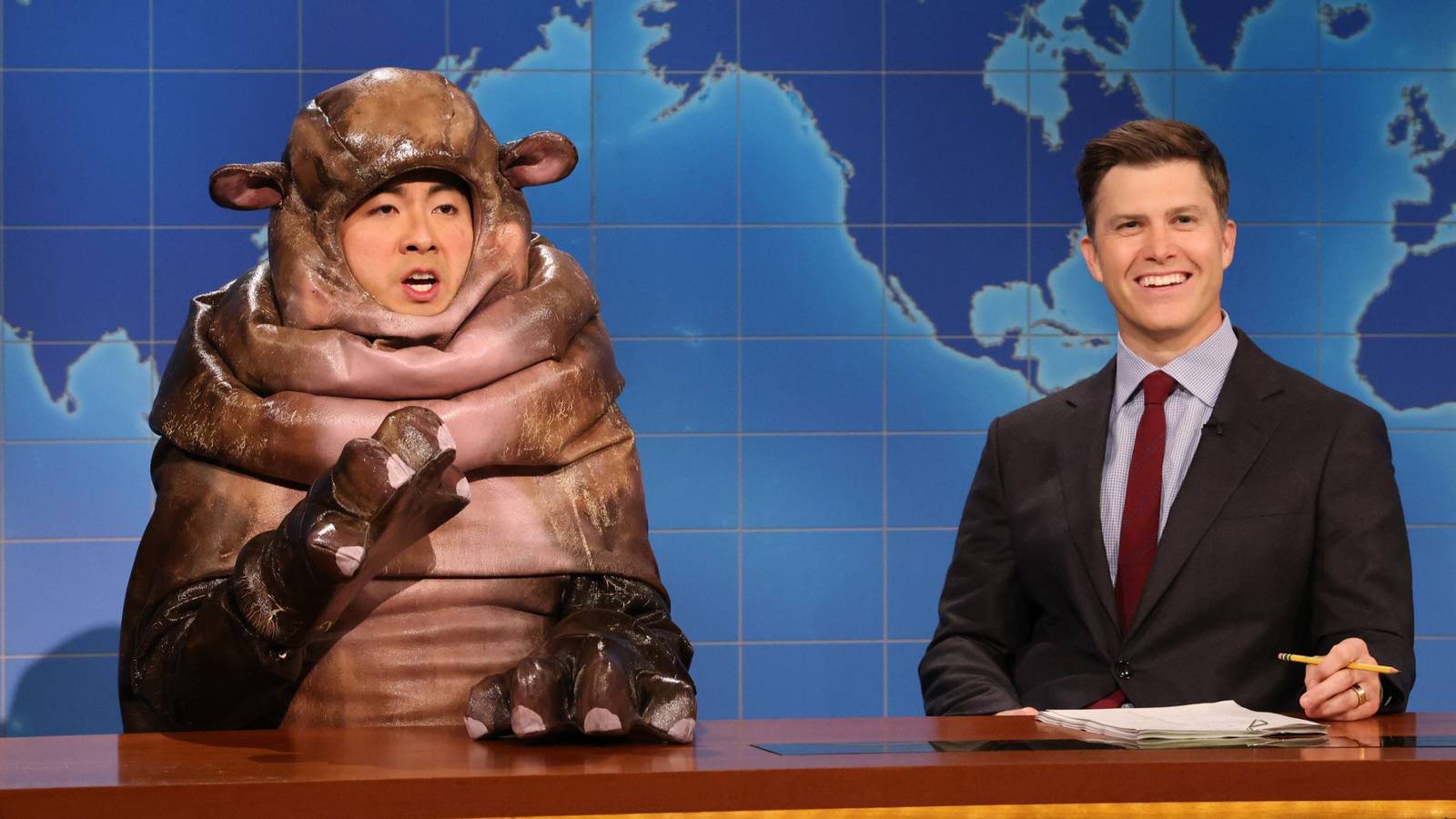
To understand why Yang’s departure is so pivotal, one must look at his trajectory. Yang joined Saturday Night Live in 2018 as a staff writer, a role that allowed him to master the distinct rhythm and structural demands of the sketch comedy format before he ever stepped in front of a camera. By 2019, he was promoted to an on-air featured player, and he quickly became a fixture of the show’s identity.
- 2018: Joins the SNL writing staff, contributing to some of the season’s most viral sketches.
- 2019: Debuts as an on-air cast member, bringing a fresh, queer-forward perspective to the show’s long-running segments.
- 2021-2024: Solidifies his status as a breakout star, earning historic Emmy nominations for Supporting Actor, marking him as the first SNL player to reach such heights of critical acclaim.
- 2025 (Season 50): Reaches the end of his seven-season run.
- 2026 (Season 51): Extends his tenure at the behest of Lorne Michaels to guide the next generation of cast members.
Throughout this timeline, Yang remained steadfastly humble, famously describing himself as "the seasoning" rather than the main course. This self-effacing philosophy is precisely what allowed him to transition from a performer into a mentor.
Supporting Data: The Endurance of an Institution
The resilience of Saturday Night Live is often debated in the age of fragmented streaming media, yet the numbers suggest that the institution is stronger than ever. The 50th anniversary, a milestone that could have easily felt like a funeral for a dying format, instead proved to be a ratings juggernaut.

According to industry reports, SNL remains the preeminent force in broadcast television among adults aged 18–49. The show consistently averages over 8 million viewers across combined linear and digital platforms. The 50th Anniversary Special itself was a staggering cultural event, pulling in nearly 23 million viewers—a figure that is virtually unheard of in the current landscape of cord-cutting and on-demand consumption.
These figures underscore a vital truth: the audience does not tune in for a specific cast member as much as they tune in for the SNL machine itself. The brand is built on a cycle of constant reinvention, where the familiarity of the format acts as a container for the chaos of new talent.
The Mentorship Paradigm: Official Perspectives and Personal Impact
The most poignant evidence of Yang’s influence comes from the newer members of the cast. In a candid reflection on his final weeks, Yang shared a message from newcomer Ashley Padilla, which highlights the "soft skills" that keep the show running. Padilla thanked Yang for teaching her "how to be at this show, how to behave and how to treat people."
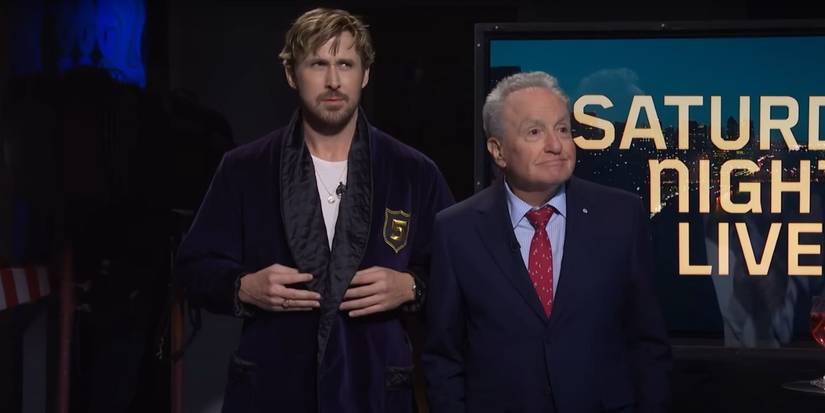
This anecdote reveals the "secret sauce" of 30 Rockefeller Plaza. The success of a sketch—be it a political parody or an absurdist digital short—is only possible if the environment behind the scenes is functioning. By mentoring Padilla and others, Yang ensured that the culture of professional discipline and collaborative respect would survive his departure.
Lorne Michaels has always operated on the philosophy that no individual is bigger than the show. By asking Yang to stay, he signaled that the show’s strength lies in the continuity of its culture. It is not about keeping the same stars; it is about ensuring that the spirit of the show is inherited, not merely mimicked.
Implications: The Future of ‘Saturday Night Live’
The departure of a talent as significant as Bowen Yang naturally invites questions about the future of the series. However, history provides a clear roadmap. The transition from the Eddie Murphy era to the Tina Fey/Amy Poehler era, and eventually to the Kate McKinnon/Bowen Yang era, proves that SNL is a living organism.
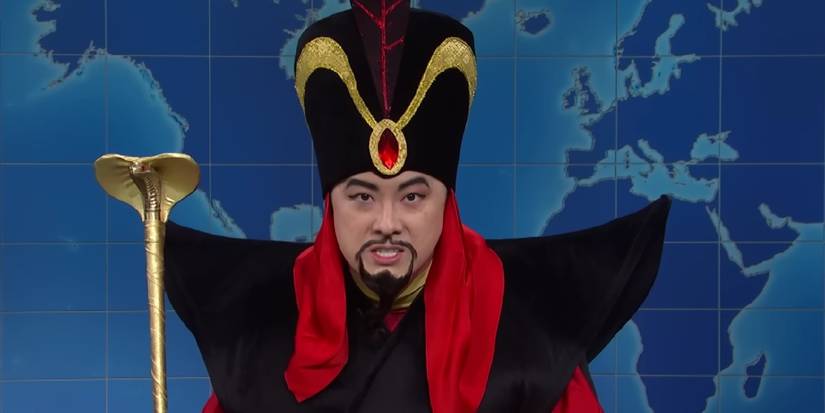
The implications of Yang’s "guided departure" are profound for the television industry at large. In a climate where series are frequently canceled after a single season due to the inability to cultivate an audience, SNL’s model of "generational handoffs" offers a masterclass in sustainability.
- Talent Recycling: By promoting from within (writers to performers), the show ensures that the cast understands the "voice" of the program.
- Collaborative Handoffs: Using outgoing veterans as bridges for incoming talent minimizes the "growing pains" of a new season.
- Cultural Agility: The show’s ability to remain relevant across five decades is a direct result of its willingness to change its face while maintaining its structural core.
Conclusion: The Final Act
Bowen Yang’s farewell sketch, featuring luminaries like Ariana Grande and Cher alongside the behind-the-scenes staff, was more than just a sentimental sign-off. It was a visual representation of his tenure: a collaborative, chaotic, and deeply human celebration of community.
As Yang moves on to new projects, his legacy at Saturday Night Live will not be measured solely by his viral characters or his Emmy nods. Instead, his contribution will be measured by the stability he provided during a period of massive transition. He served as the anchor during a time of change, ensuring that when the curtain rises on future seasons, the next generation will be equipped with the same rigor, grace, and comedic intuition that defined his own time in the spotlight.

The show will, as it always does, continue. And in that continuity, the influence of those who came before—including Bowen Yang—will remain woven into the very fabric of the sketch, the stage, and the laughter that continues to define Saturday night in America.


 Layla Zulfa
 Dwi Wanna