In the vast, interconnected landscape of modern gaming, few studios command the reverence of Remedy Entertainment. Known for their "Finnish Weird"—a signature blend of Lynchian surrealism, meta-narrative depth, and genre-defying mechanics—Remedy has carved out a permanent place in the industry’s pantheon with titles like Max Payne, Alan Wake, and Control. Yet, hidden within their portfolio is a bizarre, short-lived, and ultimately vanished experiment that left even the most seasoned fans scratching their heads: the single-player campaign for CrossfireX.
The Genesis of an Unlikely Partnership
To understand the oddity that was CrossfireX, one must first understand its parent franchise. Crossfire, published by the South Korean giant Smilegate, is a titan of the global multiplayer market. Often referred to as "Korea’s Counter-Strike," it boasts a massive, dedicated following that has sustained it for over a decade. When Smilegate looked to expand its reach onto consoles, it sought to pair its established competitive formula with a high-octane, cinematic single-player experience that could rival the dominance of the Call of Duty franchise.
The studio they tapped for this ambitious endeavor was Remedy Entertainment. It was an arrangement that seemed destined for greatness on paper: the tactical, grounded military combat of a modern shooter fused with the storytelling prowess of the team behind Quantum Break. However, as the project moved from concept to development, the friction between Remedy’s avant-garde sensibilities and the rigid, bombastic requirements of a "milsim-lite" spectacle became apparent.
A Chronology of a Short-Lived Spectacle
The journey of CrossfireX was as swift as it was turbulent. Announced amidst significant fanfare, the game was positioned as a console-exclusive reimagining of the franchise, designed to attract Western audiences with a high-budget narrative.
- 2019: The partnership between Smilegate and Remedy is formally unveiled, promising a "new idea in mainstream solo shooting."
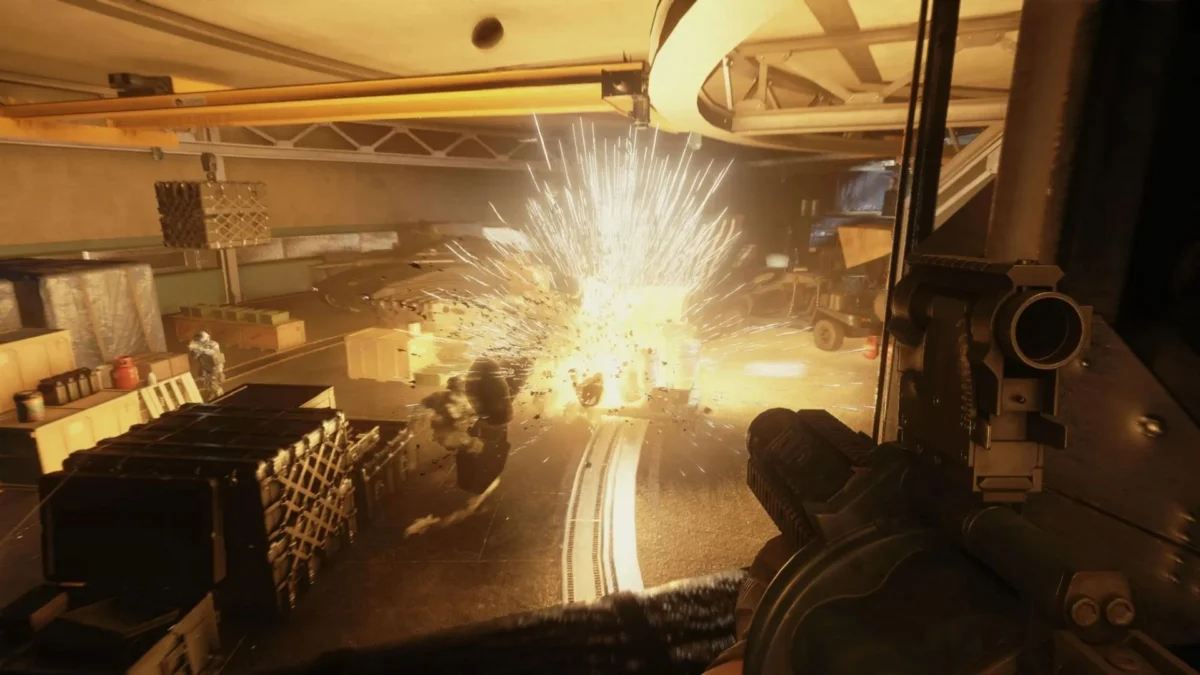
- February 2022: CrossfireX officially launches on Xbox platforms. The release includes the highly anticipated Remedy-developed single-player campaigns, "Operation Catalyst" and "Operation Spectre."
- Late 2022: Initial critical reception is harsh. Critics and players alike highlight a disconnect between the high-fidelity visuals and the repetitive, clichéd gameplay loops.
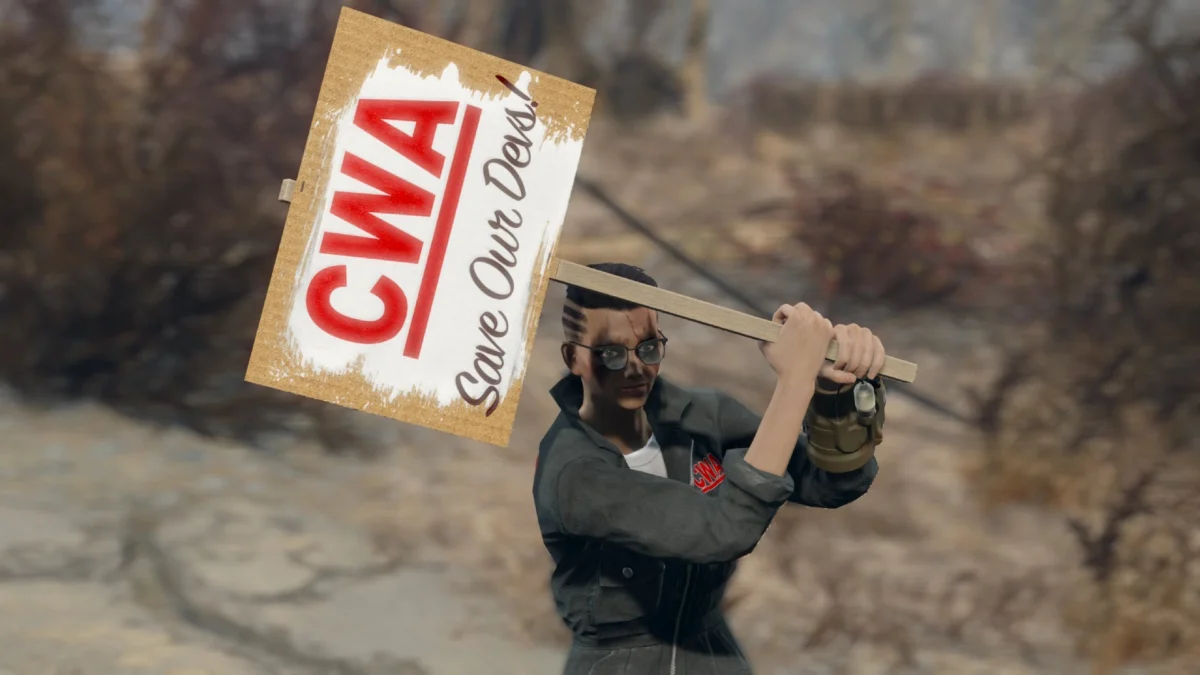
- February 2023: In a move that shocked the industry, Smilegate announces the immediate cessation of all CrossfireX services.
- May 2023: The servers are shuttered. Due to the game’s "live-service" nature, the single-player campaigns—despite being offline-capable in spirit—are rendered entirely unplayable.
Deconstructing the "Remedy Touch"
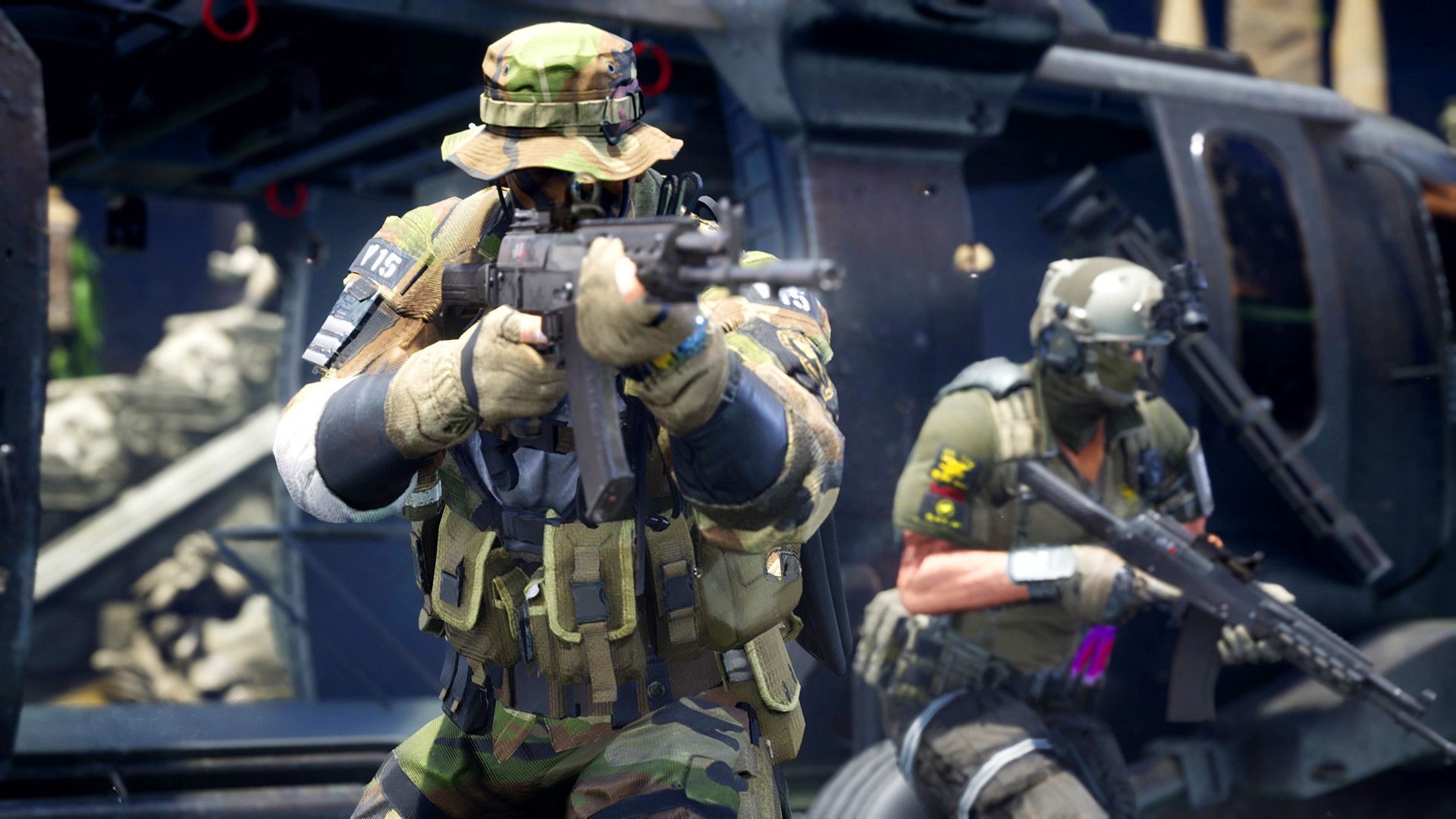
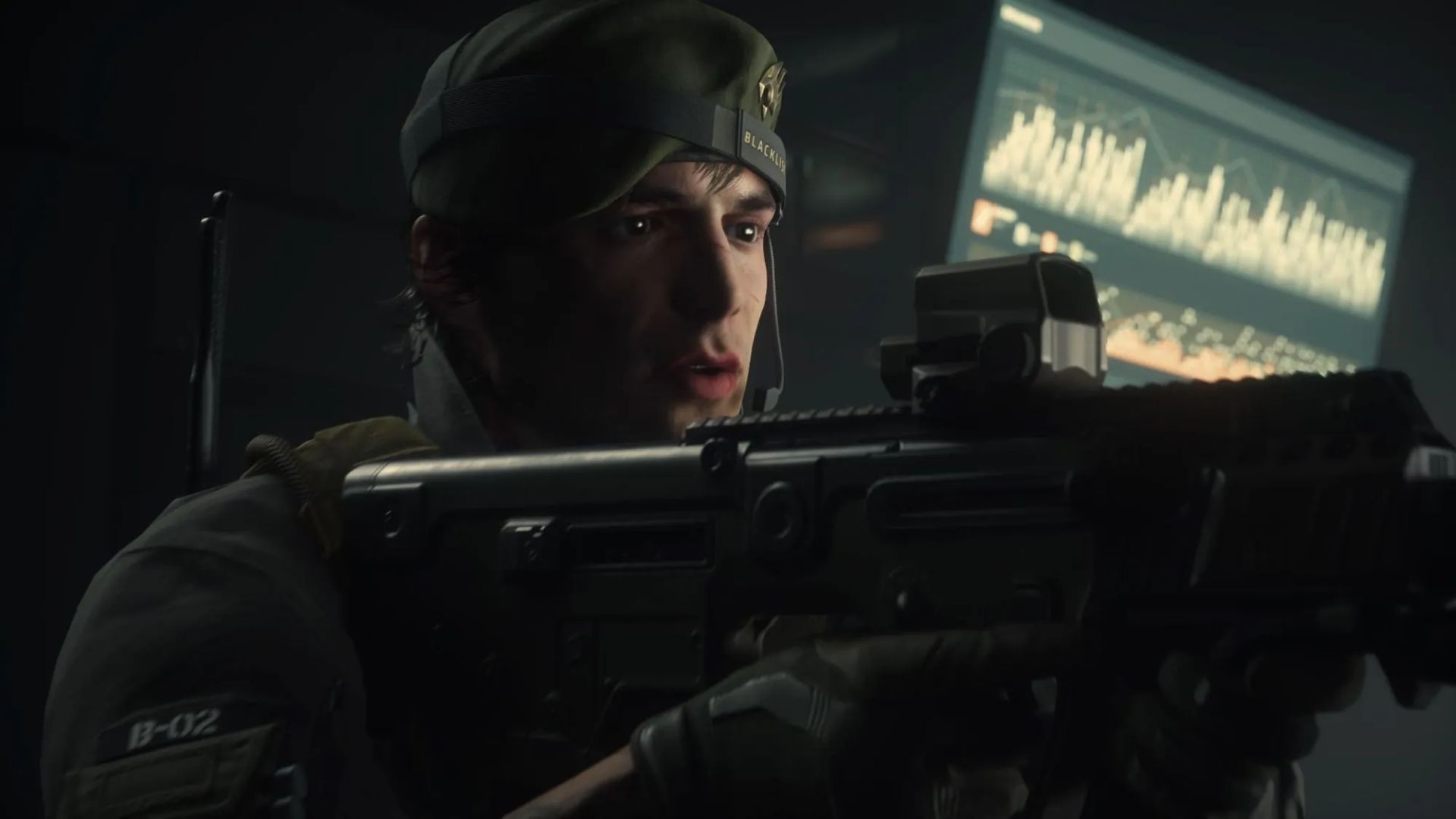
The irony of CrossfireX lies in how it attempted to balance the generic with the surreal. The game cast players as soldiers in a conflict between two shadowy factions, "Global Risk" and "Black List." The settings were typical of the era: war-torn, vaguely Eastern European urban landscapes filled with crumbling concrete and generic military hardware.
Yet, in moments of brilliance, the "Remedy DNA" would bleed through the seams of the military industrial complex. In one memorable segment, the protagonist, Captain Hall, descends into a dream-like, fractured memory of his own home. Here, the game abandons its Call of Duty imitation to explore themes of trauma and domestic surrealism. The visual language—a repeating lamp, an unsettlingly smug monologue delivered via a television screen—was vintage Sam Lake, echoing the in-game shows like Address Unknown from the original Max Payne.

However, these flashes of brilliance were frequently suffocated by the genre’s demands. Bullet time, a mechanic synonymous with Remedy, was shoehorned into the gameplay at such a frequent rate that it lost its gravitas, becoming a parody of its own legacy. Dialogue frequently devolved into cringeworthy action-movie one-liners, leaving players wondering if the lack of subtlety was an intentional satire or a failure of vision.
The Tragedy of the Digital Void
Perhaps the most significant implication of the CrossfireX saga is not the quality of the game itself, but the cautionary tale it provides regarding the fragility of digital media. When Smilegate pulled the plug on CrossfireX in May 2023, they did not just kill the multiplayer servers; they effectively deleted a piece of history.
Because the game was tethered to a live-service infrastructure, the single-player campaigns vanished into the ether. This "live-service shutdown syndrome" has become an increasingly common, yet alarming, trend in the industry. It raises the uncomfortable question: if a studio as prestigious as Remedy can have their work erased from existence by a publisher’s decision to cut losses, what does that mean for the preservation of interactive art?
Professional and Cultural Implications
The failure of CrossfireX serves as a stark reminder of the risks inherent in "work-for-hire" arrangements between auteurs and corporate giants. For Remedy, the project was likely a strategic move to ensure financial stability during a period of intense development on Control and Alan Wake 2. While the project was a critical and commercial disappointment, it allowed the studio to keep its team intact and continue innovating elsewhere.
From a design perspective, the project highlights the limitations of trying to force a studio’s unique brand of "weirdness" into a rigid, conventional mold. Remedy thrives on creative freedom and self-referential absurdity. When forced to play the role of a standard military shooter developer, they were unable to leverage their strengths, resulting in a product that felt like a "Garth Marenghi’s Darkplace" version of Modern Warfare.
A Legacy in the Margins
Despite its ignominious end, CrossfireX retains a cult-like fascination among the Remedy faithful. It is a "weird weekend" obsession—a ghost in the machine that people study through YouTube playthroughs and fragmented memories.
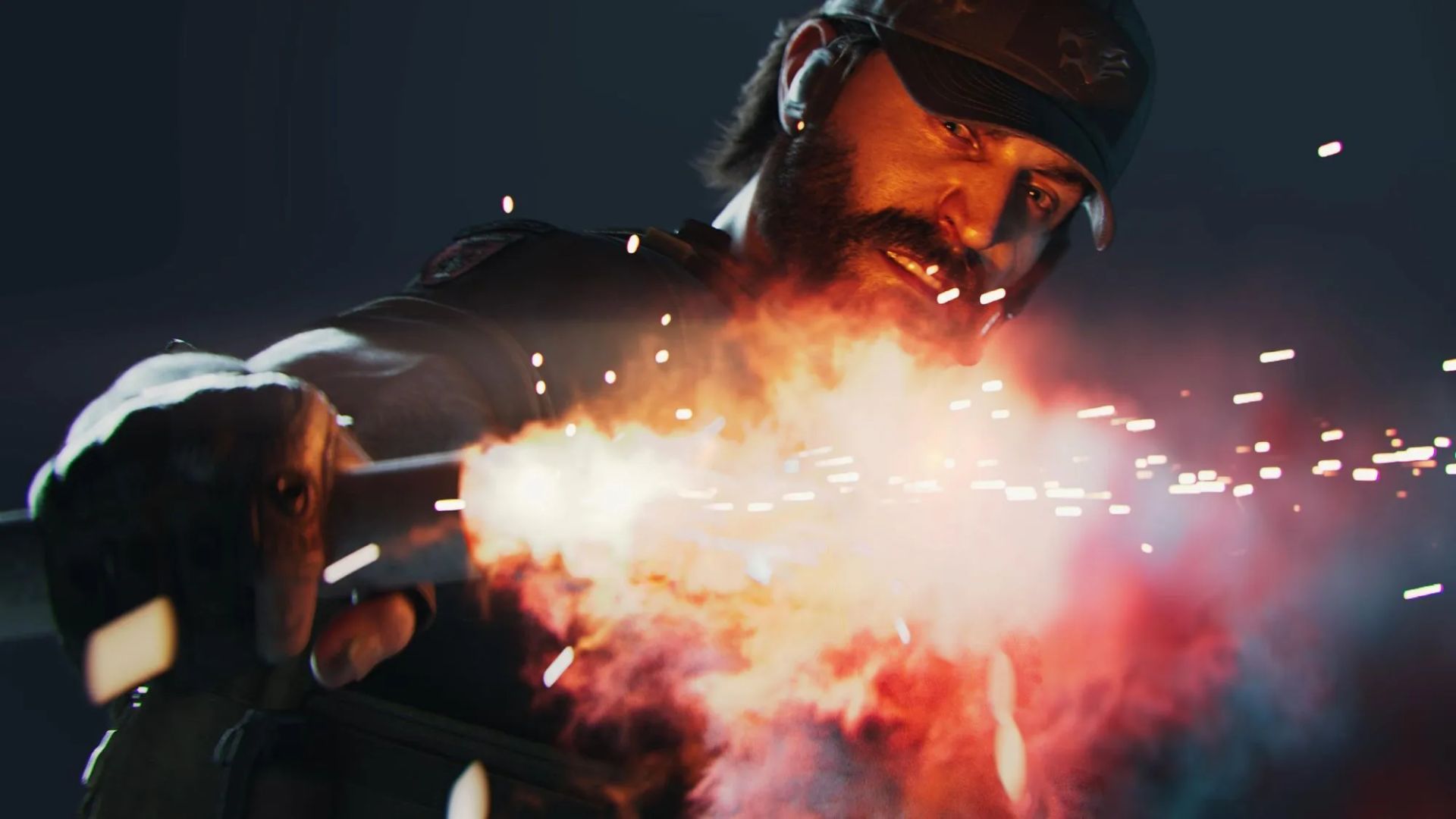
There is a perverse beauty in the idea that CrossfireX might eventually be canonized by Remedy themselves. One can easily imagine a future Control expansion where a flickering television in the Oldest House plays a clip from CrossfireX, suggesting that even the most "failed" projects have a place in the vast, interconnected multiverse that Remedy is currently building.
In the final analysis, CrossfireX was a collision of worlds that never quite fit together. It was a military shooter trying to be an art-house experiment, and a live-service game that ultimately proved the ephemeral nature of our digital era. It remains a fascinating, if flawed, footnote in the history of one of gaming’s most important studios—a reminder that sometimes, even the most creative minds can get lost in the fog of war.