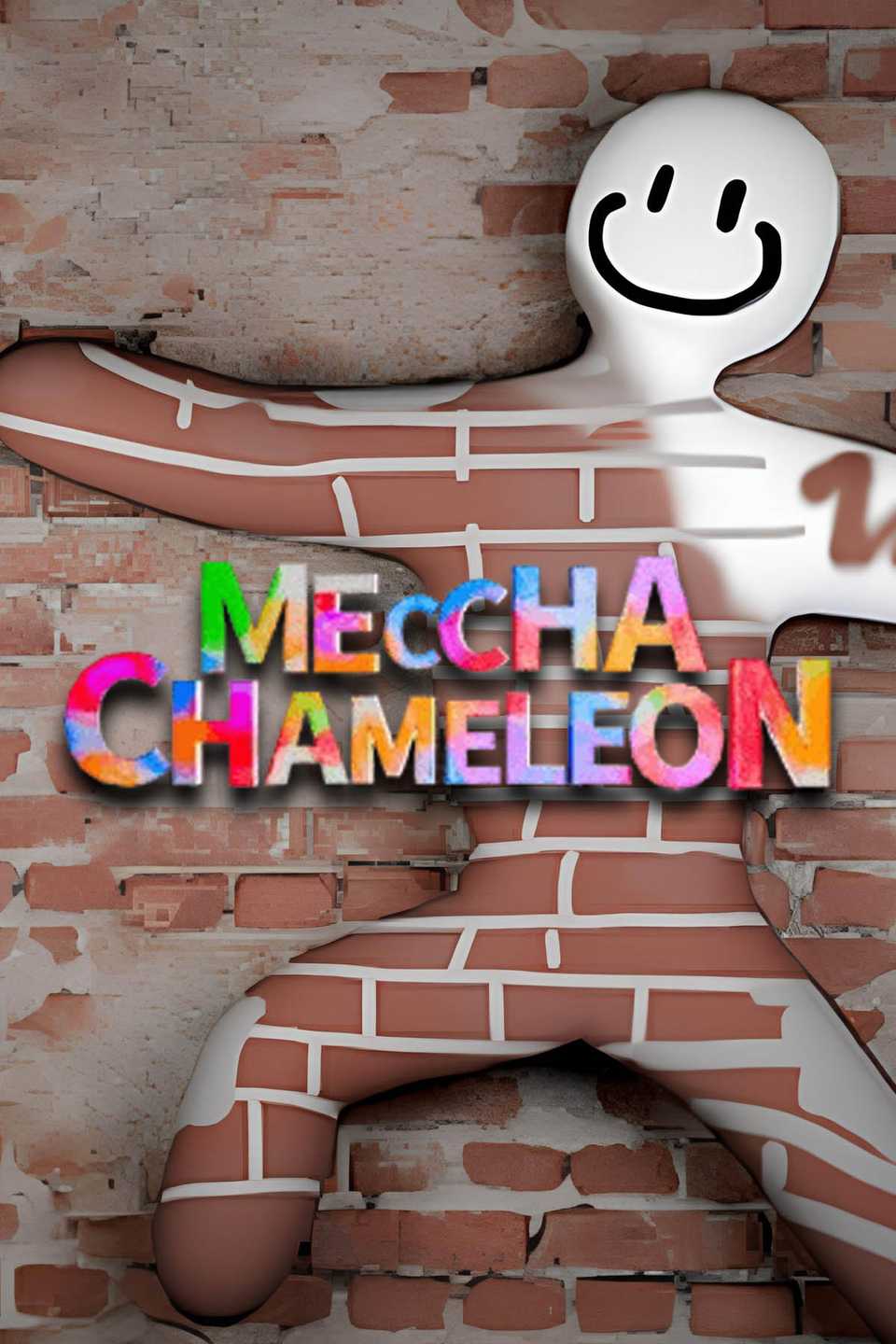
Since its highly anticipated launch on June 10, 2026, Meccha Chameleon has redefined the digital hide-and-seek genre. Developed by the solo creator lemorion_1224, the title burst onto the PC gaming scene with a deceptively simple premise: blend into your surroundings or hunt down those who do. While the game initially debuted with a modest selection of four maps, the post-launch support and a vibrant, prolific modding community have propelled the title into a phenomenon, now boasting hundreds of community-crafted environments.
However, the core experience remains tethered to the developer’s official map pool. With the current roster standing at seven distinct environments, each offers a unique flavor of tension and strategic depth. As the community continues to grow, it is worth examining the official design philosophy, evaluating the strengths and weaknesses of these core arenas, and understanding how they shape the meta-game of this breakout hit.

The Evolution of the Arena: A Chronology of Growth
The trajectory of Meccha Chameleon is a testament to the power of community-driven development. When the game launched in early June, the initial four maps—Backrooms, Sugar Land, Penguin Hotel, and Hide-and-Seek Mansion—provided a foundational "tutorial" for players to understand the mechanics of color-matching and environmental awareness.
As the player base surged, so did the demand for variety. The developer responded with rapid-fire updates, introducing three additional maps—Indoor Country, Osaka, and the fan-favorite Sewer—over the following weeks. This expansion was not merely about quantity; it was a deliberate attempt to diversify the gameplay loop. Where the original maps focused on traditional interior settings, the newer additions introduced varied verticality, complex lighting, and high-density clutter, effectively forcing players to adapt their strategies from round to round.

Analyzing the Field: A Comprehensive Ranking
Not all maps are created equal. In Meccha Chameleon, the balance between a "perfect" hiding spot and a fair hunt is razor-thin. Below, we rank the seven official maps based on their design, environmental utility, and overall engagement for both chameleons and hunters.
7. Backrooms: The Minimalist Trap
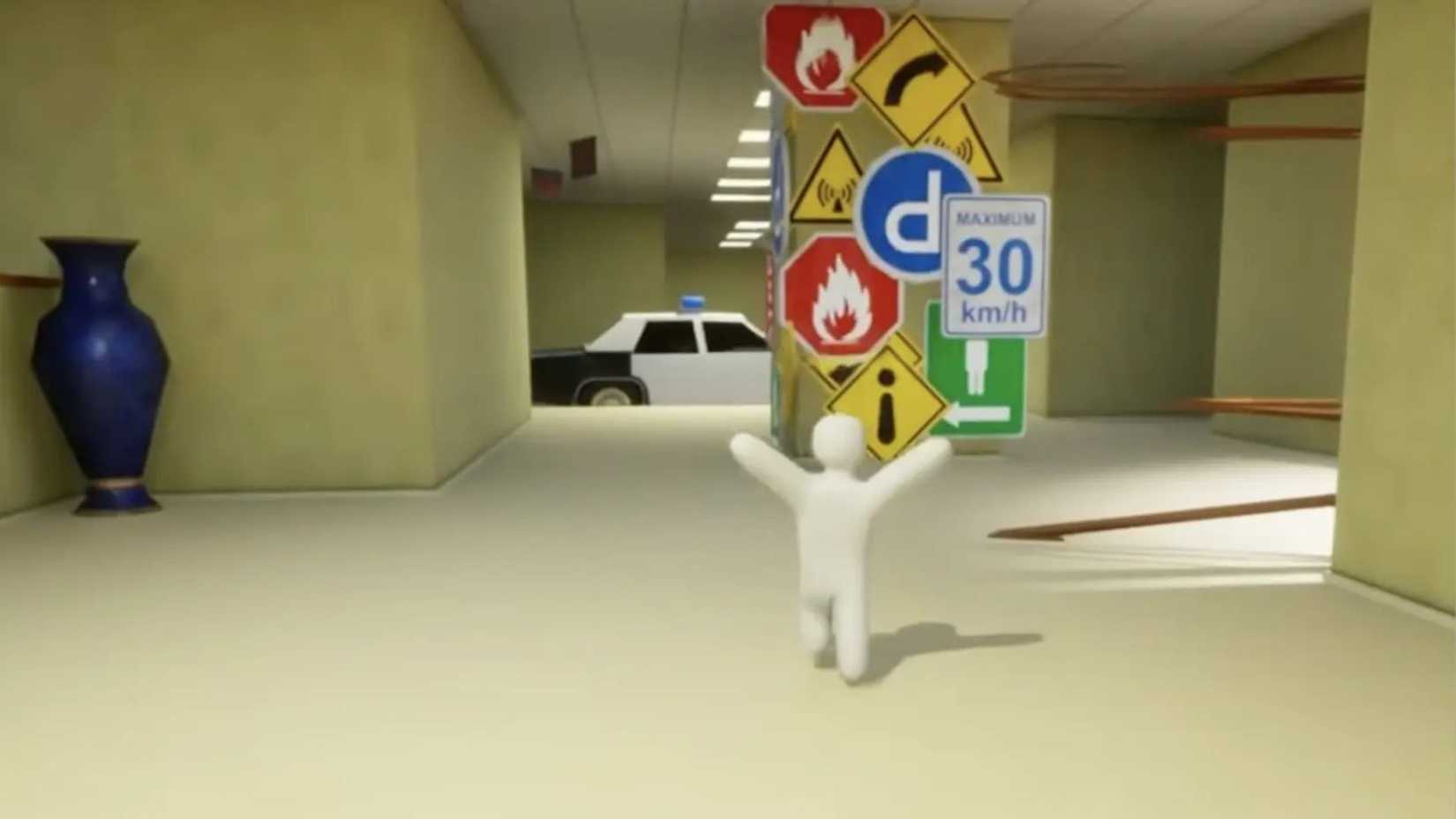
The Backrooms map remains a staple of the original quartet, yet it frequently ranks at the bottom of player preference. Its primary issue is a lack of depth. The environment is sparse, lacking the intricate assets that allow for creative camouflage.

For a hunter, this map is arguably too easy. Because there are few "busy" areas to break up the line of sight, finding a chameleon is often a matter of simple observation rather than tactical scanning. For the developer, the Backrooms serves as a lesson in the necessity of environmental "noise." To bring this map up to par with later releases, an influx of interactable items and a significant expansion of the playable square footage are required.
6. Sugar Land: The Aesthetic Mismatch
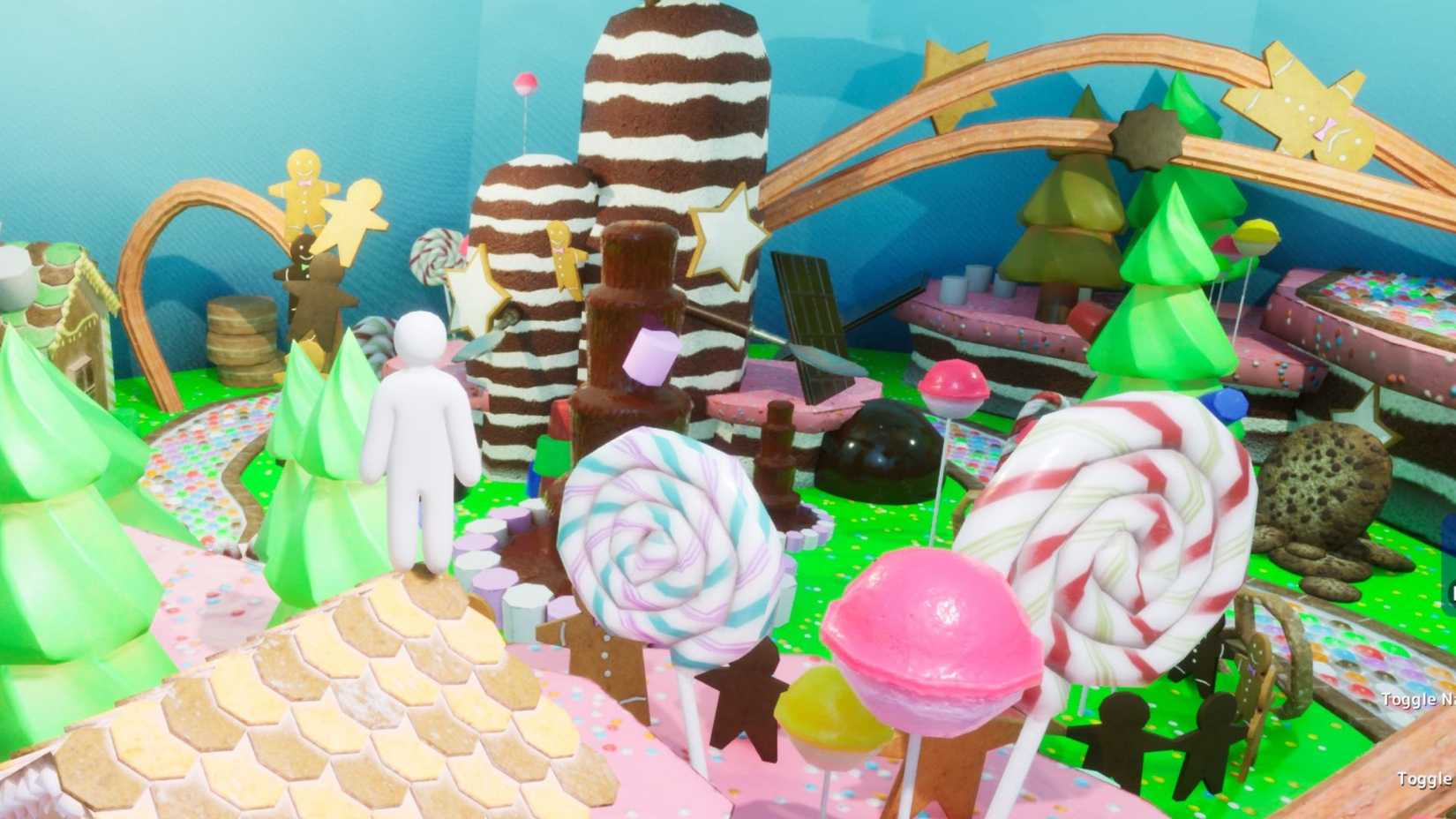
Sugar Land is a masterclass in visual flair, but a struggle in mechanical execution. The map’s vibrant, candy-themed aesthetic is charming, yet it presents a recurring problem: the geometry. Many of the surfaces feature irregular angles that make it difficult for chameleons to "paint" themselves effectively.
While the developer introduced a "slanted pose" update to help players align themselves with the environment, the map remains frustrating. The hiding spots are either so obvious that they are quickly discovered, or so well-hidden that they feel unfair to the hunter. It sits in a strange middle ground where both parties often feel cheated by the map’s geometry.
5. Penguin Hotel: A Mansion in Miniature
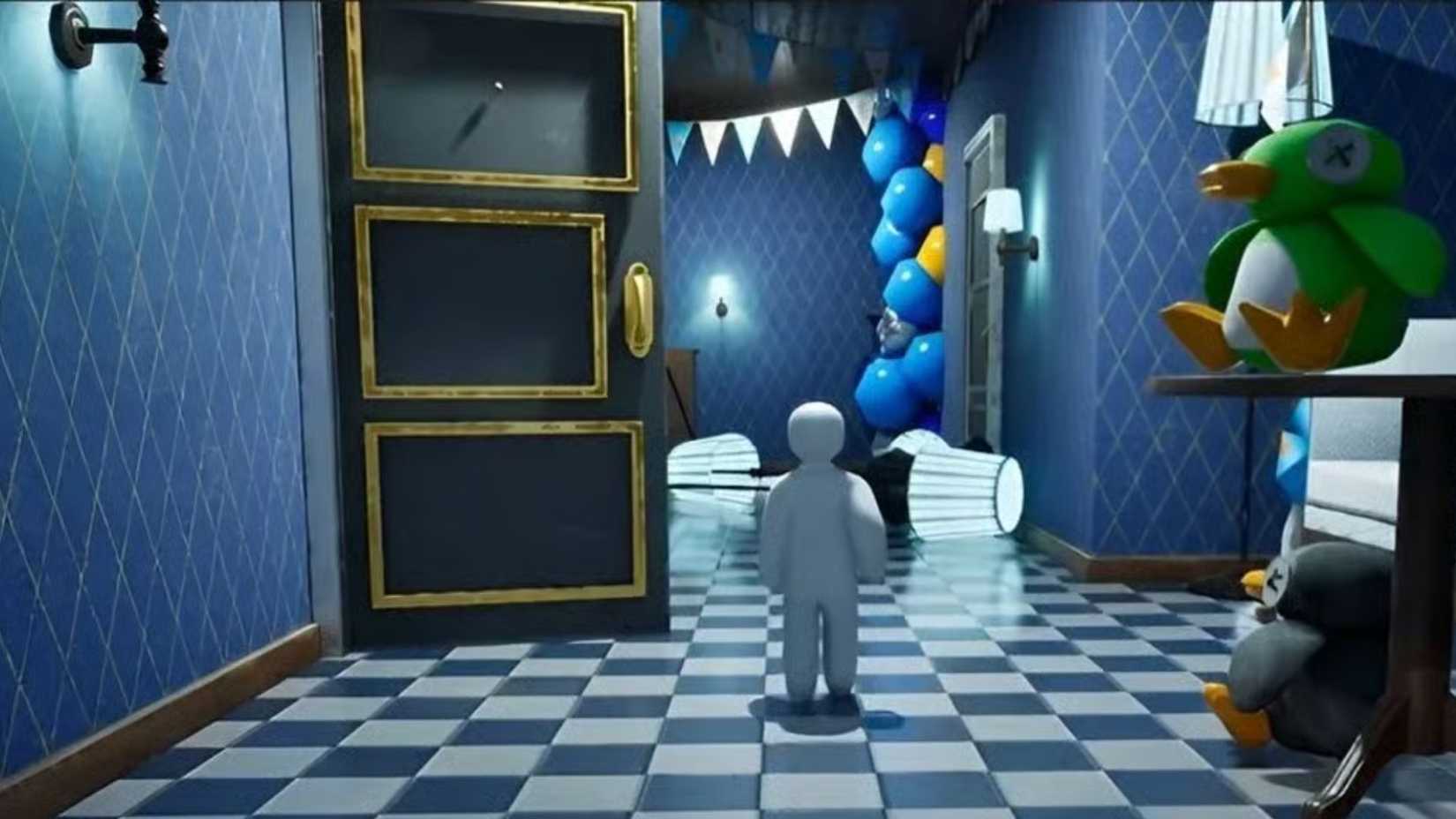
The Penguin Hotel is effectively a smaller, colder cousin to the Hide-and-Seek Mansion. While it retains a similar structural layout, it lacks the depth of its predecessor. It is significantly easier to be found here, primarily because the map lacks a variety of non-penguin-themed objects.
The reliance on a specific visual theme—the penguin—limits the chameleon’s ability to blend into diverse backgrounds. Furthermore, the inclusion of excessive balloon assets makes movement feel clunky and visibility inconsistent. It remains a functional map, but it rarely produces the "high-stakes" moments that define the best rounds of Meccha Chameleon.
4. Indoor Country: The Creative Sandbox
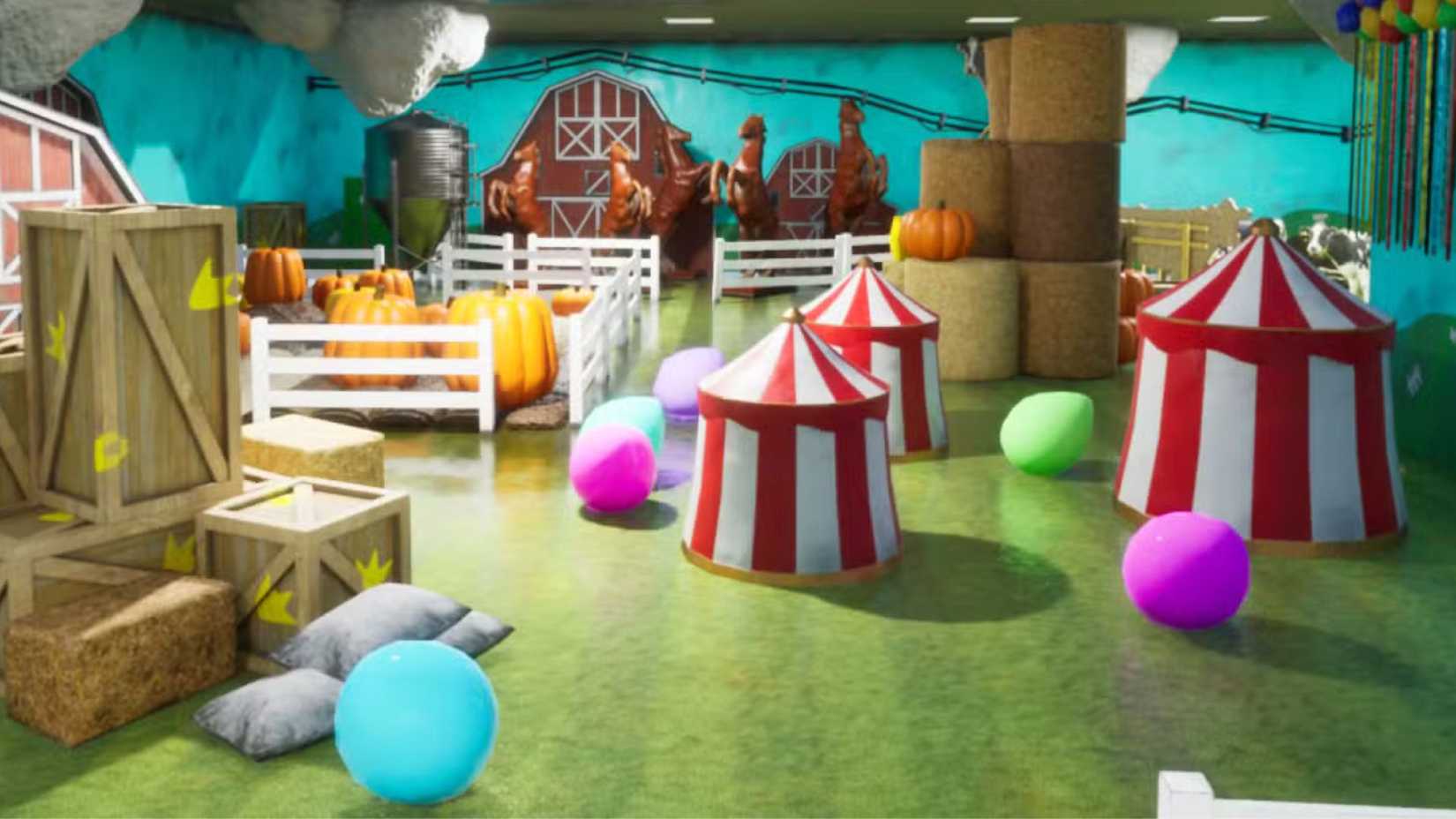
Stepping into the Indoor Country map, one immediately notices the shift in design philosophy. It is a cutesy, farm-themed interior filled with horse statues, cow cutouts, and barn-inspired architecture.
This map shines because it rewards creativity. The boundaries are forgiving, allowing players to squeeze into small, non-obvious nooks. It is a "cozy" map that encourages experimentation. The only drawback is its size; it is somewhat compact, which can lead to quick games if the hunter is skilled. A modest expansion to this map would solidify its status as a top-tier arena.
3. Osaka: The Cluttered Cityscape
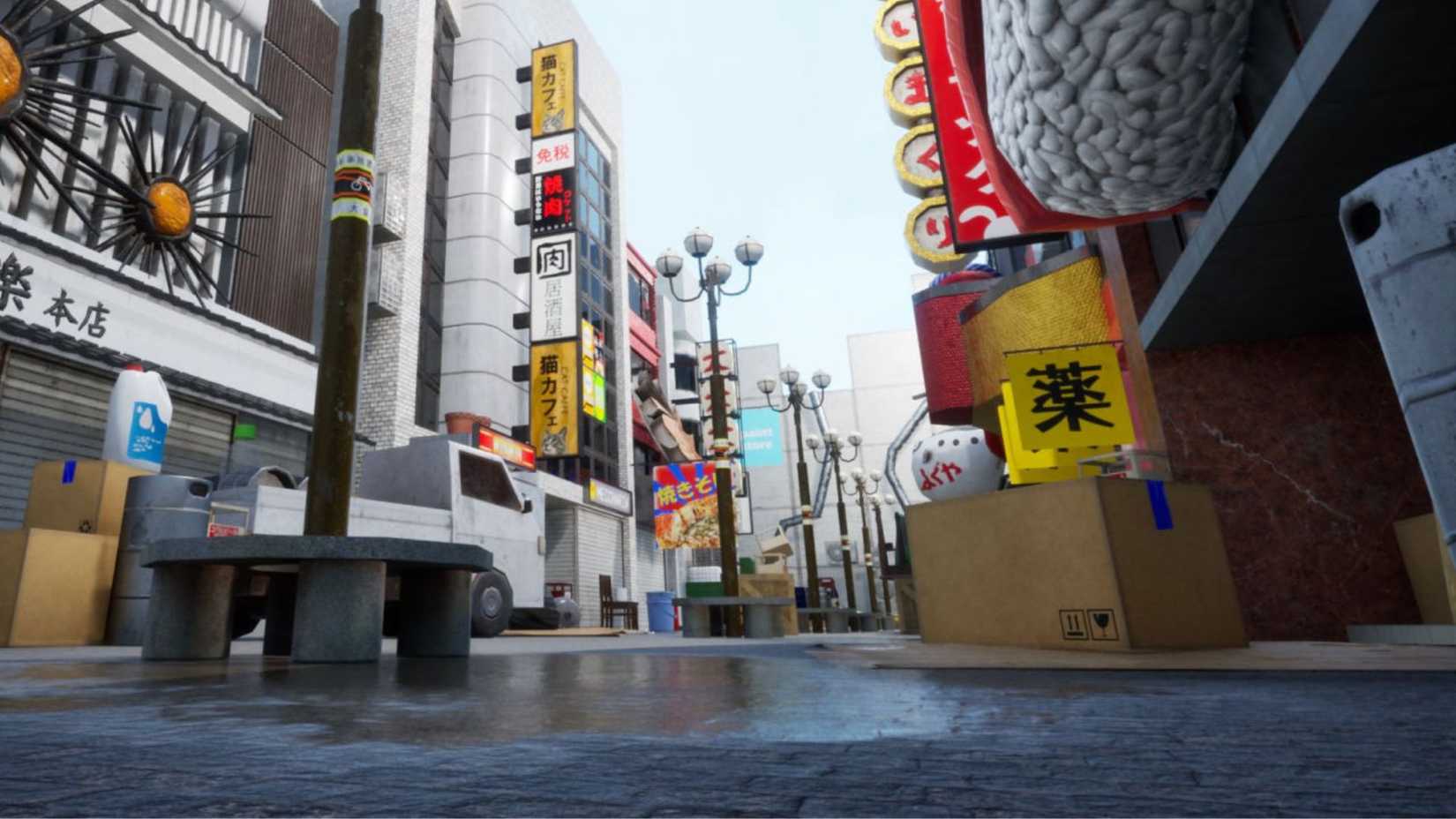
City-themed maps are notoriously difficult to design in hide-and-seek games, but Osaka succeeds by leaning into the chaos of urban density. It is small, yet it feels infinitely more expansive than the Backrooms because of its sheer level of detail.
In Osaka, clutter is a mechanic. The dense concentration of street-level items and city props creates hundreds of potential hiding spots. It allows for a high-intensity game where both the hunter and the hunted are constantly moving. For those who enjoy a fast-paced, high-stress environment, Osaka is arguably the best of the smaller maps.
2. Sewer: The Tactical Masterpiece
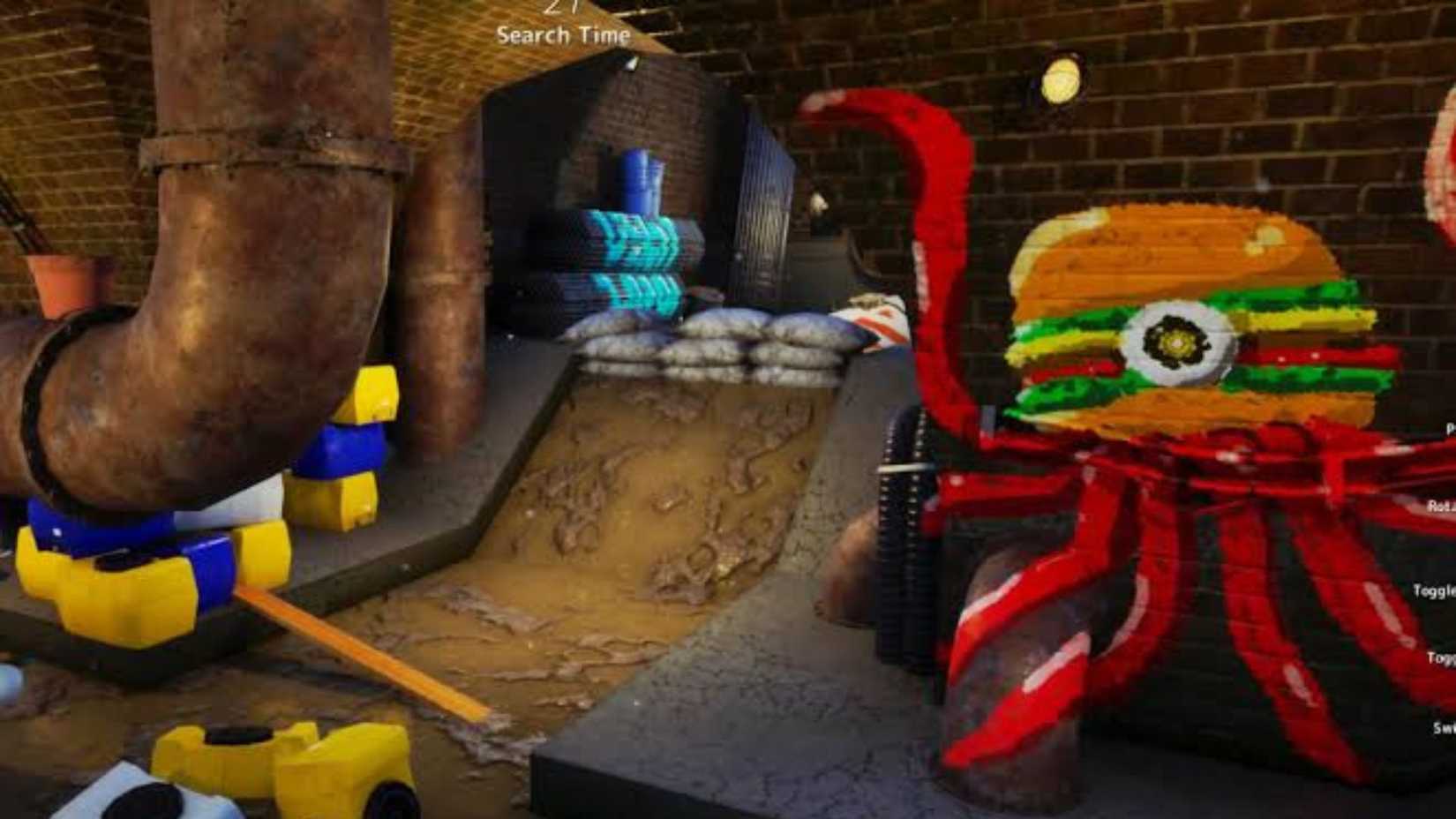
The Sewer map represents the pinnacle of the developer’s growth since launch. It perfectly balances scale and density. It is large enough to allow for complex, drawn-out games of cat and mouse, yet small enough that a hunter never feels lost.
The use of graffiti as a visual tool is a brilliant design choice. It breaks up the monotony of the walls and provides unique patterns for chameleons to mimic. It is the gold standard for how to design an environment that feels lived-in, tactical, and fair for both sides of the match.
1. Hide-and-Seek Mansion: The Definitive Experience
The Hide-and-Seek Mansion remains the crown jewel of the official map pool. It is the most frequently showcased map for a reason: it is a sandbox of infinite possibilities. From kitchen counters to laundry rooms and ornate paintings, the map is packed with interactable assets that cater to every playstyle.
The true genius of the Mansion is its verticality and layout complexity. It is a place where a skilled player can perform a "switch"—luring a hunter away from a spot, only to slip into a new position in the same room. It is the most "gamified" of all the maps, providing a perfect cadence of tension and release.
Supporting Data and Technical Considerations
The success of these maps is not just anecdotal; it is reflected in the technical requirements and community engagement data provided by the game’s backend.
| Map Name | Relative Size | Hiding Complexity | Player Rating (Avg) |
|---|---|---|---|
| Backrooms | Small | Low | 3.2/5 |
| Sugar Land | Medium | Moderate | 3.5/5 |
| Penguin Hotel | Medium | Moderate | 3.8/5 |
| Indoor Country | Small | High | 4.1/5 |
| Osaka | Small | Very High | 4.4/5 |
| Sewer | Large | High | 4.7/5 |
| Mansion | Large | Very High | 4.9/5 |
The data indicates a clear preference for maps with high "hiding complexity"—environments where the geometry and assets allow for diverse camouflage techniques. Maps that lean into environmental clutter, such as Sewer and Osaka, consistently outperform those that rely on open, minimalist spaces.
Official Responses and Future Directions
The developer, lemorion_1224, has been remarkably active in responding to community feedback. In recent dev logs, the creator acknowledged the frustrations surrounding the "odd angles" in Sugar Land and the "emptiness" of the Backrooms.

"We are currently evaluating a ‘Quality of Life’ patch for our earlier maps," the developer noted in a recent forum update. "The goal is to ensure that every official map feels as tight and polished as the Mansion or the Sewer."
Furthermore, the integration of custom map support has changed the development cycle entirely. By monitoring the most popular community-made maps, the developer is gaining insight into what players actually want: more verticality, more theme-specific interactables, and larger, more complex environments. Future updates are expected to lean heavily into these metrics, potentially bringing some of the most popular community-created features into the official map rotation.

Implications for the Future of the Genre
Meccha Chameleon has proven that the "prop-hunt" and "chameleon" genre is far from stagnant. By focusing on map design as the primary vehicle for gameplay variety, the developer has created a loop that is both accessible to newcomers and deep enough for competitive play.
The implications for the industry are clear: games of this nature live or die by their environment. As Meccha Chameleon continues to evolve, the focus will likely remain on refining the "hide-and-seek" loop. Whether through official map expansions or the continued support of the modding community, the title is well-positioned to remain a mainstay in the multiplayer landscape for years to come.
As it stands, the current roster of seven maps provides a comprehensive look at the evolution of the game. From the humble, albeit flawed, beginnings of the Backrooms to the sophisticated, tactical depth of the Mansion, the journey of Meccha Chameleon is a masterclass in responsive, community-centric game development. For the average player, the choice of map now comes down to a preference for speed, density, or pure architectural complexity—and in that variety, the game finds its true strength.