Ammar Sabilarrohman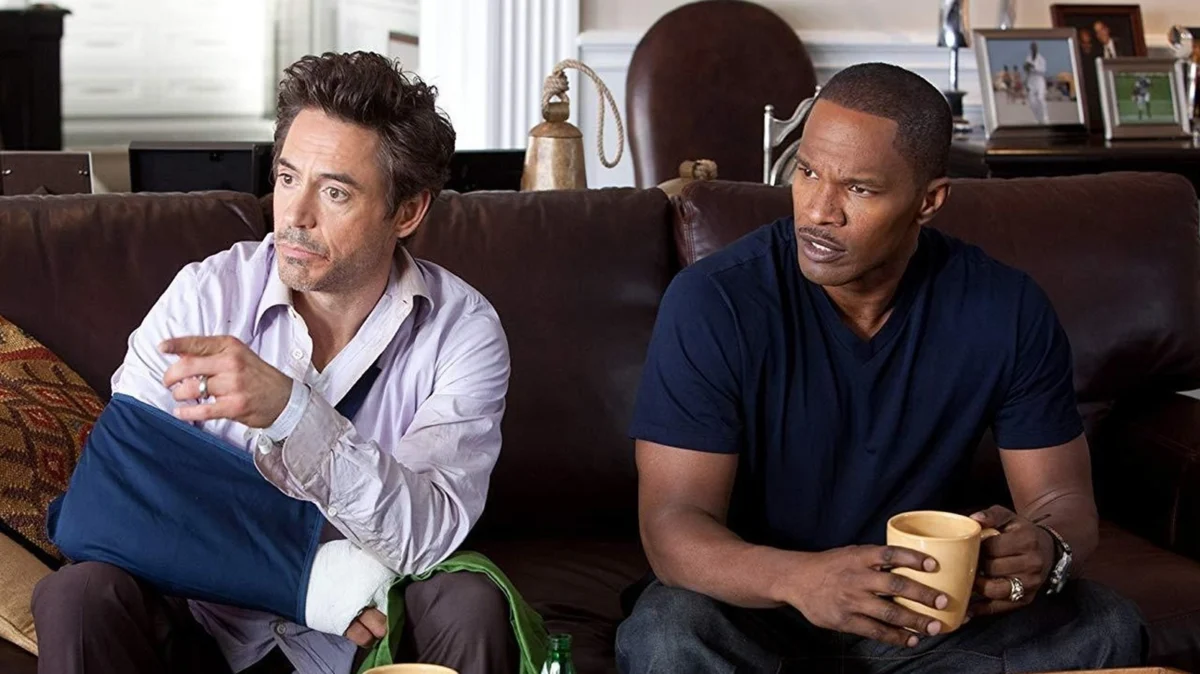
In the high-stakes ecosystem of Hollywood, films are rarely left to gather dust once production wraps. The "vaulting" of a completed motion picture is a rare, often tragic occurrence—usually reserved for tax write-offs, catastrophic creative failures, or corporate restructuring. However, the case of All-Star Weekend, the feature directorial debut of Oscar winner Jamie Foxx, stands in a category of its own. Nearly a decade after it was filmed, the star-studded comedy remains trapped in a purgatory of its own making, serving as a cautionary tale about the intersection of shifting cultural sensitivities, casting controversies, and the evolving landscape of comedy.
The Genesis of a Cult Curiosity
The story of All-Star Weekend began in 2016 with high ambitions. Jamie Foxx, already an established triple threat—actor, musician, and comedian—sought to transition behind the camera. The premise was simple, grounded in the cultural zeitgeist of the mid-2010s: a buddy comedy centering on two tow-truck drivers, Malik (played by Foxx) and Danny (played by Jeremy Piven). The duo, self-professed basketball fanatics, embark on a cross-country road trip to the NBA All-Star Game, fueled by their obsessive, one-sided rivalries regarding LeBron James and Steph Curry.
On paper, the film looked like a surefire hit. The ensemble cast was, by any industry standard, "stacked." Beyond Foxx and Piven, the project boasted names like Eva Longoria, Jessica Szohr, and the legendary Snoop Dogg. Furthermore, Foxx managed to leverage his deep connections in the industry to recruit Robert Downey Jr. for a transformative, and ultimately controversial, role. Despite the star power, the production was famously lean, with Foxx noting in a 2017 appearance on The Joe Rogan Experience that they shot the film for "little-to-nothing."
A Chronology of Stagnation
The timeline of All-Star Weekend is one of missed opportunities and mounting pressure.
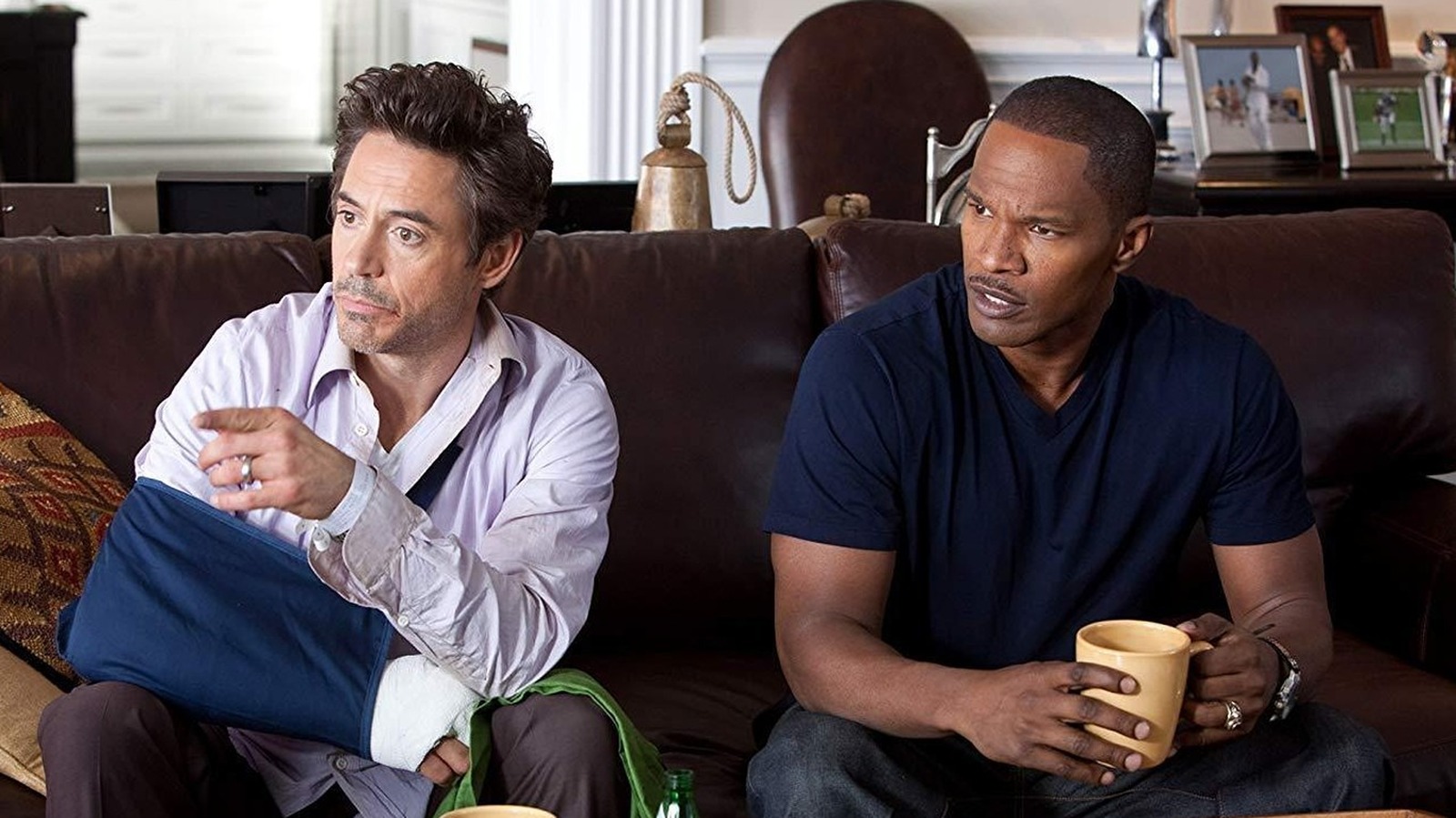
- 2016: Principal photography commences. The industry buzz is high, with trade publications like Deadline reporting on the project’s development.
- 2017: Foxx begins teasing the film’s tone, characterizing it as a return to "out there" comedy. He highlights the improvisational nature of the production and his success in coaxing Robert Downey Jr. into a role as a Mexican man—a performance he compared to Downey’s Oscar-nominated turn in Tropic Thunder.
- 2019-2022: The film misses multiple projected release windows. As the cultural conversation surrounding representation and racial stereotypes in film intensifies, the studio and production team grow increasingly hesitant.
- 2022: Foxx finally addresses the elephant in the room during interviews for other projects, citing the "tough" landscape for comedy as the primary barrier.
- 2024-2025: Foxx leaks a trailer for the film, a desperate maneuver reminiscent of the fan-led push for the original Deadpool movie. Yet, the reaction is muted, and Foxx begins to openly doubt whether the film will ever see the light of day.
The Contentious Core: Why It Stays Shelved
The primary reason All-Star Weekend remains unreleased is not a lack of interest, but an excess of liability. The film’s humor relies on caricatures that were already losing their cultural currency by the time the film wrapped.
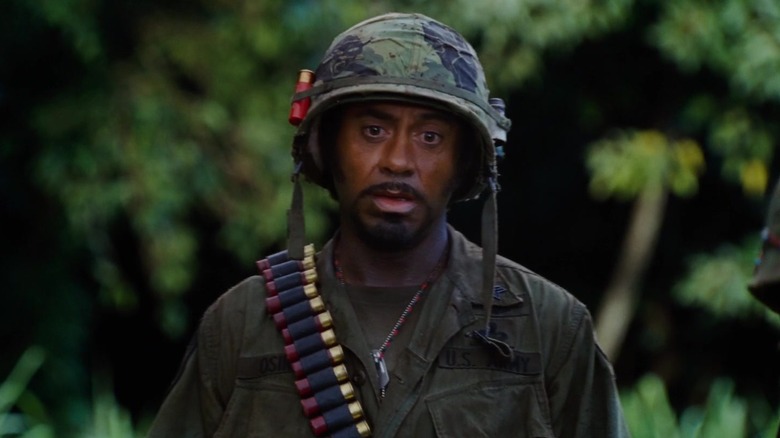
Foxx’s performance as a "white, racist cop" and Robert Downey Jr.’s portrayal of a Mexican character represent a "minefield of political incorrectness," as industry analysts have put it. While Tropic Thunder (2008) is widely cited as a masterpiece of satire that successfully navigated the use of blackface, the cultural climate has shifted dramatically in the years since. Today, even a nuanced intent behind such characterizations is frequently met with immediate, overwhelming backlash.
Furthermore, the film faces a secondary, and perhaps more insurmountable, obstacle: the reputation of its lead, Jeremy Piven. Following the #MeToo movement, Piven was subject to multiple allegations of sexual misconduct in 2017 and 2018. While Piven has denied these claims, the association of a film’s lead actor with such allegations often creates an insurmountable barrier for major distributors, who are increasingly risk-averse when it comes to brand alignment and PR fallout.
The Financial and Creative Implications
The financial reality of All-Star Weekend is peculiar. Because it was an independent, low-budget production, there was no massive studio slate to force a release. However, this also means there is no marketing machine or streaming service willing to take on the "reputational risk" of distributing it.
From a creative standpoint, the delay is a tragedy for those involved. Foxx has spoken repeatedly about the test audiences, claiming that despite the controversial subject matter, the film consistently garnered massive laughs. "We’re trying to break open those sensitive corners where people go back to laughing again," Foxx told CinemaBlend. His perspective suggests that he views the film as a brave, if misunderstood, attempt to push boundaries.
However, the industry perspective is far colder. For a distributor, the "juice must be worth the squeeze." If a film carries the risk of a viral social media boycott, a tarnished brand image for the distributor, and the likelihood of low critical favor, it is objectively cheaper to let the film rot in a digital vault than to spend the millions required for a release campaign.
Can the Ghost Ever Be Exorcised?
As of 2025, the prospects for All-Star Weekend appear bleaker than ever. In recent promotional cycles for his Netflix projects, such as Back in Action, Jamie Foxx has shifted from optimistic defender of the project to a more resigned observer. His recent anecdote about "knocking out Floyd Mayweather" in the film, delivered with a sense of finality, sounds more like a eulogy than a tease.
Could it eventually find a home on a niche streaming platform or a VOD service? Perhaps. History has shown that controversial media eventually leaks or finds a cult following decades later. However, the window of relevance for a basketball-themed comedy about the 2016 NBA landscape is closing fast. The film is currently a relic of a specific moment in Hollywood history—a moment when a superstar thought he could do anything, only to discover that the world had changed beneath his feet.
Ultimately, All-Star Weekend serves as a stark reminder of the power dynamic in modern cinema. It is a film that exists, is finished, and was once deemed "great" by its creator, yet it remains effectively non-existent. It is a ghost in the machine of the entertainment industry, haunting the legacy of one of its most talented performers, waiting for a release that the current cultural and corporate climate seems determined to deny it. Until the day, if ever, it is released, it will remain the most famous "lost" film of the 21st century.

 Nana
Nana
 Jia Lissa