Asro
Asro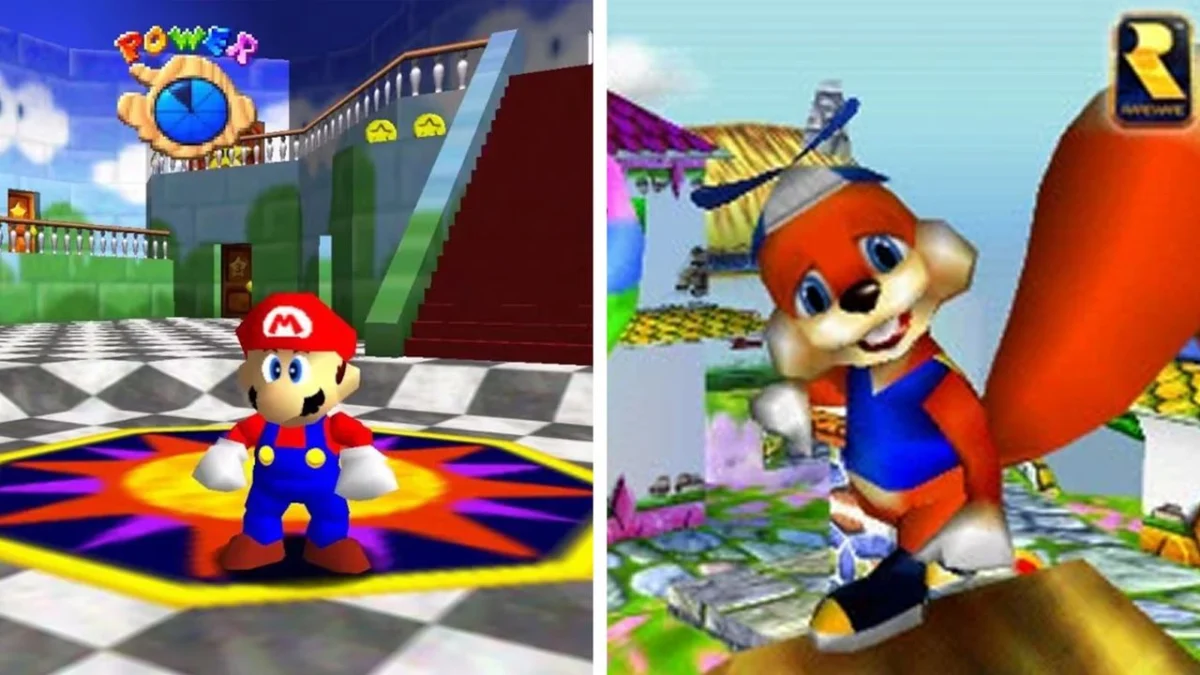
For over two decades, the Electronic Entertainment Expo—universally known as E3—was the gravitational center of the gaming universe. It was a chaotic, neon-drenched, and cacophonous pilgrimage where the world’s most influential developers, publishers, and journalists converged to witness the future of digital entertainment. It served as the primary battleground for the "console wars," turning product announcements into global cultural milestones that defined the rhythm of the industry.
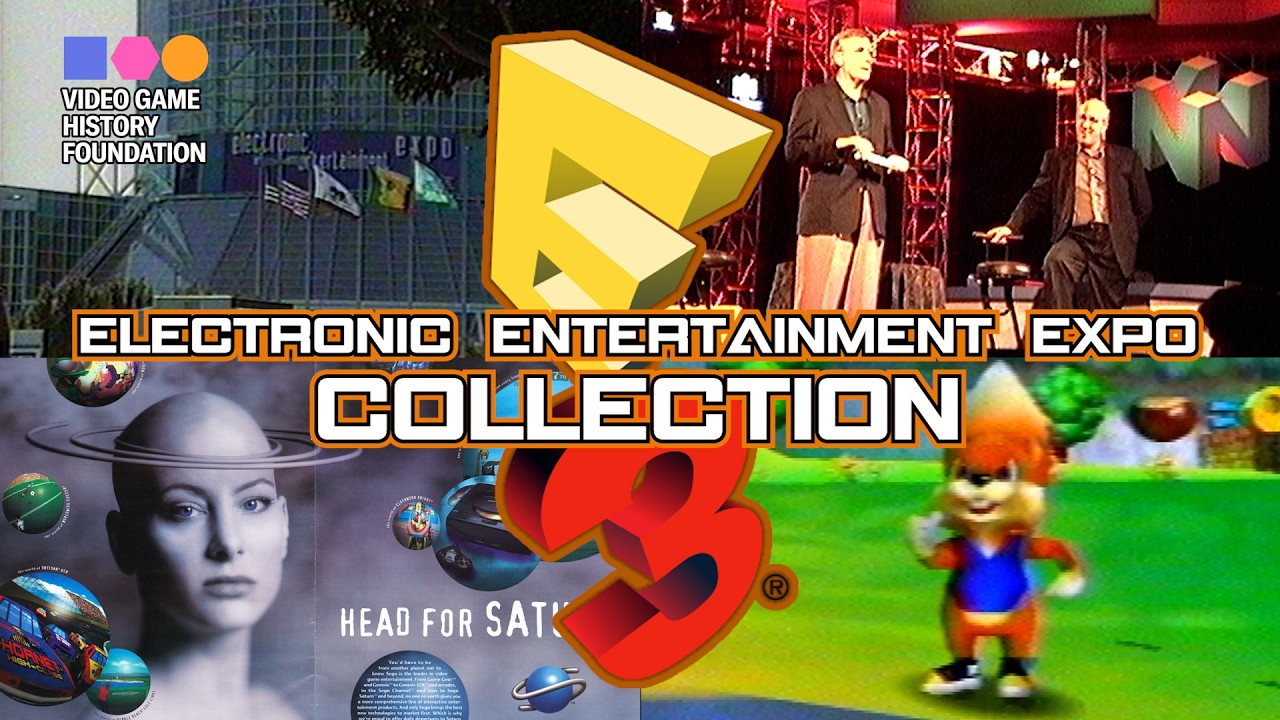
However, the event’s slow decline and eventual dissolution at the start of this decade left a void in the industry’s calendar. With tech giants like Sony, Microsoft, and Nintendo pivoting toward direct-to-consumer digital showcases, the Entertainment Software Association (ESA) struggled to find a sustainable identity in a post-pandemic world. Yet, as the dust settles, a new, digital preservation effort is ensuring that the legacy of E3 remains accessible. The Video Game History Foundation’s newly released archive is more than a trip down memory lane; it is a vital repository of the industry’s evolution, offering rare, behind-the-scenes glimpses into the making and unmaking of gaming history.
A Chronology of Influence: The Rise and Fall of E3
The genesis of E3 in 1995 marked a watershed moment for the medium. Before its inception, video games were often relegated to the fringes of the Consumer Electronics Show (CES), forced to compete for floor space with refrigerators, stereo systems, and office hardware. The creation of a dedicated expo signaled that gaming had matured into a distinct, high-value cultural force.
The Golden Age (1995–2005)
Throughout the late 90s and early 2000s, E3 became the definitive stage for industry titans. It was an era defined by physical spectacle: towering, multi-million dollar booths, theatrical press conferences, and the intense, palpable rivalry between hardware manufacturers. During these years, a single, well-timed announcement at the Los Angeles Convention Center could shift the trajectory of a company’s stock and define the next decade of home entertainment.
The Pivot and Struggle (2006–2019)
The cracks began to show as the industry evolved. As the internet matured, the need for a singular, physical meeting place diminished. Companies realized that they could control the narrative, save millions in overhead, and engage directly with their fanbases through digital streams. Following the rise of "Nintendo Directs" and "State of Play" events, the massive, expensive physical gathering began to look like an artifact of a bygone age.
The Final Curtain (2020–2023)
The global pandemic served as the final catalyst for the event’s demise. While the ESA attempted to pivot to digital formats, the magic had largely dissipated. In late 2023, the organization officially announced that E3 would not return, marking the end of an era that had shaped the lives of millions of gamers.
The Archive: Unearthing Hidden Gems
The Video Game History Foundation (VGHF) has embarked on a monumental task: digitizing and preserving the chaotic history of these events. Their collection, now available to the public, is a treasure trove of ephemera—brochures, press kits, guest passes, and internal reports that were once discarded as trash.
Lost Media and Unfinished Dreams
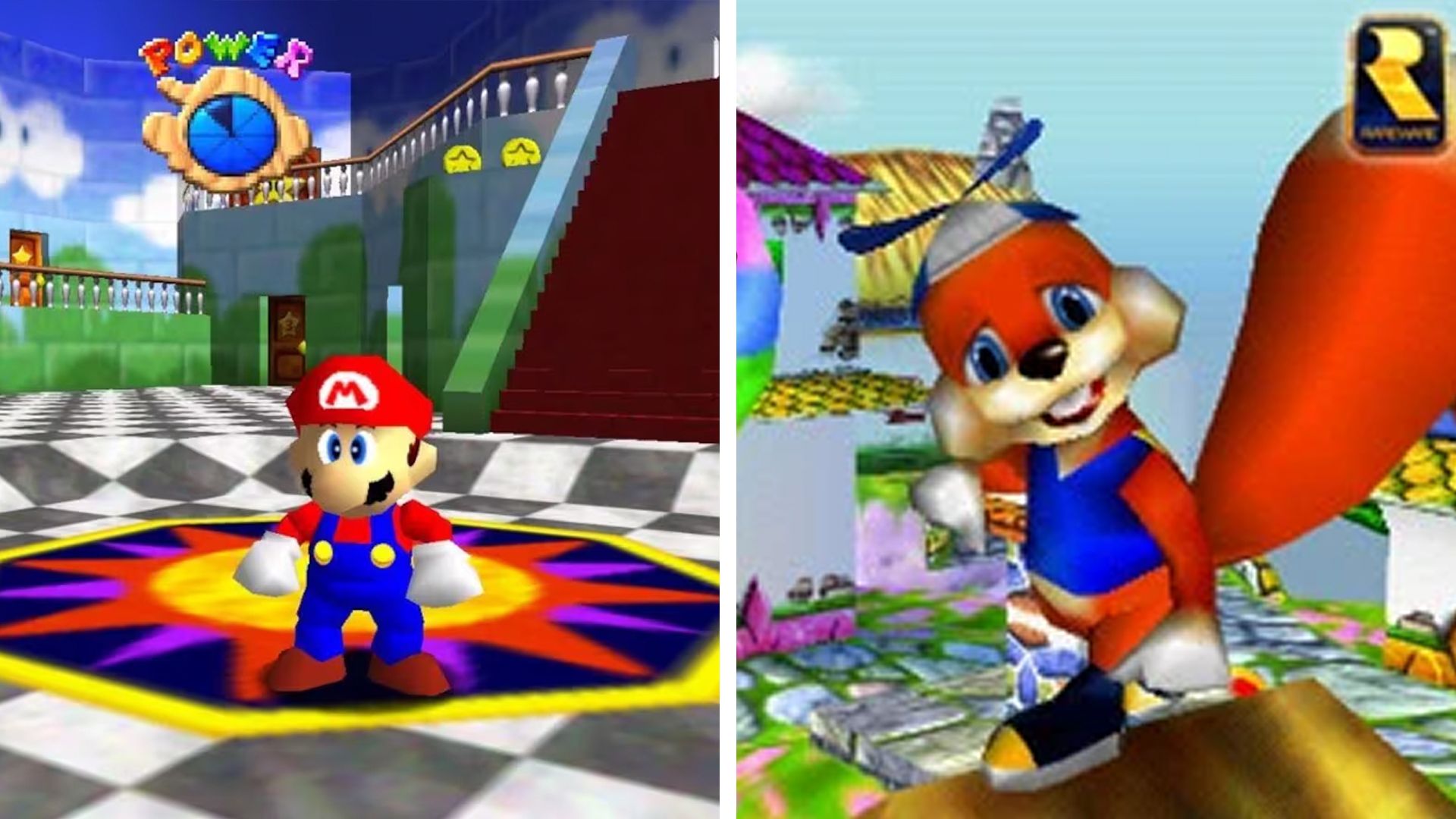
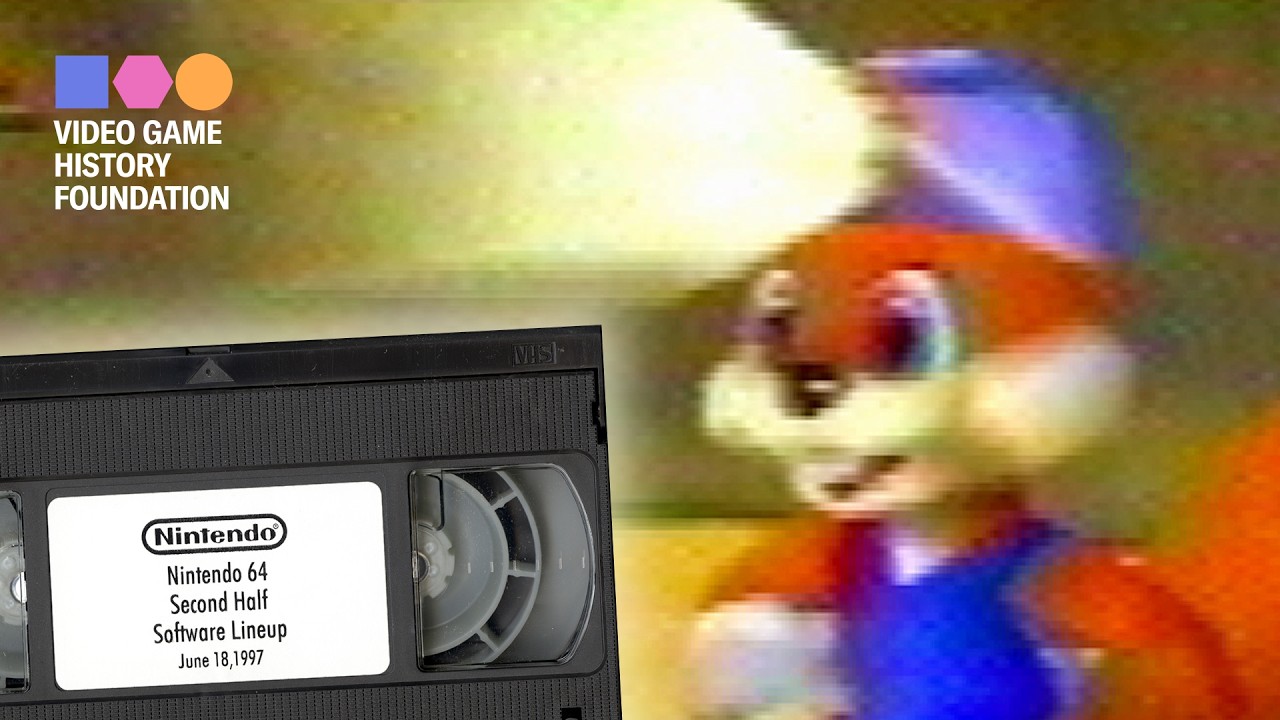
Perhaps the most captivating element of the archive is the recovery of "lost media." One of the most notable inclusions is high-quality, long-lost footage of Conker’s Quest. Shown at E3 1997, the footage reveals a game that never actually reached store shelves in that form. Originally envisioned as a cute, family-friendly platformer, the project was later scrapped, only to be reworked into the irreverent, adult-oriented Conker’s Bad Fur Day.
This, along with direct-feed capture of early Atari Jaguar titles and candid B-roll tapes from the 1997 Nintendo floor, provides researchers with a roadmap of how the industry’s creative process actually worked. We are not just seeing the finished products, but the prototypes and the pivots that define the iterative nature of software development.
The Carolyn Rauch Collection
A cornerstone of this archive is the donation from Carolyn Rauch, a founding member of the Interactive Digital Software Association (IDSA), which eventually became the ESA. Her collection includes over 1,000 pages of industry documentation. For those interested in the business of gaming, this is a goldmine. It offers a rare look at the logistics of trade shows—such as the revelation that in 1999, companies were charged $25,000 simply to place a logo on the event’s badge lanyards. These details provide a unique window into the hyper-commercialization of the industry during the turn of the millennium.
Data and Implications: Why Preservation Matters
The VGHF archive is not merely for nostalgic enthusiasts; it serves a pedagogical and historical function. By documenting the marketing, the booth design, and the panel transcripts, the Foundation is building a framework to understand how the medium of gaming communicated its value to the public.
The Shift in Marketing Paradigms
Looking back at the documents provided by the VGHF, one can track the transition of gaming from a niche hobby to a dominant global industry. The transition from the "hardware-heavy" focus of the 90s to the "service-oriented" focus of the 2010s is clearly visible in the evolution of the press kits.
Academic and Professional Value
For current developers and designers, these archives are instructive. Understanding how previous generations of creators pitched their concepts, how they handled criticism, and how they adapted to market shifts is invaluable. Whether it is an analysis of a failed magazine collaboration like GirlGamer (a joint project with Nintendo that ceased publication in 2007) or observing the floor traffic patterns of the early 2000s, there is a wealth of actionable intelligence hidden in these records.
Official Perspectives and Future Outlook
The disappearance of E3 has forced the industry into a period of reflection. While some critics argue that the decentralized model is more efficient, others—including many veterans of the industry—lament the loss of the "watercooler" effect. E3 was where the industry met itself. Without it, the cross-pollination of ideas between developers, journalists, and investors has arguably suffered.
A Decentralized Future
The current landscape is defined by fragmented, proprietary events. While this gives companies absolute control over their messaging, it also creates an "echo chamber" effect. The VGHF’s project serves as a reminder that history is fragile. Without intentional preservation, the records of these major cultural shifts—the trailers, the flyers, the transcripts—would simply vanish into the ether of digital obsolescence.
Looking Ahead: Entering the Industry
For those inspired by this trip down memory lane to join the industry, the landscape is vastly different today than it was at the 1995 expo. The barrier to entry has shifted from requiring massive capital for physical marketing to requiring a robust digital portfolio and mastery of modern game engines.
As we analyze these archives, we learn that the one constant in gaming is change. Just as Conker’s Quest had to die so that Bad Fur Day could live, the industry must be willing to let go of its past structures to innovate new ones. However, as the Video Game History Foundation proves, letting go of the format does not mean letting go of the history.
Conclusion: The Digital Library of Alexandria
The efforts of the Video Game History Foundation serve as a vital bridge between the analog past and the digital future. By rescuing these materials from the brink of obscurity, they have ensured that the history of interactive entertainment is not just a collection of memories, but a documented, studied, and preserved academic discipline.
Whether you are a developer looking for inspiration, a historian documenting the rise of digital culture, or simply a fan who wants to see what the world of gaming looked like before the age of the algorithm, the E3 archives offer a profound look at the DNA of the games we play today. The expo may be dead, but through this collection, its influence remains immortalized.
For those interested in exploring the archives, the Video Game History Foundation’s full collection of digitized materials, including the Anthony Parisi videos and the Carolyn Rauch papers, is available to view online for free at gamehistory.org.


 Sagoh
Sagoh
 Lina Irawan