
The 2000s represent a watershed decade for role-playing games (RPGs). If you were a fan of the genre in the year 2000, you were living in the immediate, golden wake of Final Fantasy VII, a title that had effectively dismantled the barrier between niche Japanese design and the mainstream Western gaming consciousness. However, as the new millennium dawned, the industry was on the precipice of a hardware revolution that would fundamentally alter how developers approached interactive storytelling.
The transition from the fifth generation of consoles to the sixth—marked by the leap from the original PlayStation to the PlayStation 2, the debut of the Microsoft Xbox, and the sleeper-hit power of the Nintendo GameCube—gave designers an unprecedented canvas. With increased processing power and memory, developers were no longer constrained to pre-rendered backgrounds or rigid, turn-based limitations. They could build immersive, three-dimensional worlds where the player’s agency—not just their tactical prowess—became the primary metric of success.
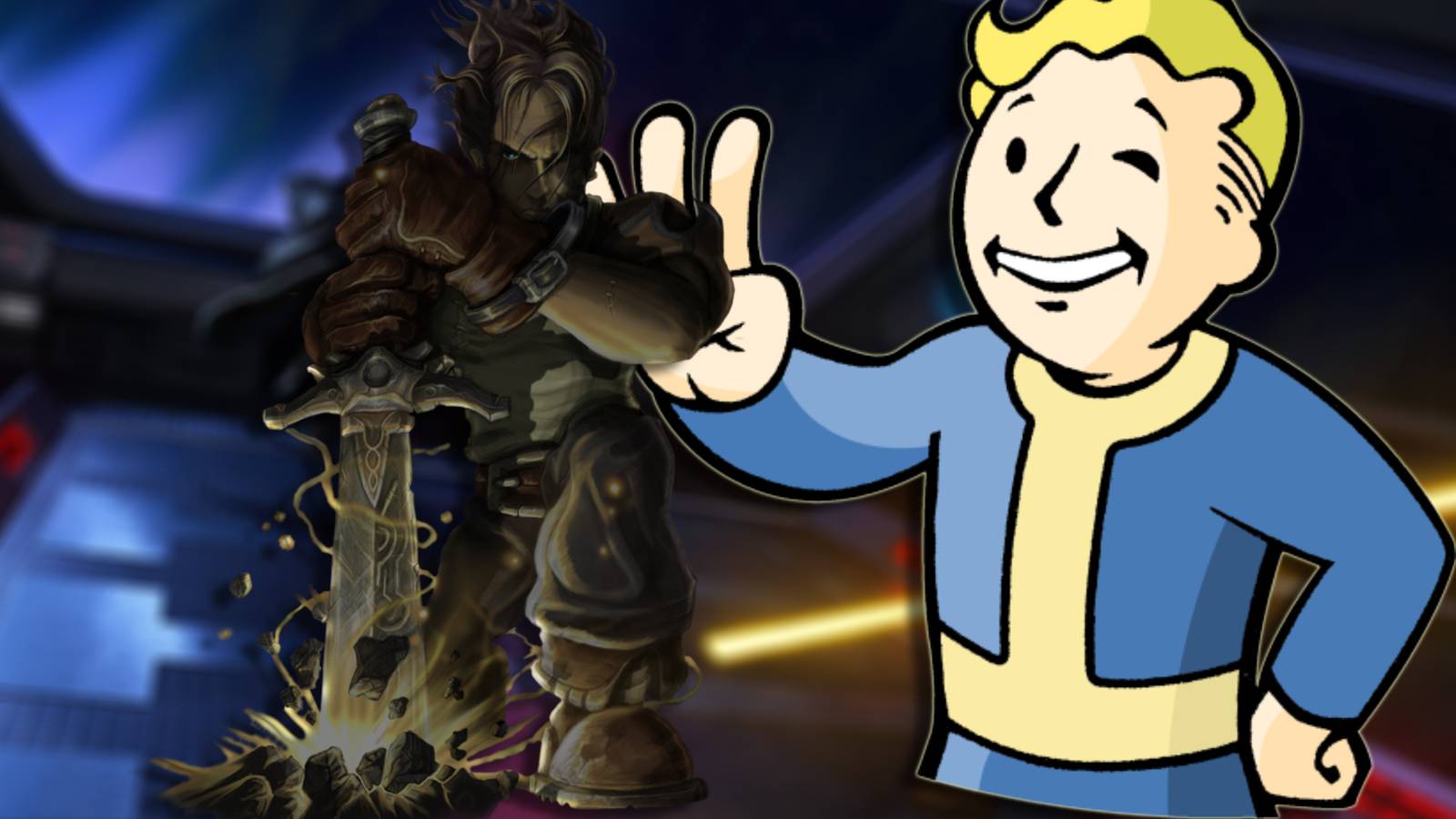
While our previous list explored the monumental impact of JRPGs during this era, the Western RPG scene was simultaneously undergoing its own "Big Bang." From the rise of moral alignment systems to the birth of the modern open-world sandbox, the following ten titles defined the 2000s.
The Technological Pivot: A New Era of Immersion
At the turn of the millennium, "RPG" was no longer synonymous with fixed camera angles and text-heavy menus. The 2000s saw the marriage of high-fidelity 3D environments with complex, branching narratives. Developers like BioWare, Bethesda, and Ion Storm were not just creating games; they were crafting simulators of consequence.
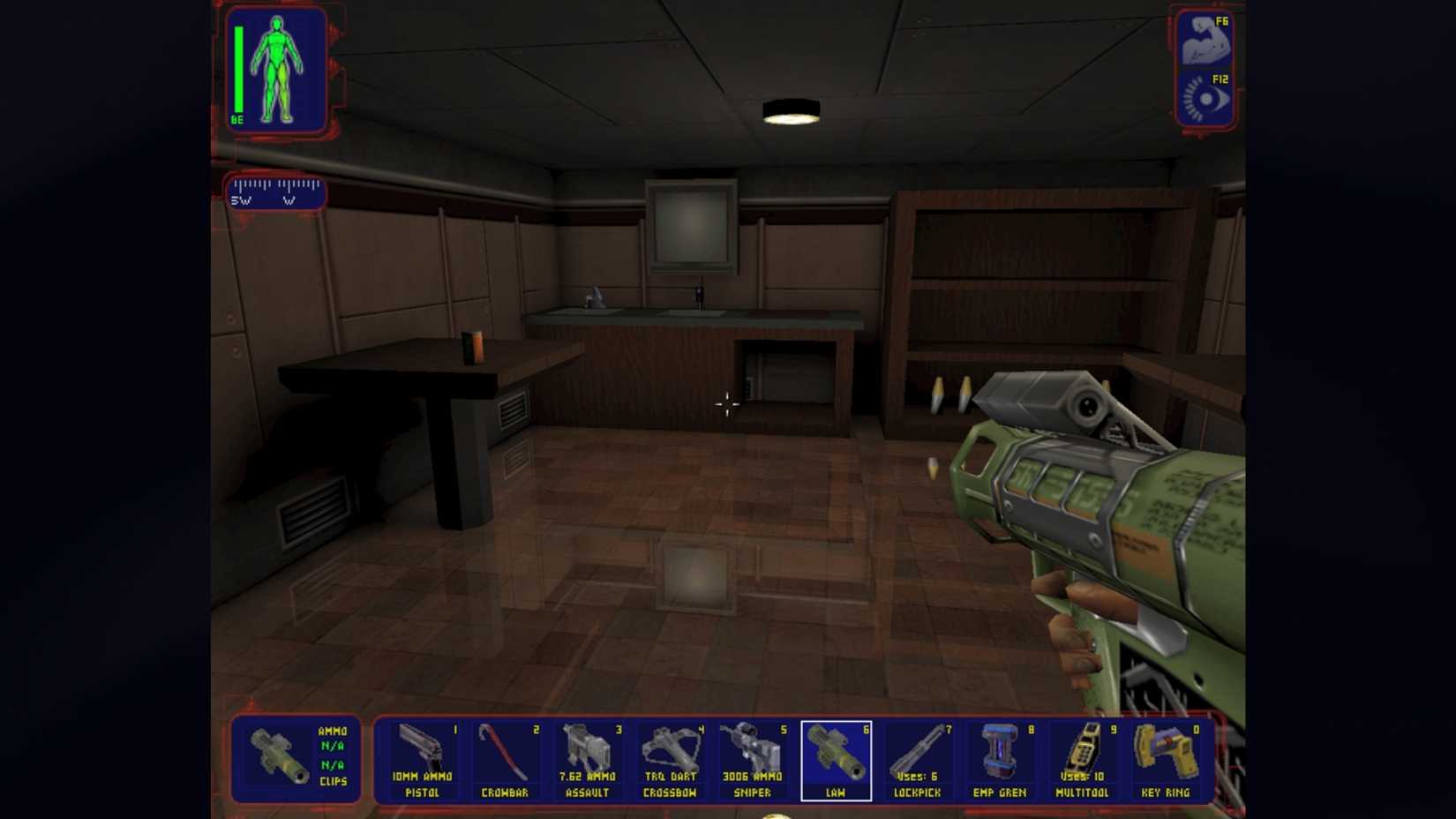
10. Deus Ex (2000)
Deus Ex arrived in the summer of 2000, and it remains a hauntingly relevant blueprint for modern design. By seamlessly blending the first-person shooter with deep, systemic RPG mechanics, Ion Storm created a playground of choice. Whether you chose to solve a problem through high-tech hacking, stealthy infiltration, or brute force, the game never punished the player for their playstyle. Titles like Cyberpunk 2077 and Kingdom Come: Deliverance owe their structural DNA to the freedom found in JC Denton’s neon-drenched conspiracy.
9. Fable (2004)
Peter Molyneux’s Fable is often remembered for the promises that didn’t quite make it into the final code—the "acorn that grows into a tree" anecdote is now the stuff of industry legend. However, once you strip away the over-eager pre-release hype, what remains is an exceptionally tight, darkly humorous action RPG. Fable mastered the art of cosmetic and narrative reaction; your character’s appearance changed based on your moral alignment, a feature that felt revolutionary at the time.

8. Star Wars: Knights of the Old Republic (2003)
Before KOTOR, BioWare was known for their adherence to the Dungeons & Dragons rulebook. With Knights of the Old Republic, they pivoted to the Star Wars universe, and in doing so, they created one of the most important games in history. The morality system—Light Side vs. Dark Side—was not just a mechanic; it was the engine of the plot. The game’s final act contains a narrative twist that remains the gold standard for RPG storytelling to this day.
7. Vampire: The Masquerade – Bloodlines (2004)
Bloodlines is the ultimate "cult classic." Built on Valve’s Source engine, it offered a level of atmosphere and narrative density that few games have matched since. It was a dark, gritty, and deeply political look at vampire society in Los Angeles. Despite a troubled, bug-ridden launch, the game was rescued by a dedicated fan community, proving that if the writing and world-building are strong enough, players will keep a game alive for decades.
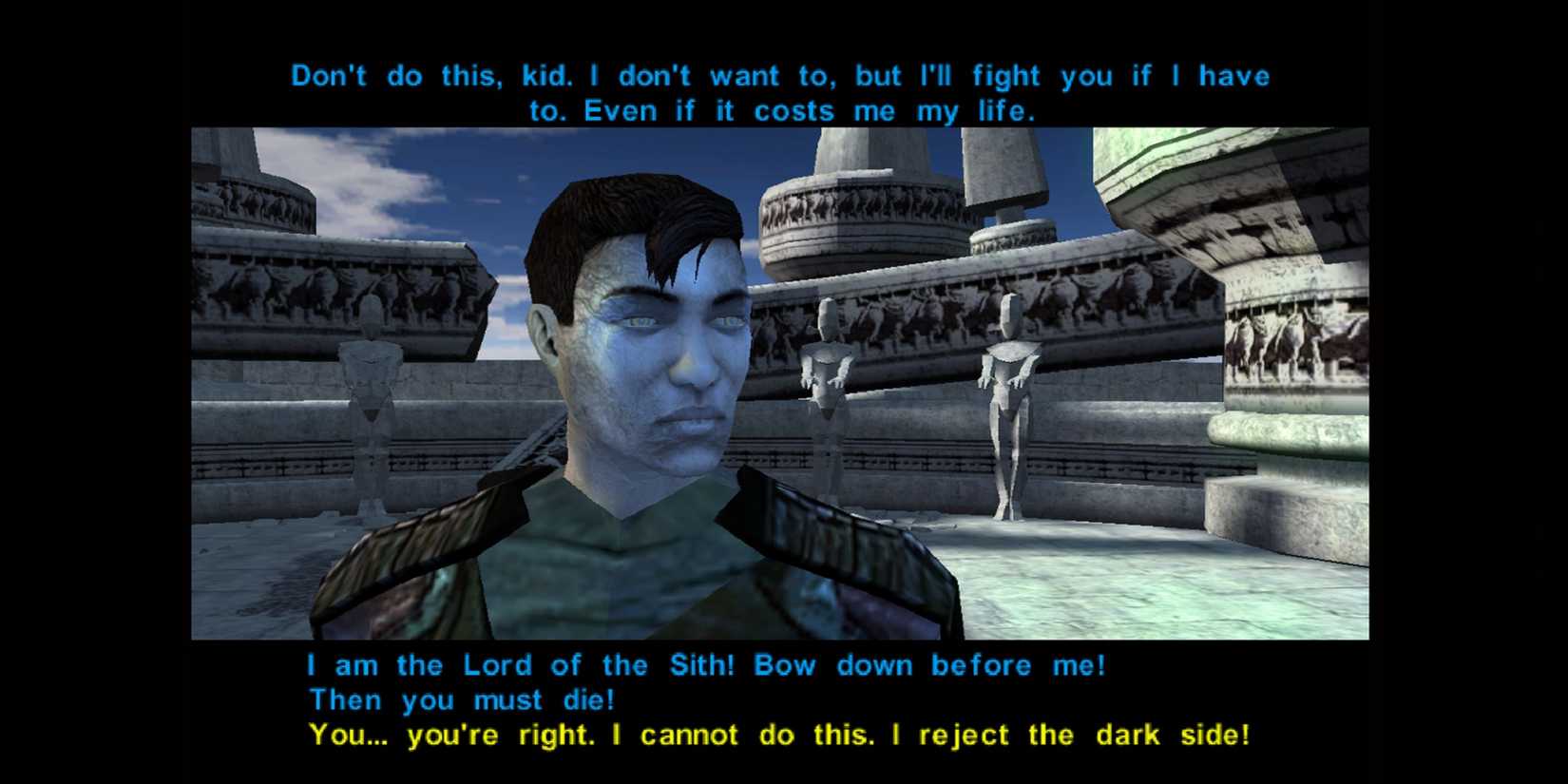
6. World of Warcraft (2004)
To ignore the impact of World of Warcraft would be to ignore the most significant shift in gaming culture in the 21st century. By taking the MMORPG genre and making it accessible, social, and endlessly expansive, Blizzard created a digital home for millions. WoW wasn’t just a game; it was a societal phenomenon that bridged the gap between single-player narrative depth and the chaotic, rewarding nature of persistent online worlds.
Chronology of Innovation: From D&D to Open Worlds
As the decade progressed, the industry moved from linear, story-focused experiences toward the sprawling open-world architectures that dominate today’s market.

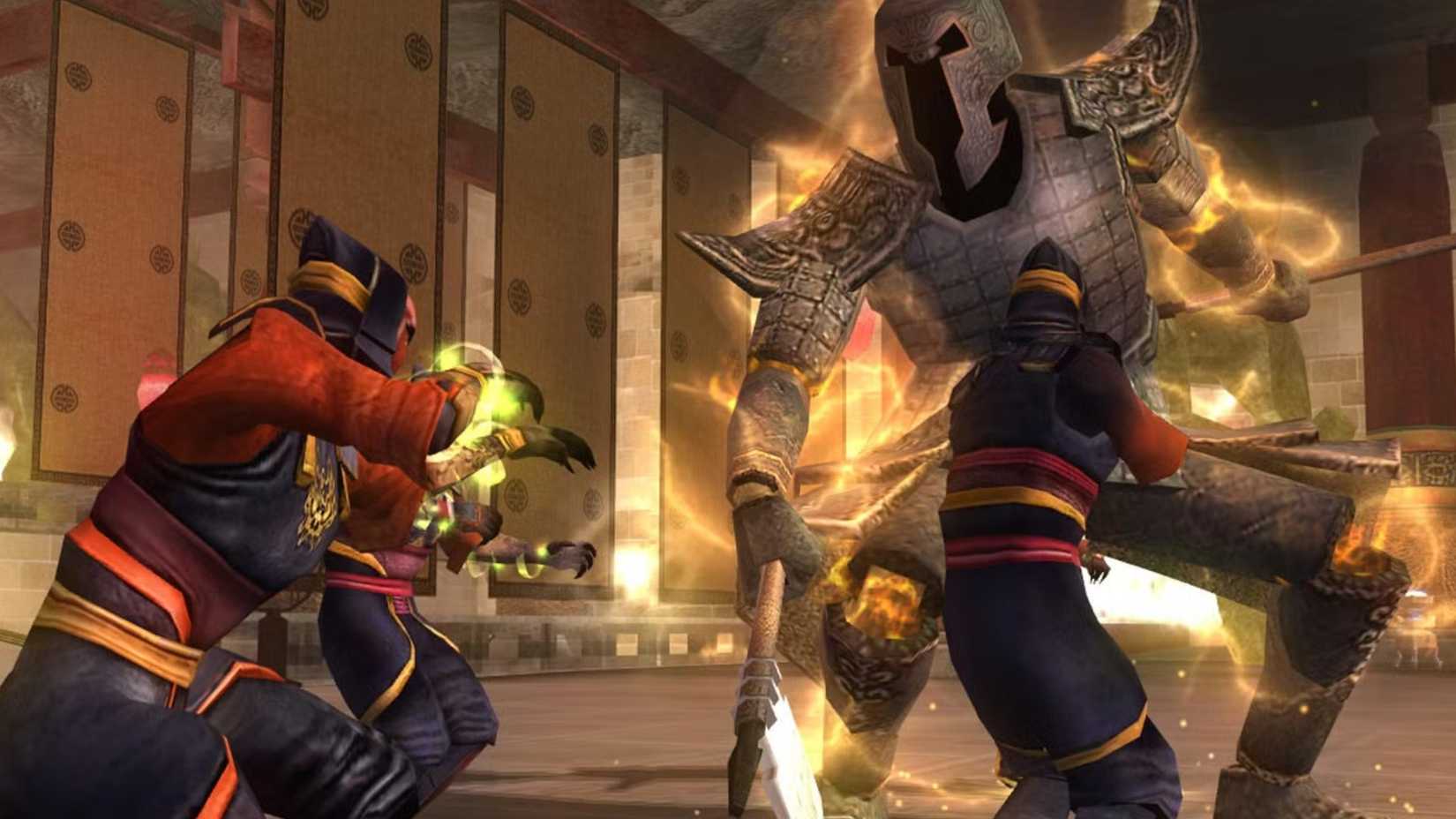
5. Jade Empire (2005)
Often overshadowed by the looming success of Mass Effect, Jade Empire remains BioWare’s most unique experiment. By replacing standard Western fantasy tropes with a setting inspired by ancient Chinese mythology and martial arts cinema, the developers showcased a remarkable range. It was a game that dared to be different, offering a combat system that felt kinetic and responsive, set against a backdrop of vibrant, hand-painted landscapes.
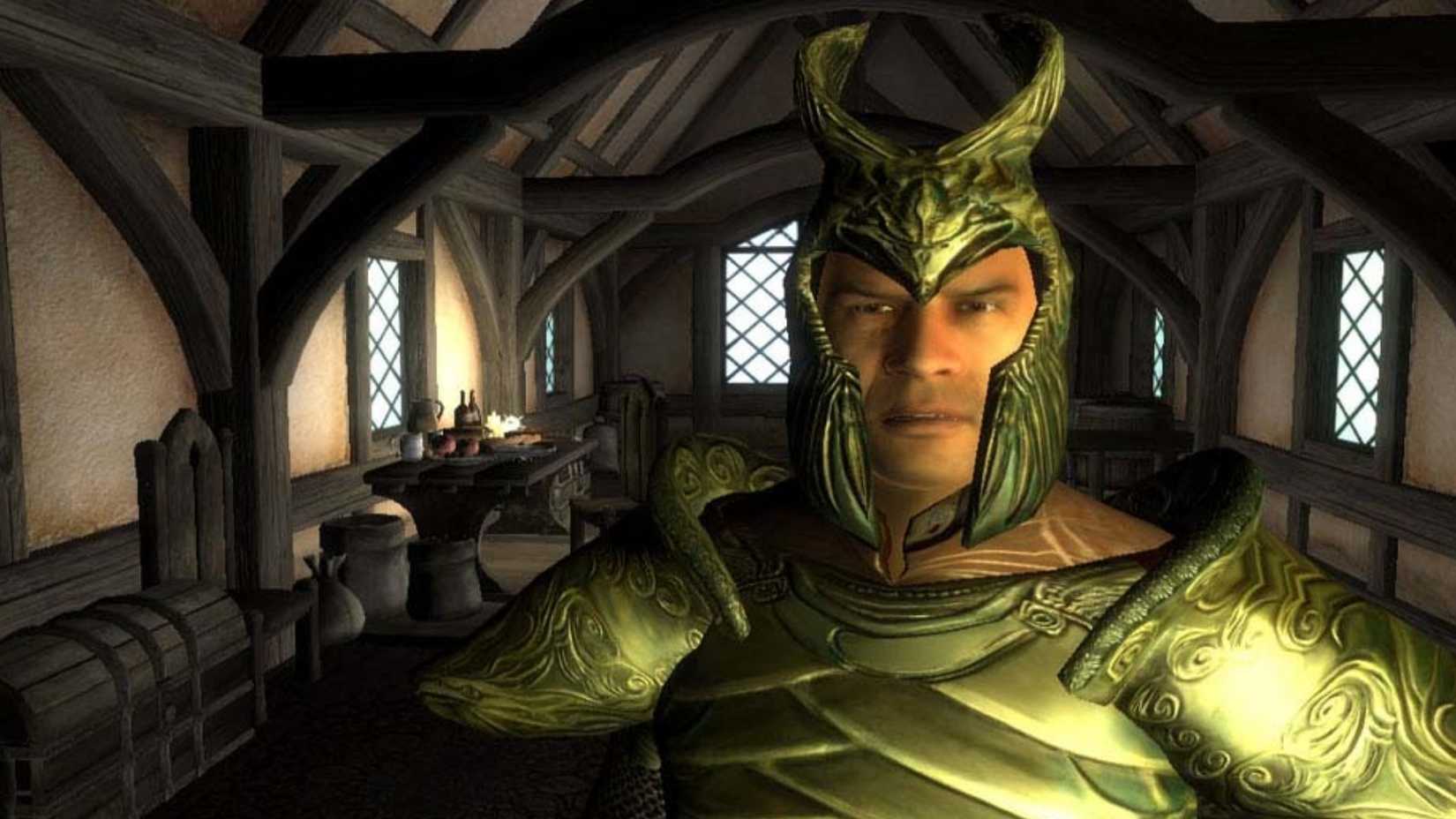
4. The Elder Scrolls IV: Oblivion (2006)
When Bethesda brought The Elder Scrolls to the Xbox 360 and PS3, they did more than just improve the graphics—they changed the scale of the RPG. Oblivion introduced a world where NPCs had schedules, lives, and motivations. The sheer level of "radiant" interaction between characters and the environment made the province of Cyrodiil feel truly alive. It was also the game that introduced the infamous "Horse Armor" DLC, inadvertently changing the future of the entire industry’s monetization models.

3. Baldur’s Gate II: Shadows of Amn (2000)
If Baldur’s Gate III is the king of modern RPGs, its ancestor, Shadows of Amn, was the monarch of the turn-of-the-millennium. This title marked the moment BioWare truly hit their stride in terms of character-driven drama. It was here that the "romance" sub-plot became a staple of the studio’s design, creating deep, emotional bonds between the player and their party members. It remains the definitive adaptation of the Dungeons & Dragons ruleset.
Supporting Data and The Evolution of Mechanics
The shift in design philosophy during this era is evidenced by the changing role of the player. In 2000, games were about "beating the system." By 2009, they were about "living in a world."
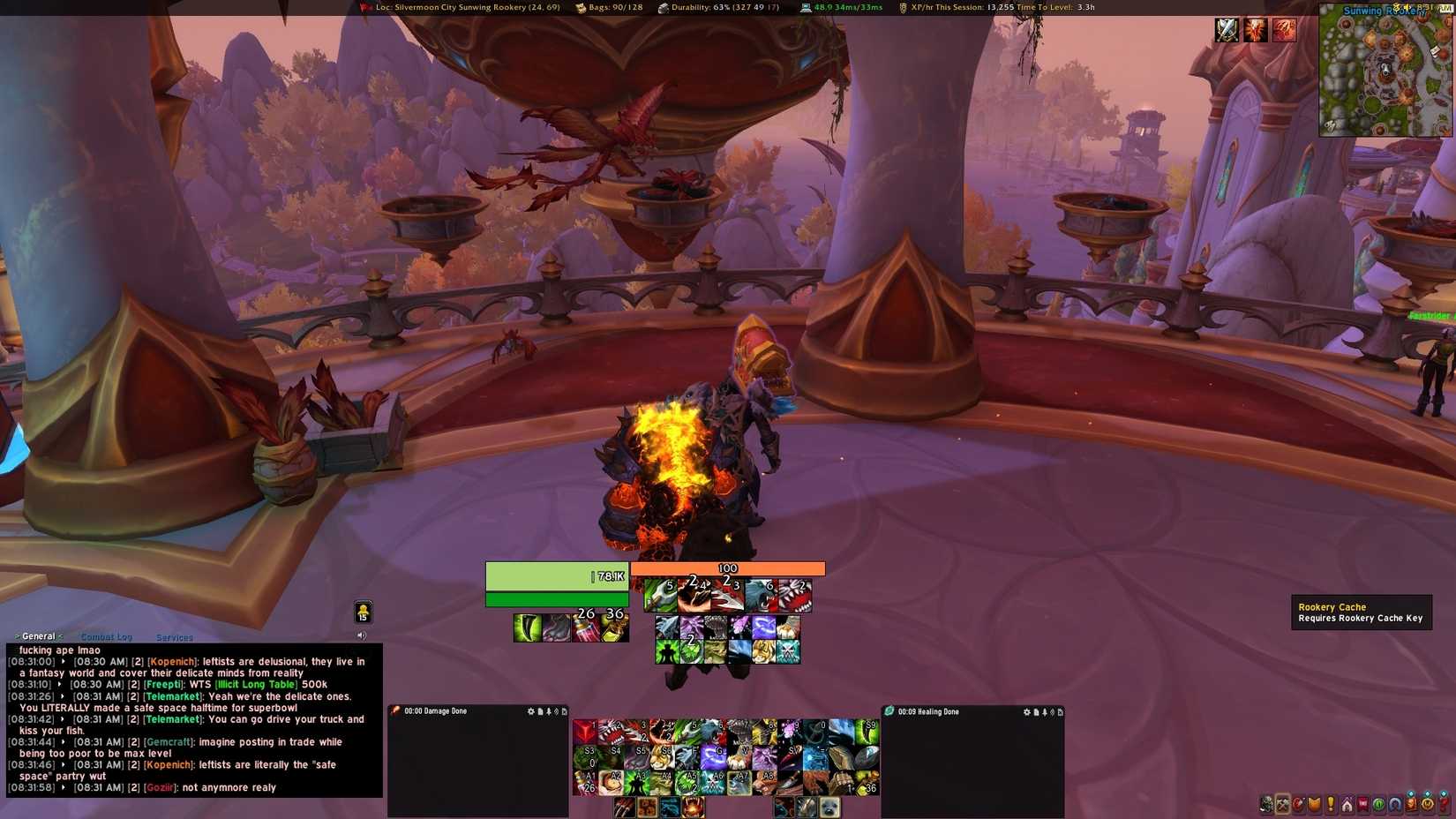
2. Dragon Age: Origins (2009)
As the decade closed, BioWare released Dragon Age: Origins, a game designed as a "spiritual successor" to their earlier Baldur’s Gate work. It was a masterclass in synthesis—it combined the tactical depth of the old-school isometric games with the cinematic flair and character-focused writing that defined their 2000s output. With its complex "Origin" stories, it offered a level of replayability that few modern titles have been able to replicate.
1. Fallout 3 (2008)
When Bethesda purchased the rights to Fallout, there was significant skepticism. How could the creators of The Elder Scrolls handle the dark, cynical humor of the post-apocalyptic Fallout? The answer was Fallout 3. By successfully integrating the V.A.T.S. system, they bridged the gap between tactical turn-based strategy and the modern first-person experience. It transformed a niche PC franchise into a massive, multi-platform blockbuster, cementing the open-world RPG as the dominant force in the gaming industry.
Implications for Modern Gaming
The RPGs of the 2000s established the "pillars" of modern gaming: player choice, branching dialogue, environmental storytelling, and the moral gray area.
Official Industry Responses:
Industry analysts have often pointed to the 2000s as the "Wild West" of development. During this period, studios were granted larger budgets than ever before, but had fewer established "rules" for success. This led to high-risk, high-reward projects like Vampire: The Masquerade – Bloodlines. Today, publishers are more risk-averse, which is why the legacy of these titles is so critical; they serve as the foundational research for the massive titles released today.
Looking Ahead:
The lessons learned from Deus Ex’s player agency or Oblivion’s vast world-building are the bedrock upon which modern studios operate. The 2000s proved that gamers were hungry for more than just high scores—they were hungry for roles to play and worlds to inhabit. As we move further into the 2020s, the "Golden Age" of the 2000s remains the benchmark, a reminder that the best RPGs are those that treat the player’s decisions not as hurdles to overcome, but as the very heartbeat of the narrative experience.