In the mid-2010s, the fashion landscape was dominated by "flex culture." It was an era defined by hyper-visible monograms, logomania, and a relentless desire to broadcast wealth through ostentatious branding. Fast cars, designer tracksuits, and emblazoned logos were the primary currency of the influencer age. However, as the fashion pendulum inevitably swings, the industry has transitioned into a new, more discerning era: the reign of "quiet luxury."
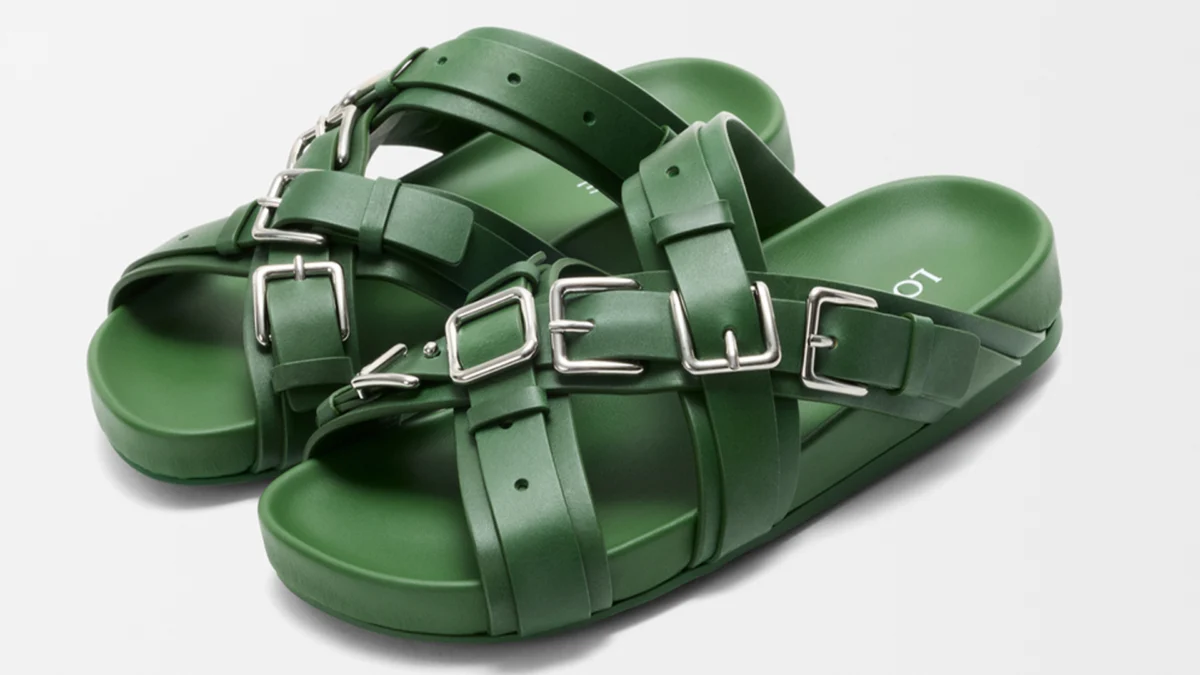
In this climate, brands are finding that the loudest statement is often the one that whispers. Spanish luxury powerhouse Loewe has become a master of this pivot, recently unveiling a design that is as much an exercise in industrial engineering as it is in fashion: the Type Fussbett sandal. By turning a mundane functional element into a sophisticated branding exercise, Loewe is setting a new benchmark for how legacy houses can remain relevant without sacrificing elegance.
The Evolution of Luxury: From Bling to Bespoke
The shift away from "loud luxury" was not an overnight phenomenon. For years, major fashion houses relied on bold, repeating logos to signal status. Yet, as the market became oversaturated with mass-produced monogrammed goods, the cachet of such designs began to wane. Consumers, particularly Gen Z and Millennial cohorts, began seeking authenticity and craftsmanship over mere surface-level branding.
Loewe, under the creative direction of Jonathan Anderson, has consistently navigated this transition with grace. Rather than abandoning logos entirely, the brand has opted to integrate them into the fabric of their products, favoring subtlety over billboard-style advertising. The Type Fussbett sandal is perhaps the most refined example of this philosophy to date.
A Technical Breakdown: The Architecture of the Type Fussbett
At first glance, the Type Fussbett sandal appears to be a triumph of minimalist, orthopedic-inspired design. It features a sturdy, comfortable sole and a classic, wide-strap silhouette. However, the true genius lies in the hardware.
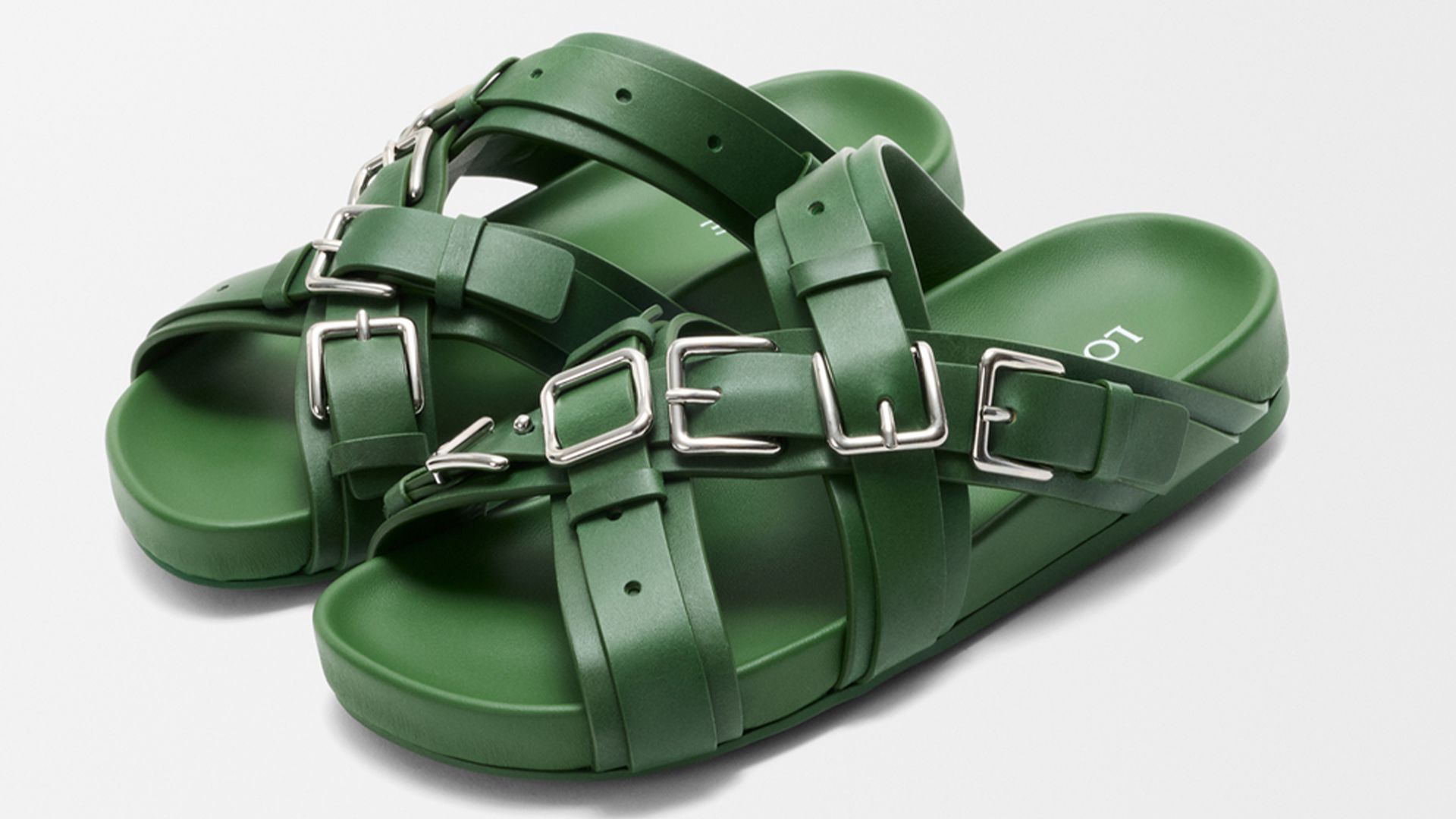
The buckles, which would traditionally be a standard utilitarian component, have been reimagined as the brand’s logo. Instead of printing the name "Loewe" on the leather, the designers have sculpted the metal hardware to spell out the brand’s name. It is a "blink and you miss it" detail—the kind of design choice that rewards the observant. Once the wearer or the bystander realizes that the functional buckle is actually a cleverly rendered logo, the effect is irreversible; it becomes the defining feature of the shoe.
The Craftsmanship Behind the Concept
This design choice is not merely an aesthetic flourish; it represents a commitment to integrated branding. By utilizing the physical structure of the product to communicate identity, Loewe avoids the "tackiness" often associated with overt logos. The hardware requires precision casting and a high level of metalwork, elevating the shoe from a simple piece of footwear to a curated accessory. This alignment of form and function is the hallmark of modern luxury, where the value lies in the hidden details rather than the visible logo.
A Chronology of the Quiet Luxury Movement
To understand the significance of the Type Fussbett, one must look at the timeline of the recent shift in consumer preference:
- 2015–2018 (The Peak of Logomania): Brands such as Gucci and Balenciaga dominated the market by leaning heavily into streetwear aesthetics and oversized, repeating logos.
- 2019–2021 (The Retrenchment): As the market grew weary of repetitive branding, the COVID-19 pandemic further accelerated the demand for comfortable, "functional" fashion. The "Fussbett" (a German term for a contoured footbed) style gained massive popularity as consumers prioritized comfort.
- 2022–Present (The Rise of Stealth Wealth): The current era, often described as "quiet luxury," emphasizes quality materials, neutral palettes, and subtle branding. Loewe’s move to hide its logo in the hardware of its most popular sandal style perfectly mirrors this broader cultural shift.
Consumer Reception: The "Ugly-Chic" Paradox
Despite the brand’s prestige, the launch of the Type Fussbett has ignited a spirited debate across social media platforms. The reaction is a fascinating case study in modern consumer psychology, often oscillating between repulsion and obsession.
One enthusiast remarked, "I would buy them simply for the creativity in that hardware," highlighting the appreciation for the industrial design. Conversely, others were more conflicted. One user noted, "They’re ugly, but the concept is so ‘gaggy’ [striking/impactful] that I rounded back to loving them."
This "ugly-chic" aesthetic—a hallmark of contemporary high fashion—is a powerful driver of engagement. By producing an item that is slightly unconventional, brands create a "conversation piece." Whether the viewer finds them objectively beautiful or quirkily repulsive, the result is the same: the product captures attention, cementing its status as an iconic item of the season.
Implications for the Future of Branding
The success of the Type Fussbett sandal has significant implications for the wider fashion and luxury goods industry. It signals that:
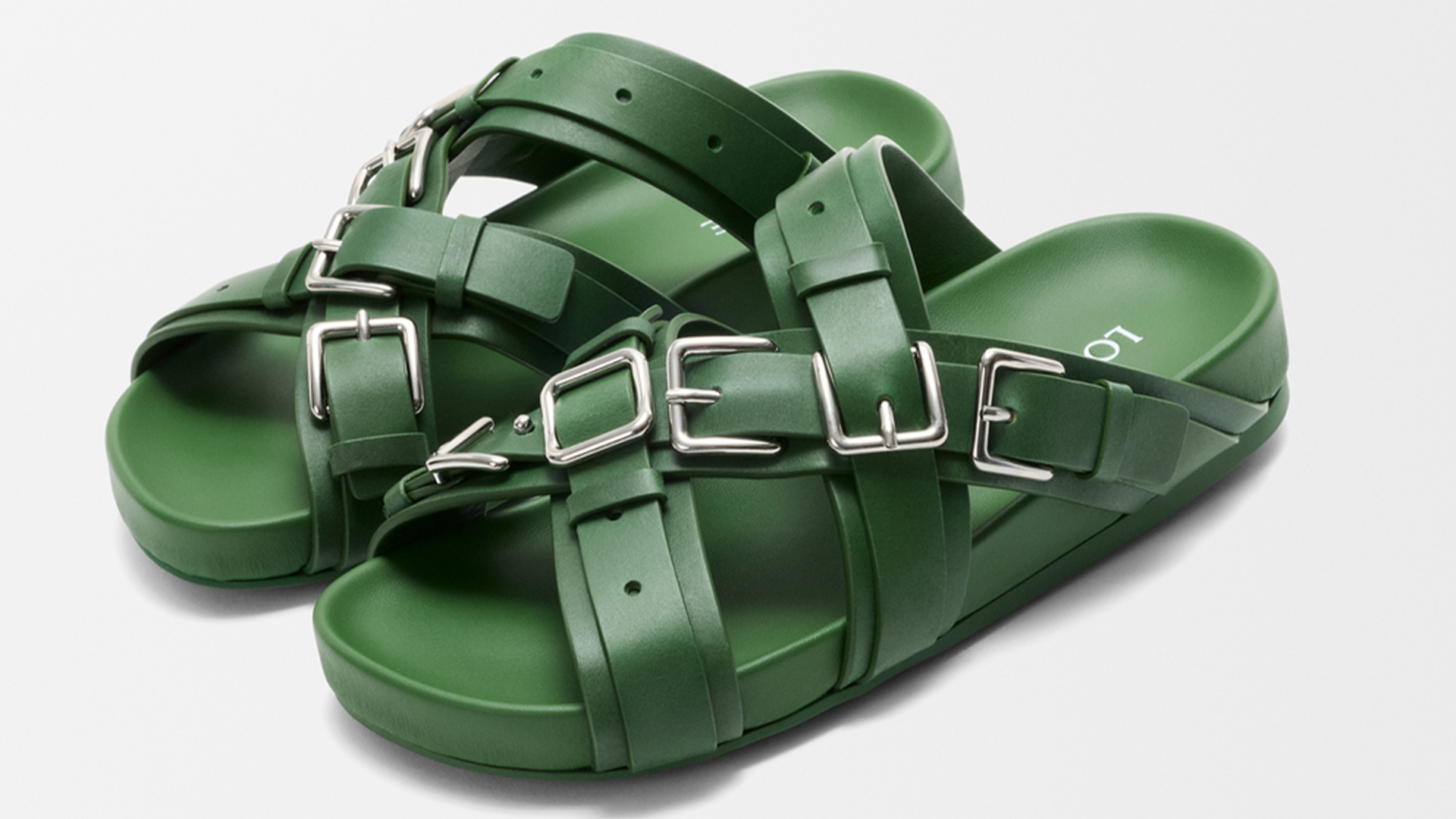
- Hardware is the New Canvas: Designers are increasingly looking at buckles, zippers, and clasps as opportunities for branding. This is a subtle way to maintain brand identity without cluttering the silhouette.
- Functionality is Non-Negotiable: Luxury consumers no longer accept uncomfortable or impractical items simply for the sake of a label. The "Fussbett" design proves that high-fashion aesthetics must now coexist with orthopedic-level comfort.
- The Death of the "Billboard" Logo: The era of wearing a brand’s name across one’s chest is fading. The future of luxury lies in the "Easter egg"—details that require a degree of familiarity or proximity to appreciate.
Expert Perspectives on Design
Design critics have long argued that the best branding is that which feels inevitable. When a brand like Loewe successfully hides its name in plain sight, it creates a sense of exclusivity. It serves as a "shibboleth"—a signifier that allows those "in the know" to identify fellow enthusiasts.
In the world of luxury, this is a powerful psychological tool. It transforms the owner from a walking billboard into a member of an exclusive club. As Jonathan Anderson continues to steer the ship at Loewe, it is clear that he is prioritizing this kind of intellectual engagement with the customer. The brand is no longer just selling a shoe; it is selling a piece of design history.
Conclusion: The Quiet Revolution
Loewe’s Type Fussbett sandals are more than just a summer trend; they are a manifesto for the future of luxury. In a world where we are constantly bombarded by information and imagery, the ability to be subtle is a rare and valuable skill.
By deconstructing the traditional logo and rebuilding it within the functional hardware of a sandal, Loewe has managed to honor its heritage while embracing the demands of the modern consumer. Whether or not you personally find the aesthetic appealing, the ingenuity of the concept is undeniable. As we look toward the future of fashion, it is likely that we will see more brands following this path—moving away from the loud, repetitive branding of the past and toward a more thoughtful, nuanced, and ultimately more permanent expression of luxury.
For the design-conscious consumer, the message is clear: if you want to know who someone is wearing, look a little closer. The best branding is no longer on the surface; it’s in the details.