Reynand Wu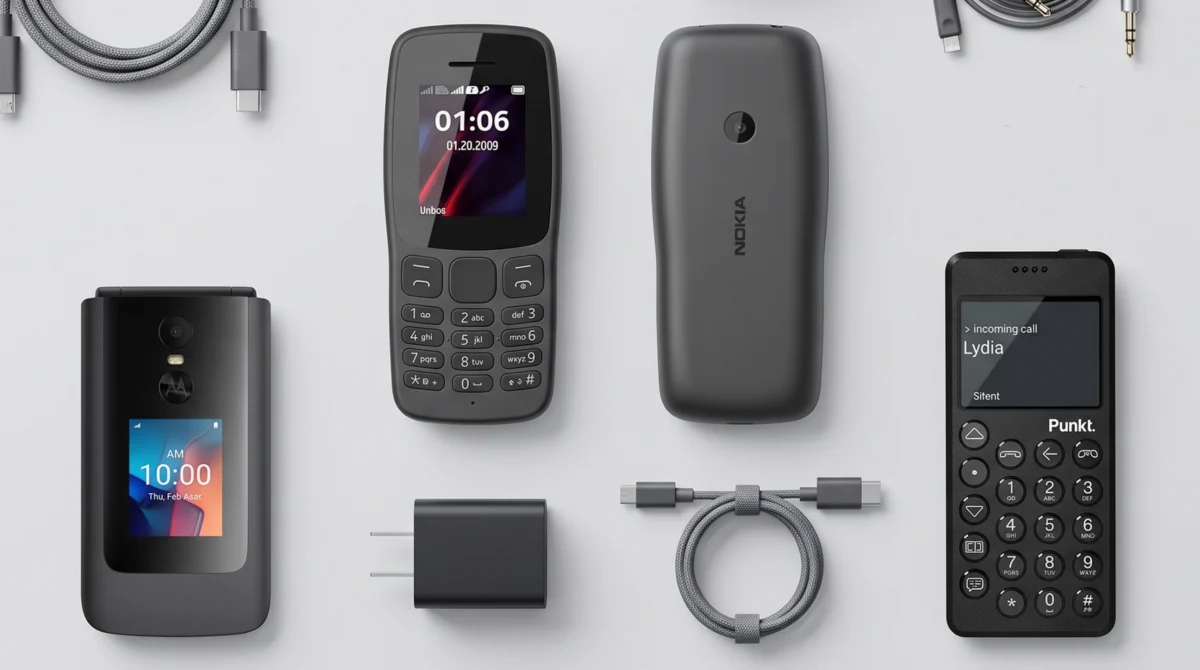
After months of fevered speculation, industry rumors, and leaks that dominated the tech news cycle, Apple has finally pulled back the curtain on the iPhone Duo. Representing the company’s first foray into the foldable smartphone market, the device promises a paradigm shift in mobile productivity, boasting enhanced multitasking capabilities, high-fidelity selfie hardware, and an expansive, immersive display.
However, as the $1,999 price tag and the sheer screen real estate of the iPhone Duo capture headlines, a counter-cultural shift is taking place in the palm of millions of hands. As society becomes increasingly aware of the psychological toll of "always-on" connectivity, a growing demographic is trading the infinite scroll for the intentional simplicity of the "dumb phone."
The Paradox of Progress: The Rise of the Foldable
The launch of the iPhone Duo marks a pivotal moment in mobile design. For years, the smartphone industry has chased the dream of the foldable form factor—a device that bridges the gap between a pocketable handset and a professional-grade tablet. Apple’s entry into this space suggests that the future of the flagship phone is one of increased screen time and seamless app integration.
Yet, there is a distinct irony in this technological leap. As devices become more capable of consuming our attention, the market for "minimalist" phones has seen a steady, quiet climb. Consumers are no longer just looking for better specs; they are looking for a way to reclaim their focus.
A Chronology of the Digital Detox Movement
To understand the current resurgence of feature phones, we must look at the timeline of the "Attention Economy":
- 2007–2015: The Smartphone Explosion: The launch of the original iPhone and the subsequent Android boom fundamentally changed human behavior, shifting daily life into a digital-first ecosystem.
- 2016–2019: The Mindfulness Awakening: As screen time statistics became widely available, public discourse began to center on "digital wellbeing." Apps designed to track—and limit—usage began to appear.
- 2020–2022: The Pandemic Effect: The forced migration to digital tools during the pandemic led to "Zoom fatigue" and a collective desire to disconnect, sparking the first major wave of Gen Z interest in vintage tech.
- 2023–2025: The Aesthetic Shift: Social media platforms like TikTok and Instagram saw a surge in creators documenting their "dumb phone" setups. The device became more than a tool; it became a lifestyle statement.
- 2026: The Bifurcation of the Market: With the arrival of high-end foldables, the market has officially split. On one side, the "Pro" user demands maximum output; on the other, the "Minimalist" user demands maximum autonomy.
The Case for the "Dumb Phone"
Why would anyone trade a high-resolution, foldable, AI-integrated supercomputer for a device that barely manages SMS and voice calls? The answer lies in the concept of "friction."
Modern smartphones are designed to remove friction from digital consumption—to ensure that you stay within their ecosystem for as long as possible. A dumb phone, by contrast, introduces friction. It requires you to be present. It removes the temptation of doomscrolling through endless social media feeds, the incessant pinging of Slack notifications, and the anxiety of being perpetually reachable.
Top Picks for the Disconnected User
If you are looking to simplify your digital footprint, the current market offers a surprising variety of options that balance utility with the desire for a "stealth" existence.
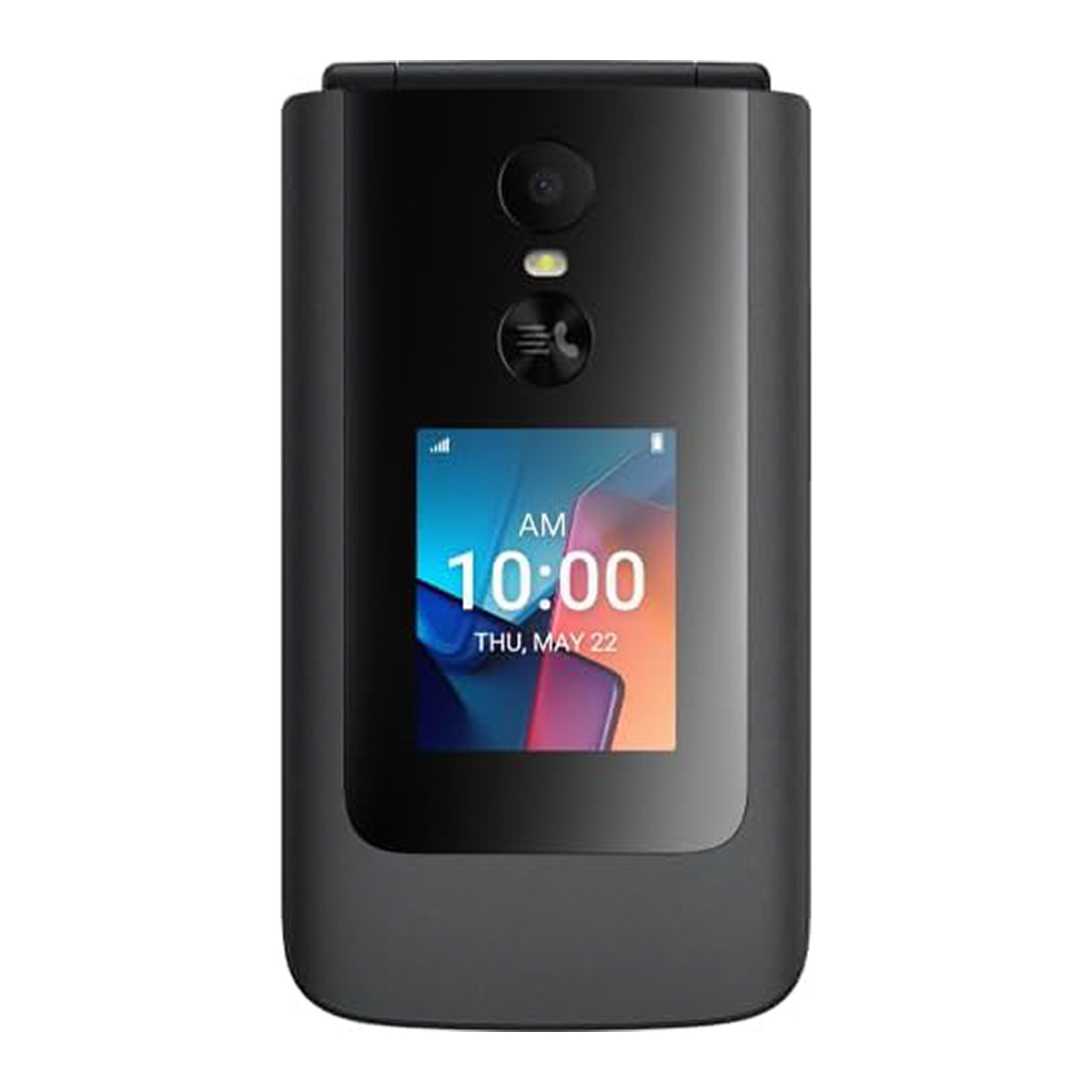
1. The TCL Flip 4: The Nostalgia Play
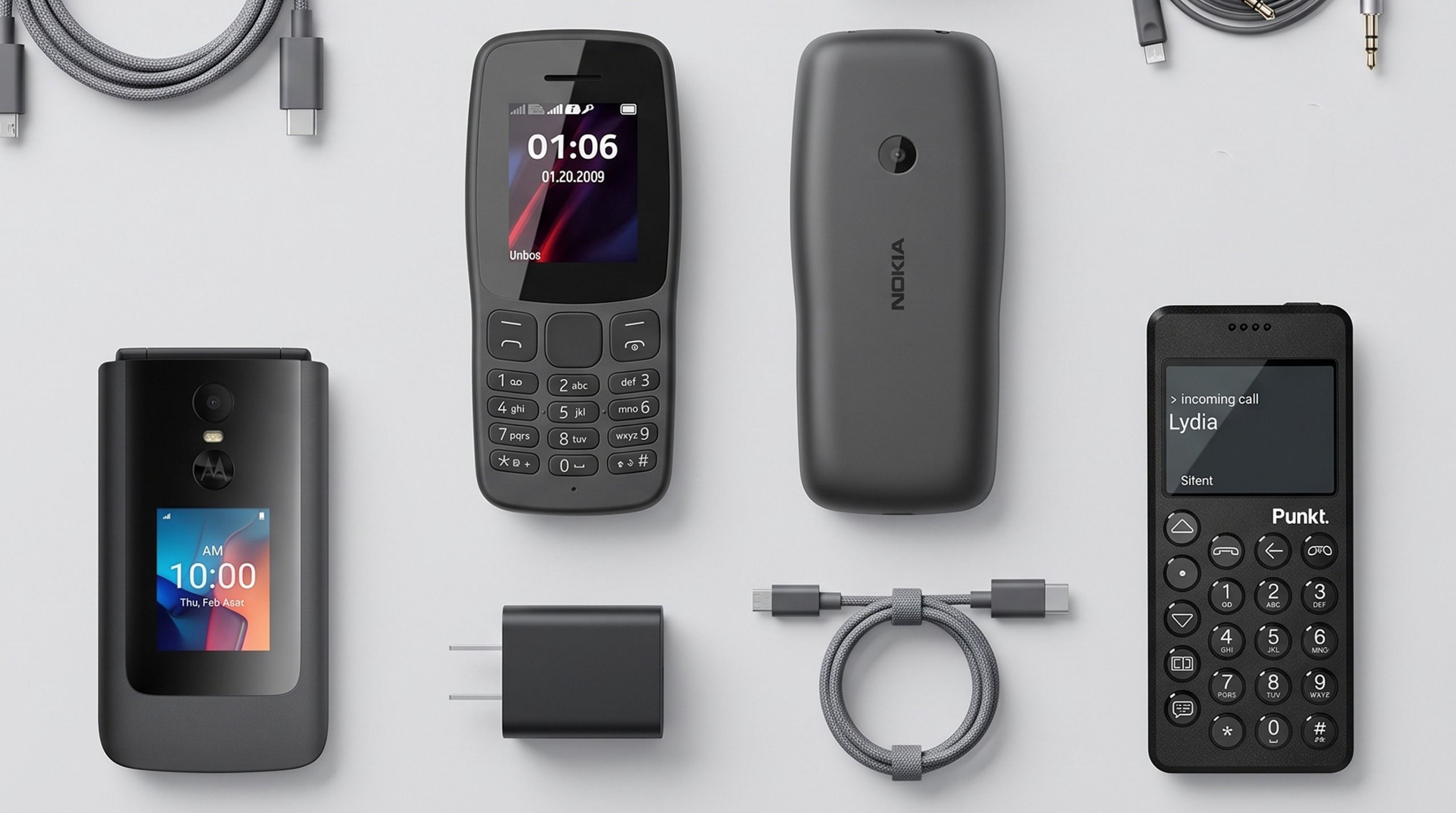
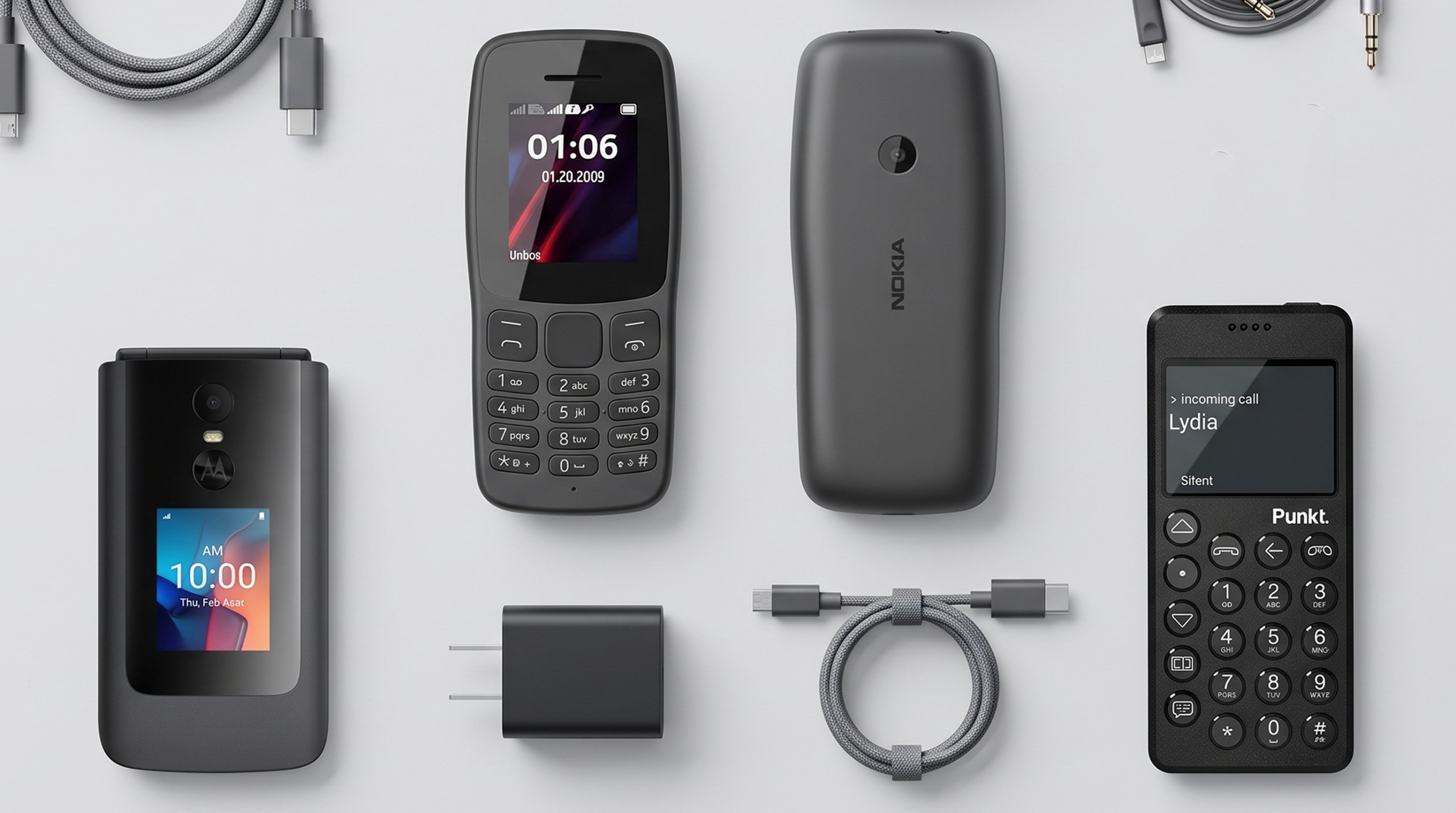
The TCL Flip 4 is perhaps the most direct answer to the foldable trend. It features a dual-display design—a front notification screen and an internal main display—but swaps the fragile, complex folding glass for a rugged, satisfying clamshell hinge. With physical buttons and a simple interface, it offers the essential connectivity of a modern phone without the "black hole" of a high-end application processor.
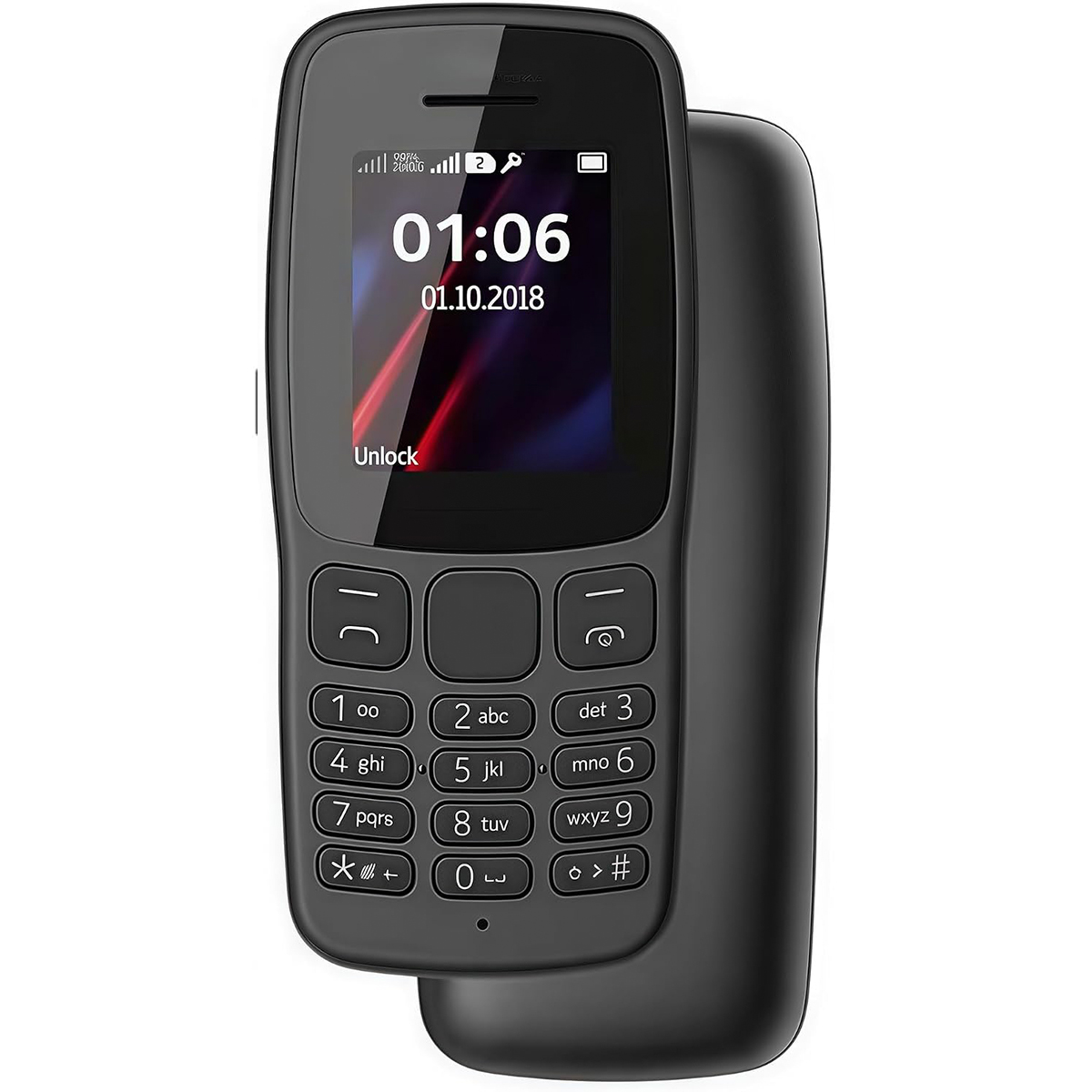
2. The Nokia 106: The Reliable Workhorse
Nokia, the historical titan of the industry, continues to dominate the feature phone space through HMD Global. The Nokia 106 is the epitome of durability. With a battery life that lasts for days and a build quality that feels almost indestructible, it is the perfect "burner" or primary device for those who view a phone as a tool rather than a lifestyle.
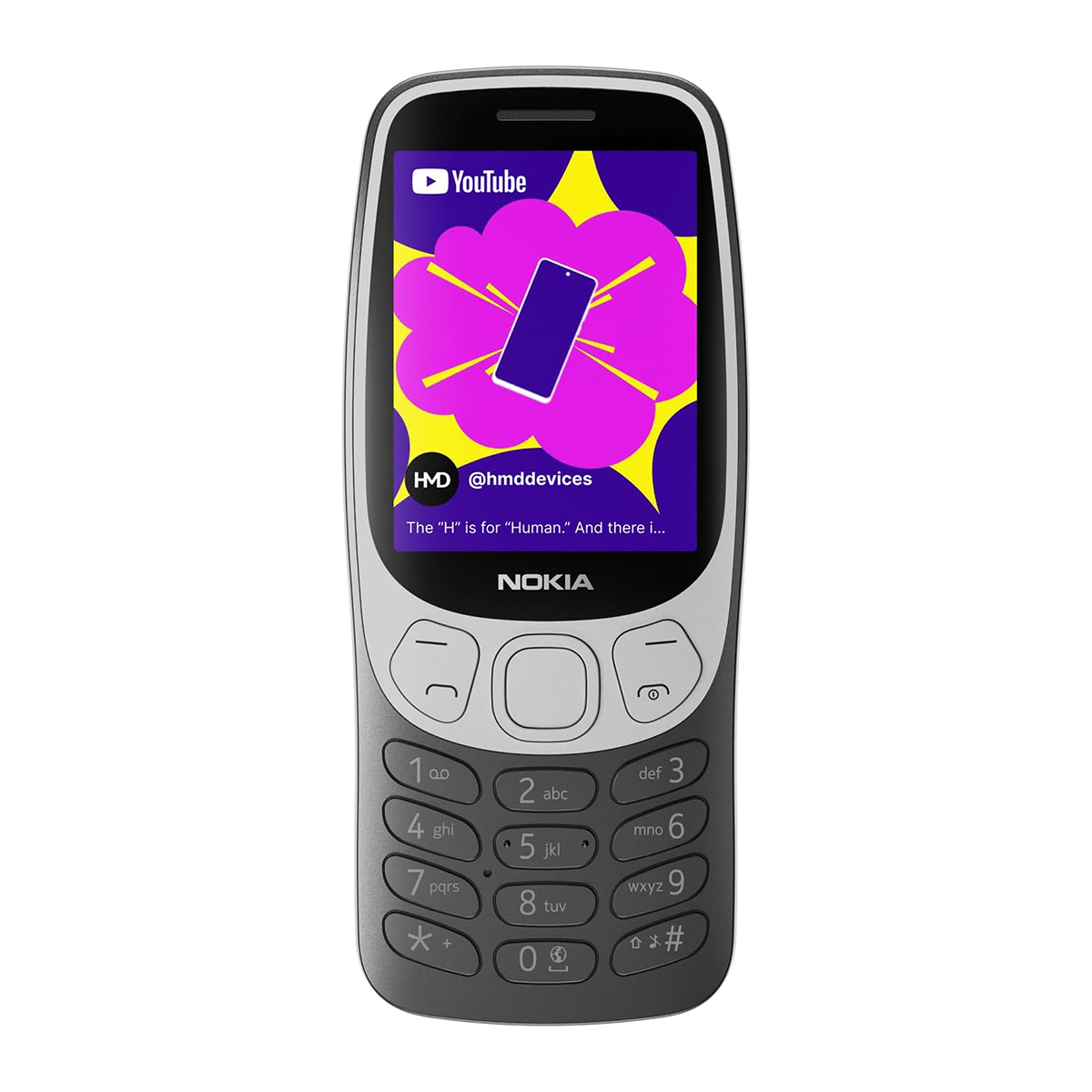
3. The Nokia 3210 (2026 Edition): The Icon Returns
For those who yearn for the aesthetic of the late 90s, the modern iteration of the Nokia 3210 is a masterclass in design. It includes the classic game of Snake and provides a seamless GSM-only experience. It represents a "luxury" take on minimalism—a phone that looks like a piece of history but functions with modern, reliable hardware.
4. The HMD 2660 Flip: European Elegance
Specifically popular in the European market, this device offers a sleek, modern aesthetic that avoids the "toy-like" look of some budget phones. It is designed for those who want a minimalist experience that doesn’t sacrifice visual refinement.
5. The Punkt MP02: The Design Enthusiast’s Choice
The Punkt MP02 is widely regarded as the "gold standard" for minimalist technology. It is a device that does not try to be a smartphone. With its monochrome interface and sharp, industrial design, it is a statement piece for the modern professional who wants to remain reachable without being reachable.
6. The Mudita Kompakt: The E-Ink Innovator
The Mudita Kompakt stands out for its use of an E-ink display—a screen technology that mimics paper. It is easy on the eyes, visible in direct sunlight, and inherently less "stimulating" than the blue-light-heavy OLED displays found on the iPhone Duo. Its "Offline+ Mode" is a killer feature, allowing users to instantly disable all wireless radios and sensors when it’s time to truly focus.
Implications for the Future of Technology
The popularity of these devices is not a sign that technology is failing; rather, it is a sign that consumers are becoming more discerning. We are entering an era where "connectivity" is no longer the ultimate goal—"control" is.
As the smartphone industry pushes for larger screens and more immersive experiences, we should expect to see the "digital detox" category continue to expand. Major manufacturers may eventually be forced to integrate "minimalist modes" into their OS, acknowledging that the most valuable commodity in the 21st century is not a 5G connection or an 8K sensor, but our own attention.
Conclusion: Finding the Balance
The arrival of the iPhone Duo is a triumph of engineering, representing the pinnacle of what a mobile device can do. But for many, the pinnacle of what a mobile device should do is much simpler: facilitate communication, provide a reliable way to navigate the world, and then—most importantly—get out of the way.
Whether you are a power user who needs a foldable workstation or a minimalist looking for a quieter life, the choice is ultimately yours. But as the buzz around the latest "Pro" features fades, remember that sometimes, the most powerful thing you can do with a phone is to simply turn it off.


 Ammar Sabilarrohman
 Basiran