Nana
Nana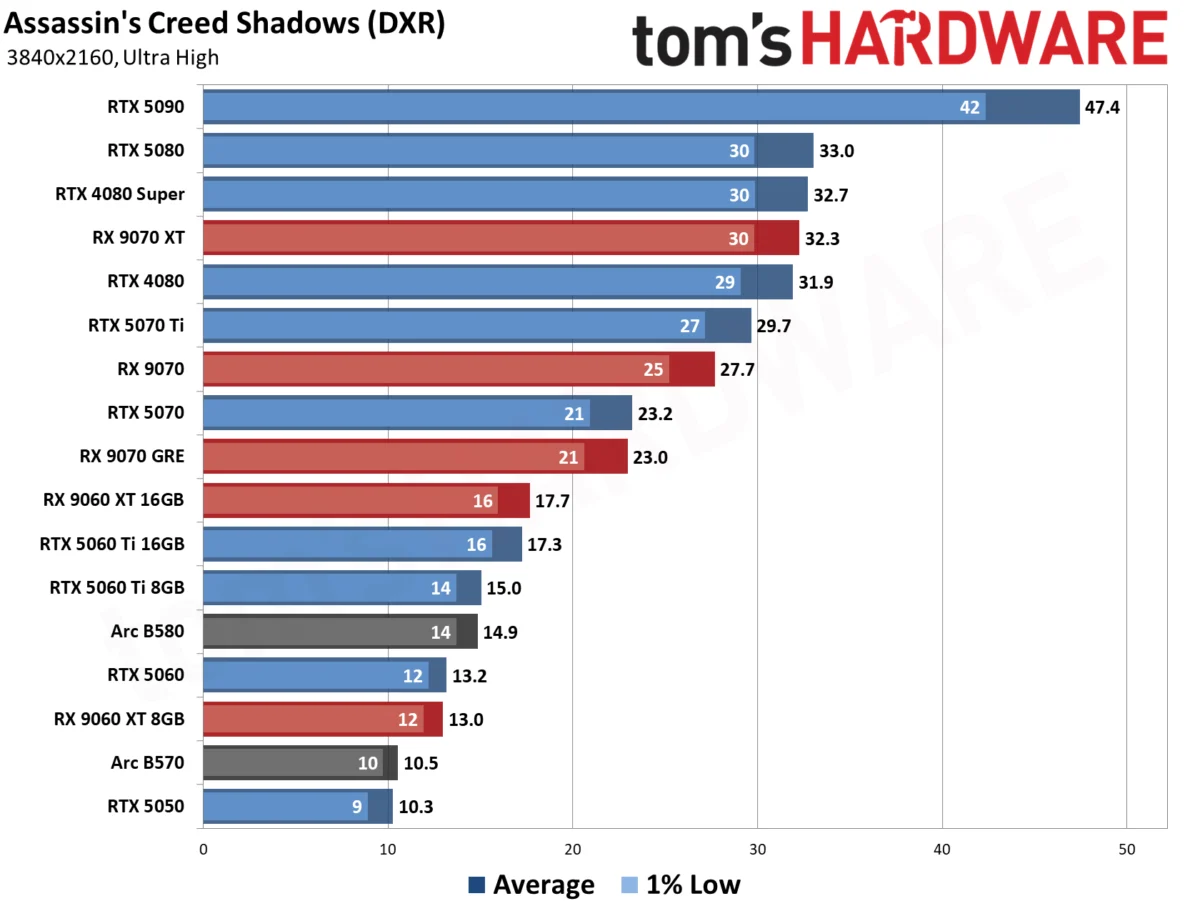
The landscape of the enthusiast PC hardware market has undergone a seismic shift in recent months, characterized by unprecedented scarcity and volatile pricing. At the center of this storm is NVIDIA’s flagship GeForce RTX 5090. Originally launched with a recommended retail price (MSRP) of $1,999, the card has effectively vanished from standard retail channels, replaced by a gray market where prices fluctuate between exorbitant and astronomical.
For the average gamer and professional enthusiast, the dream of securing this silicon titan has turned into a logistical nightmare. While a brief flicker of hope emerged during Walmart’s recent "GeForce Week"—where an MSI Gaming Trio RTX 5090 appeared for $4,299—that inventory was exhausted almost instantly. This event serves as a microcosm of the current GPU crisis, highlighting a disconnect between manufacturing supply chains and the voracious, insatiable demand for top-tier compute power.
Main Facts: The Anatomy of a Shortage
The GeForce RTX 5090 represents the absolute zenith of consumer-grade graphics processing. Equipped with cutting-edge architecture and massive VRAM buffers, it is the primary target for both high-end gaming enthusiasts and AI researchers operating on a budget.
The core of the issue is not merely high demand, but a fundamental misalignment in the market. The RTX 5090 is not just a gaming tool; it is a vital asset for small-scale AI training, rendering farms, and deep learning applications. Because the card offers performance levels that previously required enterprise-grade hardware costing tens of thousands of dollars, the "prosumer" and "enterprise" markets have cannibalized the gaming supply.
As of this writing, major retailers remain consistently out of stock. When units do appear, they are often snatched up by automated bots within milliseconds. The secondary market, populated by third-party sellers on platforms like Amazon and eBay, has seen listings as high as $9,500—nearly five times the MSRP. Even at $4,299, the price remains well above the intended market value, yet buyers continue to pay it, signaling a level of desperation that has become the new normal in the PC component industry.
Chronology: A Descent into Scarcity
To understand how we arrived at this impasse, one must look at the timeline of the RTX 50-series rollout:
- The Launch Phase: Upon release, the RTX 5090 was met with immediate, overwhelming enthusiasm. Initial reviews praised its generational leap in performance, particularly in ray-tracing and AI-accelerated tasks.
- The Inventory Drain: Within weeks of the official launch, traditional retailers (Newegg, Best Buy, B&H) began reporting "Out of Stock" status across all board partner variants.
- The Rise of the Scalpers: As retail stock dried up, third-party marketplaces became the only viable source. Prices climbed steadily from $2,500 to $5,000, and eventually peaked at nearly $10,000 in extreme cases.
- The "Walmart Anomaly": During the recent "GeForce Week," a reputable merchant listed the MSI Gaming Trio 5090 at $4,299. While this was technically a "deal" compared to the $9,000 scalper listings, it was still a 115% premium over MSRP. The fact that this stock sold out in minutes confirms that the market remains in a state of extreme undersupply.
Supporting Data: Why the 5090 is Different
The RTX 5090’s scarcity is unique compared to previous GPU shortages. Unlike the crypto-mining craze of 2020-2021, where demand was driven by speculative currency, the current demand is anchored in tangible productivity.
Performance Metrics vs. Cost
The RTX 5090 provides performance metrics that make it the most cost-effective solution for local LLM (Large Language Model) inference. For a developer, paying $4,000 for a card that performs the work of an H100 enterprise unit (which can cost over $30,000) is a logical business decision. This economic reality creates a "floor" for the price that is far higher than the $1,999 MSRP.
Inventory Turnover Rates
Retail analytics suggest that the inventory turnover for the RTX 5090 is effectively zero. Units that arrive at warehouse facilities are frequently diverted to high-priority business accounts or sold via "bundled" systems to circumvent individual consumer purchasing caps.
Official Responses and Industry Silence
NVIDIA has remained relatively tight-lipped regarding the specific supply chain bottlenecks affecting the RTX 5090. In general statements, the company has cited "unprecedented demand across all sectors" and "global supply chain constraints regarding advanced node manufacturing."
Board partners—the companies that actually manufacture the cards, such as MSI, ASUS, and Gigabyte—are in a difficult position. They are bound by allocation agreements with NVIDIA. When asked about the lack of stock, representatives often point to the complexity of the 5090’s PCB design and the limited availability of high-bandwidth memory (VRAM) components.
Critics argue that NVIDIA could mitigate this by increasing production of the 5090, but the company faces a strategic dilemma: every wafer of silicon allocated to a consumer 5090 is a wafer not allocated to their highly profitable data center chips. Given the current AI arms race, the financial incentive for NVIDIA to prioritize data center hardware over gaming hardware is overwhelming.
Implications: The Future of PC Gaming
The current state of the market has profound implications for the future of the PC enthusiast ecosystem.
1. The Death of the "Enthusiast" Segment
If top-tier graphics cards become luxury items accessible only to those with deep pockets or corporate expense accounts, the "enthusiast" segment of the gaming community will shrink. Gaming, historically an accessible hobby, is becoming stratified by wealth, with the best experiences locked behind hardware that is effectively price-prohibitive.
2. The Shift to Cloud Gaming and Rental Models
As hardware prices remain inflated, many gamers may be forced to abandon the "build your own PC" philosophy in favor of cloud gaming services or hardware leasing. If the cost of entry for a 5090-class experience remains above $4,000, subscription-based streaming services will likely see a massive surge in market share.
3. The "Wait and See" Strategy
The current market volatility creates a "fear of missing out" (FOMO) that drives people to buy at inflated prices. However, the most prudent advice for the average consumer remains: wait. Markets are cyclical. Eventually, supply will catch up, or a mid-cycle refresh will arrive, effectively cooling the hysteria.
Final Analysis: Is the Hunt Worth It?
For the professional, the MSI Gaming Trio at $4,299 might be a necessary business expenditure. For the gamer, however, the current prices represent a dangerous departure from value. The RTX 5090 is a marvel of modern engineering, but it is not a $9,000—or even a $4,000—gaming component.
As we continue to monitor the situation here at Tom’s Hardware, we advise our readers to exercise extreme caution. Avoid unverified third-party sellers on marketplaces with poor return policies, and stay vigilant during major retail events. The market is currently in a state of chaos, but it is not a permanent state. By maintaining a disciplined approach to purchasing and refusing to validate the predatory pricing of the secondary market, the community can help stabilize these conditions in the long run.
Keep checking back with us; as soon as supply chains stabilize and the RTX 5090 returns to its MSRP, we will be the first to let you know where to find it. Until then, stay informed, and don’t let the scalpers win.

 Ali Ikhwan
 Rifan Muazin