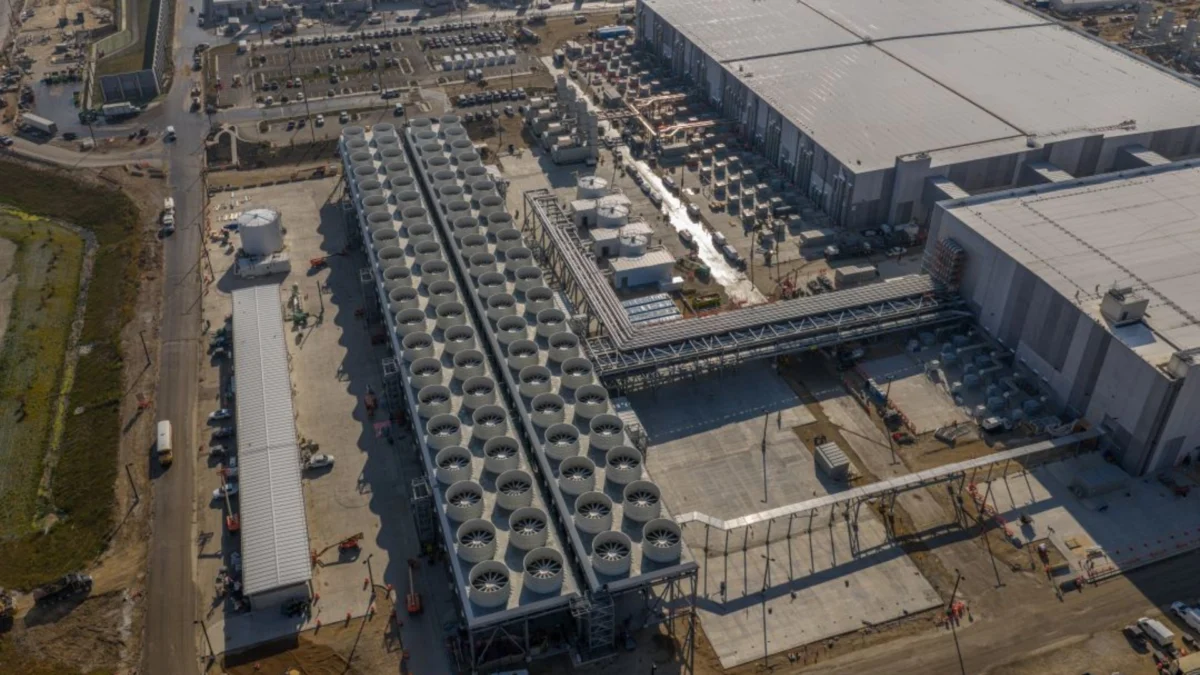
The rapid expansion of artificial intelligence has sparked an unprecedented industrial race. As tech giants scramble to secure the computing power necessary to train the next generation of large language models, the United States is witnessing an architectural and social transformation. Massive, power-hungry data centers are being erected at a frantic pace, but this buildout has encountered a formidable obstacle: a growing, nationwide grassroots movement of local communities pushing back against the encroaching infrastructure.
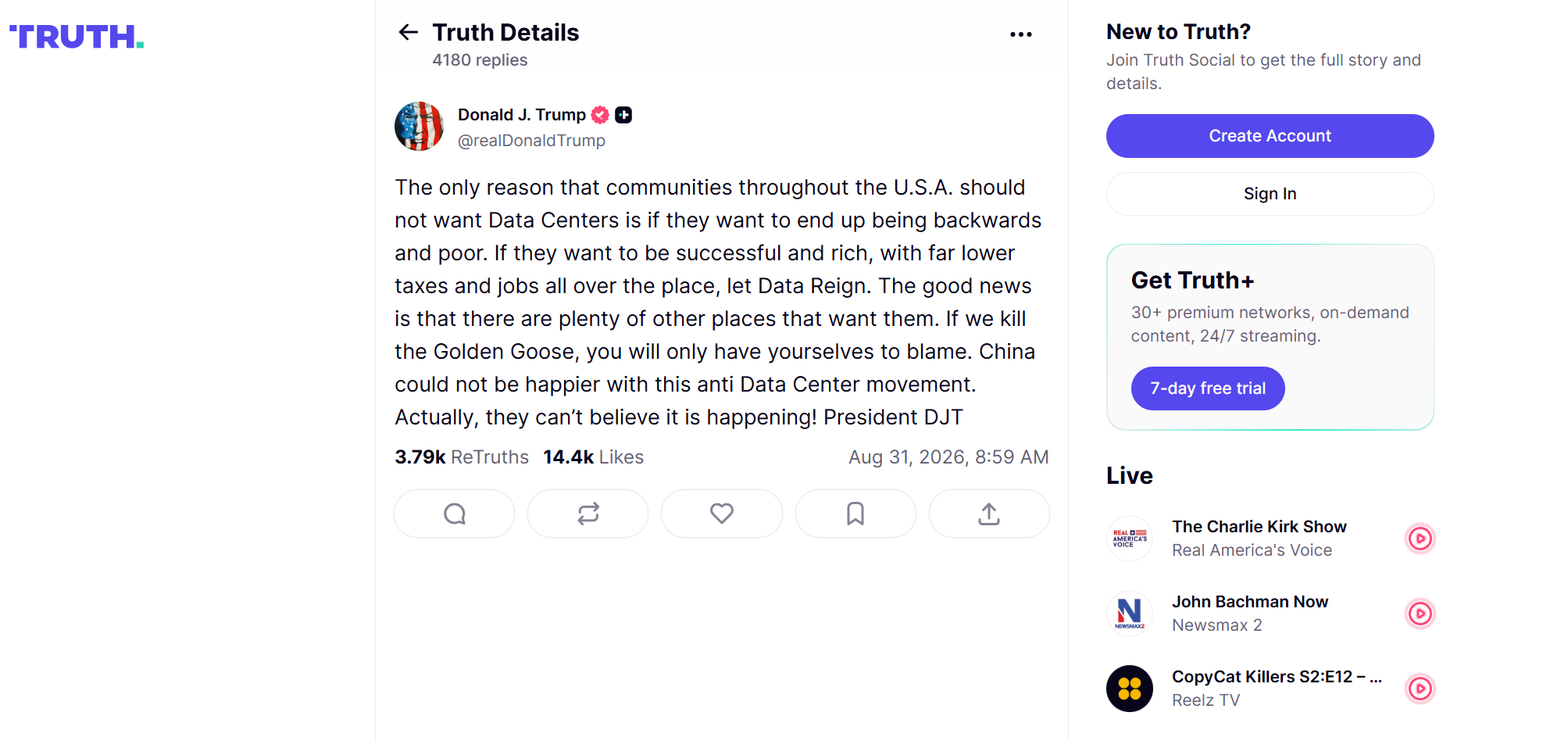
The tension has reached the highest levels of American political discourse. Former President Donald Trump recently took to his Truth Social platform to criticize the mounting opposition, framing the rejection of these facilities as an existential economic error. "Communities that reject data centers do so because they want to end up being backwards and poor," Trump wrote, suggesting that such resistance serves only to aid international competitors like China. He urged municipalities to "let Data Reign" to secure lower taxes and robust job growth.
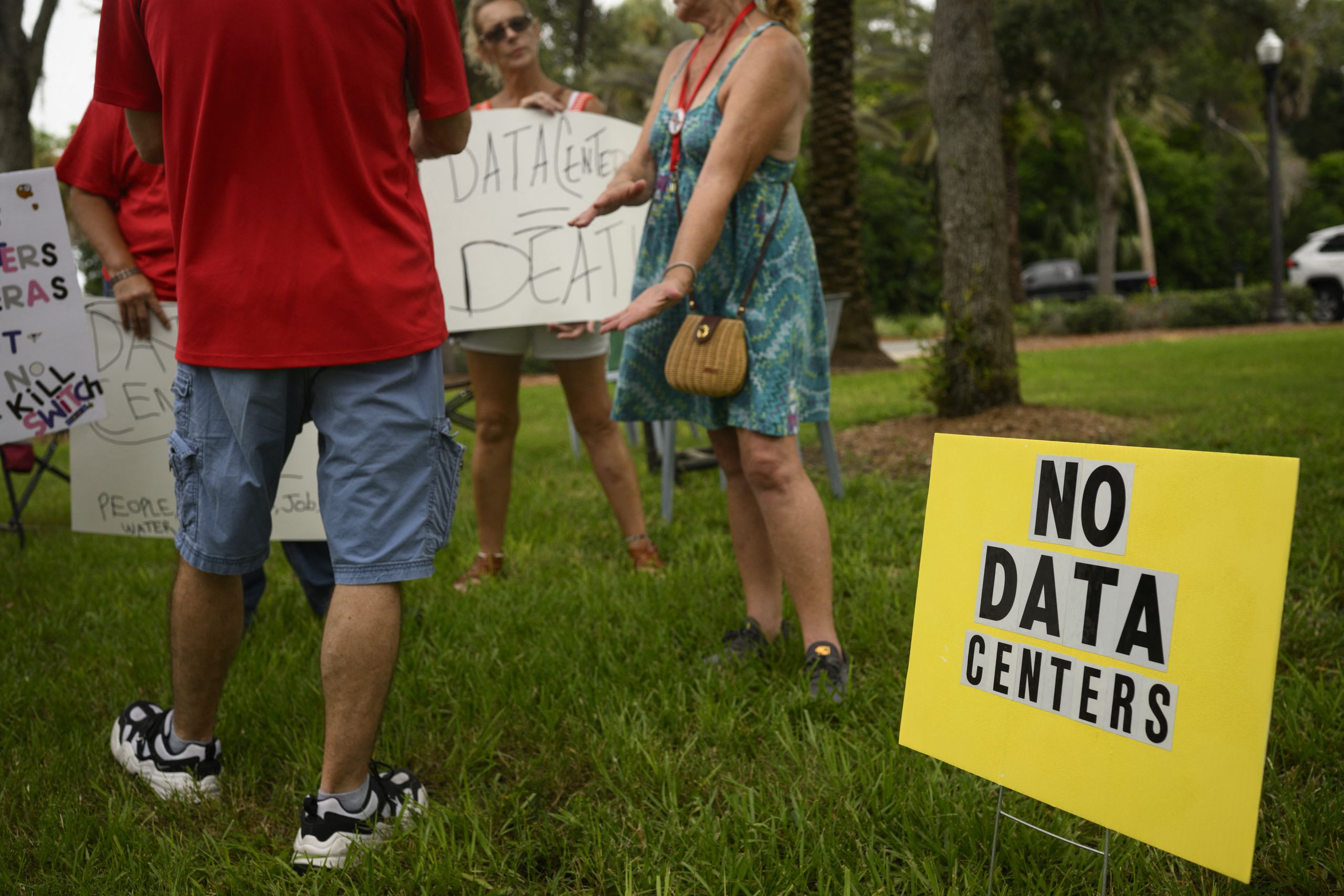
However, the reality on the ground is significantly more complex. For local residents, the promise of economic prosperity is often eclipsed by immediate concerns over water usage, strained electrical grids, noise pollution, and the permanent alteration of their landscapes.
A Chronology of Escalation: From Silent Neighbors to Public Outcry
The friction between Big Tech and local municipalities has evolved from minor zoning disputes into a national trend.
Early 2024: The Initial Tensions
The early months of the year saw an uptick in protests as residents in rural and suburban areas began to realize the sheer scale of the projects slated for their backyards. What were once viewed as "quiet neighbors"—low-traffic buildings with minimal staff—were revealed to be industrial-scale power consumers requiring significant upgrades to local energy grids.
Spring 2024: The Turning Point
By April, the situation had deteriorated significantly. Reports emerged of local officials facing intimidation, including credible death threats, as public hearings over zoning permits for data centers turned hostile. The narrative shifted from local planning debates to a struggle for control over municipal development.
Mid-2024: The Legislative Wave
By the summer, the scope of the resistance became undeniable. Nationwide, more than 500 local bans or moratoriums on data center construction were enacted. States like New York and Texas began intervening at the executive level, with Governors Kathy Hochul and Greg Abbott initiating state-wide audits to understand the impact of these facilities on public resources.
Late 2024: Federal Intervention
The legislative response reached the halls of Congress with the introduction of the Artificial Intelligence Data Center Moratorium Act, sponsored by Representative Alexandria Ocasio-Cortez. The bill proposes a federal pause on new data center developments to allow for a comprehensive review of environmental, labor, and economic impacts, marking the first time the issue has gained serious traction at the federal level.
Supporting Data: The Economic and Environmental Trade-offs
The economic argument for data centers—often cited by proponents as a boon for local tax bases—is currently the subject of rigorous academic debate.
A July study from Georgia Tech offers a nuanced perspective on the matter. While the data suggests that data center construction can increase local employment by 3.5% and boost median household incomes by 1.9%, these gains are heavily skewed toward metropolitan hubs. In rural areas, the economic benefits are frequently described as "negligible."
Furthermore, the employment footprint of these facilities is often smaller than the public expects. Most data centers employ fewer than 100 permanent staff members, with many specialized maintenance roles being outsourced or "imported" from outside the local region.
The environmental and utility-based costs also weigh heavily on the balance sheet:
- Electricity Prices: Research indicates that communities hosting large-scale data centers experience an average 5% increase in local electricity costs following the facility’s completion.
- Property Values: A Brookings Institution analysis noted that while construction activity provides a temporary boost, the long-term impact on home values is mixed, with some areas seeing price increases that outpace wage growth, creating affordability issues for existing residents.
- Resource Consumption: The demand for water for cooling systems and the strain on electrical grids have forced states like Texas and Ohio to pause tax exemptions and utility connections, signaling that the current pace of development is testing the limits of existing public infrastructure.
Official Responses and Political Polarization
The response from leadership has been starkly divided, mirroring the broader political polarization in the country.
Pro-development voices, led by figures like Donald Trump, argue that the "anti-data center movement" is a strategic mistake that will leave the U.S. vulnerable to global rivals. This faction views the centers as the "factories of the future," essential for maintaining American leadership in AI. They argue that the short-term inconveniences of noise and power consumption are necessary prices to pay for the massive economic potential of the AI revolution.
Conversely, a bipartisan coalition at the local and state level has adopted a "precautionary principle." Governors like Mike DeWine (R-OH) and Greg Abbott (R-TX) have prioritized the stability of their states’ electrical grids, effectively putting corporate expansion on hold until the long-term impacts can be quantified.
At the federal level, the legislative attempt to regulate these facilities signals a shift in the regulatory environment. The proposed Artificial Intelligence Data Center Moratorium Act suggests that the federal government is beginning to view the rapid, unchecked growth of data centers not just as a local zoning issue, but as a matter of national security and environmental justice.
Implications for the Future of Big Tech
The ongoing conflict holds significant implications for the future of Big Tech and the AI industry. If the current trend of local and state-level moratoriums continues, companies like Amazon, Google, and Microsoft may be forced to radically change their expansion strategies.
1. The Decentralization of Infrastructure
Big Tech may be forced to move away from the current model of building massive, centralized data centers in suburban or rural regions. This could lead to an investment in "edge computing"—smaller, more efficient data centers located in existing industrial zones where infrastructure is already capable of handling the load.
2. The Rise of "Green" Requirements
As opposition grows, the industry will likely be forced to meet higher environmental standards. This could include mandatory renewable energy commitments, closed-loop water cooling systems, and transparent reporting on resource usage, effectively ending the era of "secretive" buildouts that bypass public feedback.
3. A New Regulatory Era
The days of unbridled growth appear to be numbered. The involvement of the EPA, state governors, and potentially Congress indicates that the "Wild West" period of AI infrastructure development is closing. For tech firms, this means longer lead times, higher compliance costs, and the necessity of engaging in genuine community partnerships rather than simply relying on outdated zoning laws.
Conclusion: Balancing Progress with Community Well-being
The tension surrounding data centers is a classic example of the friction between technological progress and local autonomy. As the nation stands at the threshold of an AI-driven economic shift, the debate has become a proxy for larger questions: Who owns the future of our physical landscapes? How much local control should be sacrificed for national technological dominance?
For now, the standoff remains. Communities are refusing to be treated as passive hosts for industrial infrastructure, and the tech giants are struggling to reconcile their insatiable hunger for power with the realities of democratic governance. The path forward will likely require a compromise—one that respects the environmental and economic concerns of local citizens while providing the essential infrastructure needed to power the next chapter of the digital age.
Whether this compromise will come through federal regulation, corporate transparency, or a cooling of the AI investment fever, remains the most significant unresolved question in American technology policy today. As the number of bans climbs past 500, one thing is certain: the era of "invisible" data centers has ended. The future of AI will be built in the light of public scrutiny, and its developers will have to earn the right to occupy the spaces they need.