

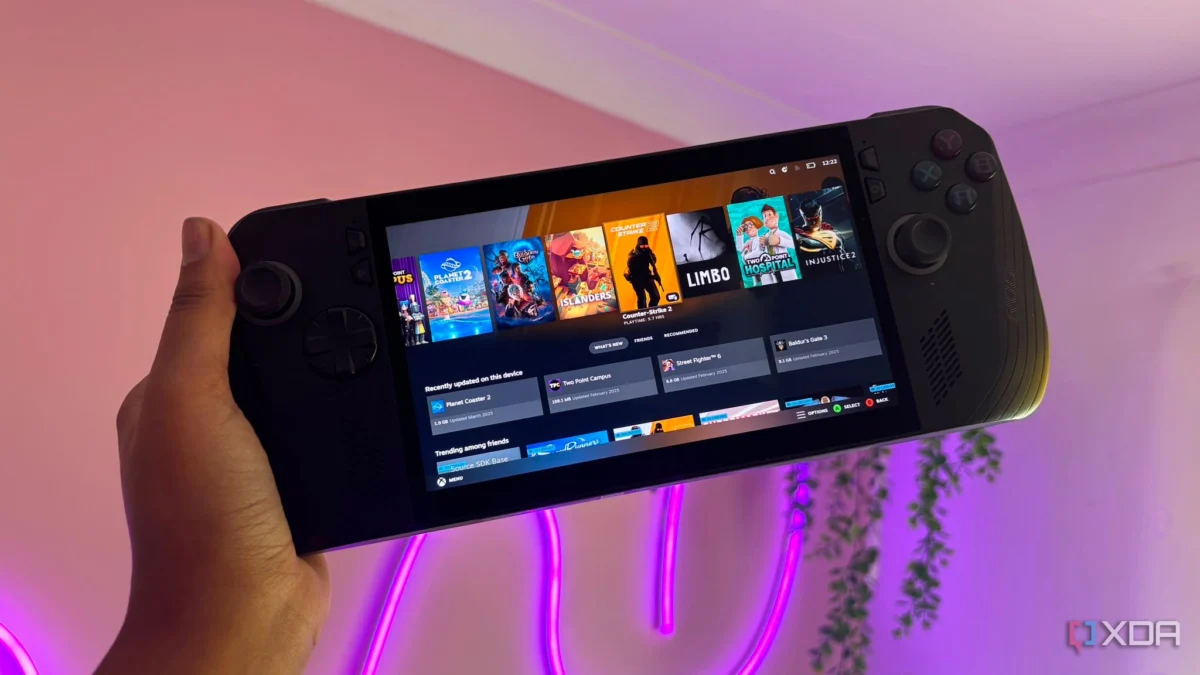
When the Asus ROG Ally X first arrived on the scene, it felt like the industry’s "Holy Grail." With a massive 80Wh battery, 24GB of blistering-fast LPDDR5X RAM, and a refined, ergonomic chassis, it checked every single box on the spec sheet required to dethrone the Steam Deck. On paper, it was the ultimate portable powerhouse. However, the moment the power button is pressed, the illusion of a console experience evaporates, replaced by the persistent, abrasive friction of Windows.
While manufacturers like Asus attempt to bridge the gap with software overlays like Armory Crate SE, the reality remains: you cannot turn a desktop operating system into a seamless console environment through software skins alone. Windows is fundamentally ill-equipped for the handheld form factor, and in its current state, it is actively sabotaging the immense potential of cutting-edge hardware.
The Illusion of Portability: Main Facts and Systemic Flaws
The core issue lies in the design philosophy of the operating system itself. Windows was built for a desktop environment—a world of persistent mouse cursors, keyboard shortcuts, and background services that expect a stable power supply and a large display. When crammed into a 7-inch touch-capable handheld, these design choices become liabilities.
The Input Determinism Problem
A gaming console requires "input determinism"—the idea that every physical button press must trigger a predictable, direct action within the software. Windows, conversely, treats controller inputs as a secondary emulation layer. It maps gamepad signals to mouse coordinates and keystrokes, which creates a fragile bridge between the hardware and the software.
The Focus Anomaly
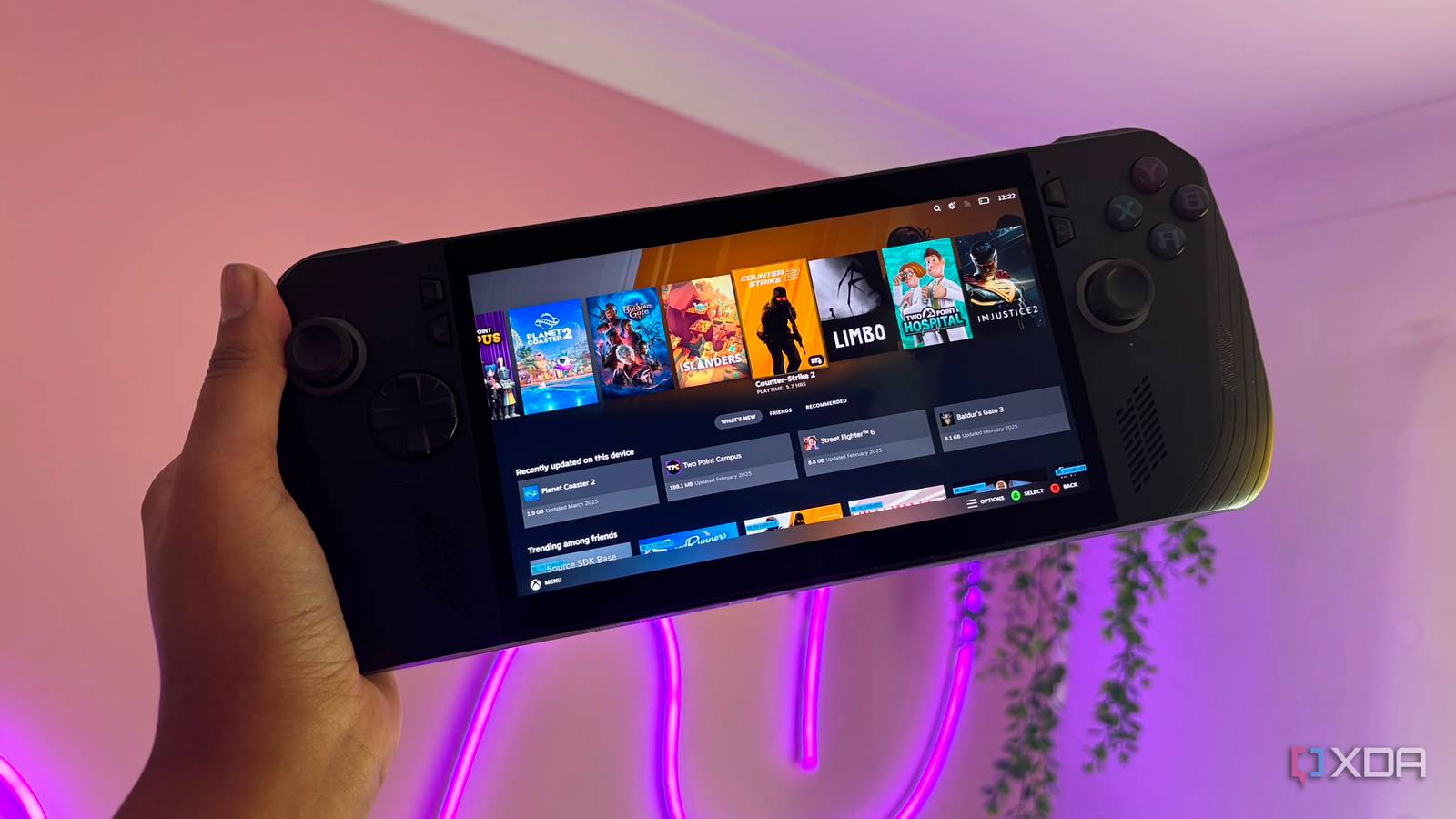
Perhaps the most infuriating aspect of the Windows handheld experience is the "window focus" issue. Players frequently find themselves tapping "Play" in a launcher, only for a hidden background process—such as an Epic Games Store update prompt, a cloud-sync notification, or a User Account Control (UAC) pop-up—to steal focus. Because Windows registers this as the active window, it effectively kills the physical controller inputs. The game remains running, but the user is forced to stop, swipe a finger across the screen, and manually click the hidden window to regain control. It is a jarring experience that breaks immersion and underscores the limitations of the OS.
A Chronology of the "Console-in-a-Box" Struggle
The evolution of the handheld PC market has been a race to pair high-end silicon with a user-friendly interface.
- Pre-2022: The handheld PC space was dominated by niche hobbyist devices, often running stock Windows with little to no optimization.
- February 2022: Valve releases the Steam Deck, powered by SteamOS. This event sets the gold standard for "pick-up-and-play" functionality.
- 2023: The Asus ROG Ally launches. Asus introduces Armory Crate SE, an attempt to wrap Windows in a console-like skin. It gains popularity for its raw power but receives criticism for software instability.
- 2024-2025: Competitors like the Lenovo Legion Go and MSI Claw enter the fray, all struggling with the same fundamental issue: the inability of Windows to act as a native console OS.
- 2026 (Present Day): The ROG Ally X refines the physical hardware to near-perfection, yet the software experience remains largely unchanged, highlighting that the "Windows handheld" model has reached a point of diminishing returns.
Supporting Data: Why SteamOS Outperforms Windows
The primary technical differentiator between the Steam Deck and its Windows-based competitors is Valve’s "GameScope" micro-compositor.
The GameScope Advantage
GameScope acts as an isolated sandbox layer that sits between the game executable and the physical display panel. It forces every game to interact with the system as if it were a clean console display. This allows for:

- System-level AMD FSR: Enabling upscaling on any title, regardless of whether the game supports it natively.
- Instant Refresh Rate Modulation: Users can change the screen refresh rate on the fly to match the game’s performance, saving battery and reducing screen tearing.
- Unified Input Handling: Because GameScope is baked into the OS kernel, controller inputs are never "lost" to background processes.
In contrast, Windows handhelds rely on third-party overlays. While these overlays can launch games, they cannot fundamentally alter how Windows manages background threads or power states.
The Power State Friction: A Disconnect from Real-World Usage
One of the defining features of a modern gaming handheld is the "sleep/wake" cycle. Players expect to be able to pause a game, hit the power button, and return to that exact moment three days later.
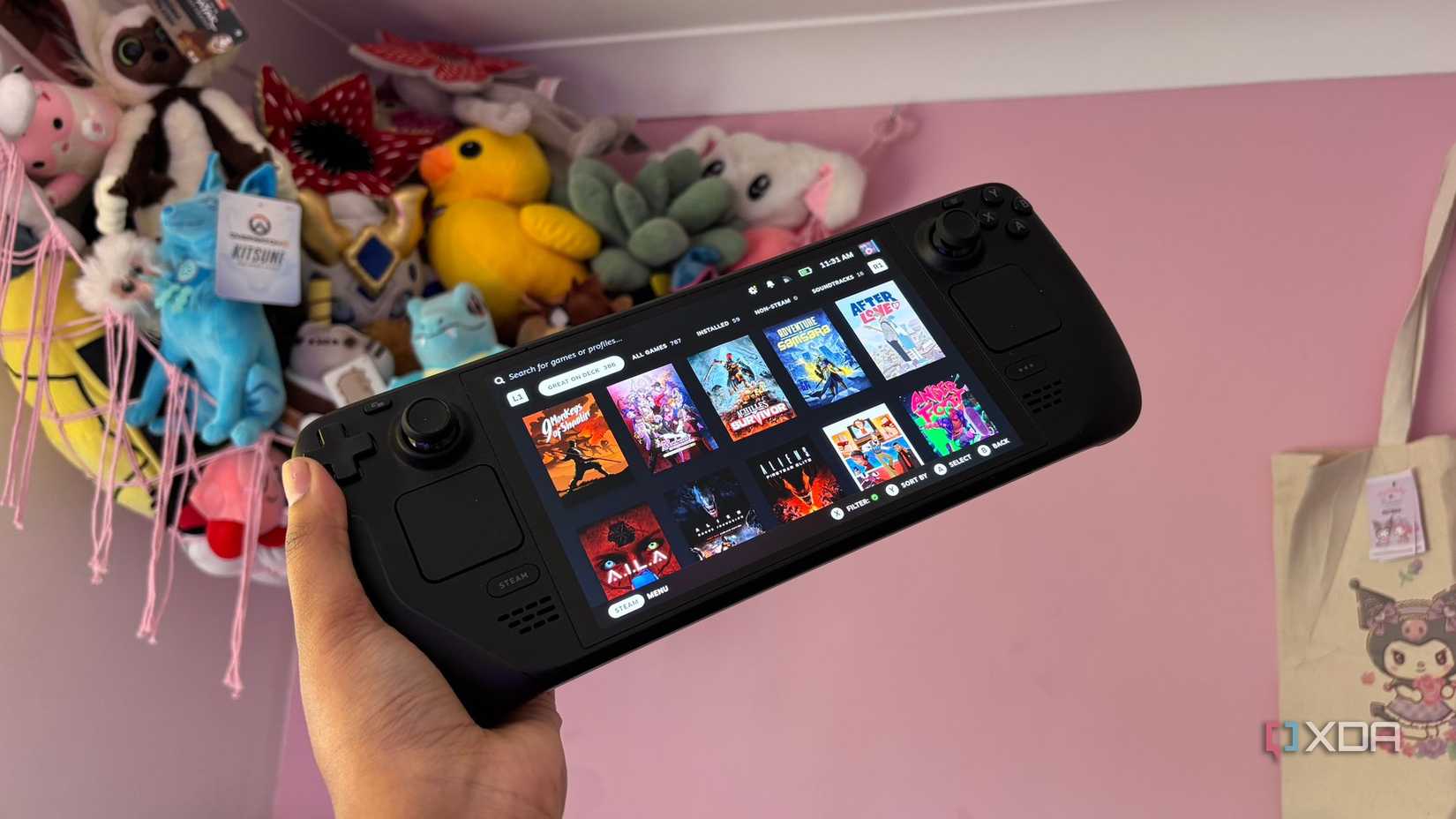
On a Steam Deck, this is a native Linux kernel-level feature. It suspends the device to RAM, freezing the state of the hardware entirely. On a Windows device, "Modern Standby" is the culprit. Because Windows is designed to remain connected to the internet for background updates and push notifications, the system frequently fails to fully "sleep."
Many users have reported finding their ROG Ally X burning hot inside their carrying cases because the device decided to wake itself up to install a routine update. This not only drains the 80Wh battery, but it often leads to game crashes, as the software state becomes corrupted during these unintended wake cycles. You cannot, with current Windows architecture, achieve the "pause-and-play" reliability of a Nintendo Switch or a Steam Deck.
Official Responses and Industry Implications
Microsoft has been aware of the "handheld gaming" demand for years. In late 2024, there were reports of a "compact" version of Windows being tested specifically for handhelds. However, these updates have largely been cosmetic, focusing on full-screen launcher modes rather than re-engineering the kernel to support handheld-specific sleep/wake states or input-first prioritization.
The hardware manufacturers, including Asus, Razer, and Lenovo, are caught in a bind. They are masters of engineering, capable of creating some of the most impressive portable hardware in existence. Yet, they are tethered to Microsoft’s roadmap. Without a commitment from Microsoft to develop a dedicated, lightweight, "console-first" version of Windows, these manufacturers are forced to continue "patching over" a desktop OS.
The Future: Is There a Way Out?
The implications for the industry are clear: hardware alone is no longer enough to win the market. The Asus ROG Ally X proves that we have solved the thermal, battery, and ergonomic challenges of handheld gaming. The bottleneck is now entirely software-driven.
If Windows continues to be the only viable OS for these high-performance APUs, we will continue to see a fragmented user experience. The ideal future would involve one of three paths:
- A "Windows Handheld Edition": A stripped-down, non-desktop version of Windows that prioritizes GameScope-like isolation and native handheld power states.
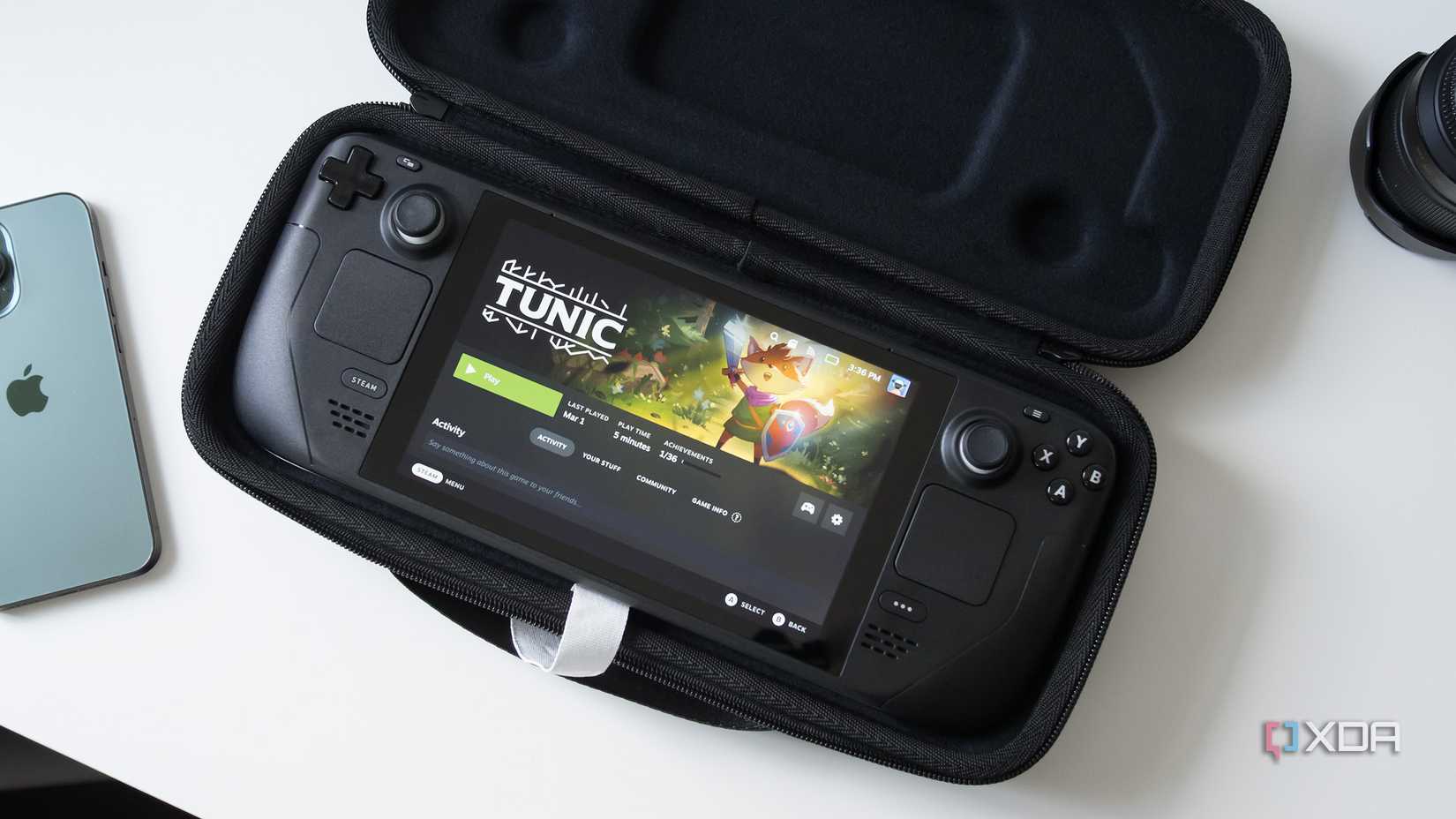
- Open BIOS Support: Manufacturers officially supporting dual-booting into Linux-based environments like Bazzite or SteamOS to provide a choice between productivity and console-gaming.
- Standardized API Layers: Microsoft providing a set of standardized APIs that allow manufacturers to intercept background processes and prioritize game-specific input before the OS layer can interfere.
Until one of these paths is taken, the high-end Windows handheld remains a "prosumer" device—brilliant for those who enjoy tinkering, but ultimately failing the "pick-up-and-play" test that the modern gaming market demands. The hardware is ready; it’s the operating system that needs to grow up.











