Ammar Sabilarrohman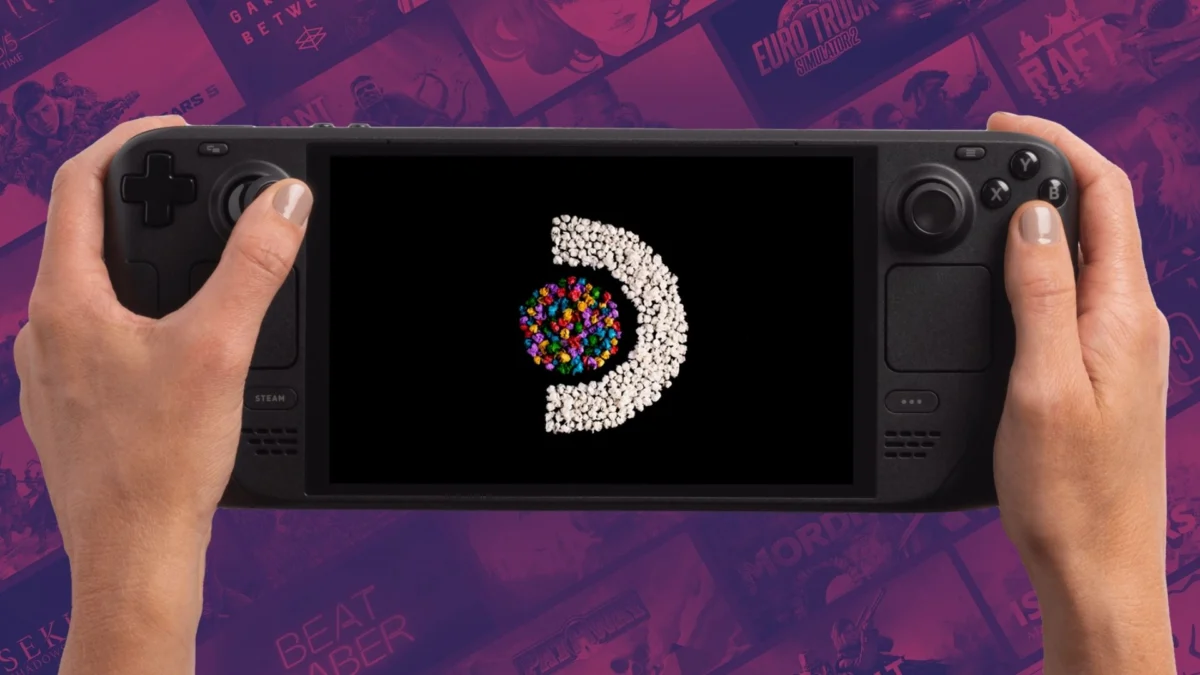
By Jake Valentine | May 27, 2026
The handheld gaming landscape, once defined by Valve’s disruptive entry into the market with the Steam Deck in 2022, is undergoing a seismic shift. For years, the Steam Deck was heralded as the "great equalizer," offering PC gaming enthusiasts a portable, Linux-based platform that balanced performance with an aggressive, consumer-friendly price point. However, as of today, May 27, 2026, the era of budget-friendly Valve hardware appears to have hit a significant roadblock. In a move that has sent shockwaves through the community, Valve has implemented a substantial price hike for the Steam Deck OLED, effectively ending its reign as the most accessible entry point into the high-end handheld PC market.
The State of the Industry: A Shift in Economics
The announcement, delivered via Valve’s official hardware blog, confirms that the Steam Deck OLED is back in stock following a brief hiatus, but it arrives with a drastically altered price tag. Valve, citing “the current state of component costs and other global logistical challenges,” has been forced to pass the burden of rising production expenses onto the consumer.
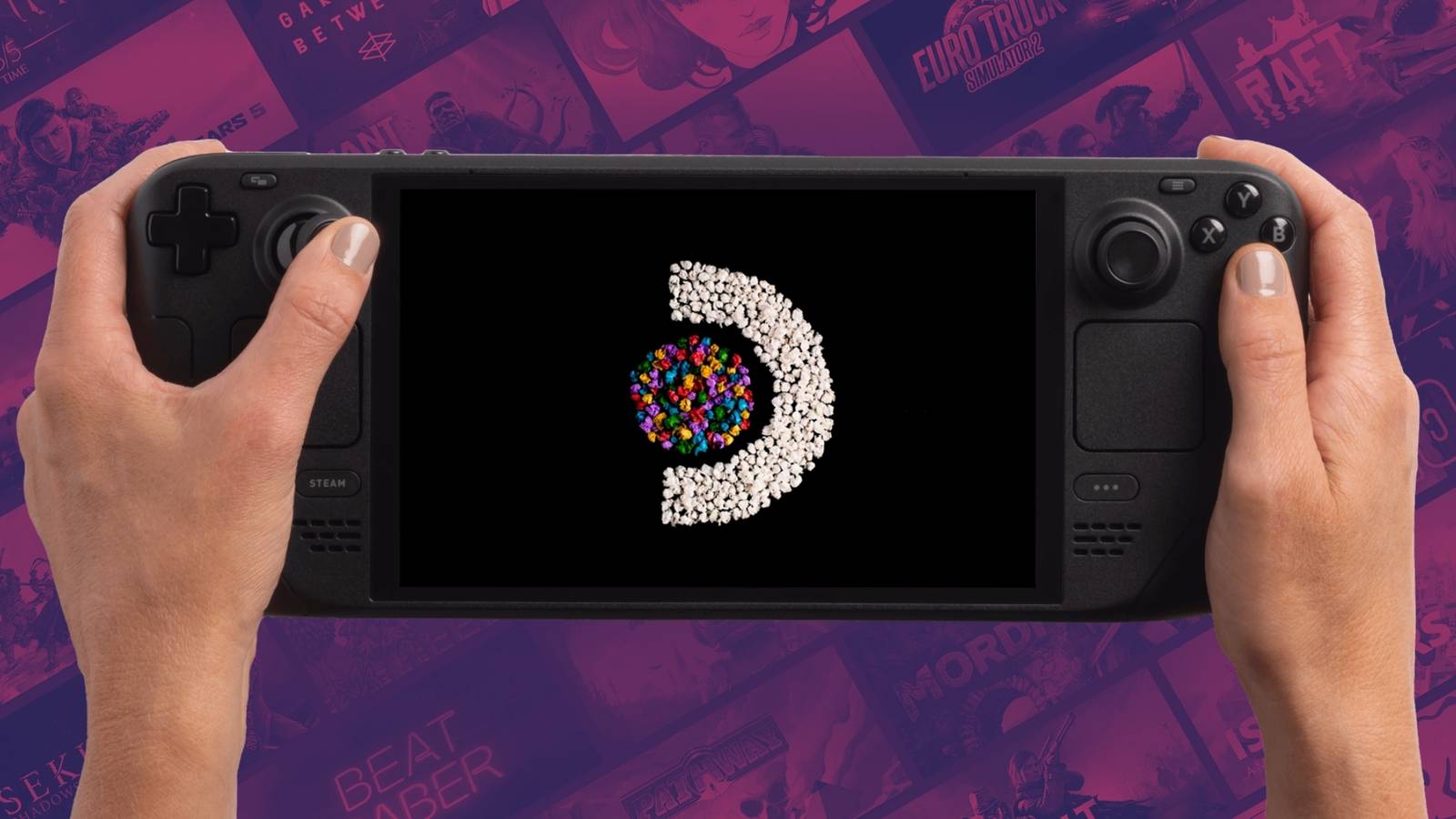
This adjustment is not occurring in a vacuum. The global hardware market is currently navigating a "perfect storm" of economic pressures. Escalating geopolitical tensions, the implementation of new international trade tariffs, and the insatiable demand for high-performance silicon driven by the ongoing AI boom have created a bottleneck in the semiconductor supply chain. These factors have driven up the cost of raw materials and logistics, forcing manufacturers across the consumer electronics sector to reconsider their pricing strategies.
Chronology of a Disruption: From Revolution to Reality
To understand why this price hike is so polarizing, one must look back at the trajectory of the Steam Deck. When the original device launched in February 2022, it was sold at a price point that many analysts believed was being heavily subsidized by Valve to capture market share. By prioritizing the ecosystem—specifically the Steam library—over razor-thin hardware margins, Valve succeeded in building a massive, loyal user base.
The release of the Steam Deck OLED in 2023 was a masterstroke of iterative hardware design. It improved battery life, display quality, and thermals without alienating the existing audience through price gouging. However, the market soon became crowded. Competitors like Lenovo with the Legion Go and ASUS with the ROG Ally series began introducing devices with superior raw horsepower.

For a time, Valve maintained its competitive edge by offering a more cohesive, software-optimized experience. Today’s news, however, marks a pivot. By raising the price of the OLED model to levels that compete directly with more powerful, newer-generation hardware, Valve is signaling that the "subsidized" phase of its hardware lifecycle has come to an end.
The Ripple Effect: Is the "Console Wars" Pricing Model Dying?
Valve is not alone in this trend. The industry is currently witnessing a widespread inflation of hardware costs, signaling an end to the period of relative price stability for gaming consoles.
Earlier this year, Sony sent ripples through the industry when it unveiled the PS5 Pro, with the flagship console topping out at an eye-watering $899.99. The consumer backlash was immediate, yet it set a precedent that high-end performance would carry a premium "enthusiast" tax. Even more telling is the upcoming move by Nintendo. Reports have confirmed that on September 1, 2026, the Nintendo Switch 2—a highly anticipated successor—will launch with an MSRP of $499.99, a significant jump from its predecessor’s debut pricing.

This trend suggests that companies are no longer willing or able to absorb the rising costs of advanced manufacturing. The consumer is being asked to pay for the "AI tax" and the logistical instability of the 2020s, effectively pushing the average cost of entry for gaming hardware upward by 20% to 40% compared to three years ago.
Comparative Analysis: The Competitive Landscape
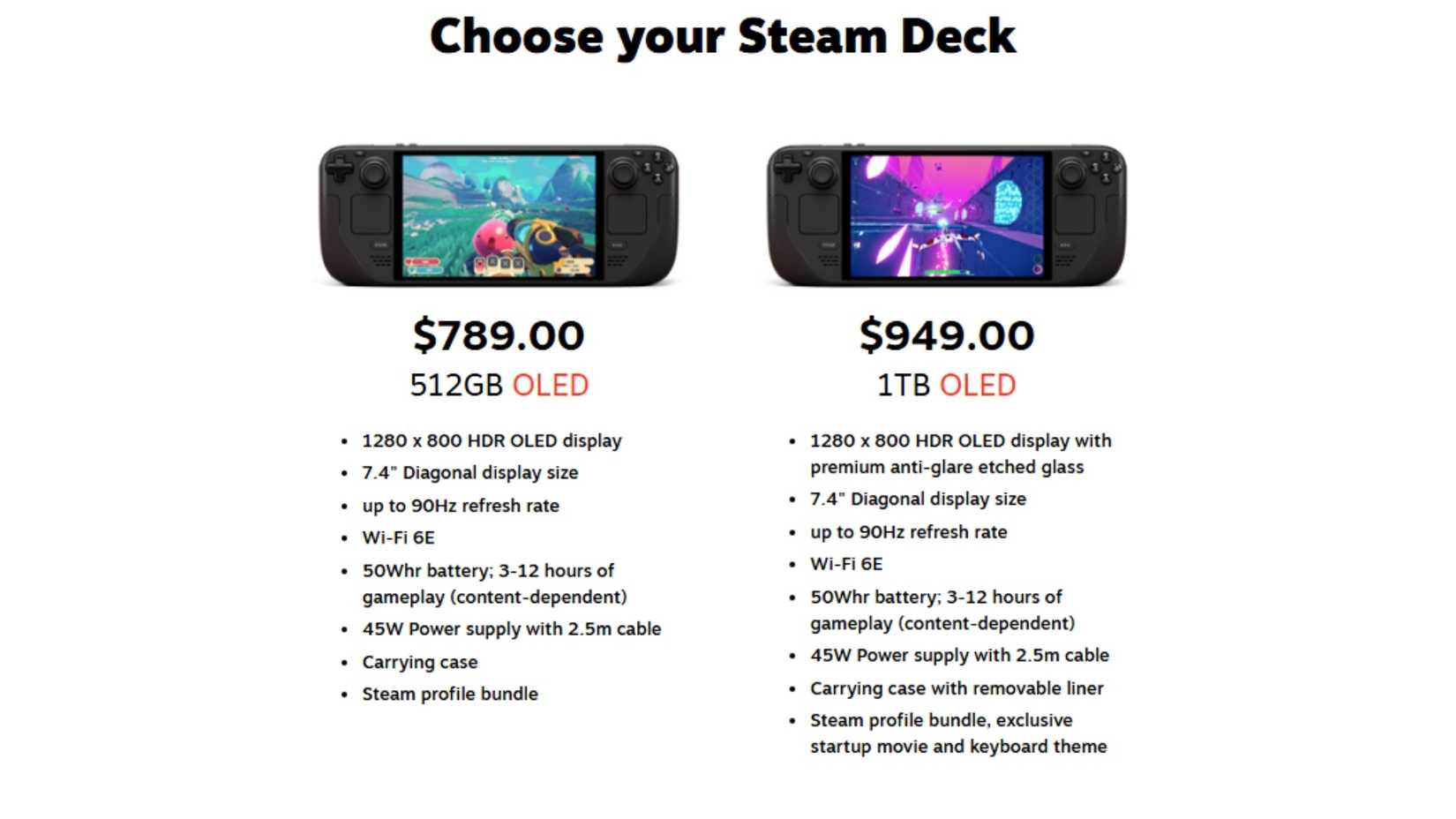
With the Steam Deck OLED’s new pricing, the value proposition has shifted. Consumers looking to invest in a handheld device must now weigh the benefits of Valve’s proprietary SteamOS against the raw power of Windows-based competitors.
Below is a breakdown of how the current market landscape looks following these price adjustments:
| Device | Price | Processor | RAM | Storage |
|---|---|---|---|---|
| Steam Deck 512GB OLED | $789 | Zen 2 4c/8t | 16GB LPDDR5 | 512GB SSD |
| Steam Deck 1TB OLED | $949 | Zen 2 4c/8t | 16GB LPDDR5 | 1TB SSD |
| Legion Go S (SteamOS) | $1,331 | Ryzen Z1 Extreme | 32GB LPDDR5X | 1TB SSD |
| ROG Xbox Ally X | $999 | Ryzen AI Z2 Extreme | 24GB LPDDR5X | 1TB SSD |
The data reveals a stark reality: for roughly $50 more than a 1TB Steam Deck OLED, a user can now purchase an ROG Ally X, which offers significantly more RAM and a more modern processor architecture. While the Steam Deck’s OLED screen remains a standout feature, the hardware under the hood is beginning to show its age. The gap between Valve’s hardware and its competitors is no longer wide enough to justify the price-to-performance ratio that previously made the Deck an "automatic buy."
Official Response and Community Sentiment
Valve’s official statement on the matter was concise, focusing heavily on the "industry as a whole" rather than internal profit targets. By framing the increase as an inevitability of global economics, Valve is attempting to mitigate the PR fallout. However, the gaming community has been less than forgiving.
On the Valve community forums, the sentiment is overwhelmingly negative. One user lamented that this is a "rare Valve L," highlighting the frustration of long-time fans who view this price hike as a betrayal of the accessibility that the Steam Deck originally represented. The sentiment is mirrored on social media, where potential buyers are now openly questioning whether to wait for a "Steam Deck 2" or jump ship to competitors that offer more modern components for similar prices.
Implications: What Comes Next?
The long-term implications of this move are significant. First, it creates a vacuum in the sub-$500 handheld space. If Valve is moving its products into the premium tier, it leaves the door open for manufacturers of budget handhelds to capture the entry-level market. We may see a surge in lower-end devices from smaller firms looking to capitalize on the void left by the "budget" Steam Deck.
Second, it changes the development cycle for handhelds. If consumers are paying premium prices for hardware, their expectations for support, longevity, and build quality will rise proportionally. Valve will face intense pressure to ensure that their software remains lightyears ahead of the competition, as the hardware itself can no longer do the heavy lifting in terms of value.
Finally, this shift forces a conversation about the sustainability of the current gaming ecosystem. As hardware becomes more expensive, the "cost per hour" of entertainment increases. This could drive more gamers toward cloud gaming services or subscription models, as the upfront investment in high-end local hardware becomes prohibitive for the average household.
Conclusion: A New Era of Handheld Gaming
The Steam Deck OLED price increase marks a turning point in the history of portable PC gaming. The "Golden Age" of affordable, high-performance handhelds, fueled by aggressive corporate subsidies and stable global supply chains, is fading into memory.
As we look toward the remainder of 2026, the question for Valve is no longer just about maintaining stock—it is about justifying value. In a market where competitors offer more power and flexibility for comparable prices, the Steam Deck must rely on the strength of the Steam ecosystem and the polish of its software to maintain its relevance. For the consumer, the choice has become much harder. The era of the "no-brainer" purchase is over; in its place is a landscape of high prices, stiff competition, and a market that is fundamentally changing how we value the hardware in our hands.
Whether this hike will be a temporary market correction or a permanent shift in how Valve approaches hardware remains to be seen. But one thing is certain: the handheld revolution is growing up, and the price of entry has never been higher.


 Azzam Bilal Chamdy
 Nana
Nana