Sagoh
Sagoh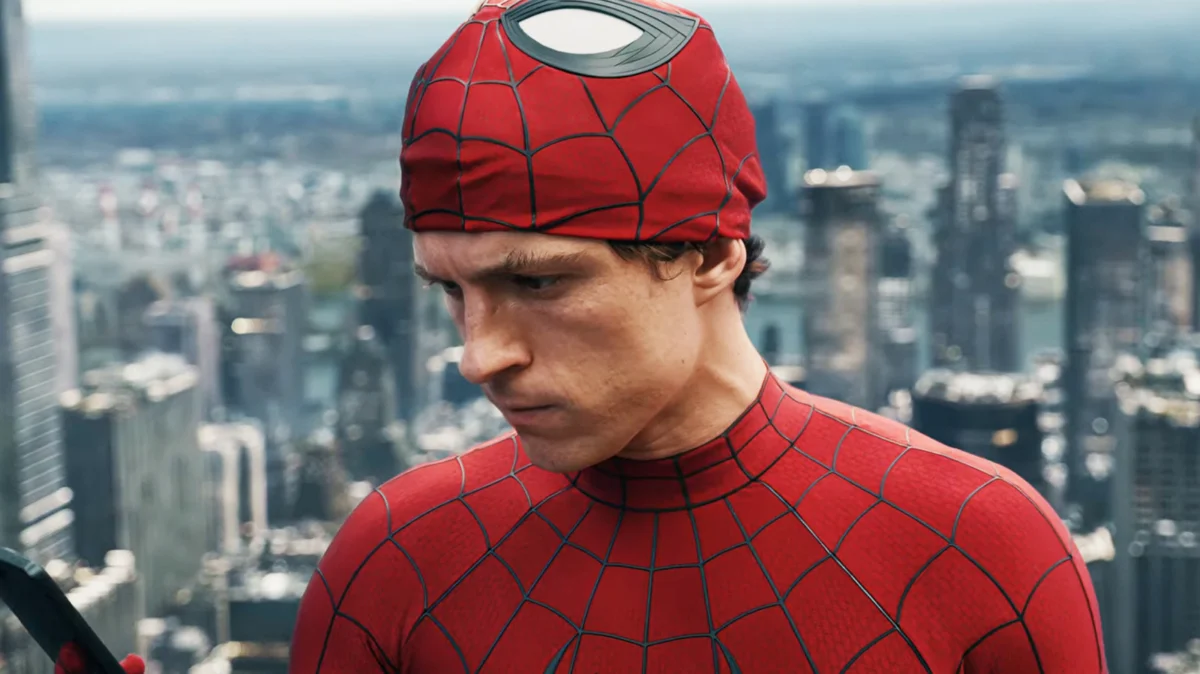
The Marvel Cinematic Universe (MCU) is currently navigating a period of profound transition. As the studio grapples with a changing box-office landscape and a growing audience fatigue toward the traditional superhero formula, the future of its most iconic crown jewel—Spider-Man—has become a subject of intense industry speculation. While Tom Holland remains the face of the wall-crawler, currently preparing for his latest outing, Spider-Man: Brand New Day, the conversation surrounding his eventual successor has shifted from "if" to "who."
In a candid interview with Esquire, Holland didn’t just speculate; he provided a concrete recommendation. The actor, who has defined the role for over a decade, identified the young, critically acclaimed British sensation Owen Cooper as the ideal candidate to don the suit. For a franchise that has historically relied on established charismatic leads, a pivot toward Cooper would represent a bold, auteur-driven shift in casting strategy.
A Legacy in Transition: The MCU at a Crossroads
To understand why Holland’s endorsement of Cooper carries such weight, one must first analyze the current state of the superhero genre. Since the release of Avengers: Endgame, the MCU has struggled to recapture the monolithic dominance it held for the previous decade. With critics and audiences alike signaling a desire for more grounded, character-focused storytelling, the "superhero fatigue" narrative has gained significant traction.
Tom Holland’s tenure as Peter Parker has been marked by a high-stakes, multiversal scale. However, as Holland turns 30, the physical and narrative demands of playing an adolescent high schooler are becoming increasingly incongruous. The industry is anticipating a "soft reboot" or a significant tonal shift for the Spider-Man IP, and Owen Cooper—a performer defined by his intense, naturalistic capabilities—may be exactly the type of actor needed to bridge that gap.
The Meteoric Rise of Owen Cooper: A Chronology of Success
Owen Cooper’s trajectory into the Hollywood stratosphere is nothing short of unprecedented. Before 2025, he was an unknown; by the end of that year, he was a household name.
- 2025: The Adolescence Breakthrough: Cooper made his screen debut in the Netflix limited series Adolescence. Filmed entirely in single-take sequences, the show demanded a level of technical precision and emotional vulnerability rarely seen in child actors. His portrayal of Jamie Miller, a 13-year-old grappling with the corrosive influences of the "manosphere," was described by critics as a "revelatory performance."
- The Awards Sweep: Cooper’s performance was not merely praised; it was historic. He became the youngest male actor to win the Primetime Emmy, the Golden Globe, and the BAFTA for his lead performance in a limited series.
- 2026: Establishing Versatility: Following his success on Adolescence, Cooper avoided the "child star" trap by choosing prestige projects. He took on the role of young Heathcliff in Emerald Fennell’s Wuthering Heights, proving his ability to handle period-piece drama.
- The Future Slate: Cooper is currently attached to Tom Ford’s adaptation of Anne Rice’s Cry to Heaven, further cementing his reputation as a dramatic heavyweight.
Supporting Data: Why Cooper Represents a "New Wave" of Casting
The argument for Cooper is not based on his popularity alone, but on his unique acting methodology. In an era of green-screen saturation, Cooper’s background in single-take, stage-like cinematography suggests he could bring a level of physical and emotional presence that recent superhero films have lacked.
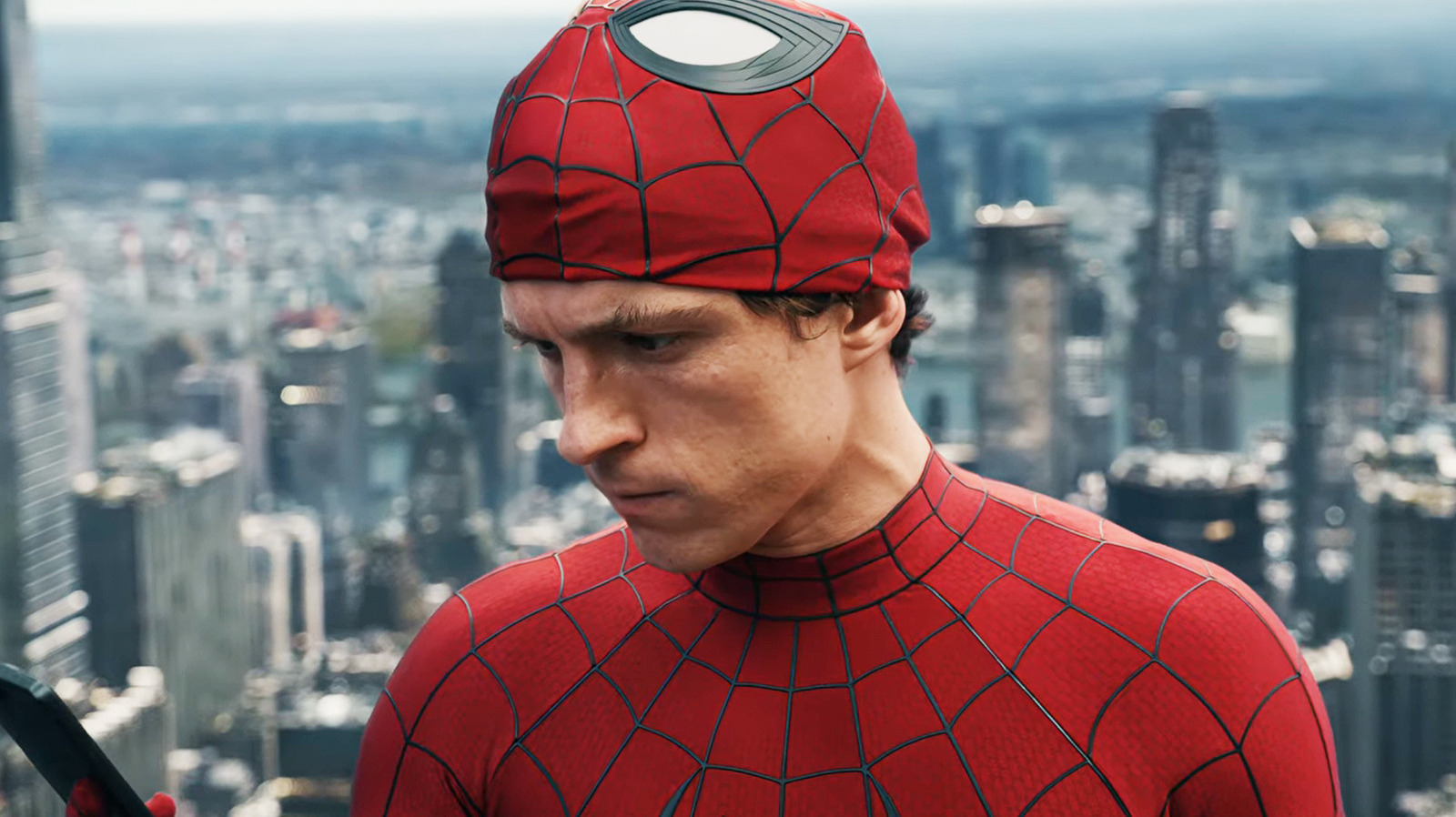
Industry analysts note that Cooper’s performance in Adolescence was lauded specifically for its "naturalistic angst." Unlike the quippy, fast-talking iteration of Peter Parker that characterized much of the MCU’s Phase 3 and 4, Cooper has demonstrated an uncanny ability to convey isolation, moral confusion, and deep-seated longing—core pillars of the Peter Parker character that often get buried under CGI spectacle.
Furthermore, at 16 years old, Cooper sits at the perfect intersection of youth and professional maturity. He is the right age to convincingly portray a high school student, yet he possesses a portfolio of work that rivals actors twice his age.
Official Responses and the "Full Circle" Narrative
The endorsement from Holland is particularly poignant given the creative history between the two. In his Esquire interview, Holland was unequivocal: "Owen Cooper would be awesome. Obviously, he’s super-talented and the talk of the town right now."
The admiration is reciprocal. In a previous interview with i-D, Cooper admitted that it was watching Holland’s performance in the 2012 disaster drama The Impossible that served as his primary inspiration for entering the acting profession. Cooper went on the record stating, "I want to play Spider-Man," signaling that this is not merely a hypothetical scenario for the young actor, but a stated career ambition.
This "passing of the torch" narrative is a marketing goldmine. The industry loves a "full circle" story, and the visual of Holland—the man who grounded the MCU’s Spidey—personally validating his successor would go a long way in calming fans concerned about the inevitable recasting of the character.
The Implications: What a "Cooper-Led" Spider-Man Means
If Marvel Studios were to heed Holland’s advice, the implications for the franchise would be significant.
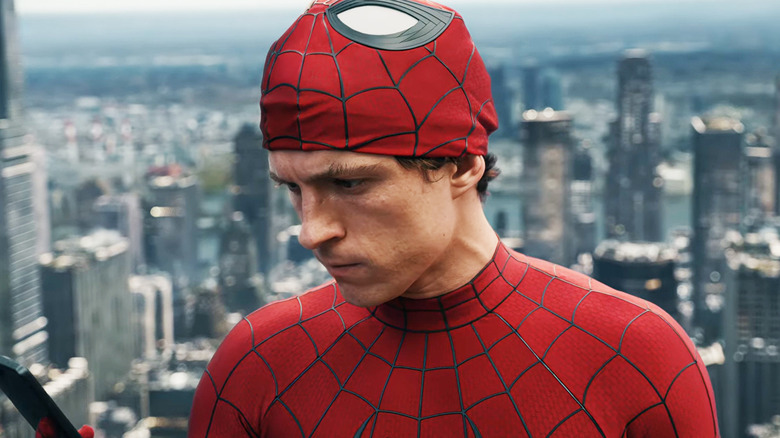
1. A Return to "Indie" Roots
The casting of Cooper would signal a move away from the blockbuster-first mentality. Much like the early days of Sam Raimi’s Spider-Man or the character-driven elements of the Amazing Spider-Man films, a Cooper-led project would likely prioritize internal character development over multiversal expansion.
2. Redefining Adolescent Angst
Spider-Man has always been the "everyman" of the Marvel Universe. Cooper’s ability to portray complex, troubled characters means we might finally see a version of Peter Parker that leans into the tragedy and social anxiety of his double life. He wouldn’t just be playing a superhero; he would be playing a teenager in over his head, a theme that resonates deeply with modern audiences.
3. The End of the "Holland Era"
For Tom Holland, this endorsement is a graceful exit strategy. It allows him to transition into more mature, adult roles—such as those he has recently explored in Brand New Day—while maintaining his legacy as the actor who solidified Spider-Man’s place in pop culture history.
Conclusion
While the machinery of Hollywood is notoriously slow to shift, the combination of Tom Holland’s public endorsement and Owen Cooper’s undeniable talent creates a compelling case for the future of the web-slinger. As the MCU looks to reinvent itself for a new generation, the choice of a performer who can balance the weight of blockbuster expectation with the raw, indie-style acting required for modern drama is essential.
Whether or not the studio pulls the trigger on this casting, the conversation itself marks a turning point. Spider-Man is no longer just a franchise; he is a generational role. And if Holland has his way, the next generation is already ready to suit up. Cooper has shown he can survive the intensity of the "manosphere" in Adolescence and the dark, sweeping moors of Wuthering Heights; handling the responsibility of the Spider-Man mantle seems like the next logical step in a career that is, by all accounts, just beginning.

 Siti Muinah
 Dwi Wanna