

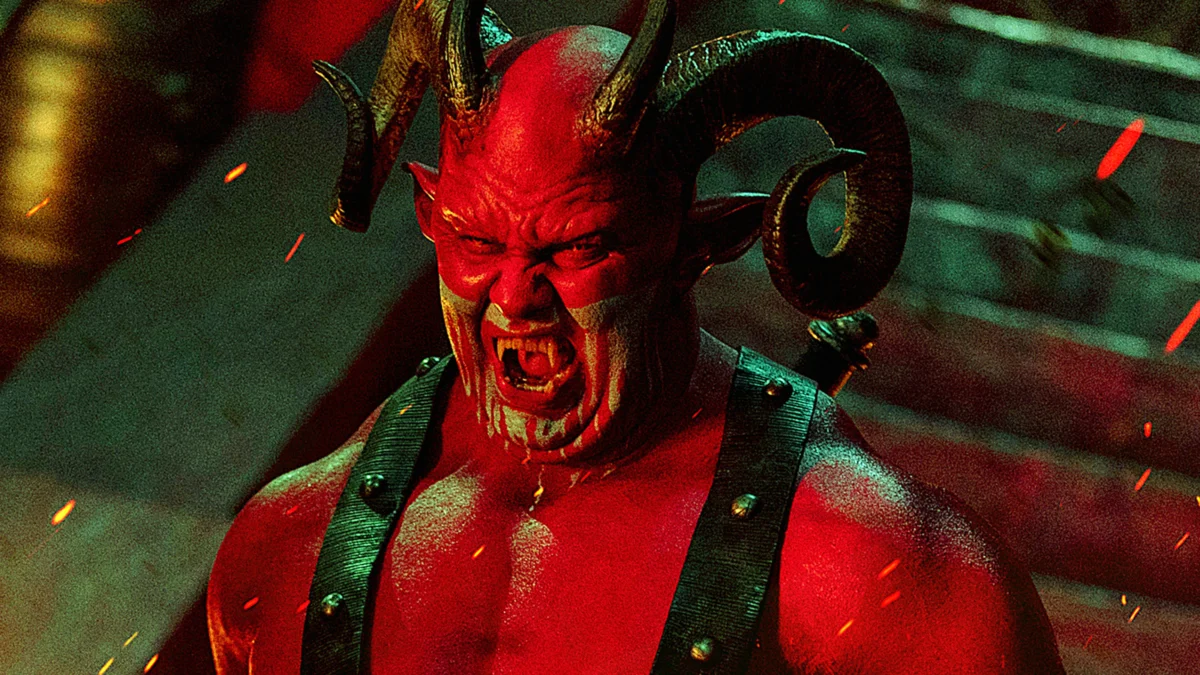
In an era dominated by digital artifice and green-screen environments, director Travis Knight is making a bold statement with the upcoming Masters of the Universe adaptation. While modern blockbusters frequently rely on "fix-it-in-post" strategies, Knight’s vision for the sprawling world of Eternia leans heavily into the tactile, physical reality of practical effects. At the heart of this commitment is a grueling, marathon-style transformation process that turned professional strongman Hafþór Júlíus Björnsson into one of Skeletor’s most fearsome lieutenants: the enigmatic Goat Man.
The Vision: Practical Magic in a Digital Age
Building an entire planet from scratch is a logistical impossibility, but for Travis Knight—the visionary behind Bumblebee and Kubo and the Two Strings—the goal was never to replace reality, but to ground it. Knight has been vocal about his desire to create as much of He-Man’s world as possible using tangible, practical builds. This approach is intended to provide the actors with a genuine environment to inhabit, rather than a void of motion-capture dots.
To realize the inhabitants of this world, the production enlisted special effects makeup legend Barrie Gower. Gower, whose resume includes the terrifying anatomy of Vecna in Stranger Things and the grotesque, fungal-infected horrors of The Last of Us, was tasked with the Herculean challenge of bringing Skeletor’s Evil Warriors to life.
"The goal was to create their whole look in-camera," says producer Jason Blumenthal. "We wanted to avoid the need for digital enhancements whenever possible. We want the audience to feel the weight of the armor, the texture of the skin, and the reality of these creatures."
The Eight-Hour Transformation: A Test of Endurance
The most striking example of this practical-first philosophy is the character of Goat Man. Played by Icelandic giant Hafþór Júlíus Björnsson—internationally recognized as "The Mountain" from Game of Thrones and a titan in the world of competitive strongman—the character represents the pinnacle of the film’s makeup department’s capabilities.
Björnsson, standing at 6’8” and weighing over 450 lbs, is a performer accustomed to physical stress. However, the role of Goat Man required a different kind of stamina. According to production staff, the application of the intricate prosthetic suit—which covers Björnsson in a layer of beast-like texture—takes a staggering eight hours to complete.
"Goat Man, from the minute he got into the costume chair to the second he got on set, takes eight hours," producer Jason Blumenthal revealed during a set visit. "We can only shoot for ten hours a day, so think about how much time he’s doing that just to go out and perform. It’s a crazy commitment."
This level of dedication is rare in modern filmmaking. It transforms the makeup chair into a space of extreme discipline, where the actor must sit perfectly still for the duration of a standard workday before even stepping in front of the camera. For Björnsson, the process is a test of patience that matches his legendary feats of strength.
Chronology: From Minor Concept to Major Menace
The journey of Goat Man from the periphery of the Masters of the Universe lore to a standout role in the 2026 feature is a testament to the power of creative collaboration.
Origins in the Archives
For the uninitiated, Goat Man is a deep-cut character in the Masters of the Universe canon. Before this project, his presence was largely limited to brief, flickering appearances in comics and a minor role in the 2021 Netflix animated series Masters of the Universe: Revelation. In the early drafts of the current screenplay, he was intended to be little more than background color—a fleeting member of Skeletor’s army.
The Turning Point: Concept Art
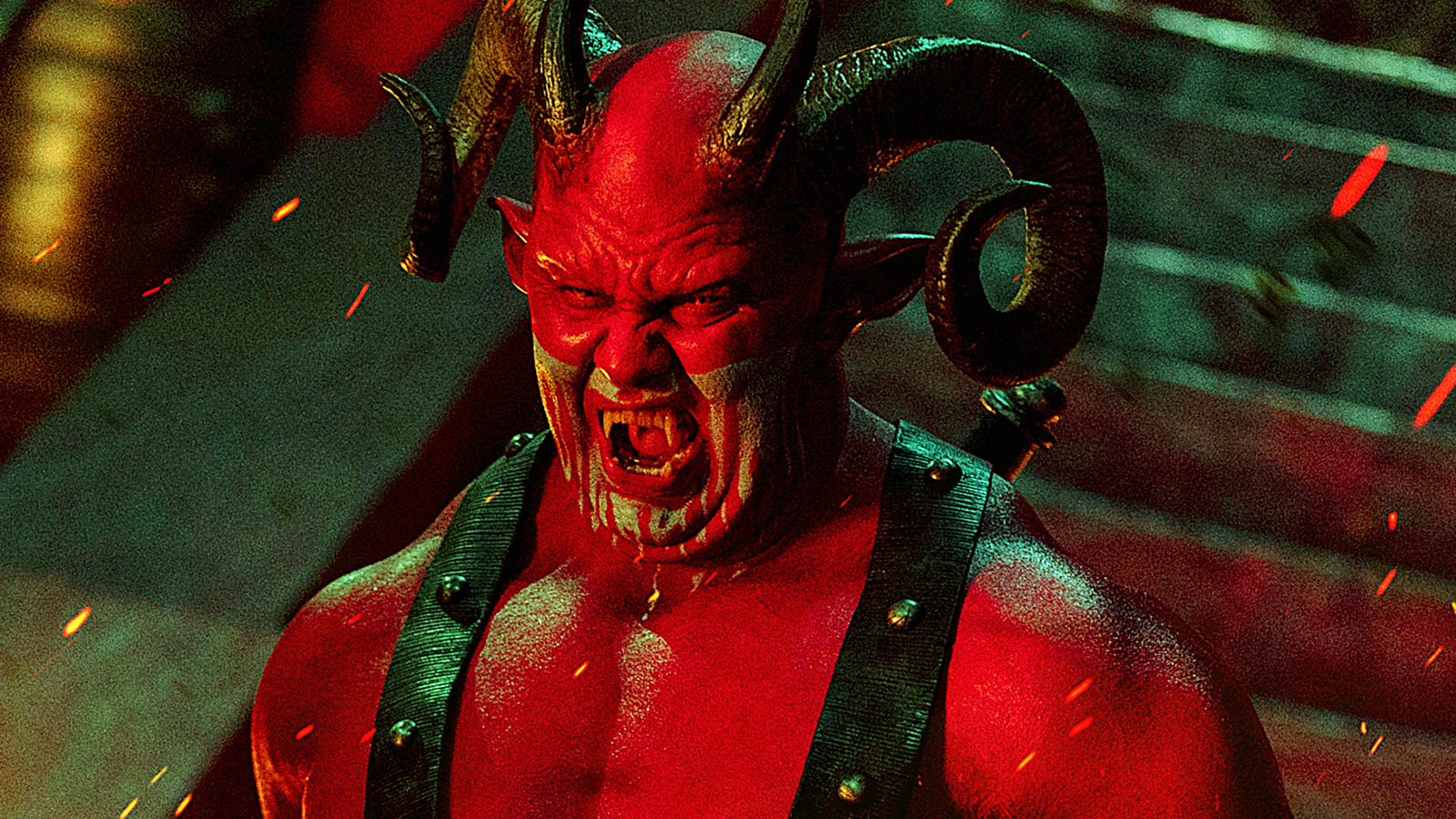
The shift occurred when production designer Guy Hendrix Dyas began work on the visual identity of the Evil Warriors. Dyas drafted concept art that caught the attention of both director Travis Knight and screenwriter Chris Butler. The design was so compelling, so uniquely "Eternian," that the creative team decided the character deserved more screen time.
"He was a very, very minor character in the original drafts," Dyas noted. "But once we showed the initial concept art to Travis and Chris, they said, ‘Okay, we need to write some more scenes for you.’ The design demanded a narrative expansion."
The "Mountain" Effect
As the role grew, so did the physical requirements. The production team realized they needed an actor with an imposing physical presence to match the intensity of the new character design. Once Björnsson was cast, the scale of everything—from the costume to the props—had to be recalibrated.
Supporting Data: The Logistics of a Giant
The integration of a man of Björnsson’s stature into the Masters of the Universe world created a ripple effect across every department, particularly in the props department.
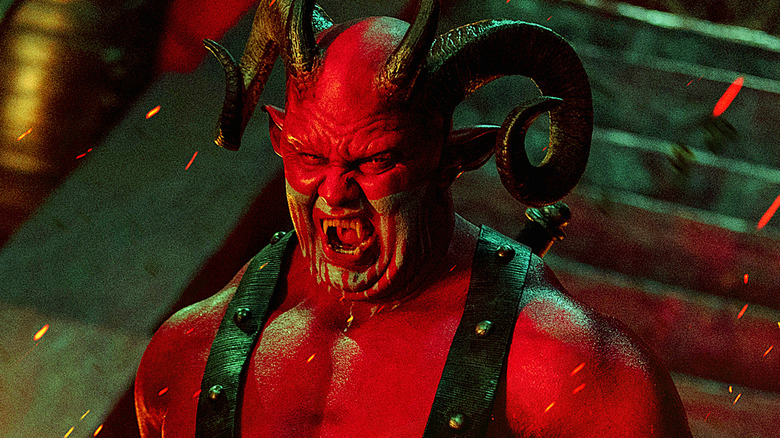
When the team began planning Goat Man’s weaponry, they initially crafted an axe that measured approximately three feet in length. By industry standards, this is a substantial weapon. However, when the 6’8” Björnsson arrived on set, the prop instantly appeared diminutive.
"Hafþór rocked up, and he’s like a giant," recalls props master Steven Morris. "The axe we had just didn’t work. It looked like a toy in his hands. We had to go back to the drawing board and build a bigger axe—one that felt proportional to a man of his size."
This anecdote underscores the meticulous nature of the production. Nothing in the film is left to chance; if an element of the world doesn’t feel grounded or "real," the team is committed to rebuilding it until it fits the physical reality of the performers.
Official Responses and Creative Philosophy
The decision to lean into practical effects is a calculated risk for Amazon MGM Studios. While CGI can offer infinite flexibility, it often suffers from the "uncanny valley" effect, where viewers subconsciously reject the artificial nature of the visuals.
By utilizing artists like Barrie Gower, the studio is betting that audiences will respond to the grit and texture of hand-crafted prosthetics. The actors themselves have reportedly praised the process. While the eight-hour chair time is a hardship, the ability to inhabit a character physically—to feel the weight of the suit and the limitations of the mask—provides a grounding for their performances that green screens cannot replicate.
"Once you build all this," Blumenthal explains, "the actor’s got to put it on, and they’ve got to actually be able to perform in it. That trial and error is what gives this movie its soul."
Implications for the Future of the Franchise
The inclusion of Goat Man as a primary villain, brought to life through extreme practical effects, signals a shift in the tone of the Masters of the Universe film. It suggests a movie that respects its source material’s weird, high-fantasy roots while updating them for a modern audience with the craftsmanship of a prestige drama.
If Masters of the Universe succeeds when it hits theaters on June 5, 2026, it could mark a pivot point in the industry. It may encourage other studios to return to physical artistry, demonstrating that the effort—no matter how many hours it takes in the makeup chair—is worth the final result on the silver screen.
For fans who have waited decades for a definitive, high-budget take on Eternia, the story of Goat Man is a promising sign. It suggests that while the magic of He-Man is inherent to the story, the real magic is happening in the makeup trailer, where a team of dedicated artists and a world-class strongman are working in tandem to make the impossible, tangible.











No comments yet. Be the first to join the conversation!