For nearly two decades, the intersection of graphic design, 3D animation, and visual effects has been my professional beat. I have chronicled the evolution of digital artistry from the blocky, stylized polygons of the early 2000s to the breathtaking, hyper-realistic environments of the modern era. However, when I say that the latest promotional assets for Grand Theft Auto VI have stopped me in my tracks, I am not engaging in industry hyperbole. I am describing a visceral, near-emotional response to the sheer technical fidelity on display.
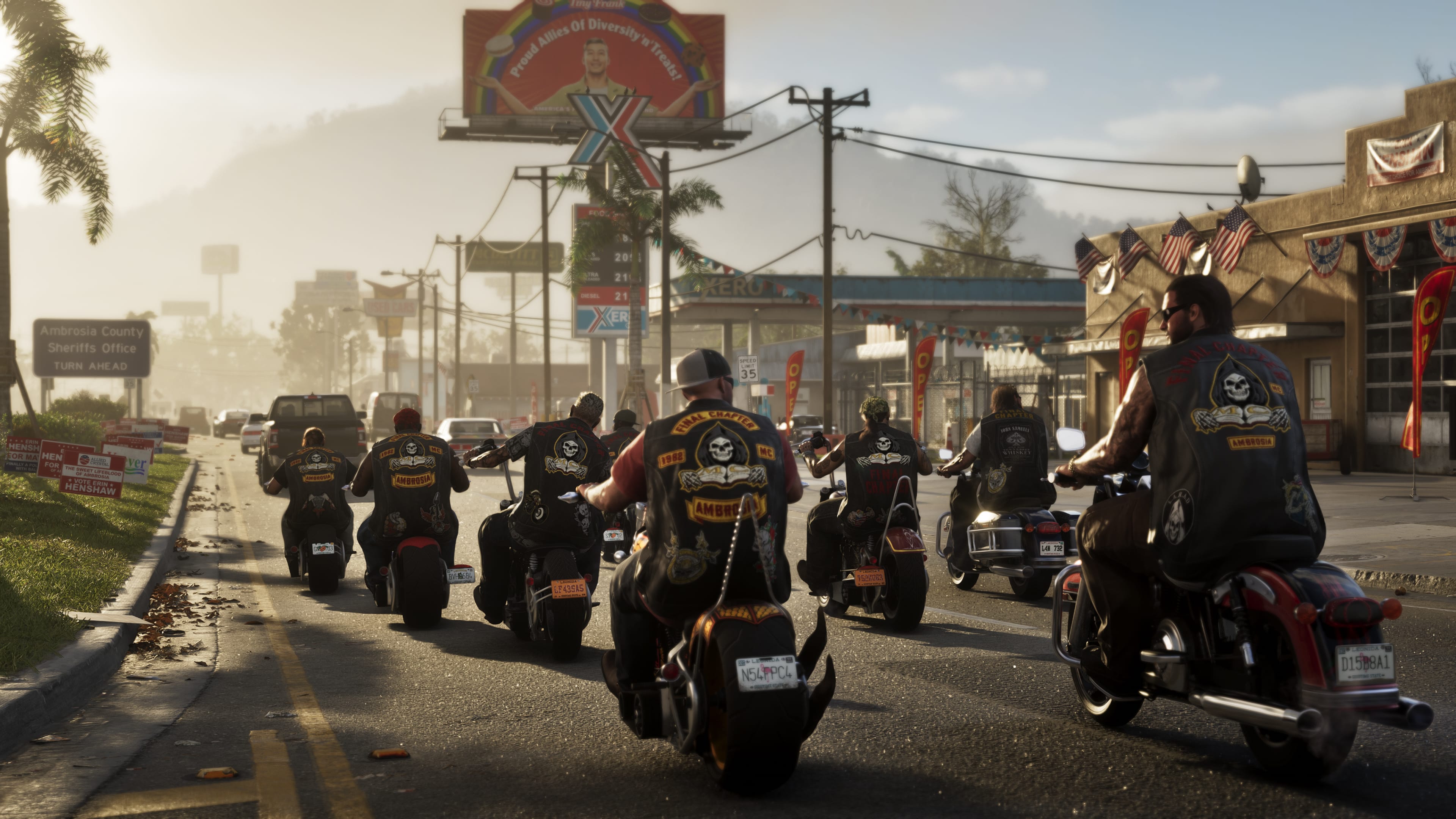
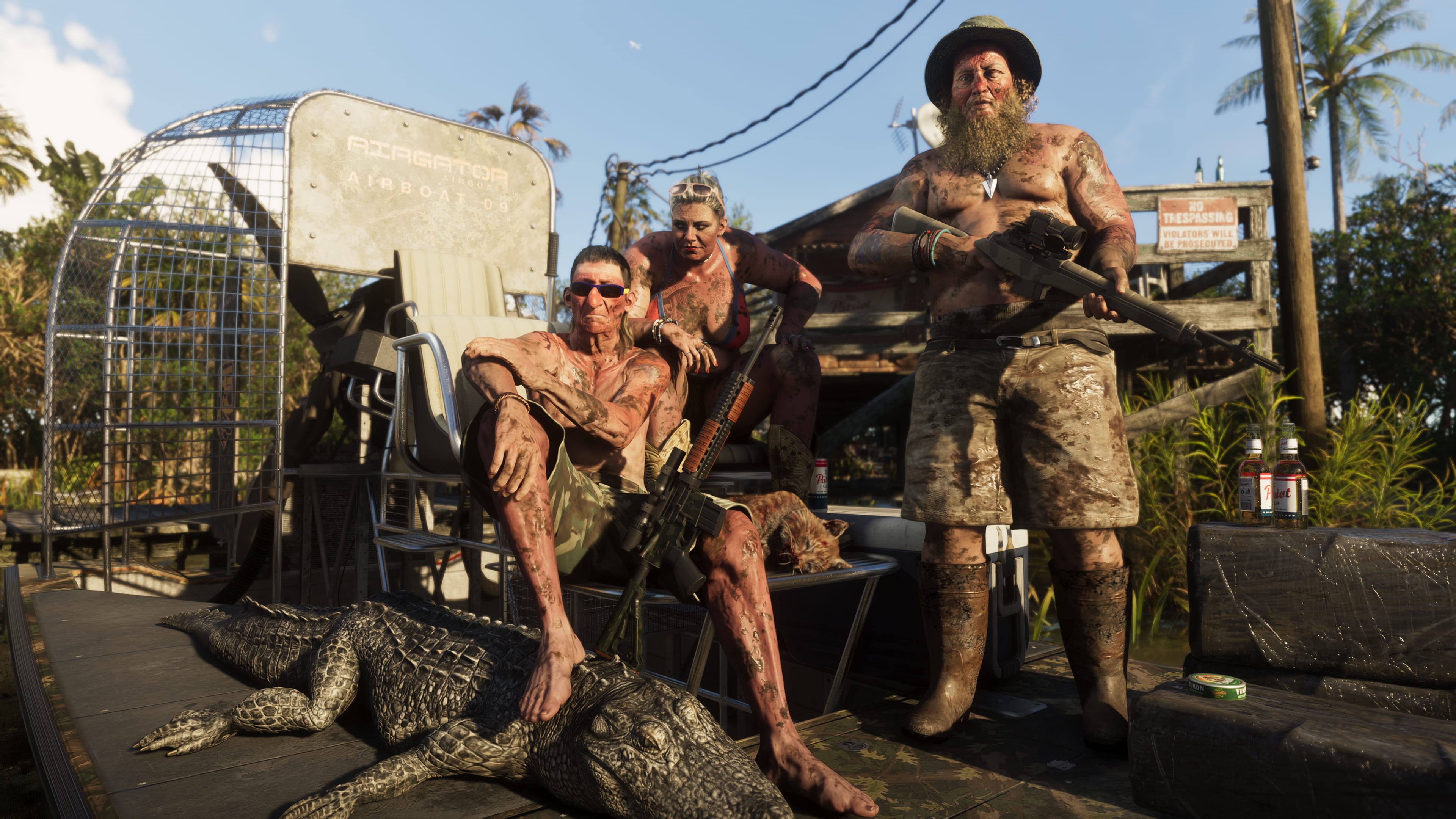
Rockstar Games has unveiled a series of in-game screenshots and trailers that blur the line between interactive entertainment and cinematic storytelling. The lighting engines, the sub-surface scattering on skin textures, and the atmospheric depth are the kind of visual benchmarks I would usually reserve for high-budget Hollywood VFX. Yet, as a critic who has watched this medium mature, this unprecedented leap in graphical fidelity fills me with a sense of trepidation. My concern is not that "better" graphics are inherently bad; it is that the pursuit of total realism creates a "vibe problem," a performance bottleneck, and an economic barrier that could fundamentally alter the Grand Theft Auto experience.
The Main Facts: A New Visual Standard
The visual leap represented by GTA VI is undeniably massive. Drawing from the promotional material released thus far, Rockstar appears to be utilizing a bespoke version of their RAGE (Rockstar Advanced Game Engine) that emphasizes global illumination and physically-based rendering to an extent never before seen in an open-world title.
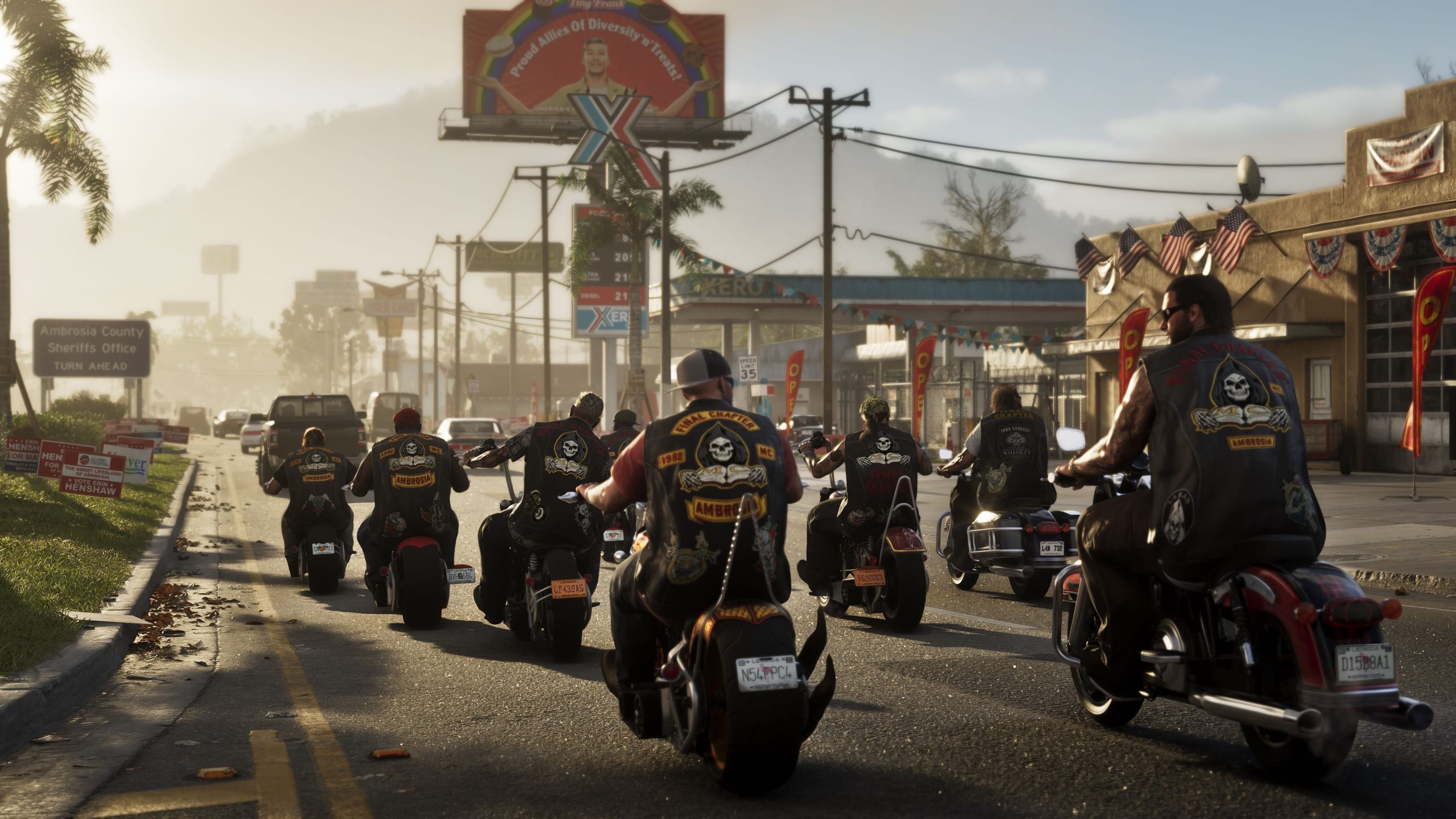
The imagery—featuring sun-drenched rural vistas, dense, high-fidelity urban environments, and lifelike character models—suggests that Rockstar is aiming for a level of photorealism that mirrors the real world. While this is a technical triumph, it poses a direct challenge to the franchise’s identity. Grand Theft Auto has always been a satirical, chaotic, and intentionally cartoonish playground. It is a sandbox where you can survive a rocket blast, hijack a police cruiser, and then calmly walk into a diner for a burger. That tonal whiplash works precisely because the world looks like a game. It is stylized enough for our brains to accept the "cartoon logic" of its universe.
The Chronology of Expectations
- The Announcement (2022): Initial leaks and the formal confirmation of development set the internet ablaze, with players speculating on the sheer scale of the new map, "Leonida."
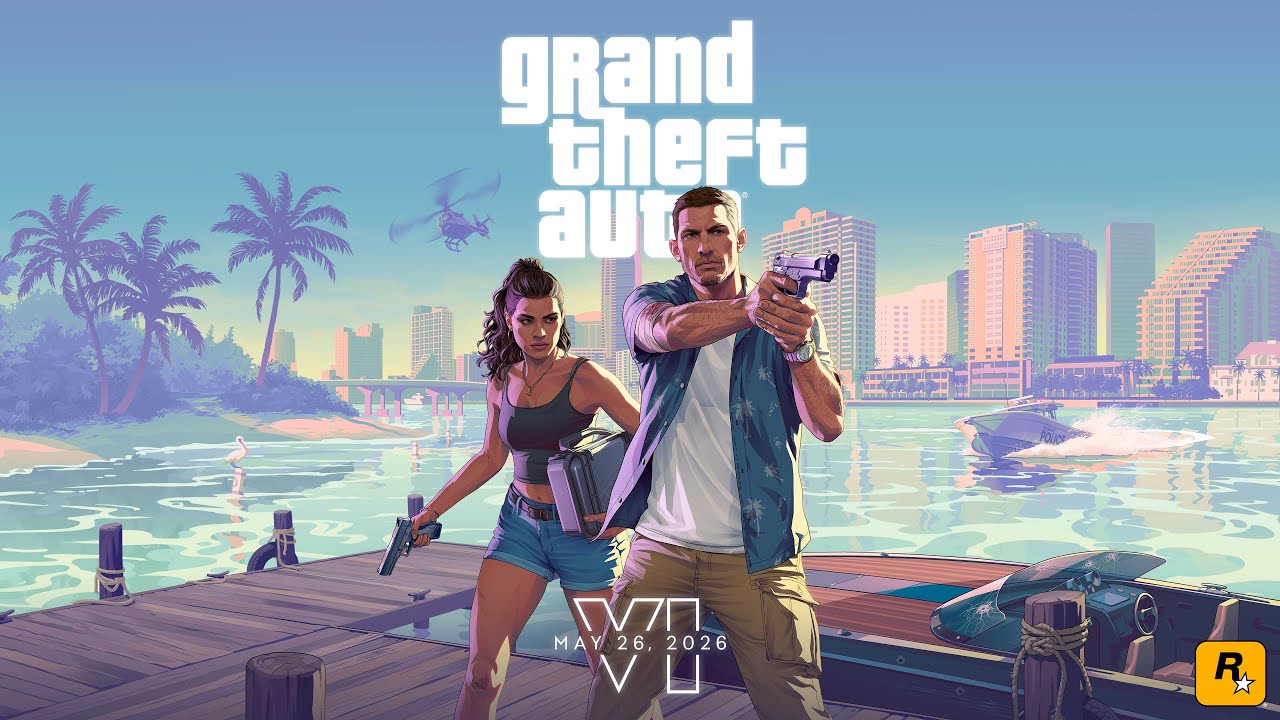
- The Reveal Trailer (December 2023): The first trailer confirmed the return to Vice City and displayed a density of NPCs and environment detail that suggested a leap in technical ambition, setting the baseline for the "next-gen" expectation.
- Performance Speculation (2024-2025): As the hype cycle matured, discourse shifted from the narrative and setting to the technical limitations of current hardware. Industry analysts began questioning if current-generation consoles (PS5 and Xbox Series X/S) could maintain a steady frame rate at such high visual fidelity.
- Pricing Announcements (Mid-2024): The confirmation of premium pricing tiers, including a $100/£90 Ultimate Edition, signaled a shift in the business model for AAA titles, sparking industry-wide debates about the cost of living and the cost of gaming.
The Vibe Problem: When Realism Becomes Unsettling
The "vibe" of GTA has always been rooted in a specific kind of satire—the "American Dream" turned on its head. When the graphics are stylized, the inherent violence of the game remains abstracted. We, as players, can engage with the chaos without it feeling overly grounded.
If we push the visuals into the realm of hyper-realism, that social contract begins to wobble. A stylized character being hit by a car in GTA: San Andreas evokes laughter or, at most, a shrug. A photorealistic character being hit by a car in GTA VI evokes a much more visceral, potentially disturbing emotional reaction. By removing the "gamey" aesthetic, Rockstar risks moving the experience from "comic book chaos" to something much more abrasive. If the game feels too real, does the satire still land, or does the violence become too heavy to support the tone of the game? This is the central risk of chasing the "ultimate" graphical fidelity.
The Technical Bottleneck: The Frame-Rate Dilemma
Beyond the aesthetic, there is the practical reality of performance. Rockstar has confirmed the game will target current-generation consoles, specifically the PS5 and Xbox Series X/S. However, the developer has been notably tight-lipped regarding performance modes.
Current industry consensus suggests that a locked 60fps at high resolutions is unlikely. My assessment, based on the density of NPCs and the complexity of the physics simulations (like weather, traffic, and lighting), is that the game will likely struggle to maintain even 40fps on standard hardware. The bottleneck here isn’t just the GPU—which can often be assisted by upscaling technologies—but the CPU. Managing thousands of autonomous AI agents in a sprawling, dense city is computationally expensive, and that overhead is often what keeps games locked to 30fps.
For a fast-paced action game, 30fps can feel sluggish. Fast turns, rapid camera movements, and high-speed driving—the bread and butter of the GTA experience—become less responsive. While the game will undoubtedly be a technical marvel, the question remains: is a beautiful 30fps image better than a slightly less detailed, but buttery-smooth 60fps experience?
Official Responses and Market Positioning
Rockstar Games has maintained a policy of "controlled silence," releasing only curated trailers and screenshots. Their official messaging focuses on the "immersion" and "scale" of the world, emphasizing that the footage is captured in-engine.
However, the market response has been shaped more by the publisher’s pricing strategy than by the tech specs. By positioning the top-tier version of the game at the $100/£90 price point, Rockstar is testing the market’s elasticity. If the biggest game in the world commands a premium price, it effectively sets a new industry standard. This has significant implications for accessibility; as graphical demands increase, the hardware required to run these games (and the cost of the games themselves) creates a barrier that excludes a growing portion of the potential player base.
Implications: The New Normal
The trajectory of GTA VI points to several critical implications for the future of the medium:
- Hardware Obsolescence: The shift toward hyper-realism means that consoles, which have traditionally provided a "baseline" for performance, are being pushed to their absolute limits within just a few years of release.
- Economic Stratification: The pricing of GTA VI suggests that "premium" gaming is becoming a luxury. This could lead to a two-tier industry: high-fidelity, high-cost AAA blockbusters and smaller, more stylized indie games that prioritize performance and accessibility.
- Creative Trade-offs: The time and resources required to achieve this level of graphical fidelity are astronomical. We must ask: are these resources being diverted from deeper gameplay mechanics, physics, or story branching?
Conclusion: A Hopeful Skeptic
I am, admittedly, a hopeful skeptic. Grand Theft Auto VI will almost certainly be a landmark achievement in software engineering and artistic design. The talent at Rockstar is undeniable, and it is entirely possible that they have found a way to balance this hyper-realism with the series’ signature, chaotic spirit.
Yet, as someone who loves the medium, I cannot help but worry that we are reaching a point of diminishing returns. When the cost of admission is $100, the hardware requirements are top-tier, and the aesthetic begins to lean toward the uncomfortable, we must ask ourselves what we are actually gaining. Are we building better games, or just more expensive, shinier ones? I will be first in the queue to find out, but I’ll be watching with a cautious eye on that frame counter.