

By Alfredo Federico Robelo | June 2, 2026
In the age of short-form content, where the average TikTok video is consumed in under sixty seconds, the cinematic landscape is undergoing a strange, paradoxical evolution. While the digital world clamors for brevity, the silver screen is increasingly dominated by "event" films that demand a level of temporal commitment rarely seen in the history of the medium. From sweeping historical dramas to bloated blockbuster sequels, the three-hour-plus movie has moved from an experimental rarity to a standard industry expectation.
For the average viewer, this presents a logistical challenge. For the elderly or those with chronic health concerns—demographics for whom a two-hour block is already a significant physical investment—these "marathon" films are becoming increasingly inaccessible. The question arises: have we reached a point where the artistic ambition of directors has surpassed the biological reality of the audience?
The Anatomy of the Epic: Why Movies Are Getting Longer
To understand why our movies are growing in length, one must look at the shifting economic model of Hollywood. Modern tentpole films are designed to be "experiences"—immersive, sensory-heavy spectacles that justify the rising cost of a theater ticket. When a studio spends $200 million on production, there is an inherent pressure to maximize "bang for the buck."

Furthermore, the rise of the "prestige" film has allowed directors to exercise greater creative control. Where editors once cut mercilessly to meet the standard 90-to-110-minute theatrical window, modern filmmakers—often with the backing of streaming giants—are opting for "director’s cuts" that prioritize scope and character development over narrative efficiency. This, however, ignores the physical toll on the viewer. Sitting in a rigid theater chair for 200 minutes is a test of endurance, one that poses genuine challenges for those who require mobility assistance or frequent comfort breaks.
A Chronology of Cinematic Endurance
The history of the "long film" is not a new phenomenon, but its perception has shifted significantly as the modern attention span wanes.
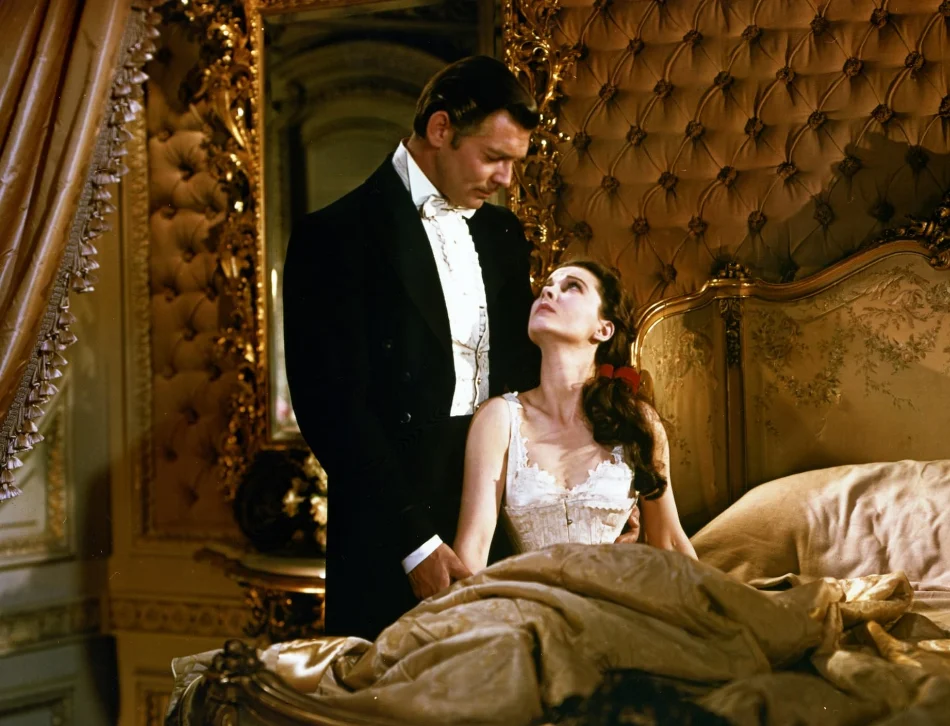
- 1939 – Gone with the Wind: At nearly four hours, this was the original "event" film. It functioned as a historical document of the American Civil War, using its length to build a sweeping, multigenerational narrative.
- 1959 – Ben-Hur: With its legendary chariot race and intermission, Ben-Hur set the gold standard for the "sword and sandal" epic. It was designed as an intermission-heavy spectacle that turned cinema-going into a night-long ritual.
- 1962 – Lawrence of Arabia: David Lean’s masterpiece used its vast runtime to capture the sheer scale of the desert. For modern audiences, however, the deliberate, slow-burn pacing of the 1960s can feel like a meditative, if grueling, exercise.
- 2003 – The Lord of the Rings: The Return of the King: Peter Jackson proved that audiences would sit for massive fantasy epics, particularly with the release of the Extended Editions, which turned the film into a four-hour commitment.
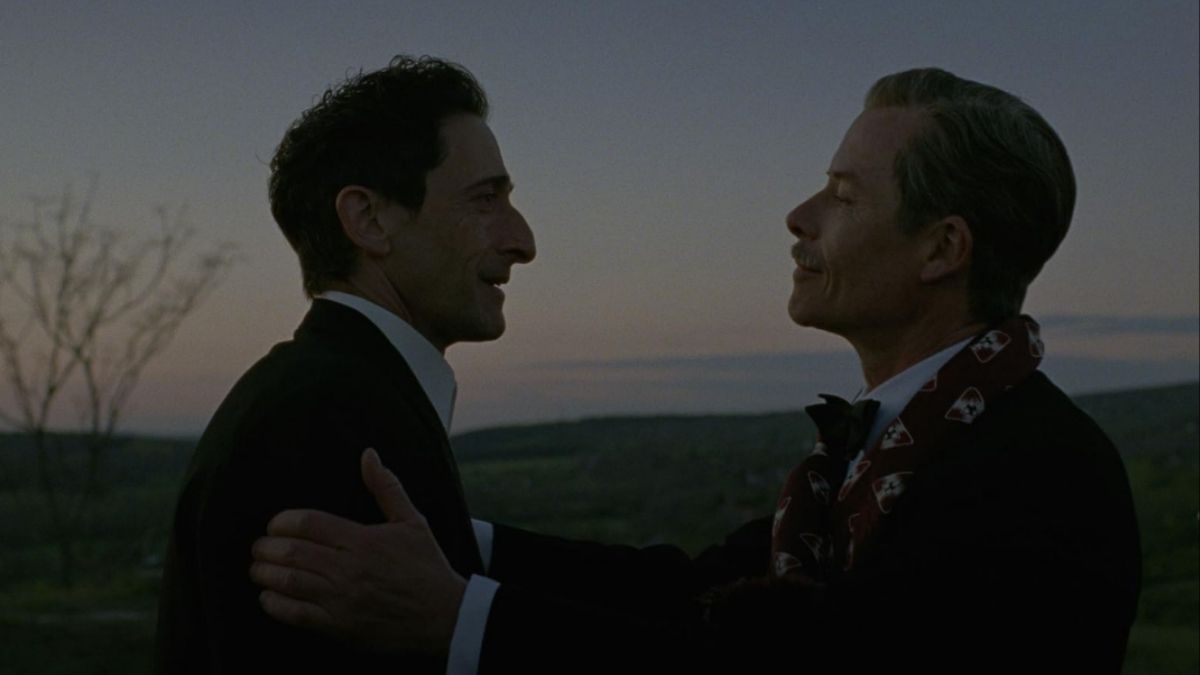
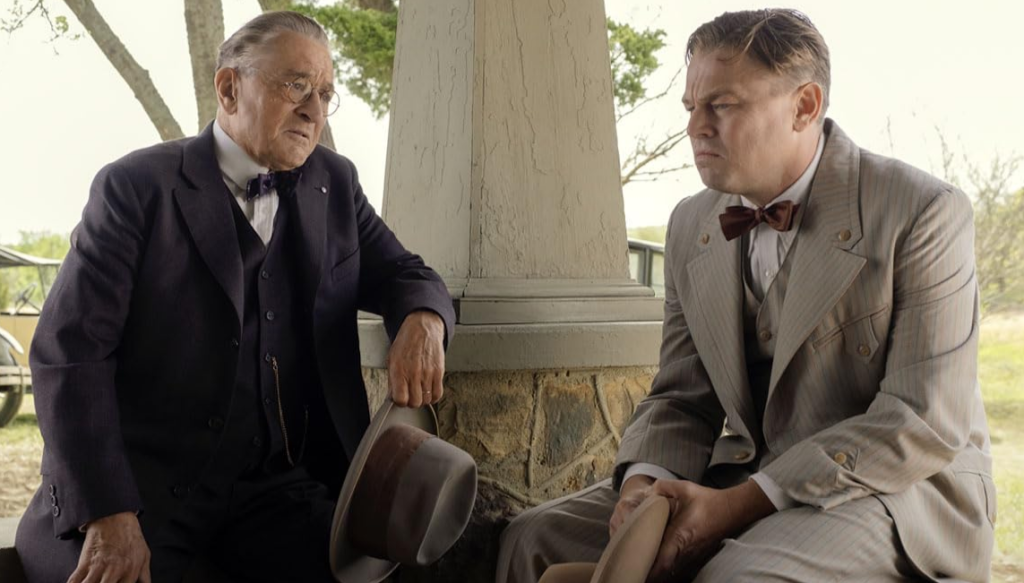
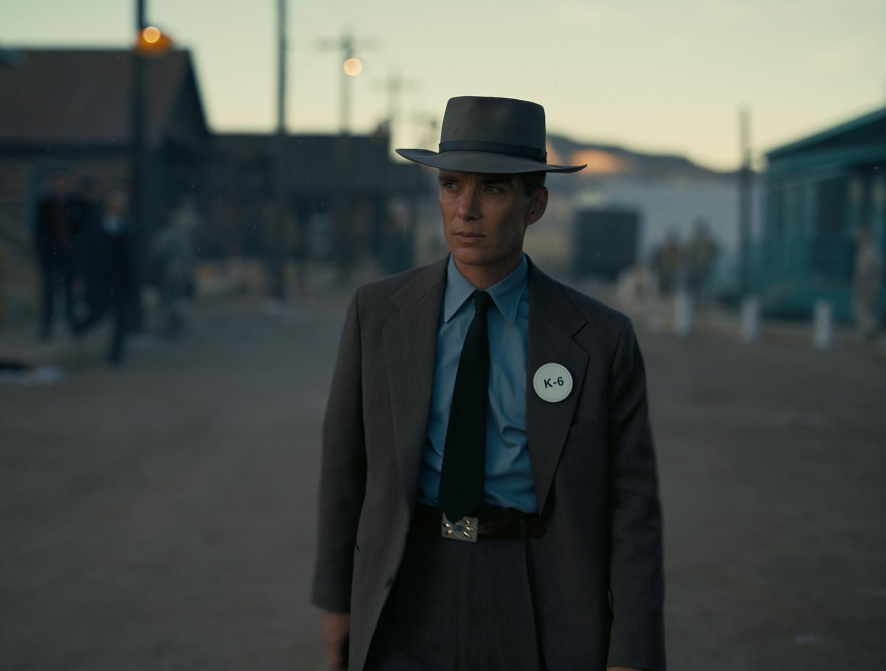
- 2023–2026 – The Modern Wave: Recent years have seen an explosion in long-form cinema, including Oppenheimer, Killers of the Flower Moon, and The Brutalist, forcing a conversation about whether the "intermission" should be a mandatory return to modern theaters.
Supporting Data: The Logistics of the Long Sit
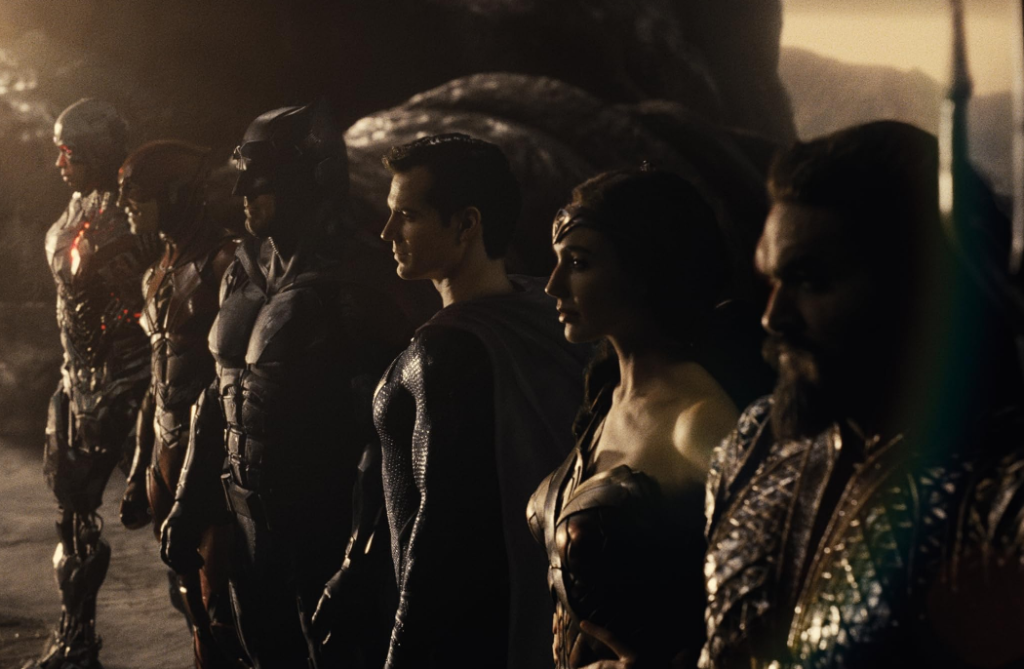
When we analyze the physical requirements of a three-hour film, the data is clear: the theater-going experience is exclusionary. For an elderly patron, a film like Zack Snyder’s Justice League (four hours) requires more than just patience; it requires significant planning regarding hydration, medication schedules, and physical comfort.
Clinical studies on sedentary behavior suggest that prolonged periods of sitting without movement can lead to increased discomfort and circulation issues, particularly for those over 65. When theaters omit an intermission, they are effectively limiting their audience to those who can withstand the physical constraints of the environment. While younger audiences might view a bathroom break as a minor inconvenience, for an aging population, the lack of a mid-film reprieve is often the deciding factor in whether they stay home or venture to the cinema.
The Case Studies: Films That Test the Limit
The Brutalist (2026)
Brady Corbet’s The Brutalist is perhaps the most honest of the recent crop, acknowledging its own girth by incorporating an official intermission. It signals a shift in thinking: if we are going to ask the audience to commit to three-plus hours, we must respect their need for a pause.
Killers of the Flower Moon (2023)
Martin Scorsese’s crime drama was lauded by critics but tested the endurance of the general public. Fans reported the need for "strategic snacking," where timing your hydration became just as important as following the plot.
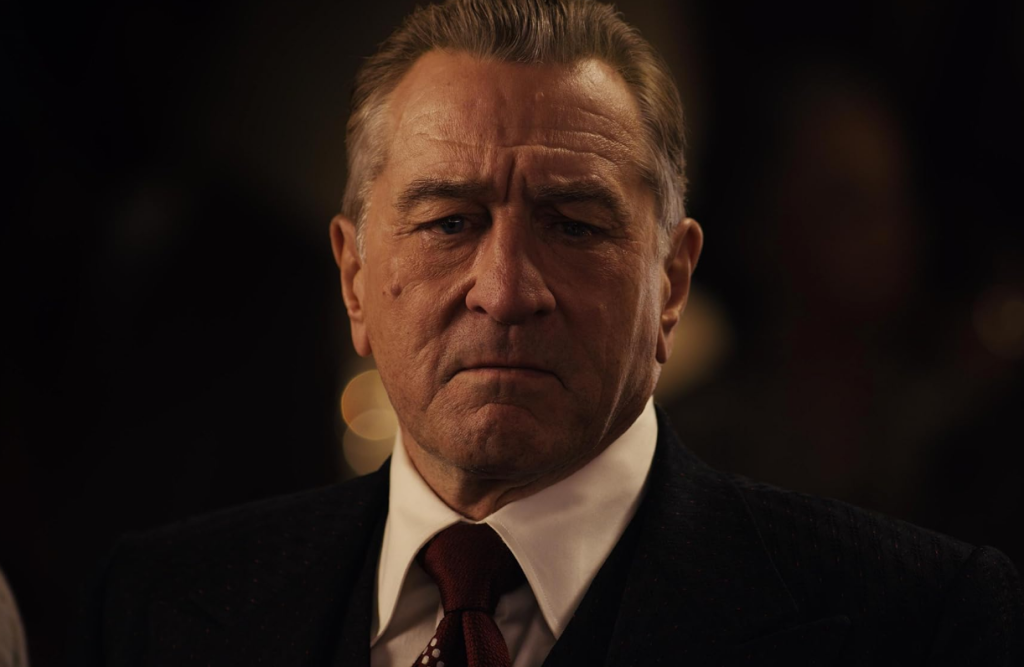
Oppenheimer (2023)
Christopher Nolan’s biographical epic packed immense intellectual density into its three-hour frame. The sheer volume of dialogue and historical detail meant that the film demanded total focus, leaving many viewers mentally exhausted by the final frame.
The Irishman (2019)
As a Netflix release, The Irishman was the ultimate "I’ll finish it later" movie. By allowing viewers to pause in their own homes, Netflix acknowledged the reality of modern life: three and a half hours is simply too much for a single sitting for most working adults.

Avatar: The Way of Water (2022)
James Cameron’s sequel relied on visual spectacle to keep the audience engaged. Yet, even with the wonder of Pandora, the physical sensation of "aging" alongside the characters became a recurring joke in social media circles as the runtime dragged on.
Implications: The Future of the Cinema Experience
The industry currently stands at a crossroads. On one hand, filmmakers argue that the "epic" is the only thing that can drive audiences away from their living rooms and into the theater. On the other, we are seeing an aging demographic and a distracted younger generation that may eventually reject the "marathon" format entirely.
The Return of the Intermission
There is a growing movement, led by exhibitors and film critics, to normalize the return of the intermission. In many parts of the world, intermissions are standard; in the U.S., they are viewed as a relic of the past. Reintroducing a ten-minute break for films exceeding 150 minutes would not only increase the accessibility of these films for elderly and disabled viewers but also provide a much-needed boost to concession sales.
The "Home vs. Theater" Divide
As the gap between the theatrical experience and home viewing widens, we may see a bifurcation in the market. "Event" films will continue to push the three-hour mark, aiming to turn every screening into a mini-festival. Meanwhile, standard mid-budget films will likely return to the 90-minute "sweet spot," ensuring they remain accessible to a broader, more casual audience.

Conclusion
The evolution of film length is a mirror held up to our culture. We crave the epic, the grand, and the immersive, yet we struggle to balance these desires with the reality of our physical limits. Whether or not these films are "too long" is subjective, but the industry must acknowledge that the cinema-going experience is a physical commitment.
If directors intend to continue crafting four-hour epics, the theater owners of the future must be prepared to evolve. By providing more comfortable seating, clearer warnings about runtimes, and, most importantly, the return of the intermission, the industry can ensure that the "endurance test" of the 21st century remains a pleasure rather than a chore. Until then, perhaps it is best to leave the four-hour cut for the comfort of the living room, where the pause button is always within reach.











No comments yet. Be the first to join the conversation!