While the tech world has spent the better part of the year fixated on the evolution of Samsung’s Galaxy Z series—specifically the high-performance Galaxy Z Fold8 Ultra—a quiet revolution has been unfolding in the foldable market. Honor, the manufacturer that spun off from Huawei, has consistently pushed the boundaries of industrial design and hardware efficiency. With the release of the Honor Magic V6, the company has not only challenged the market leader but, in a surprising turn of events, has undercut the competition in a way that is causing waves among tech enthusiasts and casual consumers alike.
The device, which launched in May with an MSRP of £1,999, is currently the subject of an aggressive retail strategy. In a move that has left market analysts scratching their heads, Honor has slashed the price by a staggering £500, bringing the flagship foldable down to £1,499. This discount is not tied to a specific promotional event or trade-in scheme; rather, it appears to be a direct aggressive play to capture market share from more established players.
Main Facts: A Flagship Redefined
The Honor Magic V6 is, by any metric, a powerhouse of mobile engineering. It represents the pinnacle of what users expect from a "premium" foldable experience: a device that functions as a pocketable smartphone when closed and transforms into a tablet-like canvas when opened.
Key specifications that define the V6 include its high-refresh-rate internal display, a hinge mechanism that minimizes the dreaded screen crease, and a camera array that, while polarizing in its zoom capabilities, offers a distinct aesthetic profile for mobile photographers. Unlike many competitors that rely on bulky frames, the V6 manages to maintain a slim, ergonomic profile that feels natural in the hand, even when fully extended.
The inclusion of a high-quality protective case with an integrated kickstand—included in the box at no extra cost—highlights a philosophy of user-centric design. In an era where manufacturers are increasingly removing accessories from the packaging, Honor’s decision to provide a functional, premium-feel stand signals an understanding of how power users actually interact with large-screen devices: they want to consume media, attend video calls, and multitask without needing to purchase additional, often expensive, peripherals.
Chronology: From Launch to Market Disruption
To understand the current positioning of the Magic V6, one must look back at the company’s trajectory over the past eighteen months.
- Q1 2024 (The Tease): Honor began leaking details regarding the V6, emphasizing "thinness" and "durability" as their core pillars. The industry, still recovering from the saturation of the previous generation of foldables, initially viewed the announcements with cautious optimism.
- May 2024 (The Official Launch): The device debuted at the £1,999 price point. At this time, it was positioned as a direct competitor to the luxury end of the smartphone market, competing directly with the Samsung Z Fold series for the hearts of tech-forward professionals.
- Summer 2024 (Market Reception): Early reviews were largely positive, specifically praising the software optimization—a major hurdle for foldable devices—and the vibrant color reproduction of the OLED display.
- Late Q3 2024 (The Strategic Pivot): Without warning, the price was dropped to £1,499. This move triggered an immediate uptick in interest, effectively forcing a "price-to-value" conversation that Samsung and other competitors were not prepared to have in the middle of a product cycle.
Supporting Data: Why the Price Drop Matters
The £500 discount is significant not just for the consumer, but for the broader economic health of the mobile sector. The foldable market has long been criticized for its "early adopter tax," where consumers are forced to pay exorbitant prices for technology that is still considered "experimental" by some.
By moving the Magic V6 into the £1,400 bracket, Honor has essentially brought flagship foldable technology into the same price territory as high-end, non-folding flagships like the iPhone 15 Pro Max or the Samsung Galaxy S24 Ultra. This creates a psychological shift: the consumer no longer has to choose between "the latest technology" and "a folding screen." They can now have both without paying a premium that exceeds the cost of a high-end laptop.
Data indicates that while foldables currently occupy a small percentage of total smartphone shipments, the "willingness to pay" threshold for the average consumer drops off significantly after the £1,500 mark. By landing exactly at £1,499, Honor has successfully navigated the psychological barrier that often prevents potential buyers from switching brands.
The Camera Conundrum: A Matter of Preference
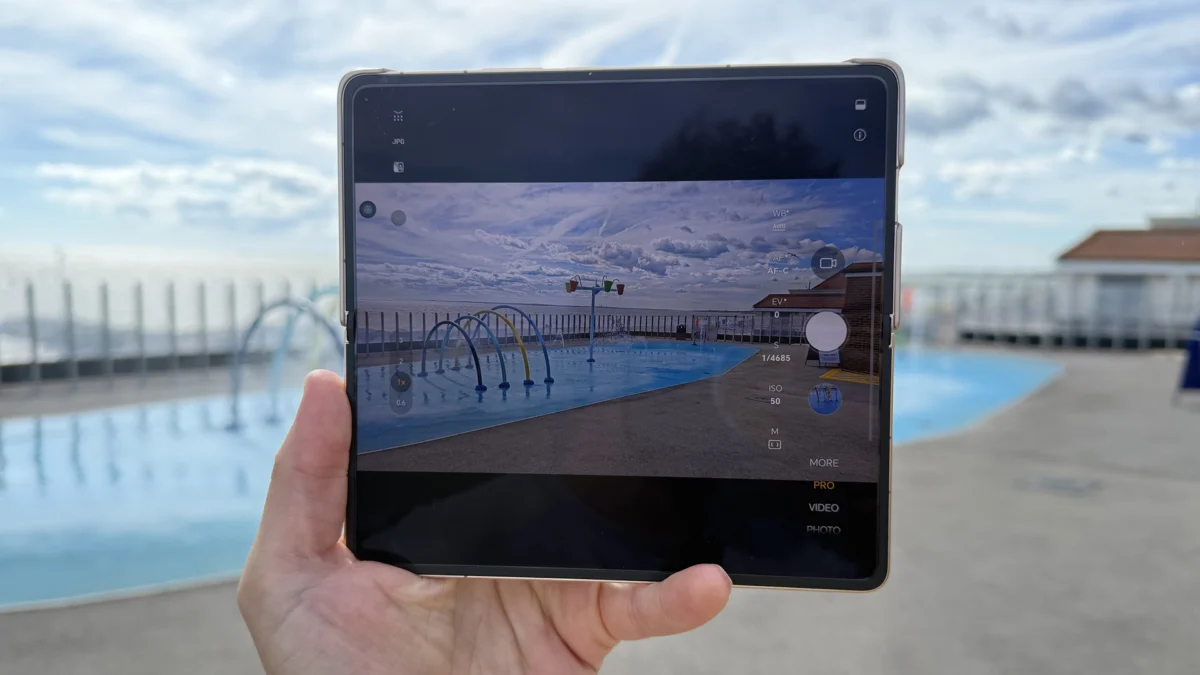
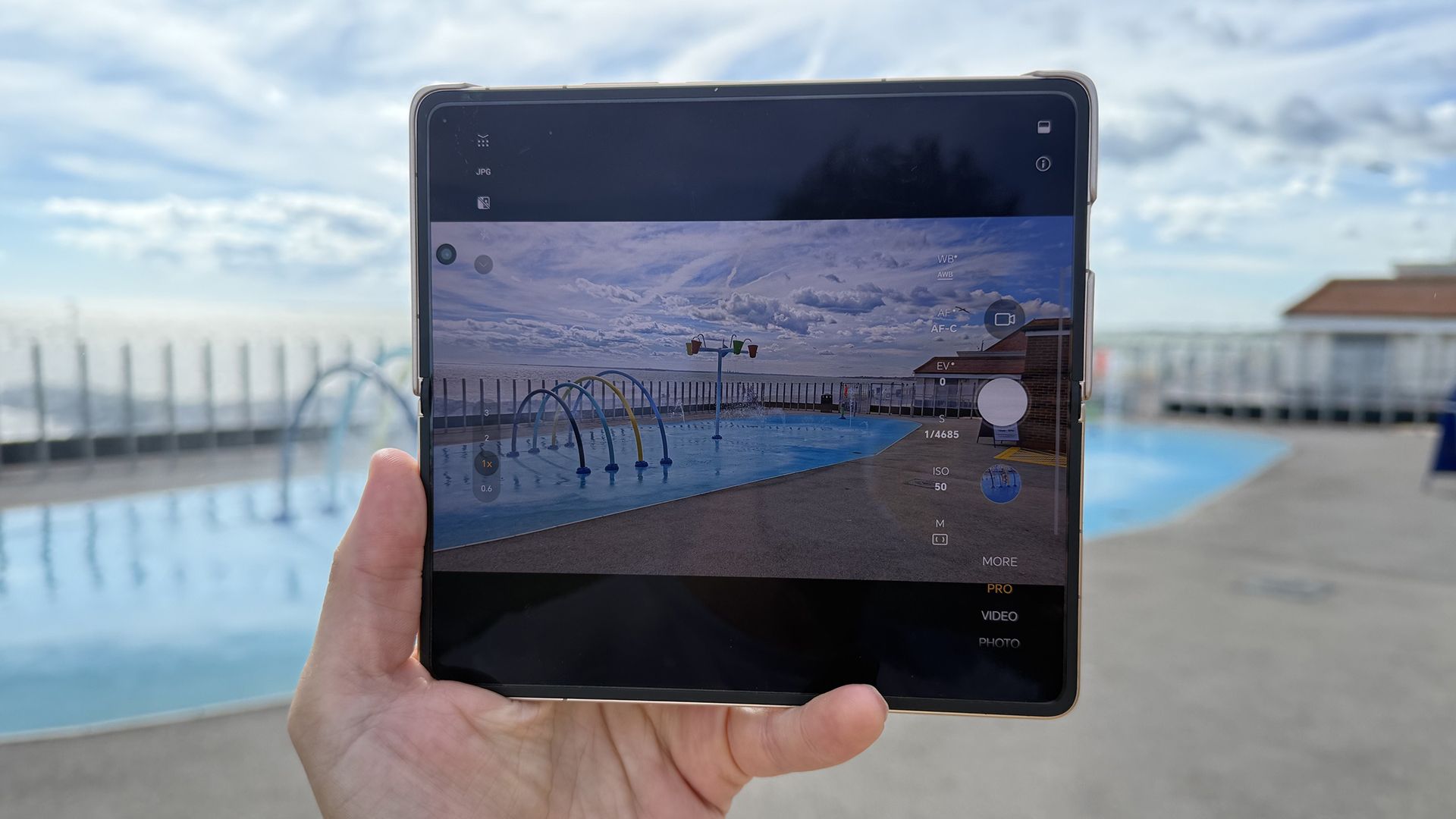
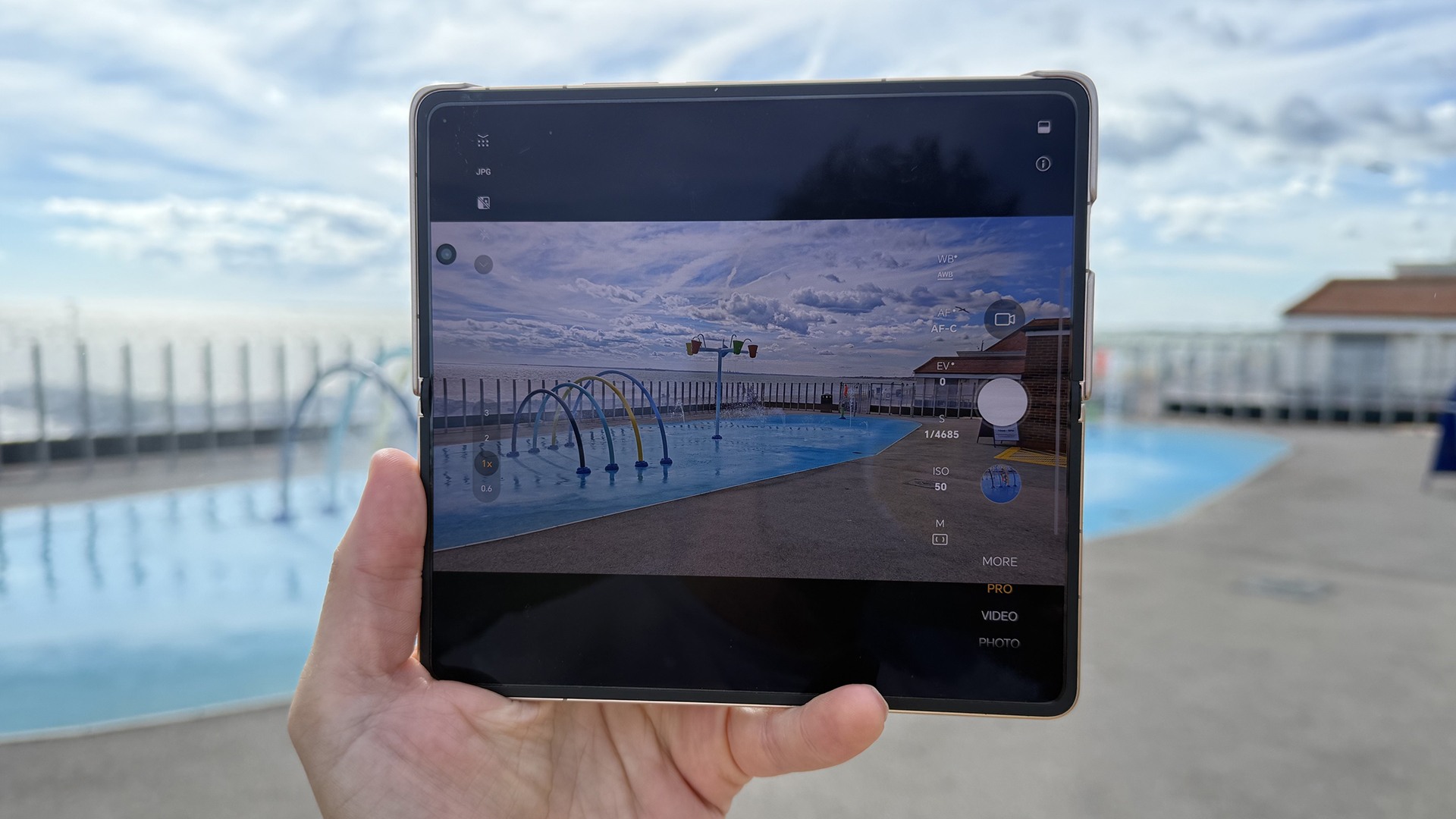
In my review of the Honor Magic V6, I noted that the camera system is a double-edged sword. The primary and ultra-wide sensors perform exceptionally well, capturing detail and dynamic range that rivals the best in the business. The color science leans toward a slightly saturated, "ready-for-social-media" look, which many users find appealing.
However, the "mega zoom" feature—a point of significant marketing pride for Honor—remains a point of contention. While impressive from a technical standpoint, the extreme focal lengths often suffer from digital artifacts that the internal processing cannot fully hide. However, this is easily overlooked when one considers the utility of the unfolded screen for photo editing. Being able to manipulate RAW files on a device that is roughly the size of a small notepad is a transformative experience for mobile photographers. It shifts the phone from being a "capture device" to a "production device."
Official Responses and Corporate Strategy
While Honor has not issued a formal press release explaining the "why" behind the sudden discount, the move aligns with their broader goal of establishing themselves as a tier-one global manufacturer. By undercutting the competition, they are effectively buying market share. This is a classic "loss leader" or "market penetration" strategy, designed to get the hardware into as many hands as possible.
Once a user experiences the specific benefits of the Magic V6—the multitasking, the screen real estate, the build quality—it becomes significantly harder for them to return to a standard slab phone. Honor is betting that the quality of the device will create a loyal customer base that will stick with the brand for future iterations, regardless of whether the price remains low or returns to its original premium tier.
Implications: The Future of the Foldable Market
The Honor Magic V6 is more than just a smartphone; it is a signal of the maturation of the foldable industry. As the manufacturing processes for flexible OLED screens and sophisticated hinge mechanisms become more streamlined, the cost of production is inevitably falling. Honor’s decision to pass those savings on to the consumer—rather than padding their profit margins—is a disruptive act that will force competitors to respond.
If Samsung, Google, and others wish to maintain their dominance, they can no longer rely solely on brand loyalty. They must now compete on value. We may see a broader trend of mid-cycle price adjustments or more competitive bundled offers in the coming months as companies scramble to protect their turf.
For the consumer, this is a golden era. For the first time, the "foldable" dream is becoming an attainable reality for a wider demographic. The Honor Magic V6 serves as a compelling argument that you no longer need to sacrifice your savings to stay at the cutting edge of mobile innovation. Whether this price drop is a temporary flash in the pan or a permanent realignment of Honor’s pricing strategy remains to be seen, but for those in the market for a new device, the timing has never been better.
As we look toward the next generation of foldables, the pressure is on. The bar has been set, the price has been lowered, and the competition is officially on notice. The Magic V6 proves that the future of the smartphone isn’t just about how powerful it is—it’s about how accessible that power can be.