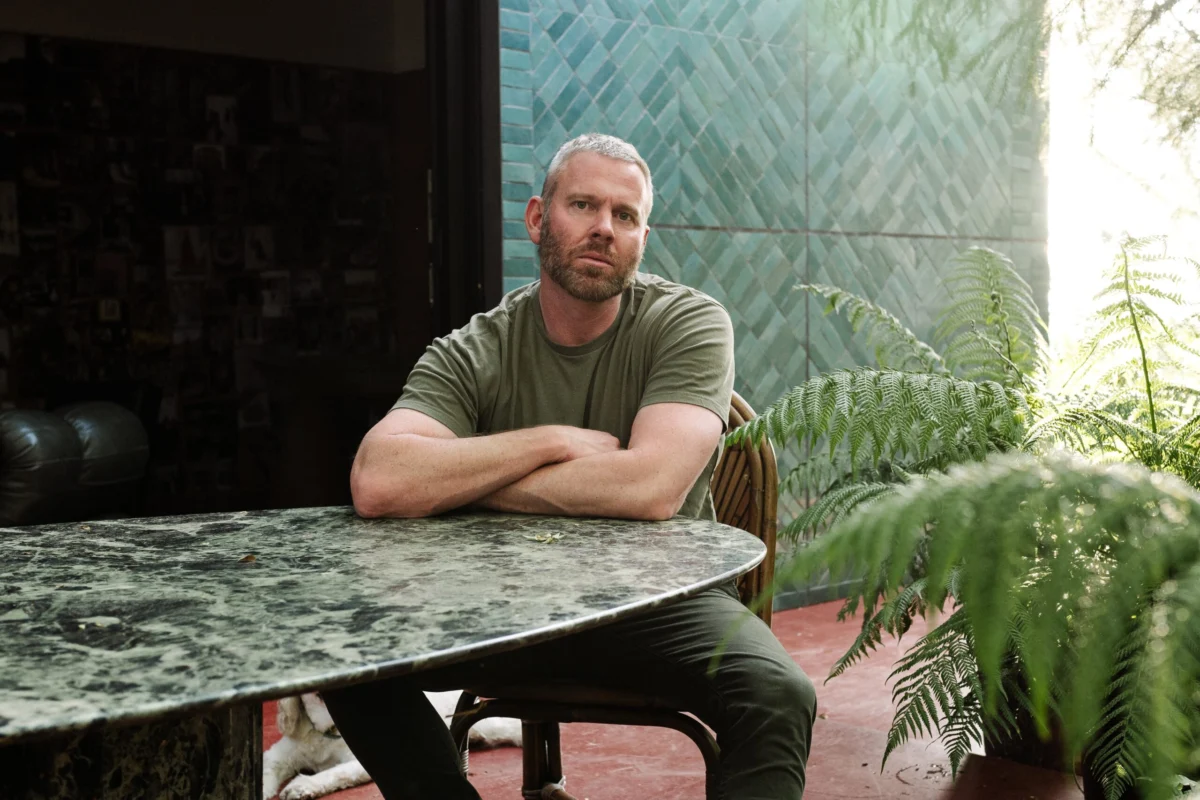
Evan Lee Salim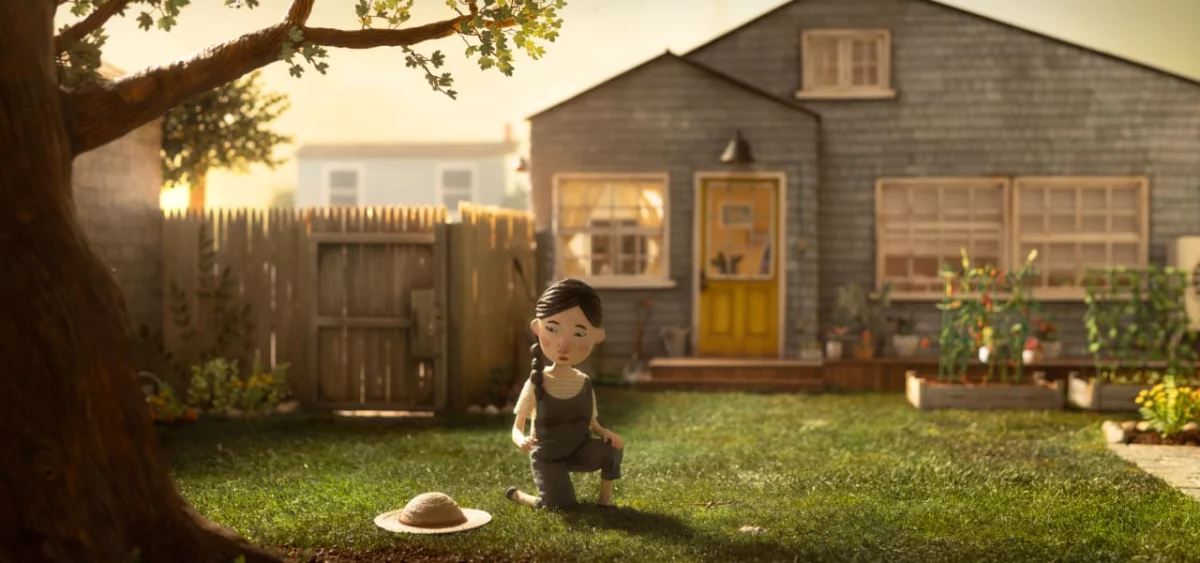
By Editorial Staff
June 18, 2026
The world of independent animation is bracing for a significant creative event as the Annecy International Animation Film Festival prepares to host the world premiere of Cartoon Physics, the latest short film from the Oscar-nominated directorial duo Ru Kuwahata and Max Porter. Produced and distributed by the powerhouse French studio Miyu Productions, the 11-minute project arrives with substantial anticipation, marking the pair’s highly awaited return to the screen following their 2017 masterpiece, Negative Space.
As the animation community gathers in France, Cartoon Physics stands as a centerpiece of the festival’s short film competition, offering a masterclass in the delicate balance between technical stop-motion precision and the raw, unscripted vulnerability of childhood.
The Core Narrative: Mortality Through a Surreal Lens
At its heart, Cartoon Physics is a quiet, profound meditation on the inevitability of loss. Inspired by the evocative poetry of Nick Flynn, the narrative centers on a fundamental milestone of childhood: the discovery of a dead bird in the backyard.
The story follows a young mother struggling to navigate her four-year-old daughter’s first confrontation with mortality. In a desperate, imaginative bid to shield her child from the permanence of death, the mother pivots to the "impossible rules" of classic animation. In this surreal framework, the duo posits a world where tragedy can be reversed with a comical bounce or an exaggerated recovery, effectively "undoing" death through the logic of cartoons.
The filmmakers describe the project as an exploration of a mother’s instinct to preserve her child’s sense of wonder, even as she acknowledges that the harsh realities of existence are inescapable. It is a film that juxtaposes the tactile, grounded nature of stop-motion with the ephemeral, gravity-defying logic of traditional ink-and-paint animation.
Chronology of a Creative Journey
The genesis of Cartoon Physics is as intimate as the story it portrays. The project has been in development for several years, evolving through a deeply collaborative and personal process.
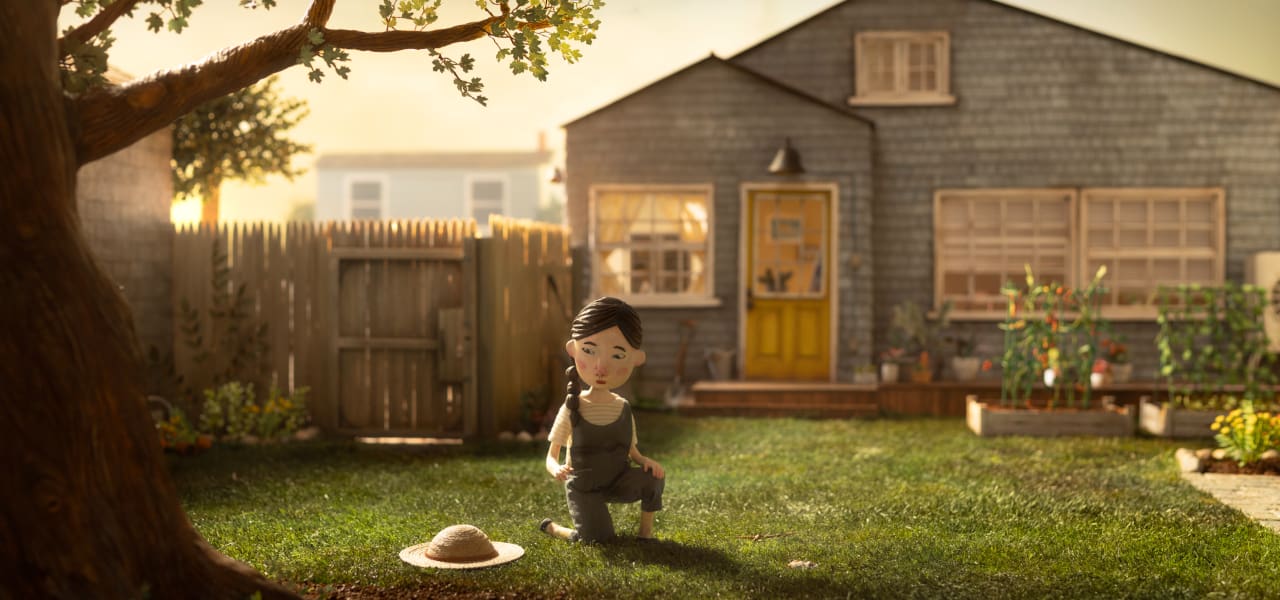
- Early Development (2023–2024): The screenplay did not emerge from a traditional writing room. Instead, it was derived from semi-unscripted, organic recordings captured over the course of a year. These recordings documented the candid conversations between the directors’ own four-year-old daughter and her mother, providing the film with an authentic, unfiltered dialogue that anchors its emotional weight.
- Production Phase (2024–2026): The film was structured as a tri-national co-production, bringing together the resources of Miyu Productions (France), Ka-Ching Cartoons (Netherlands), and Hélium Films (Switzerland). This international collaboration allowed for a sophisticated blend of stop-motion techniques.
- Festival Submission (Spring 2026): With the final edit completed, the film was submitted to the Annecy International Animation Film Festival, where it was selected for the prestigious short film competition, setting the stage for its June 2026 debut.
Supporting Data: A Proven Track Record
To understand the weight of the expectations surrounding Cartoon Physics, one must look at the duo’s previous body of work. Ru Kuwahata and Max Porter have spent nearly two decades refining a signature aesthetic that blends melancholic storytelling with meticulous, handcrafted animation.
Their 2017 short, Negative Space, served as a critical turning point in their career. Adapted from the poem by Ron Koertge, the film became a festival darling, ultimately securing an Academy Award nomination for Best Animated Short Film. Beyond the Oscar nod, Negative Space swept through the global circuit, winning dozens of awards and cementing the duo’s reputation as masters of the "small scale"—their ability to tackle grand, universal themes through microscopic, domestic details.
Cartoon Physics utilizes this same DNA. The decision to integrate their own daughter into the filmmaking process—both as a subject and a participant—suggests a continuation of the deeply autobiographical storytelling that audiences and critics have come to expect from the Kuwahata-Porter partnership.
Official Responses and Creative Intent
The filmmakers have been vocal about the collaborative nature of this production. In a recent statement regarding the project’s impending premiere, they emphasized the communal effort required to bring such a delicate story to life:
"We made this film for our daughter, and she was part of it the whole way through. So many people gave so much to this, and we’re grateful to all of them. After many years of living with the film, we’re very happy to put it in front of audiences at Annecy next week!"
By involving their child in the creative process, Kuwahata and Porter have blurred the lines between documentary observation and narrative fiction. This dual approach is expected to resonate strongly with the Annecy audience, who have historically championed films that prioritize emotional truth over spectacle.
Implications for the Animation Industry
The premiere of Cartoon Physics carries several implications for the current state of the independent animation sector:
.png)
1. The Resilience of Stop-Motion
In an era increasingly dominated by AI-generated imagery and high-budget CGI, the continued success of Kuwahata and Porter highlights the enduring power of the "handcrafted" aesthetic. Stop-motion, while labor-intensive, offers a physical presence—a weight and texture—that digital formats struggle to replicate. Cartoon Physics is expected to be a benchmark for how stop-motion can be used to explore internal, psychological states.
2. The Rise of International Co-productions
The financing model for Cartoon Physics—a collaboration between France, the Netherlands, and Switzerland—underscores the necessity of international co-productions in the European independent scene. By pooling resources from across borders, independent creators can maintain high production values while retaining artistic autonomy, a model that remains the gold standard for European animation.
3. The Shift Toward "Micro-Narratives"
The success of Negative Space and now the focus on Cartoon Physics suggests a broader trend in the industry: a pivot away from epic fantasy or broad comedy toward "micro-narratives." These are stories focused on singular, domestic moments that reflect universal truths. This shift suggests that the animation audience is hungering for stories that are not only visually innovative but also deeply rooted in the human experience.
Conclusion: A Must-See at Annecy
As the animation world looks toward the premiere in Annecy, the buzz surrounding Cartoon Physics is palpable. It is not merely a "new short" from a recognized team; it is a continuation of a dialogue on grief, childhood innocence, and the transformative power of imagination.
For those attending the festival, Cartoon Physics is positioned as a mandatory viewing experience. It represents the pinnacle of what short-form animation can achieve when it refuses to compromise on depth, intimacy, or technical rigor. Whether the film will follow in the footsteps of its predecessor and secure another Academy Award nomination remains to be seen, but for now, it is enough to know that one of the most compelling voices in contemporary animation has returned to the screen.
Cartoon Physics premieres next week at the Annecy International Animation Film Festival. Audiences are encouraged to seek out this profound, bittersweet exploration of what happens when the logic of the living room meets the laws of the cartoon universe.

 Suro Senen
 Laily UPN