

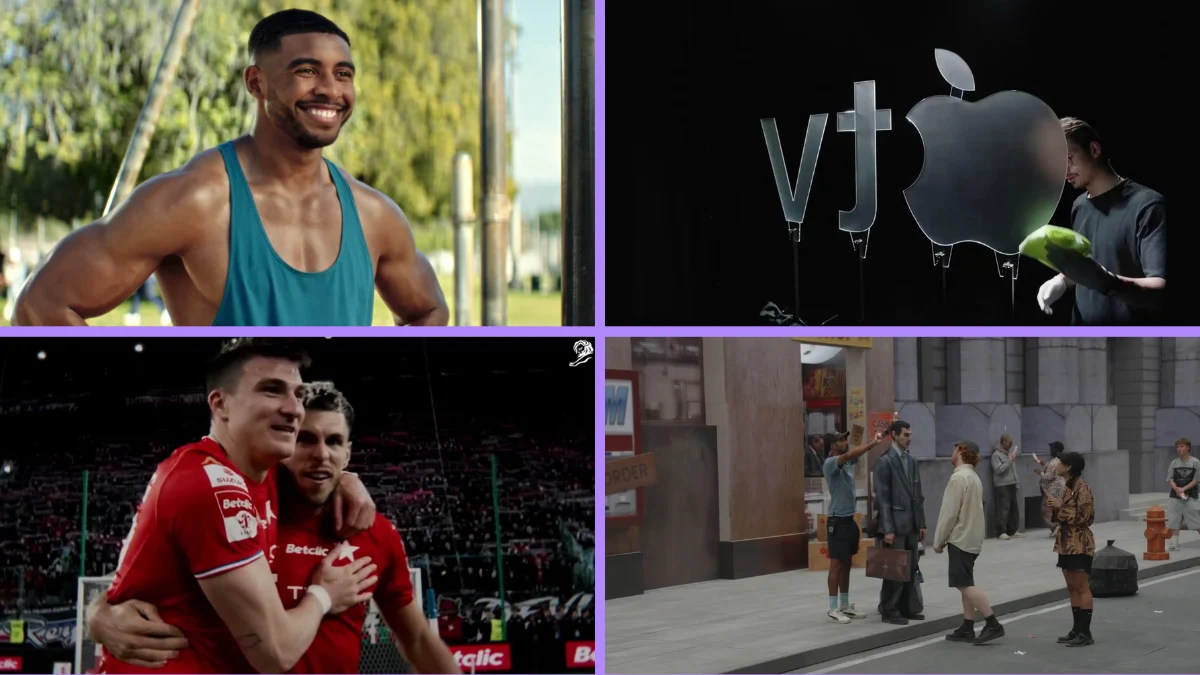
As the sun sets on the French Riviera and the global marketing community packs away its linen suits and espadrilles following another whirlwind edition of the Cannes Lions International Festival of Creativity, a new narrative is beginning to take shape across the Atlantic. In Miami, a fresh destination for the creative and media industries is preparing to open its doors.
Jupiter Festival Miami, a burgeoning event scheduled to debut from October 6 to October 9, has officially secured a major vote of confidence. The Interactive Advertising Bureau (IAB) has signed on as a founding partner, signaling a significant shift in how the industry views the future of content, technology, and the creator economy.
The Genesis of a New Creative Ecosystem
What began 15 months ago as a nascent idea in the mind of founder and CEO William Mellis has rapidly matured into a strategic industry milestone. According to Mellis, the festival was born out of a desire to address a singular, existential question for modern media: What is the future of content?
In an era where the lines between professional journalism, influencer-led media, sports entertainment, and algorithmic AI-generated output are blurring, the industry is searching for a compass. Jupiter Festival Miami aims to be that guiding force. By positioning itself as a nexus where media, entertainment, and sports converge, the event is carving out a specific niche that distinguishes it from the crowded calendar of existing trade shows and summits.
A Strategic Alignment: Why the IAB Joined the Fray
The partnership between the IAB and Jupiter Festival is unprecedented in its timing. For David Cohen, CEO of the IAB, this represents a departure from the organization’s traditional playbook. During his six-year tenure at the helm of the IAB, Cohen has overseen countless industry initiatives, yet this is the first time the organization has committed to a founding partnership with a festival prior to its inaugural launch.
“The definition of content today is very different from the definition of content when I was growing up in the business,” Cohen explained. “We do think that content is a differentiator—a game changer—and we saw an opportunity to get in at the ground floor.”
The IAB’s involvement is not merely symbolic. Cohen emphasized that the organization’s primary motivation for joining was the ability to directly influence the festival’s intellectual agenda. Plans are currently underway to feature an IAB-specific stage, allowing the bureau to curate sessions that dive deep into the technical and creative challenges facing its members. Given that the festival’s core pillars align seamlessly with the IAB’s current focus—specifically artificial intelligence, the evolution of streaming, and the explosive growth of the creator economy—the partnership is viewed as a tailor-made fit.
A Foundation of Institutional Backing
The IAB is not the only heavy hitter placing its chips on the Jupiter Festival. The event’s organizational structure is bolstered by the presence of the MCH Group, which holds a 20% stake in the festival. As the parent company behind Art Basel, the MCH Group brings a level of institutional expertise in managing global, high-stakes, for-profit cultural gatherings that is difficult to replicate.
Additional backing from the Boston Consulting Group (BCG) further solidifies the festival’s credibility. By aligning with firms known for rigorous strategic analysis and cultural impact, Jupiter Festival is signaling that it is not just another party in the sun, but a serious forum for high-level industry discourse.
The Speaker Lineup: Provocation as a Strategy
At the heart of the Jupiter Festival experience is a carefully curated roster of speakers designed to disrupt standard industry thinking. Mellis has been adamant about his selection criteria: he is not looking for safe, status-quo presenters.
“I want speakers that challenge and provoke,” Mellis stated. “We vet speakers very carefully to make sure that they’re going to have a point of view that the industry may accept or may reject. At least it’s going to make them think.”
The current lineup reflects this ambition, spanning across the spectrum of entertainment and advertising:

- Media and Entertainment: Rebecca Glashow, CEO of Tribeca Enterprises; Bill Owens, the legendary former executive producer of 60 Minutes.
- Sports and Culture: Kenny Smith, the charismatic host of Inside the NBA.
- Advertising and Agency Leadership: Neil Waller, CEO of Whalar Group; Ross Martin, president of Known; and Robin Clarke, Global CEO of Sport and Entertainment at M+C Saatchi.
By bringing these diverse voices together, the festival aims to facilitate cross-pollination between the world of high-stakes sports rights and the granular, data-driven world of modern digital advertising.
Redefining the "Festival" Format
In a market saturated with events, Jupiter Festival is deliberately opting out of the "deal-making" culture that defines many other industry gatherings. Mellis, who draws on his experience with the operational mechanics of both Cannes Lions and the fintech-focused Money20/20, wants to foster a different kind of environment.
"There are other places that do that," Mellis said, referring to the transactional, high-pressure networking often seen at major conferences. "This is much more about genuinely forming the partnerships that are going to be long-term, that are going to help shape and formulate the industry, and formulate a content agenda in the future."
The vision is to move away from the transactional and toward the foundational. In a professional landscape characterized by rapid shifts in platform algorithms and consumer behavior, the organizers argue that corporate executives need time to step back and engage in macro-level strategy rather than focusing exclusively on the next quarter’s media buy.
Scaling the Vision: Data and Attendance
While the event is still months away, the early signals are encouraging. During the week of the Cannes Lions festival, Jupiter Festival saw 30,000 unique visitors on its website—a metric that provides a strong baseline for interest.
The organizers have set a benchmark goal of 5,000 attendees for the inaugural event. While some might view this as a modest number compared to larger global festivals, Mellis remains unperturbed. "In my experience, most tickets are purchased in the final weeks leading up to an event," he noted.
If the inaugural event successfully captures the energy of the industry and delivers on its promise of high-level discourse, the goal is to establish Jupiter Festival as an annual mainstay. The hope is that the festival will provide a "secret sauce" of serendipity—the kind of unexpected, high-value connection that Cohen believes is the hallmark of any successful in-person gathering.
Implications for the Future of Content
The rise of Jupiter Festival comes at a critical inflection point. As the "novelty phase" of AI begins to fade, the industry is entering a more sober, practical era where technology must be integrated into the creative process rather than serving as the headline act.
The festival arrives at a time when there is a palpable post-pandemic demand for in-person experiences that provide more than just networking. By focusing on the "next generation" of content definition, Jupiter Festival is essentially positioning itself as a laboratory for the industry’s leaders to navigate the next decade of media consumption.
Conclusion: A New Chapter for Miami
As Miami continues to grow as a tech and creative hub, the addition of a festival with the scale and backing of Jupiter suggests a shift in the geography of global media summits. By bridging the gap between traditional broadcast, digital advertising, and the creator economy, the festival is not just answering a question—it is attempting to define the answer.
For those looking to understand where the industry is headed, the October dates in Miami may well prove to be the most important sessions of the year. Whether the festival can deliver on its promise to "challenge and provoke" will be the ultimate test, but with the backing of the IAB and a clear focus on long-term partnerships, Jupiter Festival appears to have all the components necessary to leave a lasting mark on the global creative calendar.











