
 Muslim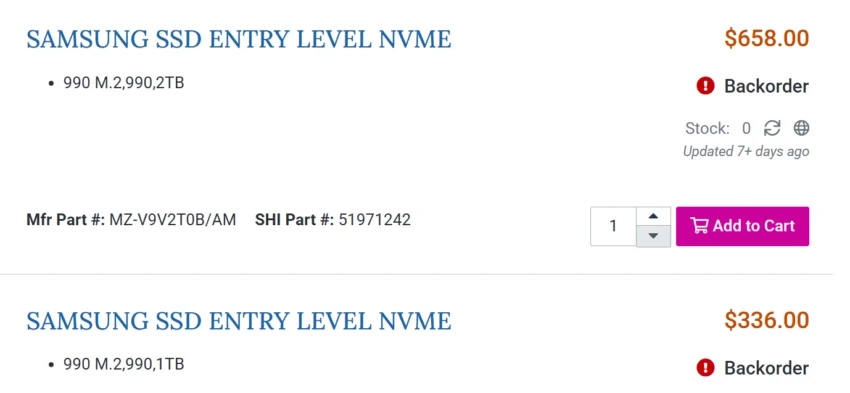
By Technology Editorial Desk
In an era where high-speed storage has become the bedrock of modern computing—fueling everything from lightning-fast operating system boot times to the near-instantaneous loading of complex, open-world gaming assets—Samsung Electronics remains a dominant force. Recently, the storage giant inadvertently provided a glimpse into its future product roadmap. A new, value-oriented M.2 NVMe Gen 4 drive, simply dubbed the "Samsung 990," briefly appeared on the company’s Canadian website. This development signals a strategic pivot by Samsung to capture the entry-level and mid-range market, filling the void beneath its performance-focused 990 Evo Plus.
Main Facts: A New Contender in the NVMe Arena
The leaked information, corroborated by early screenshots and reports from VideoCardz, suggests that the upcoming Samsung 990 is engineered specifically for users who require high-speed PCIe 4.0 performance without the premium cost associated with high-end, DRAM-equipped professional drives.
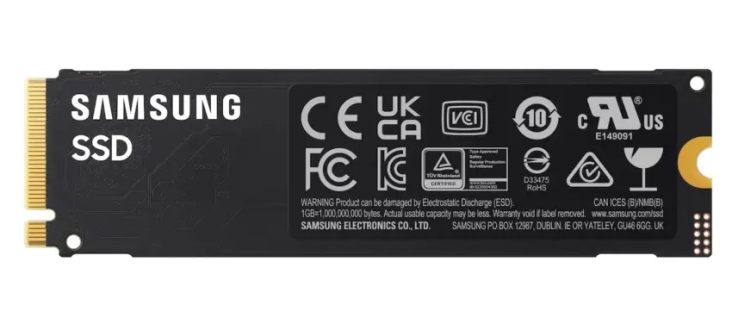
Unlike the 990 Evo Plus, which offers a versatile hybrid interface—capable of running as a PCIe 4.0 x4 or PCIe 5.0 x2 drive—the standard 990 is a dedicated PCIe Gen 4 x4 solution. This focus on a singular, mature interface standard allows Samsung to streamline manufacturing costs, likely passing those savings on to the consumer. The drive is a DRAMless design, a hallmark of modern value-oriented SSDs that rely on Host Memory Buffer (HMB) technology to manage data mapping. By utilizing an updated, proprietary Samsung controller, the company aims to maintain high performance levels despite the absence of dedicated onboard DRAM cache.
Furthermore, technical specifications hint at a transition to QLC (Quad-Level Cell) NAND flash memory. While TLC (Triple-Level Cell) NAND has long been the gold standard for endurance and speed in the consumer space, QLC is increasingly being deployed in value segments to achieve higher storage densities at lower price points.
Chronology of the Leak
The discovery of the Samsung 990 was entirely serendipitous, stemming from an unannounced update to the Samsung Canada storefront.
- Early July 2026: The product page for the "Samsung 990" briefly goes live on the Canadian Samsung website, likely due to a scheduling error or an premature backend database push.
- Discovery: Sharp-eyed tech enthusiasts and industry monitors quickly captured screenshots of the specifications and pricing, which were then disseminated via major hardware news outlets like VideoCardz.
- Initial Analysis: Within hours, the community began cross-referencing the leaked specs against existing models like the 990 Evo Plus, identifying the transition to a DRAMless architecture and the shift in NAND type.
- Current Status: As of this writing, Samsung has removed the listings from its regional websites, though the company has yet to issue an official press release or provide a global launch date for the hardware.
Supporting Data: Technical Performance and Endurance
The performance metrics of the new Samsung 990 are remarkably competitive for an entry-level drive. The drive utilizes the full bandwidth potential of the PCIe 4.0 interface, ensuring that it remains relevant for both gaming and workstation productivity tasks.
Performance Specifications
The lineup, which is expected to arrive in at least 1TB and 2TB capacities, showcases the following sequential performance figures:
- 2TB Variant: Reaches sequential read speeds of up to 7,250 MB/s and sequential write speeds of 6,450 MB/s.
- 1TB Variant: Offers slightly lower read speeds of 7,150 MB/s, with the same 6,450 MB/s write capability.
These speeds place the drive well within the upper echelon of the PCIe 4.0 category, rivaling drives that previously commanded significantly higher price tags.
Endurance and Longevity
One of the primary concerns with QLC-based drives is endurance. Samsung has provided the following Total Bytes Written (TBW) ratings for the upcoming units:
- 1TB Model: 400 TBW
- 2TB Model: 800 TBW
While these figures are lower than the premium TLC-based 990 Evo Plus, they are perfectly adequate for the average user, including gamers, students, and home office professionals. The 800 TBW rating for the 2TB model implies that a user would need to write over 400GB of data to the drive every single day for five years before exhausting the expected lifespan of the NAND cells—a workload far exceeding typical consumer usage.
Official Responses and Market Positioning
As of mid-July 2026, Samsung has maintained a "no comment" stance regarding the accidental leak. This is standard corporate procedure for pre-release hardware, where companies prefer to control the narrative through formal launch events or press briefings.
However, the positioning is clear. By naming the drive the "990" rather than giving it a secondary moniker like "Pro" or "Plus," Samsung is defining this product as the new baseline for its Gen 4 lineup. With prices spotted in Canadian listings hovering around £180 for the 1TB model and £350 for the 2TB model (pre-tax), the drive is aimed at the competitive mid-market.
Industry analysts suggest that these price points may fluctuate significantly upon official release. Given the current volatility in the NAND flash market, where supply and demand can cause price swings of 10-15% in a single quarter, Samsung is likely waiting for the most advantageous window to officially introduce the drive to the global market.
Implications for the Storage Market
The introduction of the Samsung 990 has several broader implications for the consumer hardware ecosystem.
1. The Death of PCIe 3.0?
The mainstream adoption of high-performance Gen 4 drives like the 990 effectively signals the end of the line for PCIe 3.0 SSDs in the enthusiast and mid-range build space. As Gen 4 controllers become cheaper to produce, the cost gap between "legacy" speeds (3,500 MB/s) and modern speeds (7,000+ MB/s) is vanishing, making it increasingly difficult for manufacturers to justify keeping older, slower hardware on the shelves.
2. The Rise of DRAMless Performance
The success of the 990 will serve as a bellwether for the industry’s acceptance of DRAMless SSDs. By relying on HMB technology and superior controller logic, Samsung is betting that users will not notice the difference between a cache-equipped drive and a cache-less one for daily tasks. If this launch succeeds, it could lead to a permanent reduction in the bill-of-materials for SSDs across the industry, driving down prices for consumers further.
3. Competition with "Value" Brands
Samsung has historically occupied the premium segment, often leaving the "budget" market to secondary players like Crucial, Western Digital’s "Blue" line, and various boutique brands. By aggressively targeting the value segment with a household-name model, Samsung is putting immense pressure on these competitors. If Samsung can offer the reliability of its brand reputation—backed by its legendary Magician software—at a price point comparable to generic drives, it could consolidate significant market share.
4. Market Price Instability
As noted in the initial reports, the current SSD market is in a state of flux. While prices were high for much of 2025, recent manufacturing capacity expansions in South Korea and Taiwan have begun to soften prices. The Samsung 990 enters a market where consumers are increasingly price-sensitive, having seen the cost of storage fluctuate wildly over the last 24 months. The success of the 990 will depend heavily on whether Samsung can maintain consistent stock levels at these suggested price points.
Conclusion
The Samsung 990 is shaping up to be a critical component in the company’s 2026 product portfolio. By distilling its industry-leading controller technology into a more accessible, DRAMless package, Samsung is attempting to bridge the gap between "cheap storage" and "high-performance storage."
While the official launch details remain shrouded in the silence of corporate policy, the technical specs and early pricing indicators suggest a compelling offer for the average consumer. For those currently planning a system build or looking to upgrade from a aging SATA SSD or an early-generation NVMe drive, the Samsung 990 promises a balance of speed and efficiency that may well redefine the expectations for the value segment. As we await further word from Samsung, one thing is certain: the competition for the consumer’s storage dollar has never been fiercer.


 Pevita Pearce
 Reynand Wu




