The landscape of professional marketing is undergoing a seismic shift. As generative artificial intelligence permeates every facet of content creation, data analysis, and consumer engagement, the role of the Chief Marketing Officer (CMO) has evolved from mere brand custodian to the architect of human-tech synergy.
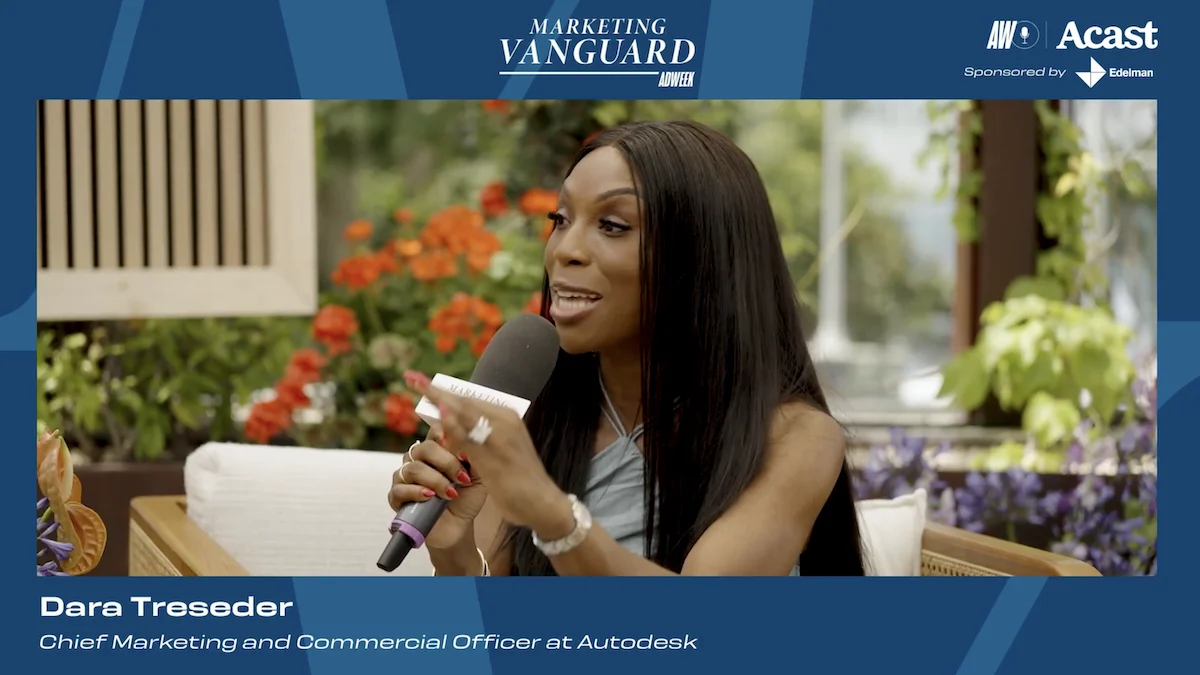
In a recent episode of the Marketing Vanguard podcast, recorded live from the floor of Cannes Lions 2026, host Jenny Rooney sat down with Dara Treseder, the Chief Marketing & Commercial Officer at Autodesk. The conversation peeled back the layers of the current technological revolution, framing the AI era not as a replacement for human creativity, but as a "golden era" for those who understand the delicate balance between algorithmic efficiency and the irreplaceable nature of human ingenuity.
The Paradigm Shift: Why AI Is a Catalyst, Not a Replacement
For years, the marketing industry has been obsessed with the potential of AI to automate the mundane. However, Treseder suggests that we are moving past the novelty phase. For CMOs at the helm of global enterprise organizations, the challenge is no longer how to use AI, but when to refrain from using it.
"Knowing what not to do with AI is just as important as knowing what to do with it," Treseder noted during the broadcast. This philosophy stems from a broader observation: while AI raises the "floor" of quality—making baseline productivity higher and faster—it does nothing to raise the "ceiling" of human brilliance. In an industry increasingly saturated with "AI slop," the brands that will win are those that prioritize authenticity over pure output.
The Evolution of B2B: Moving Beyond Specifications
A core pillar of Treseder’s philosophy is the deconstruction of the traditional B2B marketing playbook. For decades, B2B has been defined by cold, transactional logic: list the features, highlight the price, and demonstrate the ROI. Treseder argues that this approach is fundamentally flawed because it ignores the human reality of the buyer.
Facts and Feelings: The New B2B Currency
B2B decision-making is rarely as clinical as data suggests. When a company selects a software partner, the consequences are profound—they impact layoffs, divisional performance, and, ultimately, the survival of the firm. Treseder highlights that buyers are deeply emotional about these decisions.
"B2B marketing requires both facts and feelings," she explains. By moving from a specifications-only narrative to one rooted in emotional storytelling, CMOs can bridge the gap between technical utility and organizational impact. When a brand effectively communicates that it understands the human stakes behind a B2B transaction, it builds a level of trust that is immune to disruption.
Strategic Restraint: The Case for Authenticity
In an era where generative tools can churn out thousands of social media posts in seconds, the temptation to automate is immense. Yet, Treseder warns of the "indistinguishable noise" created by indiscriminate AI deployment.
The Trust Deficit
Trust is the most volatile asset in a brand’s portfolio. Once a customer perceives that a brand is using AI to bypass genuine communication—creating what Treseder terms "AI slop"—that trust is fractured. Rebuilding it requires an exponential amount of effort, often far more than the original time saved by automation.
For the modern CMO, the imperative is to protect the human voice. Authentic communication serves as a brand’s most potent differentiator. When every competitor is utilizing the same LLMs (Large Language Models) to craft their messaging, the brand that retains its unique, human-centric tone becomes the clear signal in the noise.
Investing in the Future: The $350 Million AI Mandate
Leadership in the AI era is measured by more than just marketing campaigns; it is measured by the tangible support provided to the workforce. Autodesk’s recent commitment of $350 million toward AI training, access, and workforce credentialing is a masterclass in modern corporate strategy.
Elevating Workforce Development
Treseder views this initiative not as a peripheral corporate social responsibility project, but as a core business strategy. As industries like design, engineering, and manufacturing face massive disruption, the responsibility of the enterprise is to ensure that the workforce remains resilient.
By investing in AI academies, Autodesk is effectively "future-proofing" its ecosystem. This strategy offers three primary benefits:
- Strengthened Internal Capabilities: Employees are better equipped to leverage new tools, leading to higher innovation rates.
- Employer Branding: The company establishes itself as a leader in ethical AI, attracting top-tier talent who prioritize professional development.
- Industry Leadership: By positioning itself as a guide through the disruption, Autodesk solidifies its role as an indispensable partner in the design and make sector.
The "Walk Track, Talk Track" Philosophy
Perhaps the most compelling insight from the discussion was Treseder’s strategic approach to brand storytelling: "Earn your place before amplifying your story."
This principle was clearly demonstrated through Autodesk’s partnership as the official design and make platform for the LA 2028 Olympics, the NFL, and Team USA. Many brands would have rushed to announce the partnership immediately. Instead, Autodesk focused on the fact that its software had already been the backbone of stadium designs and Olympic infrastructure for years.
Closing the Credibility Gap
The "walk track, talk track" method ensures that the marketing claim never outpaces the reality of the work. By doing the work first, the company eliminated the credibility gap. When the marketing engine finally began to amplify these stories, the narrative was backed by years of proven, tangible results. This creates a powerful resonance with stakeholders who are increasingly skeptical of "marketing fluff."
Implications for the Future of Enterprise Marketing
The takeaways from Dara Treseder’s tenure at Autodesk, and her insights at Cannes Lions 2026, provide a roadmap for the next generation of marketing leaders. As we look toward the remainder of the decade, the implications are clear:
- AI as a Tool, Not a Strategy: AI should be used to augment human capability, not to replace the creative spirit or the authentic human voice.
- Emotional Intelligence in B2B: The most successful B2B brands will be those that treat their customers as humans with career and organizational anxieties, rather than just line items in a budget.
- Purpose-Driven Investment: Companies must take an active role in training their workforce for the AI transition. The ROI on workforce development is not just social—it is essential for long-term business continuity.
- Authenticity is the New Premium: In a world where AI-generated content is abundant, the "human touch" becomes a premium commodity. Brands that can maintain this will be the ones that command long-term loyalty.
Conclusion
The conversation between Jenny Rooney and Dara Treseder serves as a timely reminder that technology is a force multiplier, but humanity is the engine. While the AI era presents unprecedented challenges, it also offers a unique opportunity for brands to double down on what makes them truly distinct: their stories, their values, and their commitment to the people they serve.
As CMOs navigate the complexities of 2026 and beyond, the path forward is not found in the latest algorithm, but in the deliberate, strategic, and profoundly human application of the tools at our disposal. By focusing on trust, investing in the workforce, and ensuring that every marketing claim is anchored in proven reality, leaders can guide their organizations through this "golden era" with both profitability and purpose.
This report is part of a special vidcast series recorded live during Cannes 2026, presented in partnership with Edelman. To stay ahead of the ideas, insights, and connections shaping the future of the industry, join the world’s top marketers at Brandweek.