

The Japanese retail landscape, long defined by the binary choice between the high-speed convenience of 24-hour shops and the bulk-buying utility of traditional supermarkets, is undergoing a significant transformation. On May 28, 2026, Lawson—a titan of the Japanese retail industry—officially unveiled its newest experimental venture: L Minimart.
Located in the Kodaira district of western Tokyo, this inaugural branch represents a bold strategic pivot. By blending the accessibility and ready-to-eat focus of a convenience store with the fresh produce and essential grocery inventory of a supermarket, Lawson is betting that a "middle-ground" retailer is exactly what modern, time-pressed urbanites need.
The Concept: Defining the "Mini Supermarket"
The "mini supermarket" is a retail category that seeks to resolve a common consumer frustration: the supermarket that is too large and time-consuming for a quick meal, and the convenience store that lacks the fresh ingredients for a home-cooked dinner.
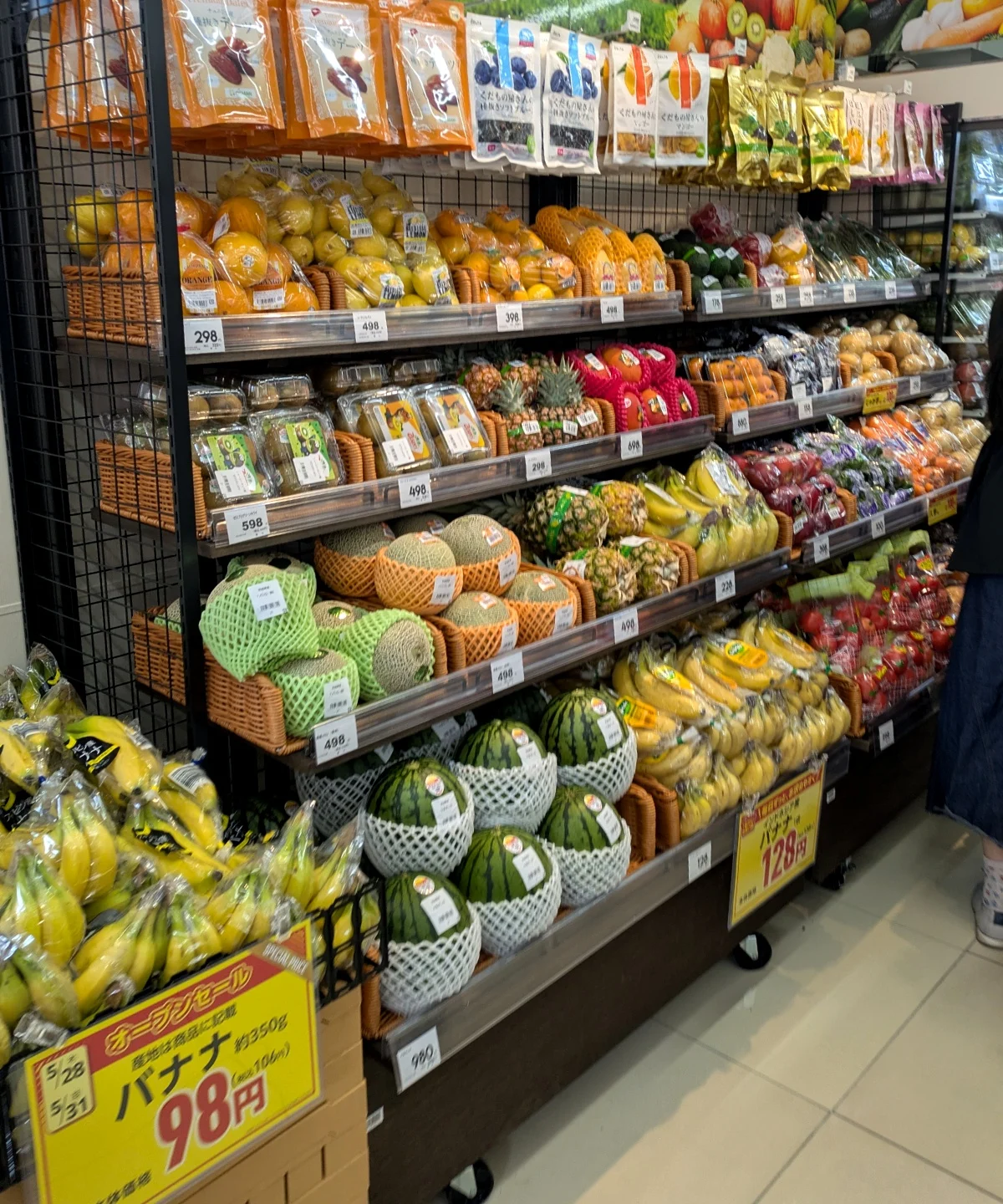
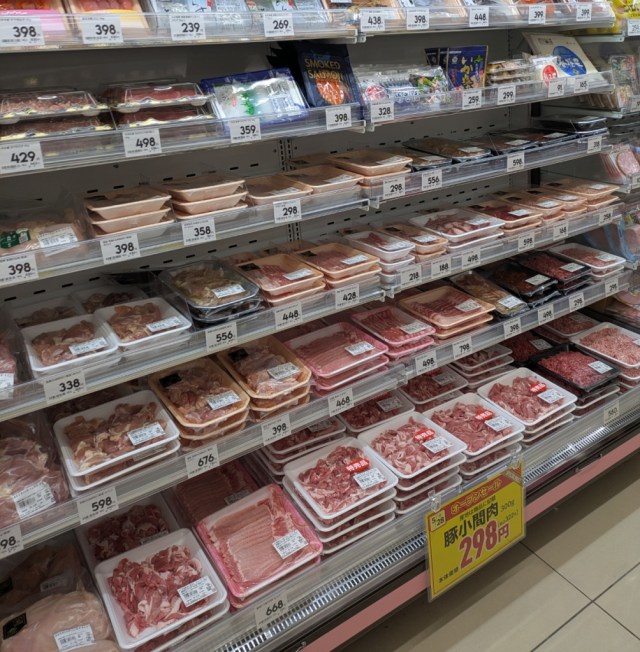
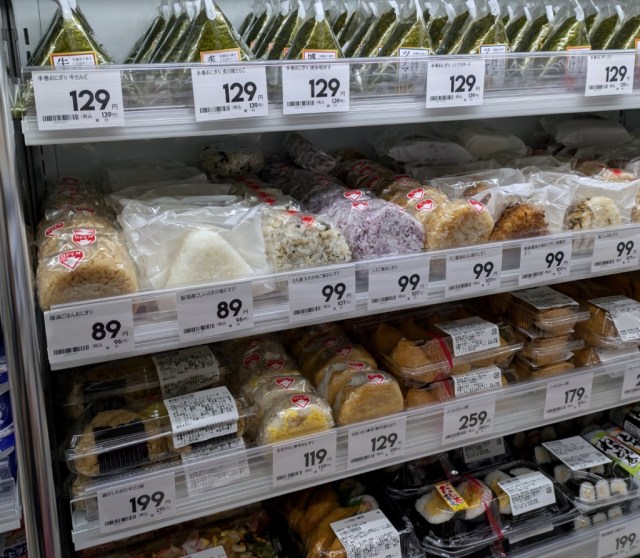
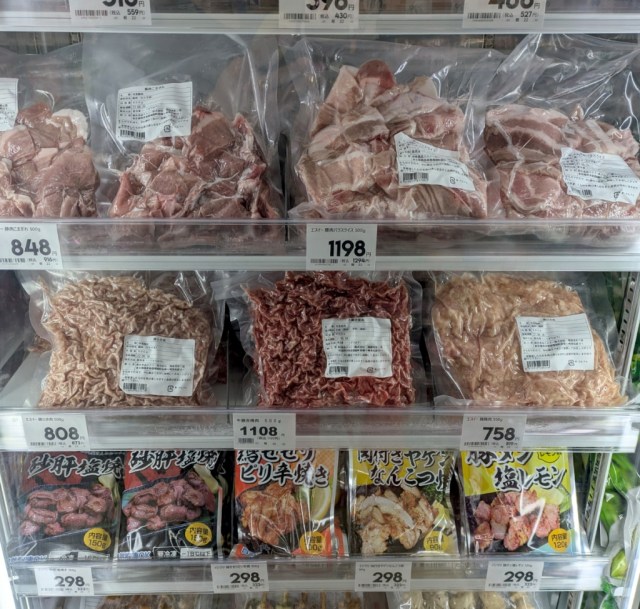
Lawson’s L Minimart model occupies this niche by curating a high-density inventory. While it retains the signature Lawson aesthetic—featuring bento boxes, onigiri, and grab-and-go snacks—it introduces a significant expansion of the fresh food department. The store offers a wider variety of seasonal fruits, vegetables, and frozen meat products, specifically tailored for households that prefer smaller, more frequent shopping trips over weekly bulk hauls.
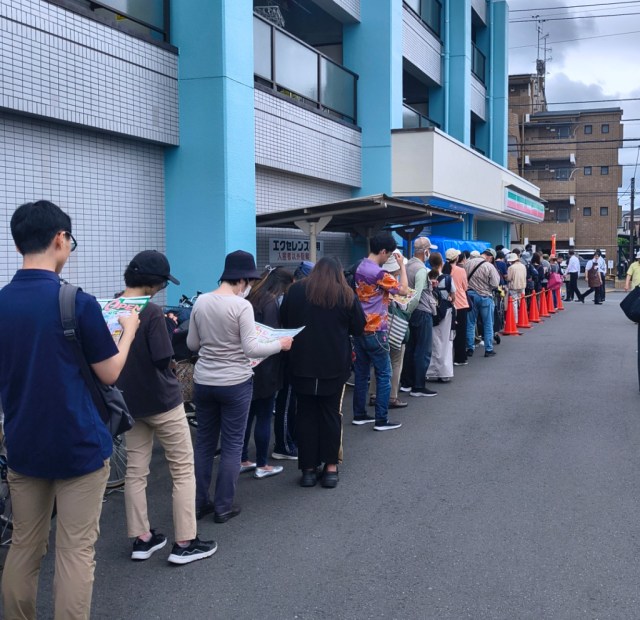
Chronology: A Day of Unprecedented Demand
The launch of the Kodaira branch was marked by a level of public interest that surpassed even the company’s internal projections.
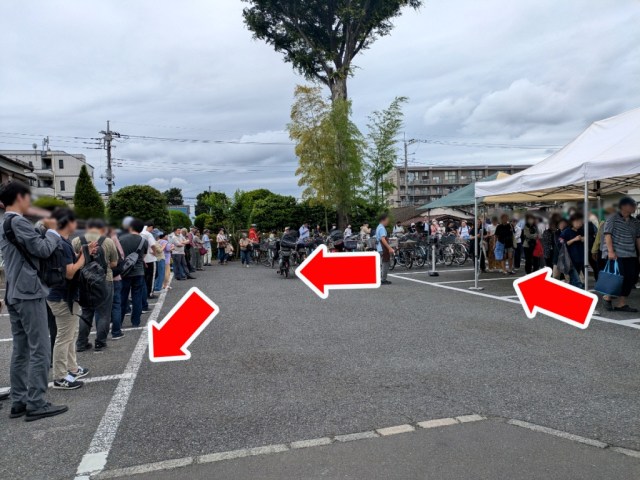
11:15 AM – Final Preparations
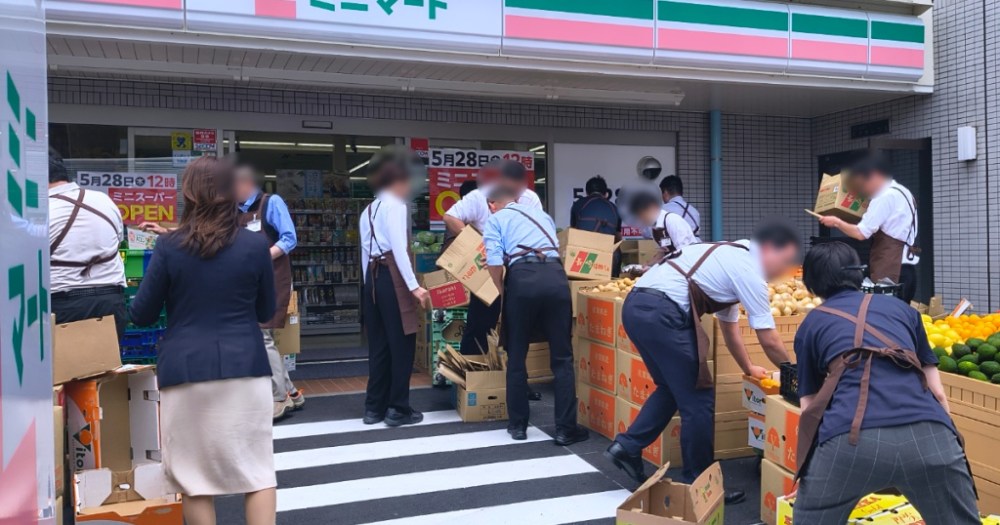
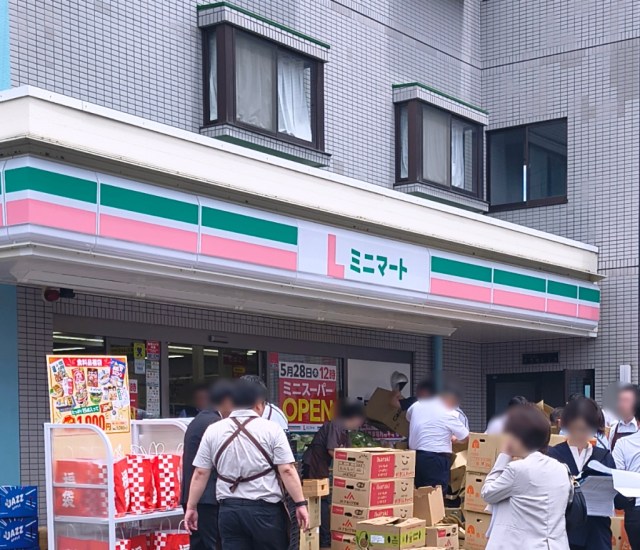
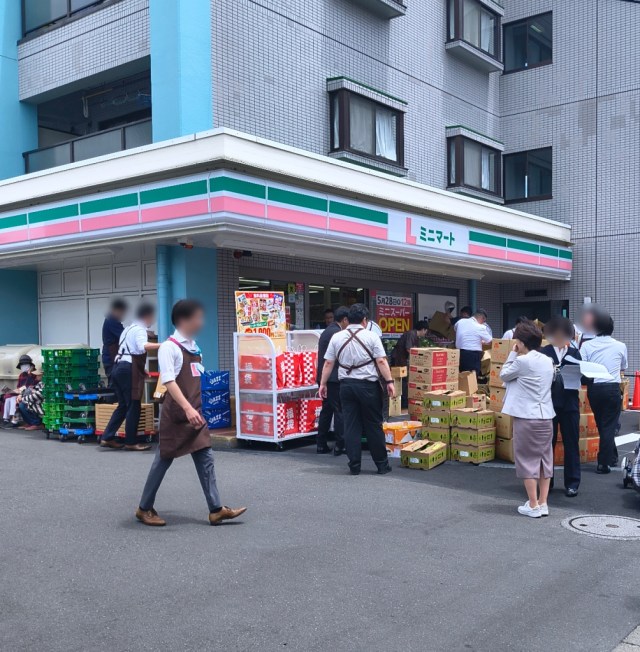
The atmosphere at the storefront, located a mere 10-minute walk from the South Exit of Kodaira Station, was one of disciplined urgency. Store staff were observed putting the finishing touches on displays, ensuring that the bright yellow signage highlighting promotional discounts was perfectly positioned to greet the first wave of customers.
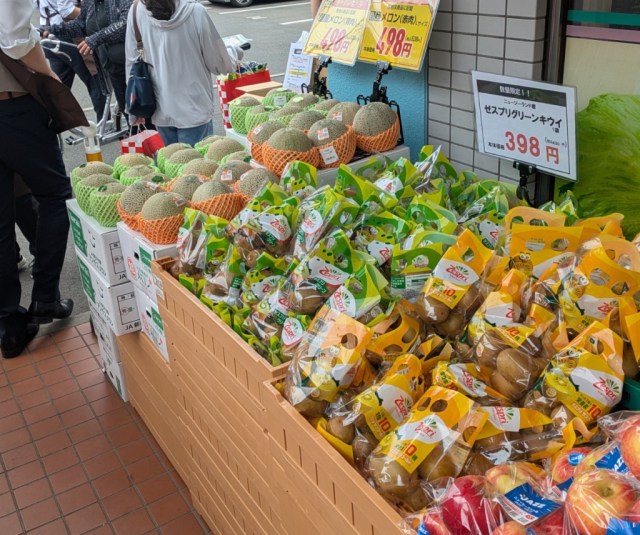
11:45 AM – The Growing Surge
The anticipated noon opening triggered an immediate response from the local community. Within just 30 minutes of the initial staff arrival, a line of approximately 70 people had already formed. This was not merely curiosity; the demographic included young professionals, elderly residents, and families, all eager to see if the new store could deliver on its promise of value and quality.
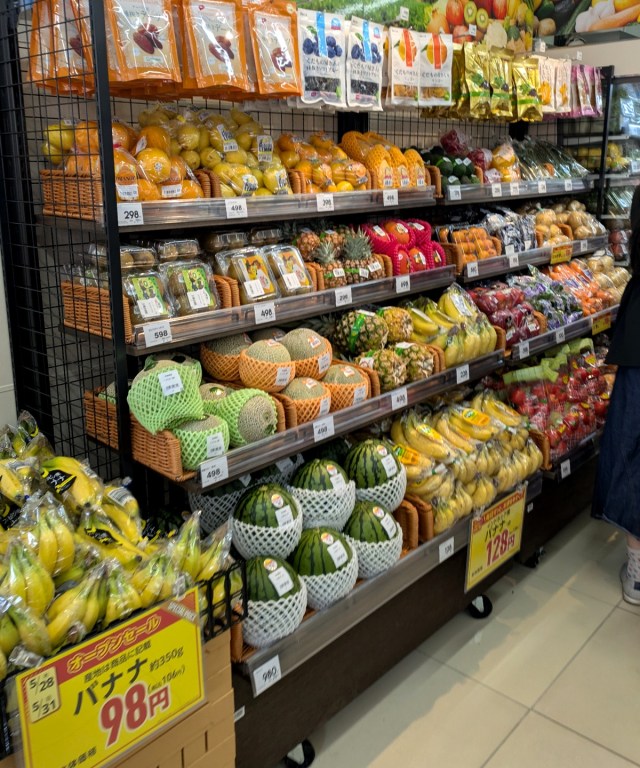
12:00 PM – The Doors Open
By the time the clock struck noon, the queue had swelled to an estimated 200 patrons. Despite the crowd size, the store’s layout facilitated a brisk flow, allowing the line to dissipate into the shopping area within roughly ten minutes. The reception was overwhelmingly positive, with shoppers gravitating toward the produce stands positioned outside the store, which featured competitive pricing on seasonal staples like melons and kiwis.
Supporting Data: Pricing and Inventory Analysis
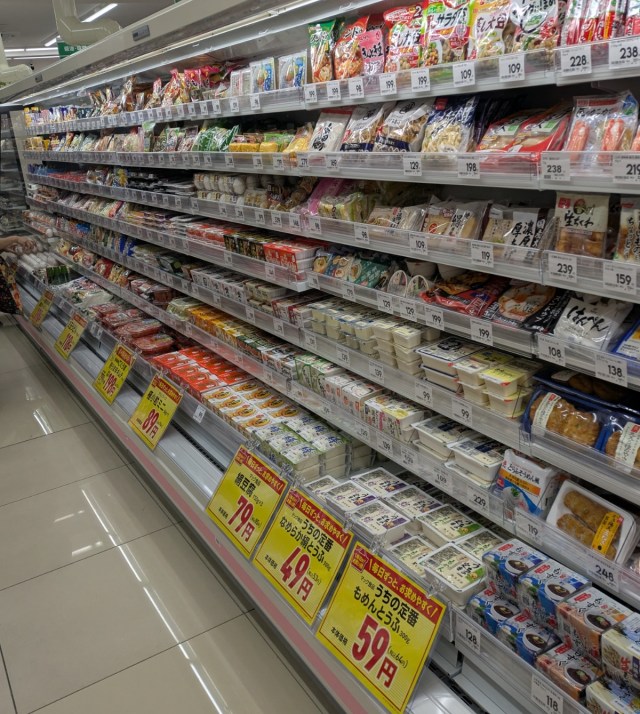
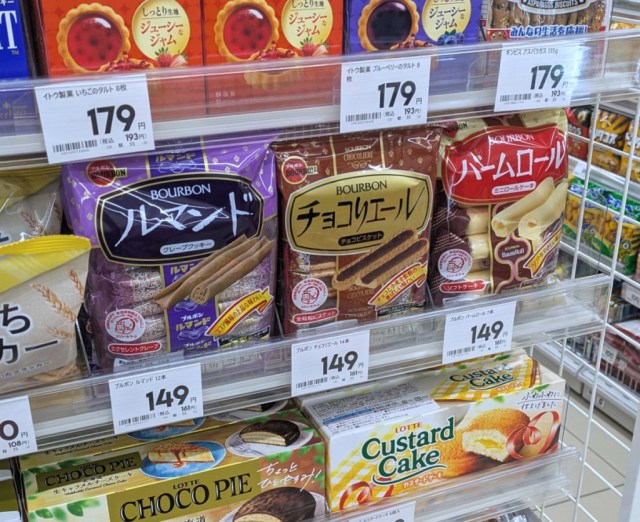
The hallmark of L Minimart is its aggressive, value-driven pricing strategy. The store utilizes clear, eye-catching yellow signage to demarcate "everyday low prices," a tactic borrowed from discount retail chains but adapted for a high-traffic neighborhood setting.
Key Price Points
- Produce: Bananas were offered as an opening special at 98 yen (approx. US$0.65).
- Pantry Staples: Tofu, a household essential in Japan, was priced as low as 49 yen per pack.
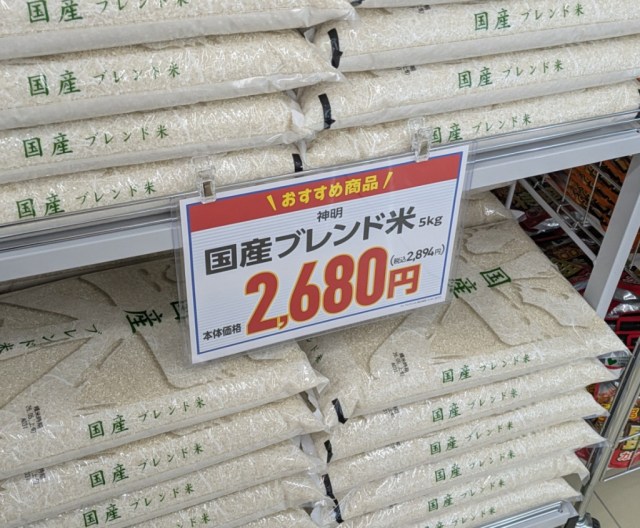
- Rice: Five-kilogram bags of premium rice were available for 2,680 yen—a price point that many local residents noted as a "throwback" to more affordable times.
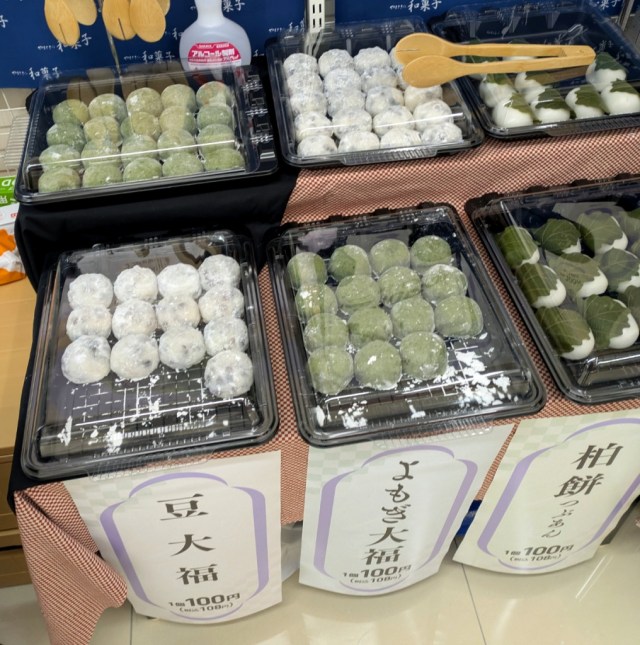
- Sweets: A self-serve section for traditional Japanese desserts, such as daifuku mochi, was introduced at 100 yen per piece, significantly undercutting traditional bakery or specialty store prices.
The "Bento" Strategy
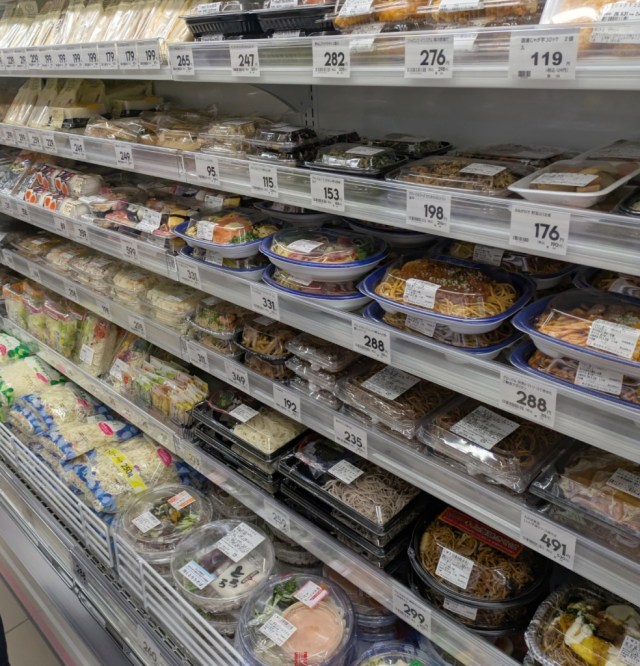
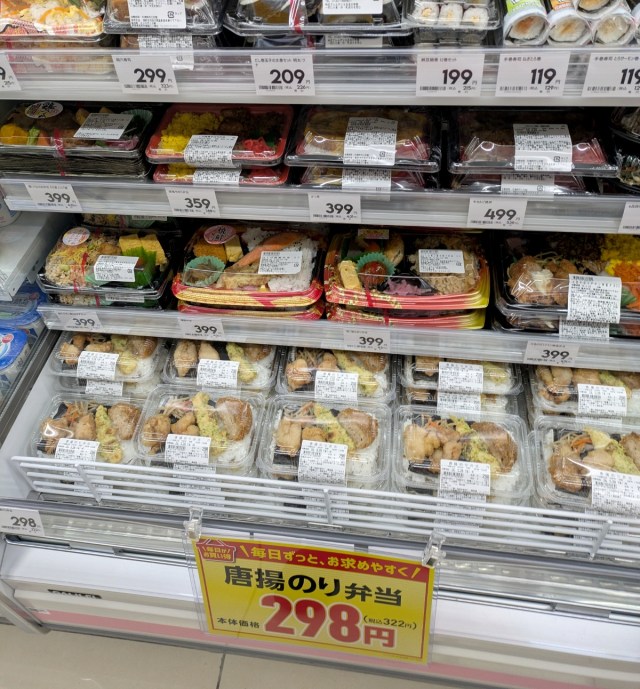
Lawson’s roots remain firmly embedded in its legendary prepared food section. The L Minimart maintains a vast selection of sandwiches, salads, and noodles, but the crown jewel is the Karaage Nori Ben (fried chicken and seaweed bento). Priced at 298 yen, this item serves as a psychological anchor for the store’s pricing, offering a complete, nutritious meal at a price point that has largely vanished from major chains in recent years.
Official Stance and Operational Strategy
While Lawson has not released a formal manifesto regarding the expansion of the L Minimart brand, the store’s operational choices speak volumes. By setting operating hours from 7:00 a.m. to 11:00 p.m., the chain is signaling a shift away from the traditional 24-hour model.
This decision suggests that the company is prioritizing operational efficiency and labor management—key concerns in Japan’s current economy—while still meeting the peak shopping hours of the majority of its customer base. Furthermore, the store has implemented a "rotating discount calendar," a hallmark of traditional supermarkets, which provides customers with 10-percent-off days for specific staples like eggs, natto, and bread. This encourages repeat visits and builds customer loyalty, a standard goal for a community-focused "mini supermarket."
The Broader Implications for Japanese Retail
The success of the L Minimart launch in Kodaira is a bellwether for the future of urban retail. As Japan’s major cities continue to see increased population density, the demand for "small-format, high-value" stores is likely to climb.
Why the "Mini Supermarket" Matters:
- Urban Space Efficiency: Modern Japanese cities have limited floor space. The L Minimart proves that a retailer does not need a massive physical footprint to provide a comprehensive range of goods.
- Combating Inflation: By offering value-tier pricing on essential groceries, Lawson is positioning itself as an ally to the average consumer facing rising living costs.
- The "Third Way" of Shopping: There is a clear market desire for a shopping experience that feels more "domestic" and less "industrial" than a standard convenience store.
The inclusion of frozen meat, a category that is notoriously difficult to find in typical Japanese convenience stores, demonstrates a deep understanding of the modern consumer’s meal-prep habits. If the Kodaira branch maintains this level of foot traffic, it is highly probable that the L Minimart concept will be rolled out across other suburban districts in Tokyo and beyond.
A Shift in Consumer Expectations
The initial feedback suggests that while portions on certain items, such as the 298-yen bento, are modest, the "fair price" justifies the volume. When customers have the ability to supplement their bento with a 168-yen side of extra karaage or a 96-yen shio musubi made from high-quality Niigata rice, the value proposition becomes difficult for competitors to match.
In conclusion, the launch of L Minimart is more than just a new store opening; it is a recalibration of the Japanese retail industry. By successfully synthesizing the convenience of a corner shop with the inventory breadth of a local grocery store, Lawson is defining the next generation of urban consumption. For the residents of Kodaira, the future of grocery shopping has arrived, and it is remarkably efficient, affordable, and well-stocked.
Shop Information
- Store Name: L Minimart (Kodaira Nakamachi Branch)
- Address: Tokyo-to, Kodaira-shi, Nakamichi 251 Excellence
- Operating Hours: 7:00 a.m. – 11:00 p.m. daily.












No comments yet. Be the first to join the conversation!