

At this year’s Computex, amidst the frantic energy of the show floor and the star-studded chaos surrounding Jensen Huang’s surprise appearances, Thermaltake managed to carve out a quiet corner of genuine innovation. While the industry is often content with iterative updates to fan curves and efficiency ratings, Thermaltake is attempting to fundamentally change how we interact with the "black box" of the PC build: the power supply unit (PSU).
With the unveiling of the Dockpower series, the company is proposing a departure from traditional fixed-housing designs. By introducing a detachable "dock module" that separates the port interface from the main chassis, Thermaltake is challenging two decades of established standards. But is this a necessary evolution in PC hardware, or a solution in search of a problem?
The Core Concept: Dissecting the Dockpower Architecture
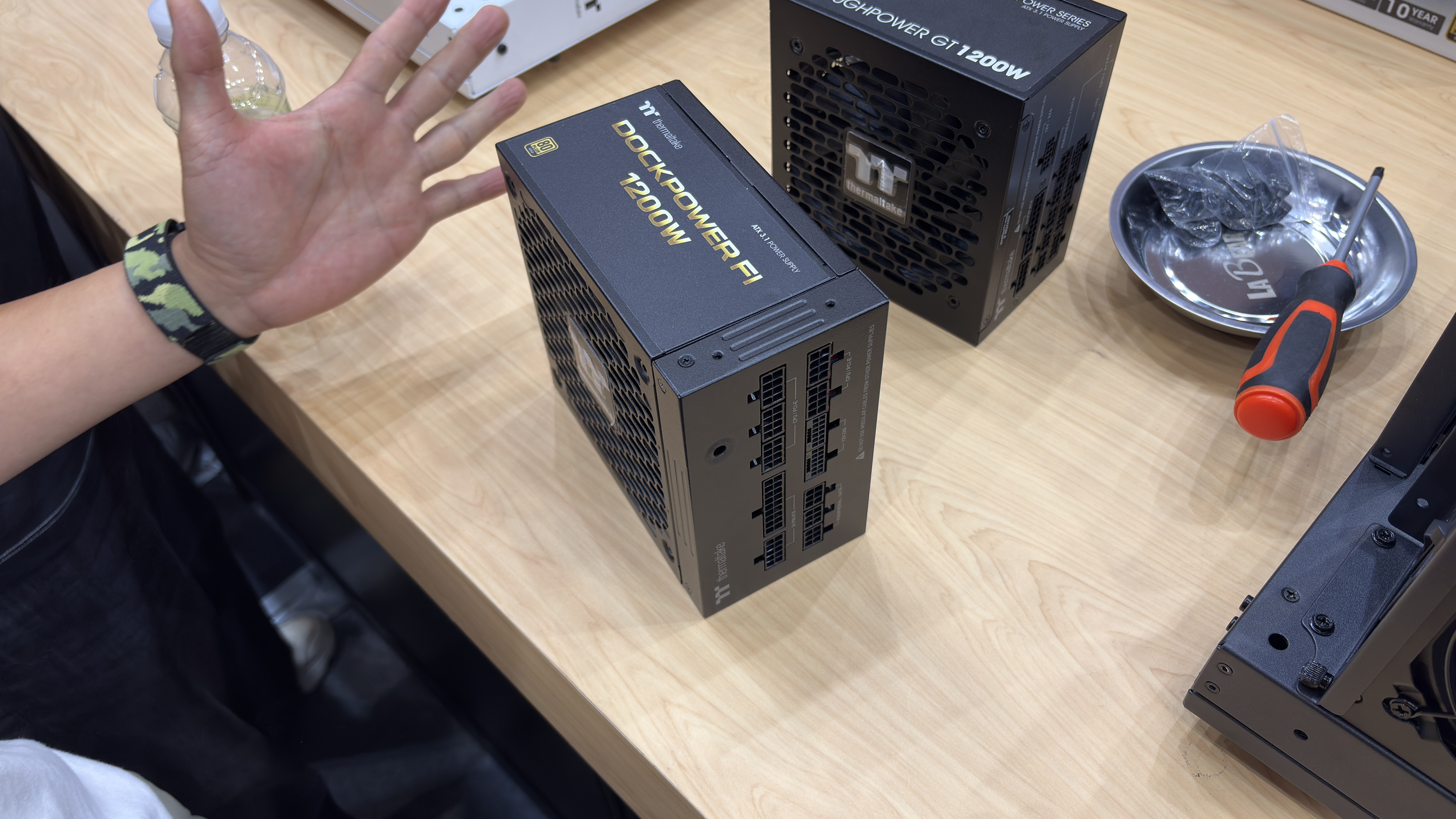
The premise of the Dockpower series—which will include models ranging from 750W to 1200W in both classic black and sleek white finishes—is simple yet radical. At first glance, the units appear to be standard, fully modular ATX power supplies. They feature the expected 12V-2×6 connectivity required for the latest high-end GPUs and the high-wattage capacity needed for modern, power-hungry rigs.
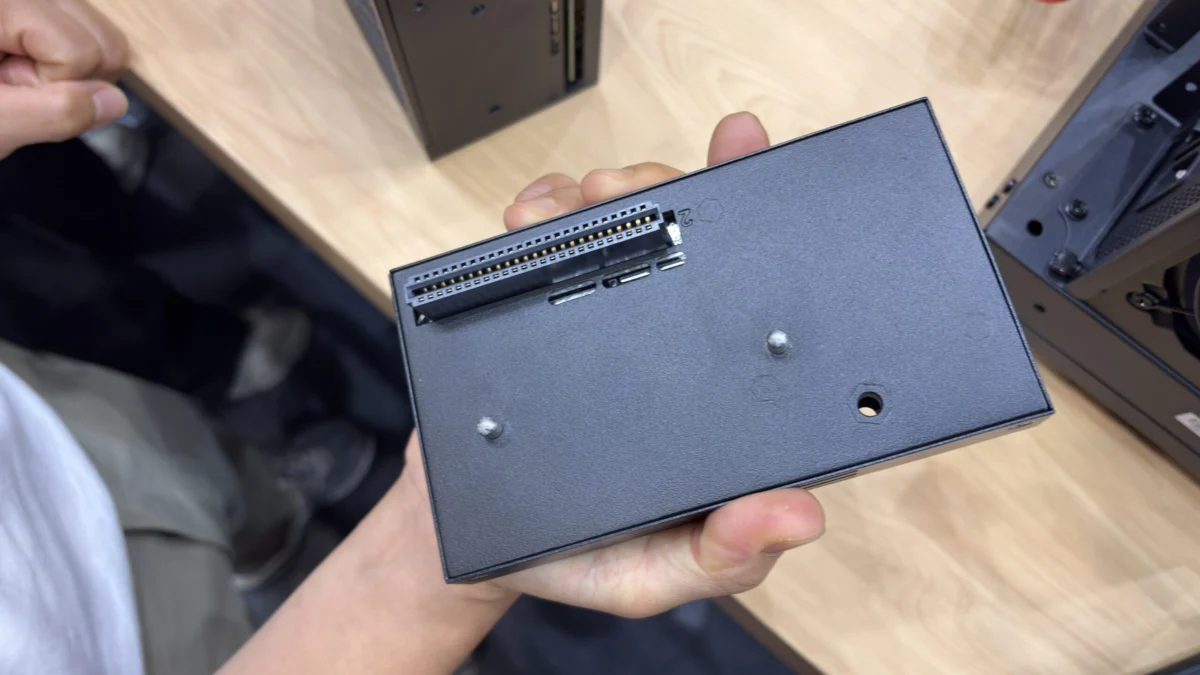
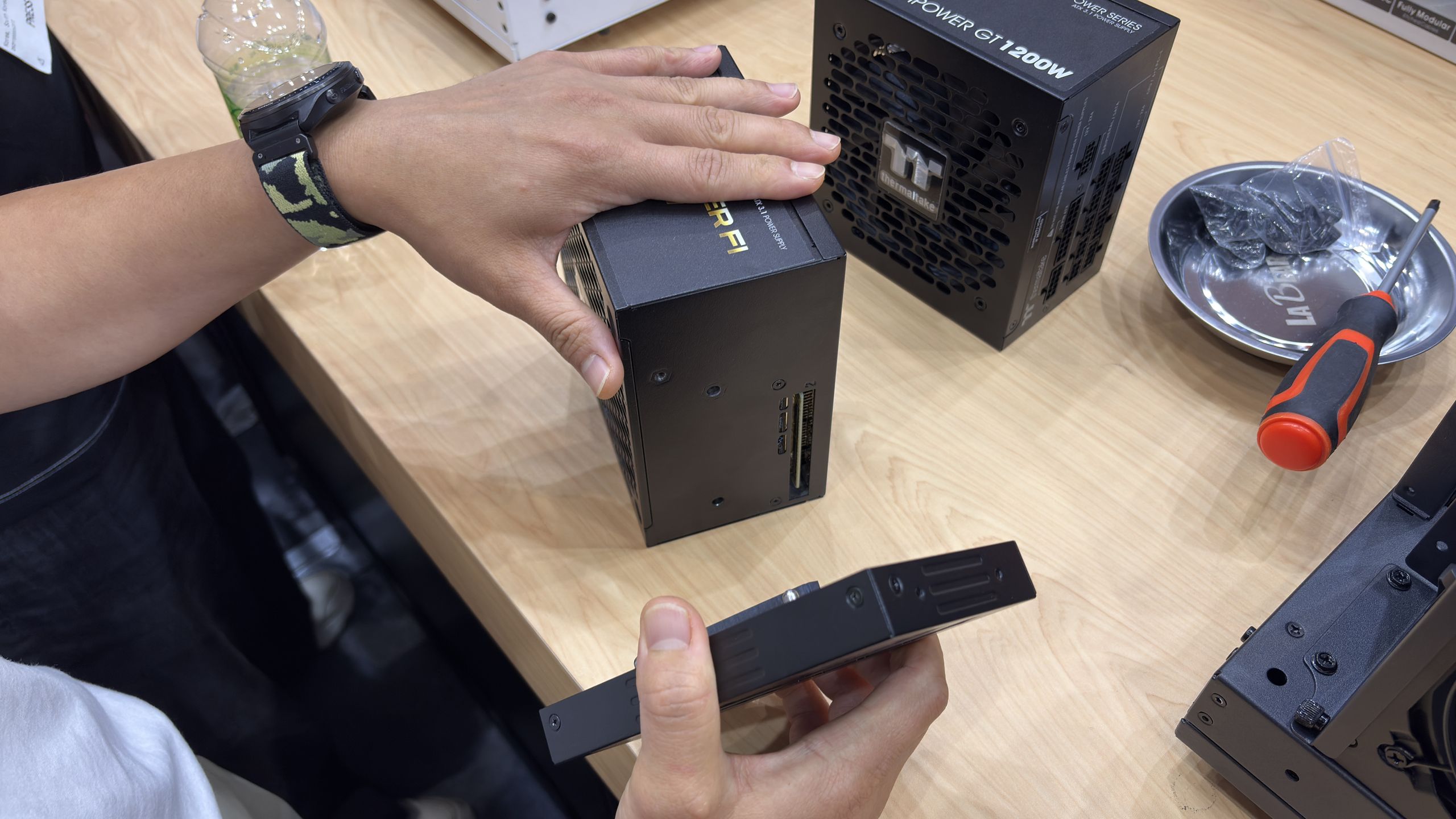
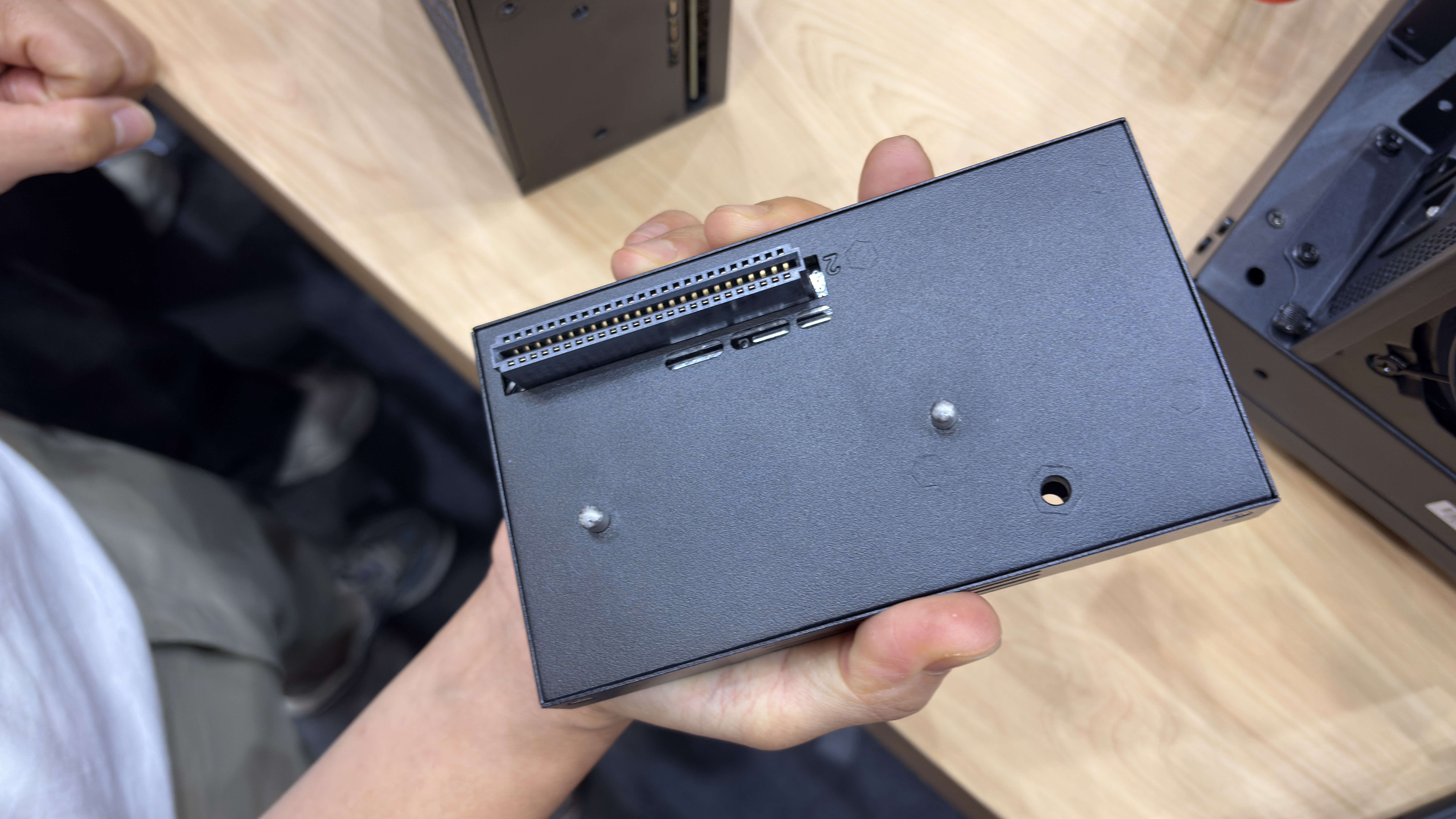
However, the defining feature lies in the port end of the unit. A single screw holds the module containing the cable inputs to the main body of the PSU. Once removed, this module detaches entirely.
The Logic Behind the Design
The primary intent behind this modularity is to streamline the often frustrating process of cable management. In many modern mid-tower or SFF (Small Form Factor) cases, the area around the PSU shroud is cramped, making it nearly impossible to plug in individual modular cables once the unit is already mounted.
Thermaltake’s solution allows builders to attach the necessary cables to the dock module outside of the chassis. Once the cable runs are organized and connected, the module is reinserted into the main PSU body and secured via a thumb-screw equipped with a D-ring for tool-less operation. Thermaltake claims the connection uses server-grade, gold-plated contacts, ensuring both durability and the high-current conductivity required for modern, overclocked hardware.
A Brief History of PSU Evolution
To understand the significance of Thermaltake’s claim, one must look at the historical trajectory of power delivery in the DIY PC space.
The Era of Hard-Wired Complexity
Prior to the mid-2000s, power supplies were essentially monolithic. Every cable—whether you needed it or not—emerged from the chassis, forcing builders to stuff excess "spaghetti" into drive bays or behind motherboard trays.
The Modular Shift (Circa 2005)
The introduction of modular cables was arguably the last major "architecture" change to the PSU. It allowed builders to use only the cables they required, drastically improving airflow and aesthetic appeal. This, Thermaltake argues, was the last time the industry saw genuine innovation.
Modern Challenges: The Shift to "Shift" and "Edge"
The market has not been stagnant. Companies like Corsair have experimented with side-facing ports (the Shift series), and Lian Li has explored ultra-slim, edge-connected designs (the Edge series). Seasonic’s "Connect" system even moved the modular hub out of the PSU entirely and into a separate, case-mounted box. Thermaltake’s Dockpower is effectively the next logical step in this conversation, attempting to balance the convenience of a hub with the traditional form factor of an ATX unit.
Official Perspectives and Industry Skepticism
During a press conference at the Computex booth, Thermaltake representative Mingkei was bold in his assessment of the current market. "Last time the power supply had innovation was 20 years ago, when modular units came out," he stated. "There has been no innovation at all until now."
Challenging the Status Quo
These comments have sparked debate among industry analysts. If we define innovation as "fundamental architecture change," then Thermaltake’s argument has merit. However, if we look at the history of the PSU, one could argue that efficiency ratings (80 Plus Titanium), silent fan curves, and the implementation of native 12VHPWR connectors represent meaningful, albeit incremental, innovation.
The Case for "Next Generation"
Thermaltake positions the Dockpower series as the "next generation of PSU architecture." Beyond the ease of installation, they emphasize the potential for future-proofing. Theoretically, if a new power standard emerges, a user might only need to swap the dock module rather than replacing the entire power supply unit, potentially reducing electronic waste and long-term costs for the consumer.
Implications for the PC Building Community
The introduction of the Dockpower series raises several questions about the future of PC builds.
1. Ease of Assembly vs. Complexity
The most immediate benefit is for the novice builder. The "cramped space" issue is a common point of failure for beginners who often find themselves unable to plug in an extra SATA or PCIe cable once a PSU is bolted down. If the dock module works as advertised, it could significantly lower the barrier to entry for clean, professional-looking builds.
2. The Question of Durability
Introducing a connection point between the power delivery components and the cable interface creates a new potential point of failure. The use of server-grade, gold-plated contacts is a promising inclusion, but the industry will be watching closely to see how these connections handle the thermal expansion and contraction cycles of a high-performance gaming PC over several years.
3. The "Upgradeability" Promise
Thermaltake’s claim that this allows for easier upgrades is intriguing. However, in practice, most builders replace their PSU only when it fails or when they need more wattage for a major GPU upgrade. Given that ATX form factors have remained stable for decades, the need to "swap the dock" may be a rare event for the average user.
Future Outlook: September and Beyond
The Dockpower series—comprising the FS, FC, and FI models—is slated for a global launch this September. The market success of this unit will ultimately depend on two factors: price and reliability.
If the Dockpower units are priced competitively with traditional high-end modular units, they may quickly become a favorite among system integrators and DIY enthusiasts who value ease of maintenance. If they come with a significant "innovation premium," they may find themselves relegated to a niche status, admired for their engineering but ignored by the budget-conscious majority.
Final Thoughts
Thermaltake is clearly attempting to disrupt a segment of the PC market that has become comfortable with the status quo. Whether or not this is the "most significant innovation in 20 years" is up for debate, but it is undeniably a refreshing attempt to solve a real-world pain point in the building process.
As we look toward the September launch, the true test will be in the hands of the end-users. Will the dock module be a game-changer that makes cable management a relic of the past, or will it be an over-engineered feature that adds unnecessary complexity to a system that was never truly broken? Regardless, for a component as historically "boring" as a power supply, Thermaltake has certainly succeeded in making us pay attention.












No comments yet. Be the first to join the conversation!