

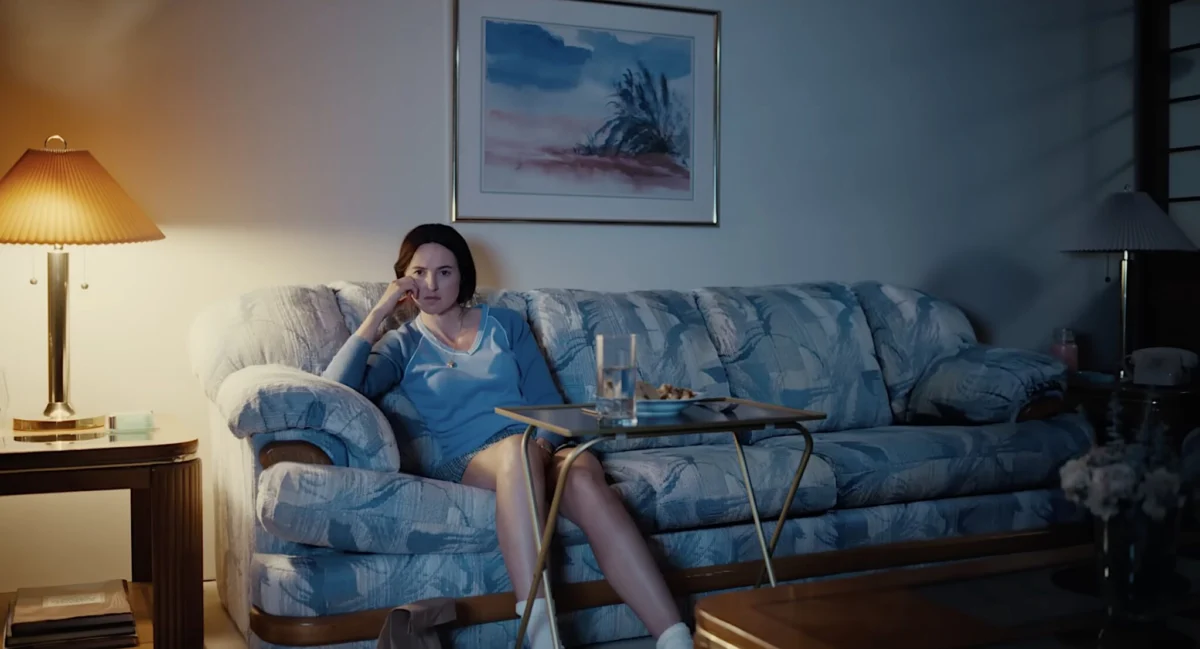
The long-rumored, highly anticipated film adaptation of the internet’s most persistent urban legend, Backrooms, has finally emerged from the digital shadows. For years, the concept—a labyrinthine, seemingly infinite dimension of damp, yellow-carpeted rooms and flickering fluorescent lights—existed only as a niche "creepypasta" on forums. Today, it stands as a fully realized feature film that feels as though it was always waiting in the wings, a locked door finally pushed open to reveal something both familiar and terrifyingly wrong.
A Premise Rooted in Reality
Backrooms is a rare example of a film that manages to be both profoundly weird and grounded enough in a recognizable reality to allow its true horror to flourish. The premise is faithful to the source material: a character discovers a secret, impossible realm of architecture that defies physics. There are rooms that serve no purpose, corridors that lead nowhere, and piles of discarded 1990s-era furniture that suggest a long, forgotten history of habitation.
Unlike many horror films that rely on monsters jumping from the shadows, Backrooms treats the environment itself as the antagonist. The "liminal space"—that uncanny, in-between quality of a vacant office or an abandoned mall—is the primary source of dread. The film’s genius lies in its restraint; the audience is made to feel the "wrongness" of the space long before the threat becomes tangible.
Chronology: The Evolution of a Digital Nightmare
The journey of the Backrooms from a single viral image on 4chan in 2019 to a feature-length production by A24 is a testament to the power of internet lore.

- The Genesis (2019): An anonymous user posted a low-resolution image of a yellow, windowless room, spawning a collaborative creative effort to define the "rules" of this alternate dimension.
- The Expansion (2020–2023): The mythos grew to include "levels," "entities," and "clipping"—the act of falling through the fabric of reality into the Backrooms.
- The Adaptation (2024–2025): Director Kane Parsons and writer Will Soodik were tapped to translate this amorphous lore into a cohesive narrative.
- The Premiere (2026): The film hit theaters, effectively crystallizing the disparate internet theories into a singular, haunting vision.
Technical Mastery: Crafting the Uncanny
Under the guidance of director Kane Parsons, the film eschews the hyper-active camera movements common in modern horror. Instead, cinematographer Jeremy Cox utilizes a visual language that is subtle yet deeply unsettling. While the film avoids extreme Dutch angles, the framing is consistently slightly "off," creating a subconscious sense of instability.
The sound design is equally pivotal. The carpeted floors of the Backrooms dampen noise, making the occasional echo of a distant footstep or the hum of a light fixture feel deafeningly intrusive. The film is shot with a deliberate graininess, evoking the aesthetic of 1990s camcorder footage. This choice not only anchors the film in a specific, pre-digital era but also creates a sense of nauseating voyeurism.
The 1990s: A Strategic Setting
Perhaps the most brilliant creative decision in Backrooms is the choice to set the film in 1990. By removing cellphones and the immediate, constant connectivity of the modern internet, the filmmakers strip the protagonists of their primary tools for survival.
In a modern setting, a character might try to film the Backrooms for TikTok or look up the lore on Reddit. In 1990, however, they are isolated. If they try to explain the phenomenon, they are dismissed as mentally unstable. To document the space, they must rely on bulky, analog video cameras. This setting also pays homage to the "Vaporwave" aesthetic, tapping into a collective, hazy nostalgia for a time that feels both recent and profoundly alien.

The Cast: Isolation in the Void
The film features a tight, ensemble cast, ensuring that the focus remains on the psychological toll of the environment rather than a high-octane action plot:
- Chiwetel Ejiofor as Clark: A depressed, weary furniture store owner whose stumble into the Backrooms serves as a catalyst for the film’s exploration of mental health.
- Renate Reinsve as Dr. Mary Kline: A therapist whose background in self-help provides a clinical, yet ultimately helpless, perspective on the unfolding nightmare.
- Lukita Maxwell as Kat and Finn Bennett as Bobby: The younger generation, whose reliance on technology (the video camera) frames the audience’s entry point into the chaos.
- Mark Duplass as Phil: A small but critical role that adds a layer of mystery to the origins of the space.
Implications: A Mirror for Loneliness
While Backrooms is an effective genre film, it is also a poignant exploration of themes that resonate far beyond its supernatural premise. At its core, the movie is about loneliness and the way we attempt to navigate the "liminal" periods of our own lives—those transitional, uncertain moments where we are no longer who we were, but not yet who we will become.
The film asks uncomfortable questions: Are there people who deserve to be alone? By situating the horror in the physical manifestation of emptiness, the movie suggests that the greatest terror is not a monster, but the realization that we have been forgotten by the world outside.
Official Responses and Thematic Depth
Early critical reception has praised the film for its refusal to over-explain. In an era where franchises feel the need to provide an "origin story" for every supernatural element, Parsons and Soodik have chosen a path of ambiguity. We are never told why the Backrooms exist or how they are accessed. They are simply a fact of this universe, a cold, indifferent reality that demands navigation.

This lack of exposition serves to heighten the sense of dread. The characters are not heroes fighting an evil; they are survivors trying to endure a condition. This, according to many critics, makes the horror more visceral. The film does not offer a pat, easy resolution to the characters’ trauma; instead, it leaves the audience with the lingering, haunting suspicion that the door to the Backrooms might be closer to our own reality than we care to admit.
Final Thoughts: The Lingering Nausea
The true mark of a horror masterpiece is its ability to follow the viewer home. Backrooms succeeds in this regard with terrifying efficiency. The film is not just a collection of scares; it is a sensory experience that leaves the viewer questioning the mundane spaces of their own lives—the empty hallways of an office building, the flickering light of a basement, the silence of a vacant room.
For those who have grown up with the internet, the film feels like a fever dream we all shared. For those who haven’t, it is a chilling reminder of the fragility of our perception of reality. Whether you are a devotee of the original lore or a newcomer to the genre, Backrooms is a mandatory watch—though you may find yourself looking at the walls of your own home with a newfound sense of unease.
The film suggests that the world is much larger, emptier, and stranger than we ever dared to imagine. As the credits roll, the audience is left with a singular, chilling takeaway: the Backrooms are not a place you go to; they are a place you simply fall into. And once you’re in, there’s no guarantee the door will ever open the same way twice.










No comments yet. Be the first to join the conversation!