In the expansive ecosystem of the Transformers toy line, few sub-series have garnered as much reverence—and scrutiny—as the Studio Series 86 (SS86). Designed to faithfully recreate the iconic aesthetics of the 1986 animated classic, The Transformers: The Movie, this line has become the gold standard for fans seeking screen-accurate renditions of their favorite Generation 1 characters. However, the release of the Astrotrain figure within this series has sparked a rigorous debate among collectors. While the figure succeeds in capturing the Triple Changer’s nostalgic silhouette, its engineering and design choices have left many enthusiasts questioning the execution.
Main Facts: The Anatomy of a Triple Changer
The Transformers Studio Series 86 Astrotrain is a sophisticated piece of plastic engineering, tasked with the notoriously difficult feat of transforming between a robot, a space shuttle, and a steam locomotive. The figure stands as a testament to Hasbro’s commitment to the "Generations" aesthetic, which seeks to modernize classic designs without sacrificing the character’s core identity.
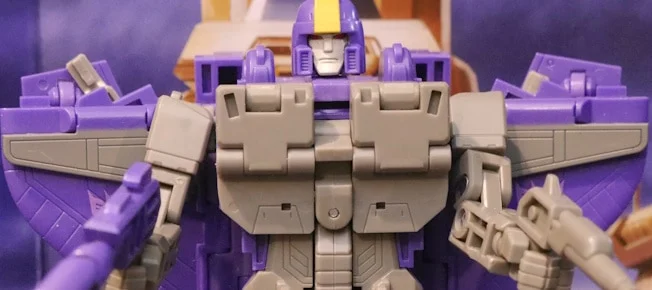
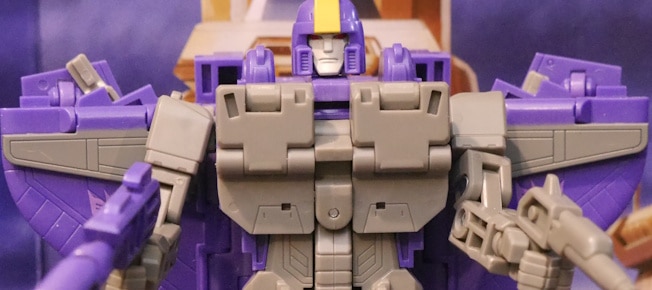
At its heart, the figure aims to replicate the animation model seen in the 1986 film. In robot mode, Astrotrain features the iconic purple-and-grey color scheme and the blocky, utilitarian proportions associated with the character. However, the "baffling" nature of the design—as noted by collectors—often stems from the compromises made to accommodate the triple-change functionality. Joints that serve multiple purposes during transformation can occasionally lead to stability issues, and certain panels lack the seamless integration seen in more modern, simplified figures.
Chronology: From 1986 to the Studio Series Legacy
To understand the significance of this figure, one must look at the history of the character. Astrotrain debuted in the mid-80s as one of the first "Triple Changers." His original G1 toy was a marvel of 1980s engineering, though it was notoriously simplified compared to his animated counterpart.
- 1985/1986: The original Astrotrain toy hits shelves, forever cementing the Triple Changer concept in pop culture.
- 2006: The Classics line reimagined Astrotrain with a more complex transformation, though it deviated significantly from the G1 animation model.
- 2019: The Siege: War for Cybertron series released an Astrotrain that focused on a "gritty," battle-worn aesthetic, which divided the fan base due to its heavy weathering and stylistic choices.
- The SS86 Era: The Studio Series 86 line was introduced to correct the "stylized" approach of previous lines, focusing purely on screen accuracy. The current release is the culmination of this mandate, aiming to be the "definitive" version of the character for modern collectors.
Supporting Data: Engineering and Aesthetic Trade-offs
When analyzing the Transformers Studio Series 86 Astrotrain, the primary point of contention is the balance between complexity and structural integrity.
Engineering Data Points:
- Transformation Complexity: The figure features a multi-step process that requires precise alignment of panels. While impressive, it introduces a "fiddliness" factor that can frustrate casual collectors.
- Articulation: The figure boasts a high range of motion in robot mode, allowing for dynamic posing consistent with modern standards.
- Material Integrity: The use of high-grade plastics has improved over previous iterations, though the friction-fit tabs—essential for locking the three modes into place—are prone to wear over time.
Critics argue that the design choices, particularly the reliance on "shell-forming" (where parts of the vehicle modes essentially fold away to reveal the robot), contradict the more integrated approach seen in the Earthrise or Legacy sub-lines. The locomotive mode, in particular, has been criticized for feeling "tacked on" rather than a natural byproduct of the robot’s construction.
Official Responses and Industry Context
While Hasbro has not issued a formal "defense" of the design, the company’s broader strategy for the Studio Series has always prioritized visual fidelity over ease of use. In past interviews regarding the Studio Series design philosophy, Hasbro representatives have emphasized that the goal is to provide a "frame-by-frame" recreation of the film.
Industry analysts suggest that this design approach is a response to a changing market. The collector market is currently split between those who want a "play-friendly" toy and those who demand a "display-perfect" statue-like action figure. Astrotrain sits at the awkward intersection of these two demographics. By attempting to satisfy both, the design team created a product that, while visually striking, occasionally prioritizes the look of the animation model at the expense of intuitive mechanical movement.
Implications for the Future of Collectibles
The discourse surrounding this figure carries significant implications for the future of the Transformers brand. If the current trend toward hyper-accuracy continues, the complexity of these figures will only increase, potentially alienating younger fans or those who prefer a more tactile, "toy-like" experience.
Furthermore, the secondary market reaction provides a fascinating case study. Despite the "baffling" design choices cited by critics, the figure remains a highly sought-after item. This suggests that for many collectors, the emotional connection to the 1986 film outweighs mechanical perfection. The Studio Series 86 line is essentially selling a piece of cinema history, and for most fans, a slightly awkward transformation is a small price to pay for a toy that looks like it stepped right off the screen.
Conclusion: Is it Worth the Investment?
The Transformers Studio Series 86 Astrotrain is a fascinating, if flawed, achievement. It represents a specific moment in the evolution of toy design where the desire for screen-accurate aesthetics is pushing engineering to its absolute limits.
For the dedicated collector, the figure is an essential addition. Its presence on a shelf, particularly when posed alongside other SS86 figures like Optimus Prime or Hot Rod, provides a cohesive and nostalgic display that few other lines can match. However, prospective buyers should be aware of the "baffling" design choices—the complexity of the transformation and the occasional lack of cohesion in vehicle modes.
As the industry moves forward, the lessons learned from the Astrotrain design will likely influence how Hasbro handles future Triple Changers. The brand is clearly listening to the feedback loop between the design team and the consumer base. Whether you view this figure as a masterpiece of screen accuracy or a cautionary tale of over-engineering, one thing is certain: it has solidified its place in the ongoing conversation about what a Transformers toy should be in the modern age.
For those interested in seeing the engineering for themselves, it is highly recommended to view the unboxing and transformation demonstrations provided by community experts. Understanding the figure’s quirks before purchase is the best way to ensure it meets your specific expectations as a collector. Whether you choose to display it in his iconic shuttle mode or as the powerful Decepticon leader in his robot form, the SS86 Astrotrain remains a bold, if divisive, statement in the world of high-end action figures.
Disclaimer: This article contains affiliate links. If you click on one of the product links and make a purchase, we may receive a percentage of the sale. Graphic Policy purchases items from various retailers to provide independent, unbiased reviews. Your support helps us continue to provide high-quality coverage of the comic book and toy industry.