

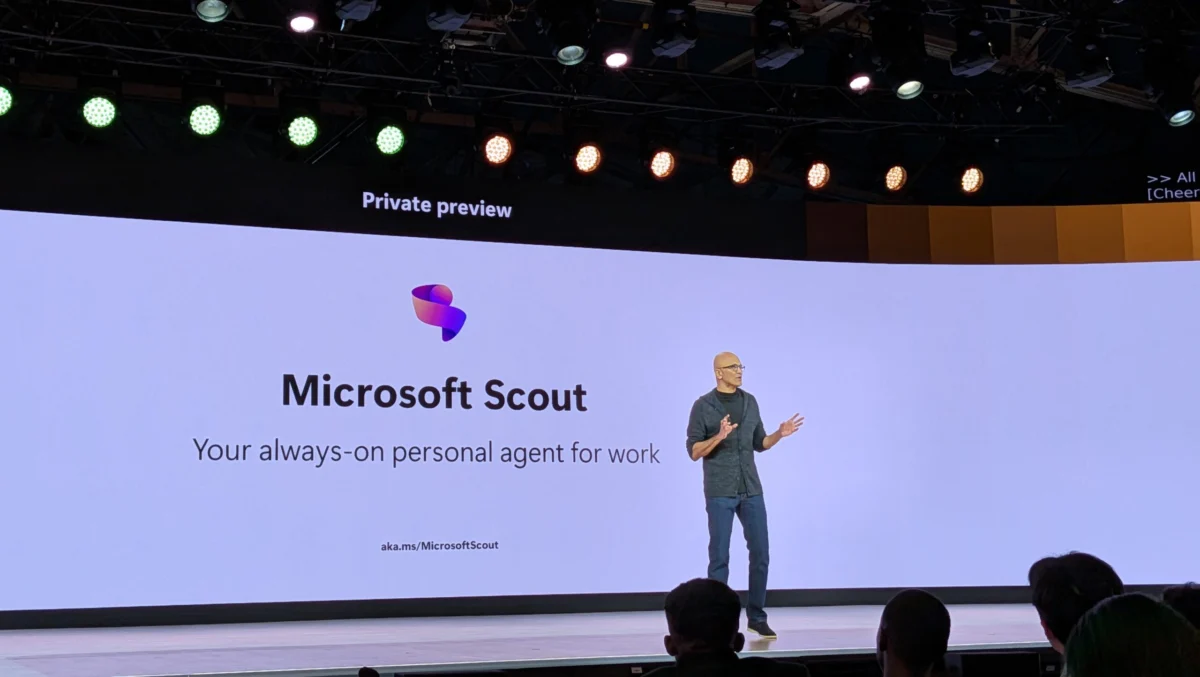
At the highly anticipated Microsoft Build 2026 conference, CEO Satya Nadella stood before a global audience to signal a fundamental shift in the company’s artificial intelligence strategy. Moving beyond the reactive, chat-based interfaces that have defined the last few years of the "AI revolution," Microsoft has officially entered the era of autonomous agency. The headline announcement: the launch of Autopilots, a sophisticated category of AI agents designed to operate independently in the background of the enterprise workflow.
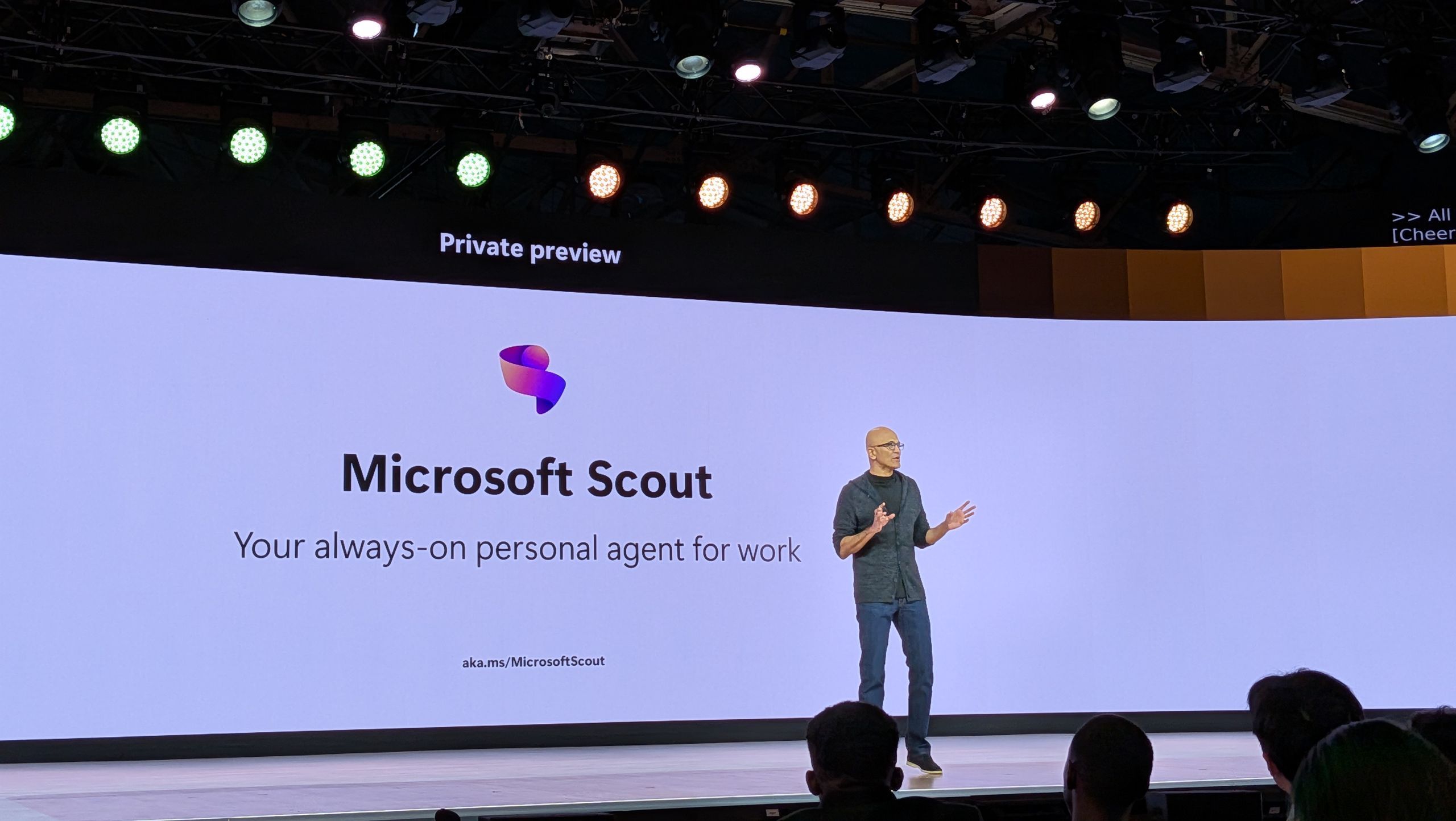
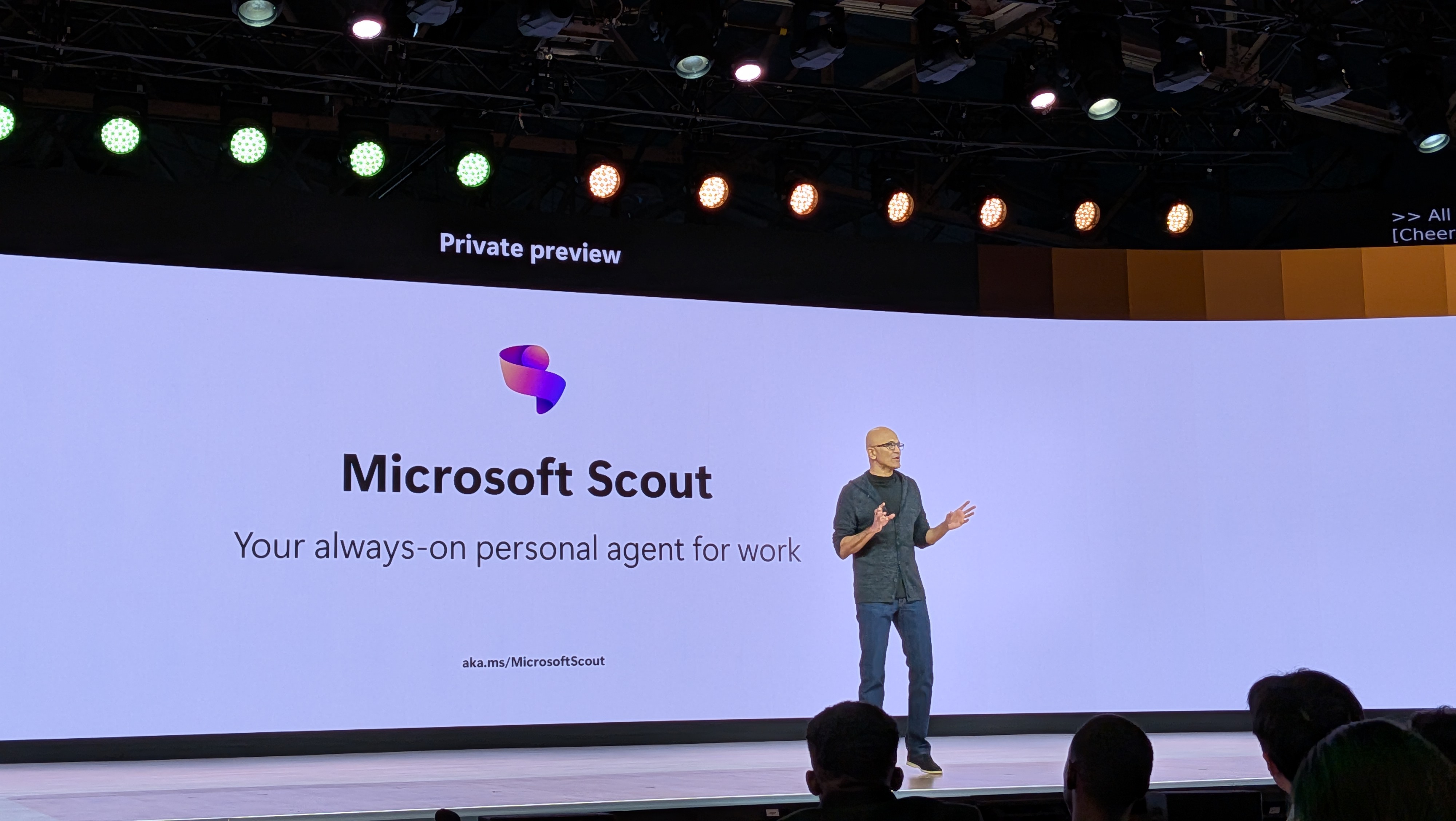
The flagship of this new initiative is Scout, an autonomous agent integrated directly into the Microsoft 365 ecosystem. Unlike its predecessor, Copilot, which requires a human prompt to initiate a task, Scout is designed to learn, anticipate, and execute, effectively acting as a persistent digital collaborator that never truly logs off.
The Core Concept: From Chatbots to Autonomous Agents
For the past two years, the industry has been obsessed with "Copilots"—tools that function as high-level assistants, waiting for instructions to draft emails, summarize documents, or generate code. While powerful, these tools rely heavily on human-in-the-loop interaction.
Autopilots represent the next logical step in the evolution of generative AI. By operating in the background, they bridge the gap between "helper" and "worker." These agents possess their own digital identity and a persistent memory of the user’s preferences, workflows, and project contexts.
"You can think of Autopilots as enterprise-grade ‘claws’—these are autonomous, long-running agents with full enterprise compliance that run in your tenant," Satya Nadella explained during the Build 2026 keynote. "They are a totally new way to reduce toil and get you back to what you love. They aren’t just reacting to you; they are proactively managing the complexity of your digital life."
A Chronology of the Build 2026 Announcements
The unveiling of Autopilots was the climax of a multi-day event that showcased Microsoft’s roadmap for the next decade of computing.
- June 2, 2026 (Day One): The conference opened with a focus on "The Agentic Future." Microsoft executives outlined how the current AI landscape is shifting from fragmented tools to a unified "Agent Ecosystem."
- The Keynote Reveal: Satya Nadella took the stage to demonstrate Scout. He showcased a live scenario where the agent independently organized a meeting, filtered urgent emails from a cluttered inbox, and drafted a project status update based on real-time data from Teams and Outlook.
- The "Frontier" Rollout: Immediately following the keynote, Microsoft announced that "Frontier" users (those on the highest tier of Microsoft 365 enterprise subscriptions) would be granted immediate access to Scout for beta testing.
- The Roadmap: Following the announcement, Microsoft technical leads detailed the "Agent Builder" platform, scheduled for a late 2026 release, which will allow enterprises to craft their own bespoke Autopilots tailored to specific industry verticals, such as legal, finance, or logistics.
Supporting Data: The Case for Autonomous Efficiency
The move toward autonomous agents is driven by growing data on workplace productivity and "digital fatigue." According to internal studies presented at Build 2026, the average enterprise worker spends roughly 40% of their day on "low-value, repetitive administrative tasks."
Microsoft’s data suggests that:
- Task Automation Potential: Current generative AI can handle up to 60% of routine email management and scheduling tasks.
- Context Switching Costs: The average employee switches between apps over 1,000 times a day. Autopilots, which operate across the entire M365 tenant, aim to reduce this friction by consolidating actions into a single, background-processed stream.
- Enterprise Readiness: With the introduction of the "Autopilot Security Framework," Microsoft claims to have solved the "black box" problem. The system includes granular permission controls, ensuring that an agent can only access data that the human user is already authorized to view, with full audit logs for IT administrators.
Official Responses and Strategic Vision
The industry reception has been swift. Analysts note that by integrating these agents into the existing M365 stack, Microsoft is effectively creating a "walled garden of productivity" that will be incredibly difficult for competitors to displace.
In a follow-up blog post released alongside the keynote, the Microsoft 365 product team stated: "Autopilots are always-on agents that work autonomously, with their own identity, and act on your behalf. They represent the transition from AI as a tool to AI as a teammate."
The response from the developer community has been equally focused on the "Agent Builder" aspect. By allowing companies to define the "personality," "knowledge base," and "permissions" of an agent, Microsoft is essentially launching an App Store for AI labor. Organizations can now build a "Finance Autopilot" that understands internal tax policies or a "Sales Autopilot" that monitors CRM leads and initiates outreach based on specific, pre-approved triggers.
Implications: The Future of Work and Ethical Governance
The introduction of Autopilots carries significant implications for the future of employment and corporate governance.
1. The Redefinition of "Productivity"
If an agent can perform tasks in the background, the role of the human shifts from "doing the work" to "designing the process." The human becomes a manager of a digital workforce. This will likely necessitate a massive upskilling effort, as workers learn to define the parameters, constraints, and objectives for their autonomous counterparts.
2. Security and Compliance
One of the most significant concerns with autonomous agents is the potential for "hallucinated" actions—an agent sending the wrong email or unauthorized sensitive information. Microsoft has preemptively addressed this by emphasizing the "enterprise-grade" nature of the product. Every action taken by an Autopilot is logged, and users can set "guardrail policies" that restrict the agent’s ability to send external communications without a final "human-in-the-loop" approval step.
3. The Competitive Landscape
This move puts immense pressure on rivals like Google (Gemini) and Salesforce (Agentforce). By embedding this technology into the operating system of the modern office (Office, Teams, Outlook), Microsoft is betting that the winning AI strategy is not about the smartest model, but the most deeply integrated one.
4. Psychological Impact
As these agents learn to mimic our speaking styles and understand our personal calendars, the line between "human intent" and "machine execution" will blur. The psychological shift of having an "always-on" entity observing one’s work patterns is a frontier that psychologists and ethicists are only beginning to study.
Conclusion: The Horizon
As Microsoft Build 2026 comes to a close, the narrative is clear: the age of the chatbot is waning, and the age of the autonomous agent has begun. With Scout leading the charge, Microsoft is attempting to transform the computer from a tool we operate into a system that operates for us.
Whether this technology will truly "get us back to what we love" or simply usher in a more complex era of digital management remains to be seen. However, as the first wave of enterprise users begins to experiment with Scout, one thing is certain: the way we interact with our digital environment has changed permanently. The office of the future isn’t just connected; it is capable of acting on its own.
For the average professional, the next year will be a period of intense adjustment. The ability to trust an autonomous agent to handle the minutiae of the workday will become a competitive advantage, turning the Autopilot from a luxury into a necessity for anyone looking to navigate the increasingly crowded, high-speed landscape of modern enterprise.












No comments yet. Be the first to join the conversation!