

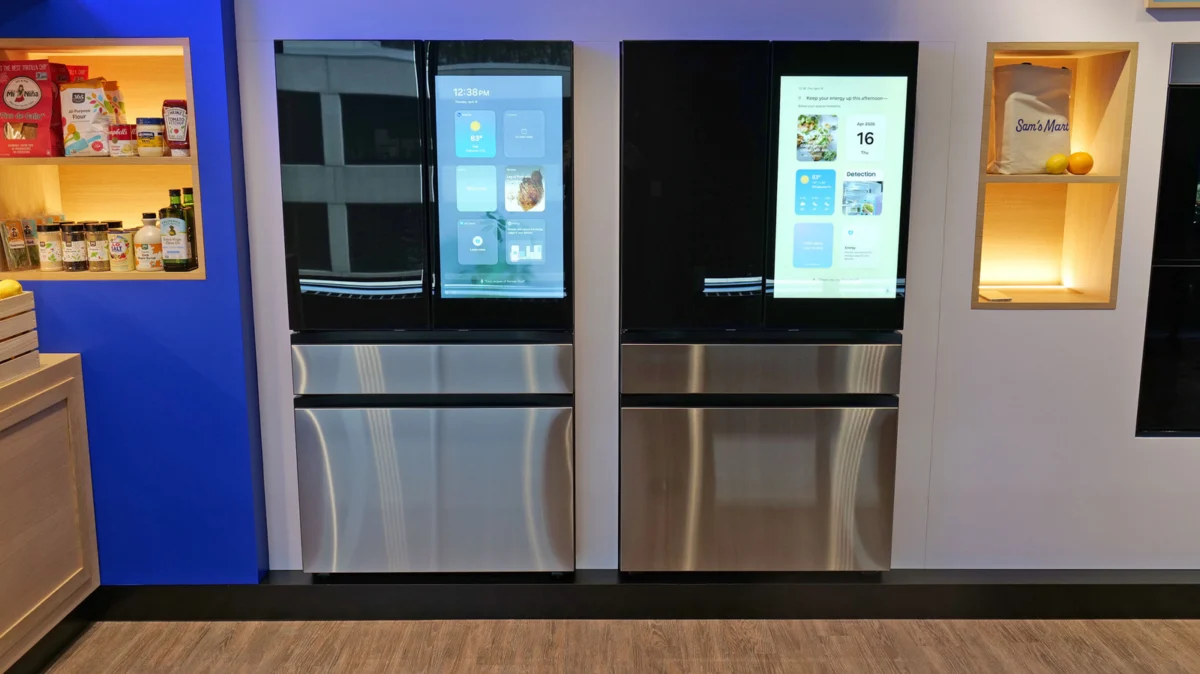
The concept of a "smart fridge" has long been the punchline of tech industry jokes—a solution in search of a problem, often featuring glorified tablets taped to stainless steel doors. For years, Samsung’s Bespoke refrigerator line occupied this space, offering AI-powered food recognition that felt more like a novelty than a necessity. However, a significant software update rolling out this week signals a pivot toward genuine utility, marking a maturation point for kitchen-based machine learning. By integrating Google’s Gemini model into its existing ecosystem, Samsung is transforming the refrigerator from a simple cooling box into a sophisticated inventory management assistant.
The Evolution of the Smart Fridge: A Chronology of Progress
The journey toward a truly "intelligent" appliance has been incremental. When Samsung first introduced AI-powered features to its Bespoke series, the capabilities were strictly localized. The fridges relied on on-device object recognition, which, while secure, was severely limited in scope.
- Early Days (2022–2023): Initial iterations of the Bespoke AI Food Manager were restricted to recognizing approximately 60 types of fresh produce and roughly 50 packaged goods. Users were frequently tasked with manual data entry—inputting quantities and expiration dates—effectively turning a time-saving feature into a tedious clerical chore.
- The Review Phase (Late 2023): Critical reception highlighted a glaring gap between marketing promises and user reality. The AI struggled with variety, and the "friction" of interacting with the appliance interface discouraged widespread adoption of its inventory-tracking features.
- The Gemini Integration (2024): Recognizing these limitations, Samsung began an overhaul of its software stack. By bridging the gap between on-device processing and the cloud-based prowess of Google’s Gemini, the company has effectively multiplied the fridge’s recognition capabilities by a factor of twenty.
The Technical Leap: From 100 to 2,000+ Items
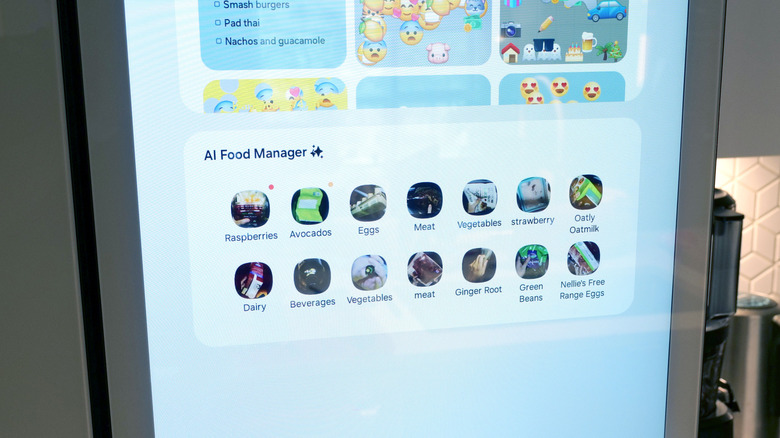
The most significant metric in this update is the expansion of the item-recognition database. By moving beyond a closed-loop system, the Bespoke line can now identify more than 2,000 distinct food items. This transition relies on a hybrid architecture: on-device object recognition handles immediate, privacy-sensitive tasks, while the cloud-based Gemini model processes more complex visual data to identify brands, niche ingredients, and packaging nuances.
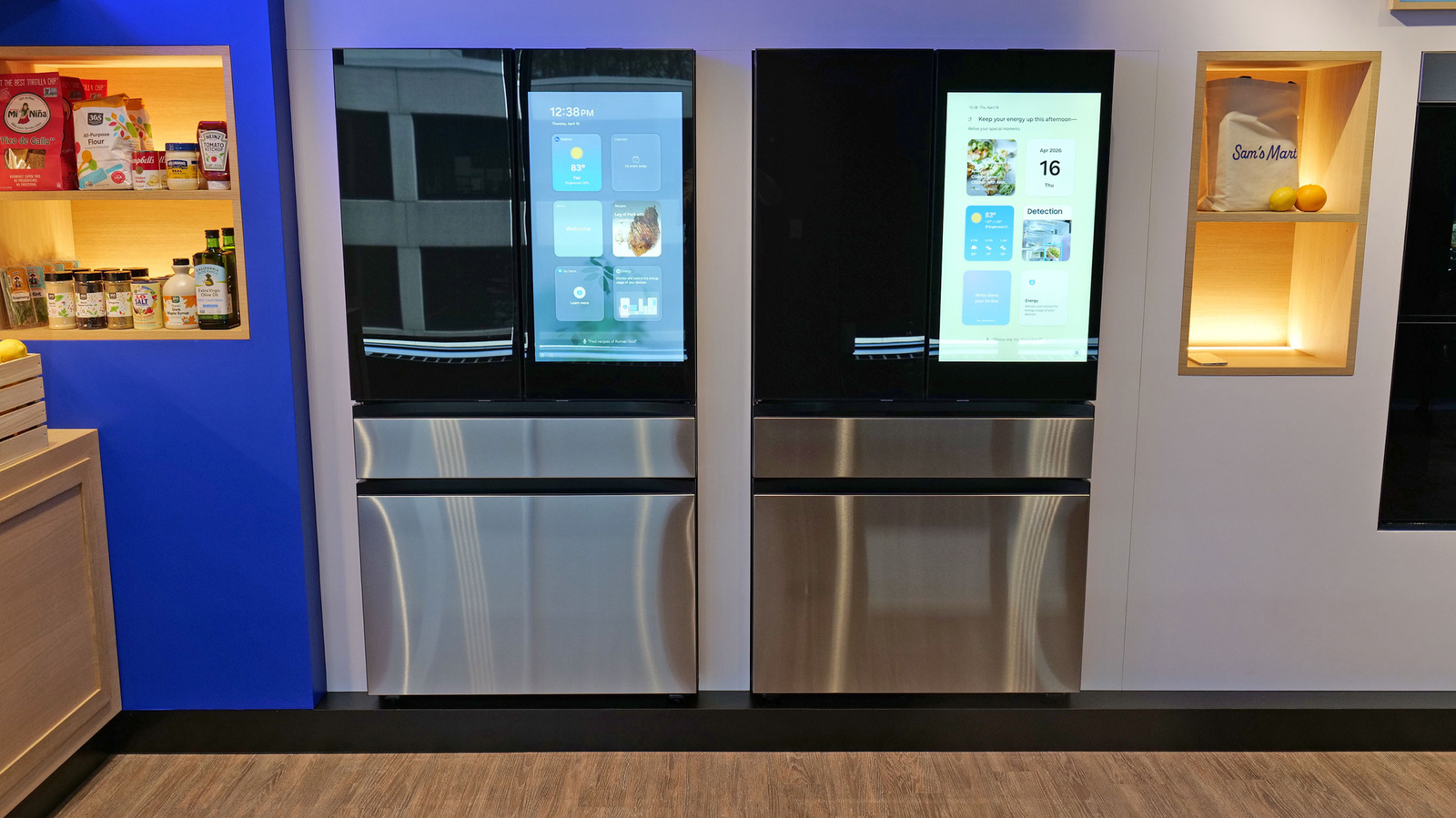
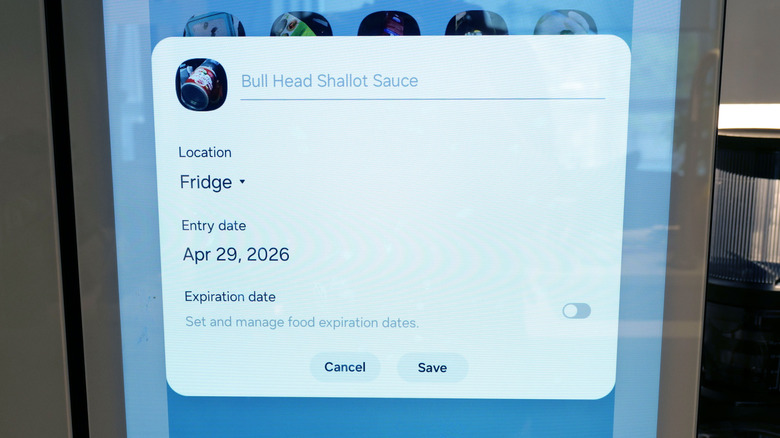
For the end user, this means the fridge is no longer confused by regional or specialty items. In recent tests, the system successfully identified niche ingredients—such as Taiwanese shallot sauce—that would have previously gone unnoticed. Furthermore, the AI now exhibits a higher degree of granularity, successfully distinguishing between variants like Diet Coke and Coke Zero, and tracking multiple units of the same item simultaneously.
Reliability AI: A New Frontier in Maintenance
Beyond the grocery tracking, the update introduces "Reliability AI," a proactive maintenance suite designed to mitigate the long-term headaches of appliance ownership. This feature monitors internal components to detect degradation or mechanical irregularities before they result in a total system failure.
Predictive Troubleshooting
Instead of waiting for a total breakdown, the system provides real-time diagnostics. For instance, if an ice maker begins to malfunction—producing clumped or malformed ice—the system can analyze the water flow and pressure. Samsung representatives have noted that this data, with the owner’s express consent, can be shared with service centers to allow for remote adjustments. In some cases, a technician can remotely throttle water intake or recalibrate settings without ever stepping foot in the consumer’s home, drastically reducing service costs and wait times.
Informed Servicing
When an in-person repair is unavoidable, the AI provides a "digital health record" to the technician. This allows the service provider to arrive with the necessary parts and a pre-diagnosed understanding of the issue, effectively ending the era of the "diagnostic visit" where a professional arrives with no context of the appliance’s specific history.
The User Experience: Real-World Implications
The integration of smart technology into the daily rhythm of a household is where the new software shines. The system now tracks how frequently specific items are removed, intuitively prompting the user to add those staples to a digital shopping list. This list is synced directly to the user’s smartphone, removing the need for manual curation or the "I thought we had eggs" argument at the grocery store.
Additionally, the AI uses its inventory awareness to suggest recipes based on what is currently inside the fridge. By reducing food waste through automated expiration notifications, the appliance moves from being a passive piece of hardware to an active participant in household management.
Official Stance and Strategic Considerations
Samsung’s decision to partner with Google for the Gemini integration represents a strategic acknowledgment that proprietary AI models often struggle with the vast, unpredictable diversity of consumer products. By leveraging a foundational model like Gemini, Samsung bypasses the need to build a massive, bespoke dataset of every grocery item in existence.
However, the collaboration is not without its friction points. Currently, the user interface remains heavily reliant on Bixby for voice commands. Despite the sophisticated backend powered by Google, users cannot yet interact directly with Gemini via voice. This creates a slightly disjointed experience where the "brain" of the fridge is Google-powered, but the "voice" remains Samsung’s legacy assistant. Samsung has not yet provided a definitive timeline for when these interfaces might converge, but industry analysts suggest that deeper integration is the logical next step for the platform.
Challenges and Future Outlook
Despite the leap in performance, the "hallucination" problem common to all current generative AI models remains a hurdle. As reported in recent field tests, the AI can be overconfident, occasionally misidentifying objects—such as mistaking a bandage on a finger for a vegetable—due to visual similarity or low-light conditions.
Furthermore, there is the matter of privacy and connectivity. For the system to function at its peak, the fridge must be connected to Wi-Fi. While this is standard for modern smart homes, it raises questions about data privacy that Samsung is attempting to address by keeping the most sensitive processing on-device while offloading complex identification to the cloud.
The Path Forward
The latest update is, at its core, a move toward "useful" intelligence. By transitioning from a tech demo to a genuine management tool, the Bespoke line is setting a new standard for home appliances. The next phase of development will likely focus on:
- Refining Accuracy: Reducing the error rate for non-food items placed in the vicinity of the shelves.
- Voice Integration: Replacing or supplementing Bixby with a more conversational, Gemini-native interface.
- Cross-Appliance Synergy: Linking the fridge’s inventory data directly to other appliances, such as ovens that can automatically preheat to the correct temperature for a suggested recipe.
Ultimately, Samsung has successfully shifted the narrative from "Why does my fridge have a computer?" to "How did I manage my kitchen without this?" While there is still room for refinement, the Bespoke update marks a definitive moment where the "Smart Home" starts to feel less like a futuristic experiment and more like a functional reality.












No comments yet. Be the first to join the conversation!