Basiran
Psychological thrillers occupy a unique and uncomfortable space in the cinematic landscape. While standard thrillers rely on external conflicts—bomb threats, high-speed chases, or ticking clocks—psychological thrillers turn the lens inward. They are designed to erode the boundary between the viewer and the protagonist, forcing an intimate engagement with paranoia, grief, obsession, and the slow disintegration of reality.
Often, these films bleed into the realm of horror, not through jump scares or monsters, but through the realization that the human mind is the most fragile environment of all. To watch these films is to invite a certain degree of emotional exhaustion. They are, by definition, "heavy"—bleak, demanding, and often profoundly resonant. Below, we examine ten of the most significant psychological thrillers in film history, exploring why these masterclasses in tension remain so difficult to shake long after the credits roll.

1. Lake Mungo (2008): The Architecture of Grief
Lake Mungo is frequently mislabeled as a standard horror film, but it is far more insidious. This Australian mockumentary explores the death of Alice Palmer, a teenager who drowns in a dam, and the subsequent efforts of her family to process her passing.
The film’s brilliance lies in its grounded, clinical approach to the supernatural. By utilizing the language of a documentary—talking-head interviews, grainy home video, and cold, observational photography—director Joel Anderson creates an environment that feels disturbingly real. The horror here is not found in the afterlife, but in the secrets that remain once a person is gone. It is a profound meditation on the "unseen" nature of our loved ones, ultimately proving that the most harrowing ghosts are the ones we carry within ourselves.

2. The Vanishing (1988): The Geometry of Evil
George Sluizer’s Dutch masterpiece, The Vanishing (Spoorloos), remains one of the most chilling explorations of obsession ever committed to film. When a young woman disappears at a French gas station, her partner spends years fruitlessly searching for her. His obsession eventually leads him into the path of her kidnapper, a man who offers him the truth, but at a price that defies rational morality.
Unlike many thrillers that offer a cathartic resolution, The Vanishing is a study in bleakness. It presents the perpetrator not as a monster hiding in the shadows, but as a mundane, calculated individual. The film’s final act is widely considered one of the most terrifying sequences in cinema, precisely because it forces the audience to confront the cold, indifferent reality of the antagonist’s "gift."
3. Nocturnal Animals (2016): The Mirror of Regret
Tom Ford’s Nocturnal Animals functions as a complex nesting doll of trauma. The film weaves together three distinct narratives: the life of a wealthy art gallery owner, the brutal contents of a manuscript written by her ex-husband, and the fractured memories of their shared past.
The brilliance of the film lies in how the "fictional" story within the movie serves as a violent, visceral proxy for real-world emotional betrayal. It is a film about the consequences of privilege and the coldness of human connection. The violence portrayed in the manuscript is so intense and raw that it forces the protagonist—and the audience—to sit with the uncomfortable realization that art is rarely just art; it is often a weapon designed to inflict pain.

4. I Saw the Devil (2010): The Erosion of Morality
Kim Jee-woon’s South Korean tour-de-force, I Saw the Devil, is a relentless examination of the cycle of violence. When a special agent’s fiancée is murdered by a serial killer, he abandons his duty to hunt the man down. However, instead of ending the killer’s life, he engages in a prolonged, sadistic game of cat-and-mouse.
This film is a visceral experience, pushing the boundaries of what is acceptable on screen. Yet, beneath the blood and the brutal action, it asks a vital philosophical question: how much of your own humanity are you willing to sacrifice to punish someone who has none? By the time the film reaches its devastating conclusion, the distinction between the hero and the villain has become almost entirely academic.
5. Vertigo (1958): The Masterclass in Obsession
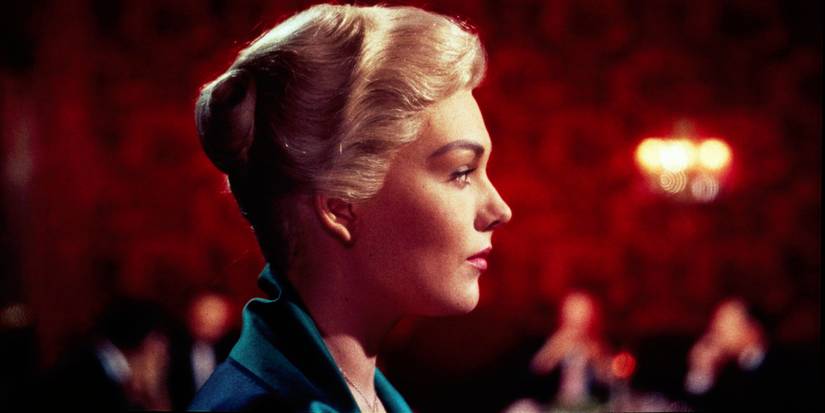
Alfred Hitchcock’s Vertigo is perhaps the foundational text for the psychological thriller. It follows a retired detective suffering from acrophobia who becomes obsessed with a woman he is hired to tail.
While the 1950s context suggests a traditional mystery, Vertigo is anything but. It is a deeply uncomfortable portrait of male gaze, control, and the impossibility of recreating the past. Hitchcock uses innovative camera techniques—most famously the "dolly zoom"—to physically manifest the protagonist’s mental state. It is a slow-burn that transforms into a nightmare, proving that the greatest threats in life are often those we construct in our own minds to replace the reality we cannot handle.

6. Black Swan (2010): The Cost of Perfection
Darren Aronofsky’s Black Swan is a harrowing descent into madness disguised as a backstage drama. Natalie Portman’s portrayal of Nina Sayers, a ballerina pushed to the brink by the demands of a lead role, is a masterclass in psychological disintegration.
The film utilizes body horror not for shock value, but as a manifestation of the protagonist’s internal conflict between the "White Swan" (purity, restraint) and the "Black Swan" (passion, chaos). It is a relentless, claustrophobic film that suggests that the pursuit of artistic perfection is not a noble endeavor, but a form of self-destruction. The film’s final line—"I was perfect"—is both a triumph and a tragedy, underscoring the film’s central, fatal thesis.
7. Obsession (2025): The New Vanguard
Emerging from the festival circuit, Obsession has rapidly become a touchstone for a new generation of psychological thrillers. With a budget under $1 million, the film achieves a level of intimacy and tension that larger studio projects often fail to capture.
It is a film about the "small" choices that cascade into ruin. By focusing on a single, poor decision made by its protagonist, the film mirrors the relentless, suffocating nature of The Blair Witch Project but with a more modern, psychological edge. It is a testament to the fact that you do not need spectacle to create terror; you only need a character who has lost control of their own narrative.

8. Europa (1991): The Kafkaesque Nightmare
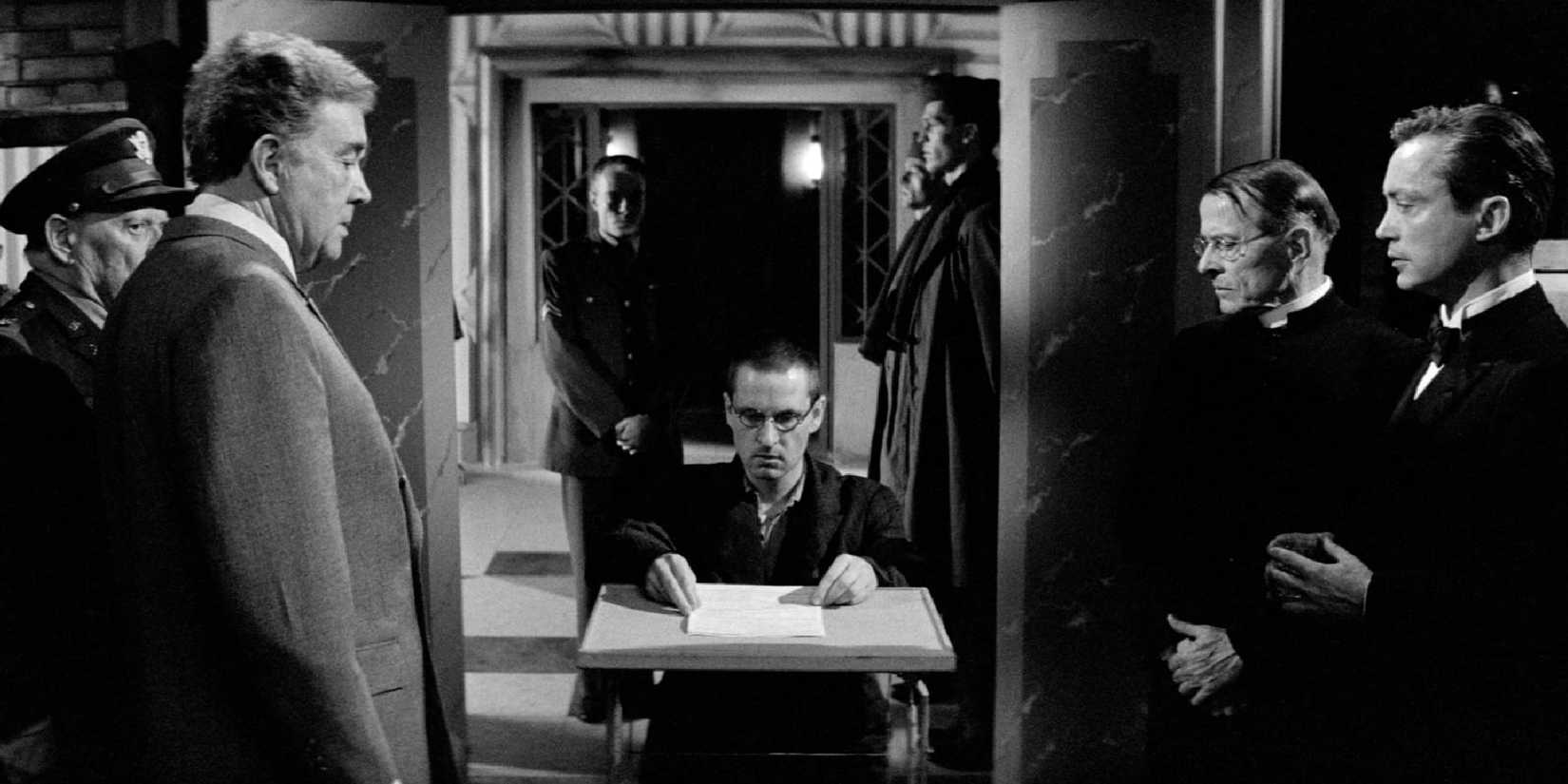
Lars von Trier is a filmmaker who specializes in the "heavy." While his later works are often more explicit, Europa stands as one of his most sophisticated psychological achievements. Set in post-WWII Germany, it tells the story of an American who becomes a pawn in a larger, darker political game.
The film is visually striking, using high-contrast black-and-white cinematography to create a dreamlike, disorienting atmosphere. It is profoundly Kafkaesque, capturing the feeling of a world that has lost its moral compass. For the protagonist, the nightmare is not found in a monster, but in the realization that his own desire to "do good" is being exploited by forces he cannot hope to understand, let alone defeat.

9. The Killing of a Sacred Deer (2017): The Logic of the Absurd
Yorgos Lanthimos’s The Killing of a Sacred Deer is a film that operates on a distinct, almost alien frequency. The story of a surgeon who must make an impossible sacrifice after a teenage boy enters his life is both a thriller and a dark, modern tragedy.
The film is defined by its clinical, detached tone. The characters speak with a strange, formal cadence that strips away the veneer of everyday social interaction. This lack of "human" warmth makes the eventual descent into horror all the more shocking. It is a film that demands the viewer abandon their expectations of logic, forcing them instead to accept the rigid, cold rules of the world Lanthimos has created.

10. Blow Out (1981): The Paranoia of Truth
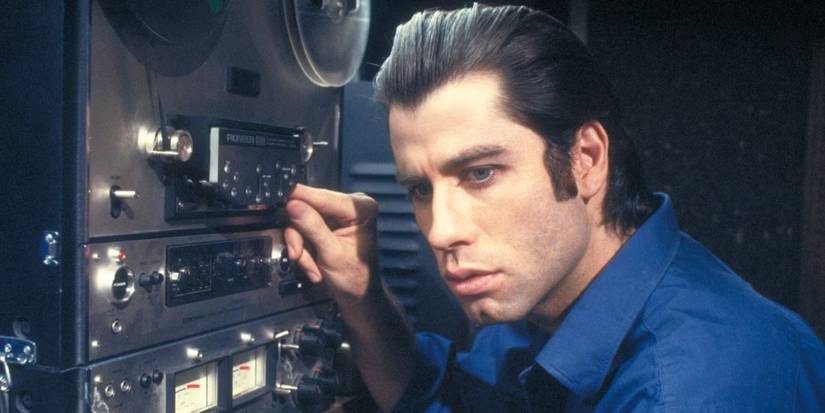
Brian De Palma’s Blow Out is a brilliant synthesis of conspiracy thriller and character study. John Travolta delivers a career-best performance as a sound technician who accidentally records a political assassination.
While De Palma is famously an admirer of Hitchcock, Blow Out feels uniquely American in its cynicism. It captures the post-Watergate obsession with hidden agendas and the feeling that, no matter how much evidence you collect, the "system" is far more powerful than the individual. The film’s final scene is a masterclass in sound design and emotional devastation, serving as a bleak reminder that in the world of the psychological thriller, truth is often the most dangerous thing you can possess.

Implications: Why We Watch the Bleak
The enduring popularity of these films suggests a psychological need for "controlled" trauma. By engaging with these narratives, audiences are able to confront themes of grief, failure, and the fragility of identity within the safe confines of a cinema seat.
These films do not offer easy answers. They do not provide the comfort of a "happily ever after." Instead, they offer an honest, if painful, reflection of the human condition. They remind us that the mind is a landscape of shadows, and that sometimes, the most profound cinematic experiences are the ones that leave us feeling, if only for a moment, entirely adrift in the dark.


 Jia Lissa
 Iffa Jayyana