The landscape of tabletop role-playing games (TRPGs) in the West is currently undergoing a transformative "Eastern Wave." While Western markets have long been dominated by d20-based high-fantasy systems, a growing appetite for the unique mechanics and thematic depths of Japanese role-playing games has emerged. At the forefront of this movement is LionWing Publishing, which recently announced the launch of a Kickstarter campaign for the English localization of Wares Blade (originally Wares Blade: The Holy Almechanical Knight).
First released in Japan in 1989, Wares Blade is more than just a game; it is a historical pillar of the Japanese hobby industry. It represents the first major commercially successful mecha-focused TRPG in Japan, blending the high-octane action of giant robot combat with a sophisticated high-fantasy magic system. As of late August 2025, the crowdfunding campaign has not only launched but has shattered its initial funding goals within hours, signaling a massive demand for vintage Japanese gaming experiences.
Main Facts: A Landmark Localization
The arrival of Wares Blade in English marks a significant milestone for preservationists and tabletop enthusiasts alike. For decades, this title remained an elusive legend to English-speaking audiences, known primarily through imports or niche fan translations of its various media tie-ins.
Key Details of the Release:
- The Publisher: LionWing Publishing, a specialist in localizing Japanese TRPGs, board games, and tactical RPGs.
- The System: A d10-based engine emphasizing speed, tactical positioning, and high-stakes "Luck" management.
- The Setting: A "Mecha-Fantasy" world where magic and machinery are indistinguishable—a genre popularized by anime such as The Vision of Escaflowne and Aura Battler Dunbine.
- The Core Units: Players pilot "Ryude," ancient, sentient, or magical mecha that serve as the primary vessels for combat and exploration.
- Campaign Status: Currently live on Kickstarter, the project reached 700% funding within the first few days of its launch, ensuring all stretch goals and production tiers are within reach.
Chronology: From the Bubble Economy to the Digital Age
To understand the weight of this release, one must look back at the origins of Wares Blade and its trajectory through Japanese pop culture.
1989: The Genesis
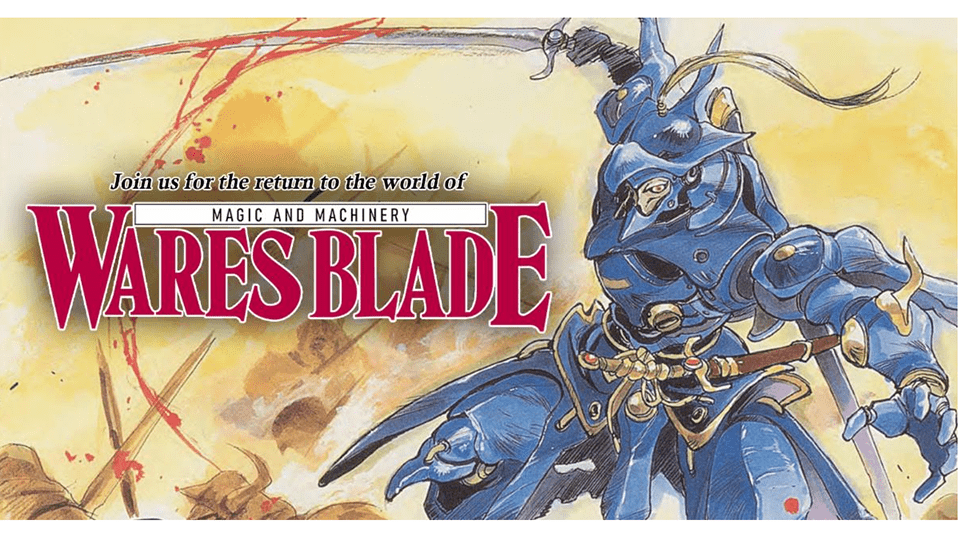
Wares Blade was born during the height of Japan’s "Media Mix" era. In the late 80s, Japanese publishers realized that TRPGs could be successfully marketed alongside anime, manga, and light novels. Wares Blade was a pioneer in this regard, offering a gritty, detailed world that felt vastly different from the Western-influenced Wizardry clones of the time. It introduced a world where "Holy Knights" didn’t just wear plate armor—they piloted it.
The 1990s: Expansion and Evolution
Throughout the 1990s, the Wares Blade franchise expanded into a sprawling universe. It spawned numerous sequels, revisions, and "Gaiden" (side stories). The franchise’s influence can be seen in the design philosophy of subsequent Japanese mecha series, emphasizing the "soul" of the machine and the psychological link between pilot and craft.
2020–2024: The LionWing Partnership
LionWing Publishing spent years building a reputation for high-quality translations of modern Japanese titles like Convictor Drive and Shin Megami Tensei III Nocturne: The Roleplaying Game. However, the acquisition of a "classic" license like Wares Blade represented a shift toward historical preservation. The goal was not just to translate a book, but to adapt a vintage 1980s system for a modern, global audience without losing its retro charm.
August 2025: The Kickstarter Launch
The campaign went live on August 29, 2025, with an end date of September 18. The rapid funding trajectory suggests that the "retro-renaissance" in tabletop gaming is at its peak, with players eager to explore the roots of the JTRPG genre.
Supporting Data: Mechanics and Gameplay Systems
What sets Wares Blade apart from contemporary systems like Dungeons & Dragons or Pathfinder is its unique mechanical DNA. The game is built on a d10 system designed to reflect the frantic pace of mecha combat.
The Two-Second Round
In many Western TRPGs, a single round of combat represents six seconds of in-game time. Wares Blade tightens this window to a mere two seconds. This creates a high-pressure environment where every action—a sword swing, a thruster burst, or a spell casting—feels immediate. It forces players to think tactically about the economy of movement and the speed of their "Ryude."

The "Ryude" (Magical Mecha)
The core rulebook features 40 distinct Ryude. Unlike the modular, industrial mecha of BattleTech, Ryude are often treated as artifacts of a lost age. They possess distinct "personalities" and requirements. Players must manage the interface between the pilot’s willpower and the machine’s magical capacity.
The Luck Pool and Backlash
One of the game’s most innovative features is the "Luck" dice pool. Players can choose to add Luck dice to their rolls to turn a failure into a success or a success into a critical hit. However, this is a double-edged sword. Using Luck increases a character’s "Karma" or visibility on the battlefield, making them a primary target for enemies. Similarly, the magic system incorporates a "Backlash" mechanic; powerful spells carry the risk of spiritual exhaustion or physical damage to the mecha, reflecting the volatile nature of the world’s energy.
Official Responses and Publisher Vision
Bradly Halestorm, the founder of LionWing, has often spoken about the "philosophy of localization." In statements surrounding the Wares Blade launch, the publisher emphasized that this project is a "labor of love" meant to bridge the gap between two very different eras of gaming.
"We aren’t just bringing over a game; we’re bringing over a piece of history," a LionWing representative noted during a recent press preview. "The challenge with Wares Blade was maintaining that specific 1980s ‘crunch’—the detailed rules that fans of that era love—while ensuring the layout and language are accessible to someone who has only ever played 5th Edition D&D."
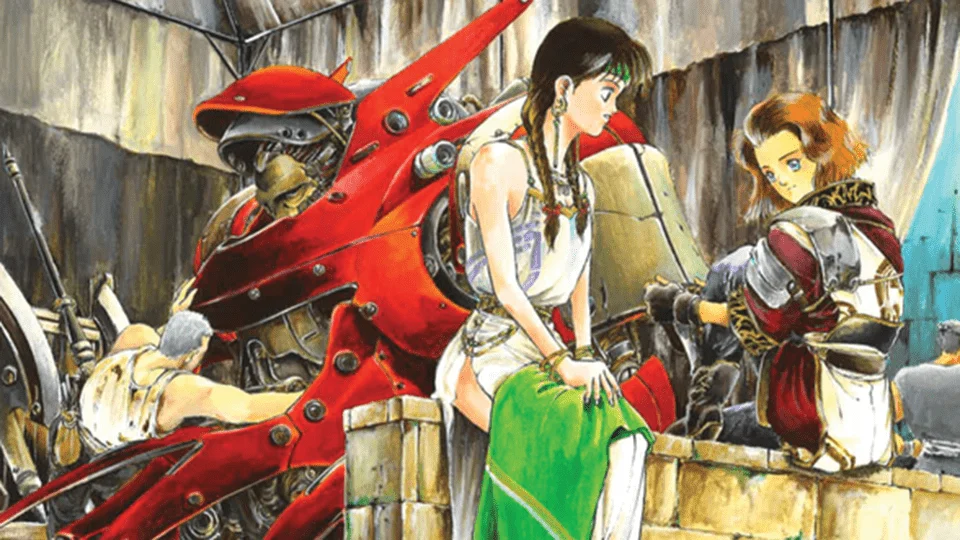
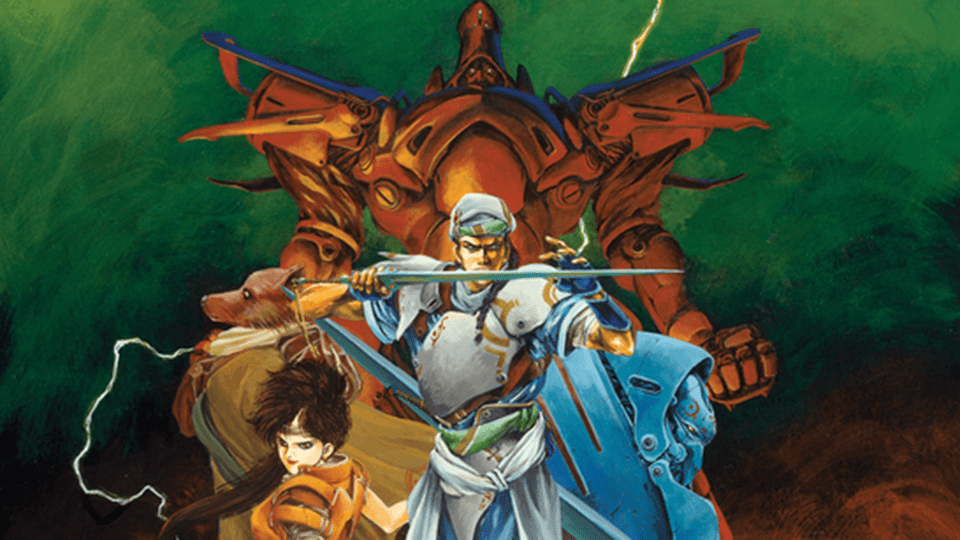
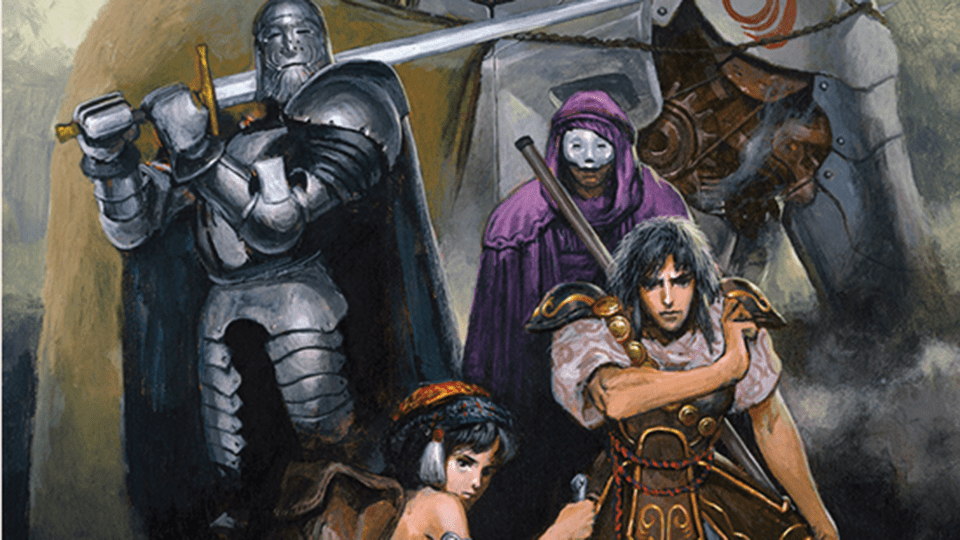
The community response has been overwhelmingly positive. Early backers have praised the inclusion of high-quality art from the original Japanese manuals, which features the iconic, hand-drawn aesthetic of 80s mecha designers. This "visual nostalgia" is a significant driver of the campaign’s success, appealing to fans of classic anime who miss the era of cel-shaded giants and intricate line art.
Implications: The Future of JTRPGs in the West
The success of the Wares Blade Kickstarter has broader implications for the tabletop industry at large.
1. The Diversification of the "Mecha" Genre
For a long time, the Western mecha TRPG market was split between the "Hard Sci-Fi" of BattleTech and the "Narrative/Indie" approach of games like Lancer. Wares Blade introduces a third pillar: "Science-Fantasy Retro." This opens the door for other classic Japanese licenses to seek Western publication, potentially leading to localizations of other legendary titles that were previously considered "too niche."
2. Crowdfunding as a Market Validator
The fact that Wares Blade was funded seven times over within days proves that there is a sustainable market for "vintage" translations. Publishers no longer have to guess if there is interest in 35-year-old Japanese games; the data provided by Kickstarter platforms provides a clear green light for more ambitious historical projects.
3. Cultural Exchange through Mechanics
JTRPGs often prioritize different narrative beats than their Western counterparts—focusing more on inner monologue, interpersonal relationships, and "heroic sacrifice" mechanics. As more players engage with Wares Blade, these design philosophies will likely bleed into the homebrew content of Western players, enriching the global TRPG ecosystem with new ways to tell stories.
Conclusion
As the Kickstarter campaign for Wares Blade marches toward its September 18 deadline, the project stands as a testament to the enduring power of the "Mecha-Fantasy" dream. By combining the tactical depth of 1980s Japanese design with modern localization standards, LionWing is offering more than just a game—they are offering a time machine.
Whether you are a veteran pilot looking to reclaim the glory of 80s anime or a newcomer curious about the roots of the JTRPG movement, Wares Blade represents a unique opportunity to experience a foundational piece of gaming history. With its funded status secured and a wealth of physical rewards—from custom dice to acrylic stands—the "Holy Almechanical Knights" are ready to ride once again, this time on a global stage.