Iffa Jayyana
Jean Grey has long served as the psychic cornerstone of the X-Men mythos. From her early days as Marvel Girl to her god-like ascension as the Phoenix, she remains one of the most complex figures in comic book history. As of mid-2026, the character is experiencing a rare, multi-platform resurgence, anchoring some of Marvel’s most anticipated projects across animation, film, and interactive gaming. Despite the immense excitement surrounding her appearances, recent developments regarding her role in Insomniac Games’ Marvel’s Wolverine have sparked a fervent debate among fans regarding agency, gameplay mechanics, and the evolving nature of the X-Men in the modern Marvel canon.
The Chronology of a Mutant Icon
Jean Grey’s current ubiquity is not accidental; it is the result of a deliberate, multi-pronged strategy by Marvel and its partners to re-establish the X-Men as a centerpiece of their multimedia strategy.
The year 2026 has been defined by a concerted effort to bring the mutant population back to the forefront of pop culture. Jean Grey’s journey this year began with building anticipation for the highly acclaimed X-Men ’97 revival, which continues to provide a definitive look at the character’s emotional depth. Following this, the industry’s focus shifted toward the live-action sphere. Rumors surrounding the upcoming Spider-Man: Brand New Day film have reached a fever pitch, with widespread speculation that actress Sadie Sink is being eyed to portray the iconic telepath.
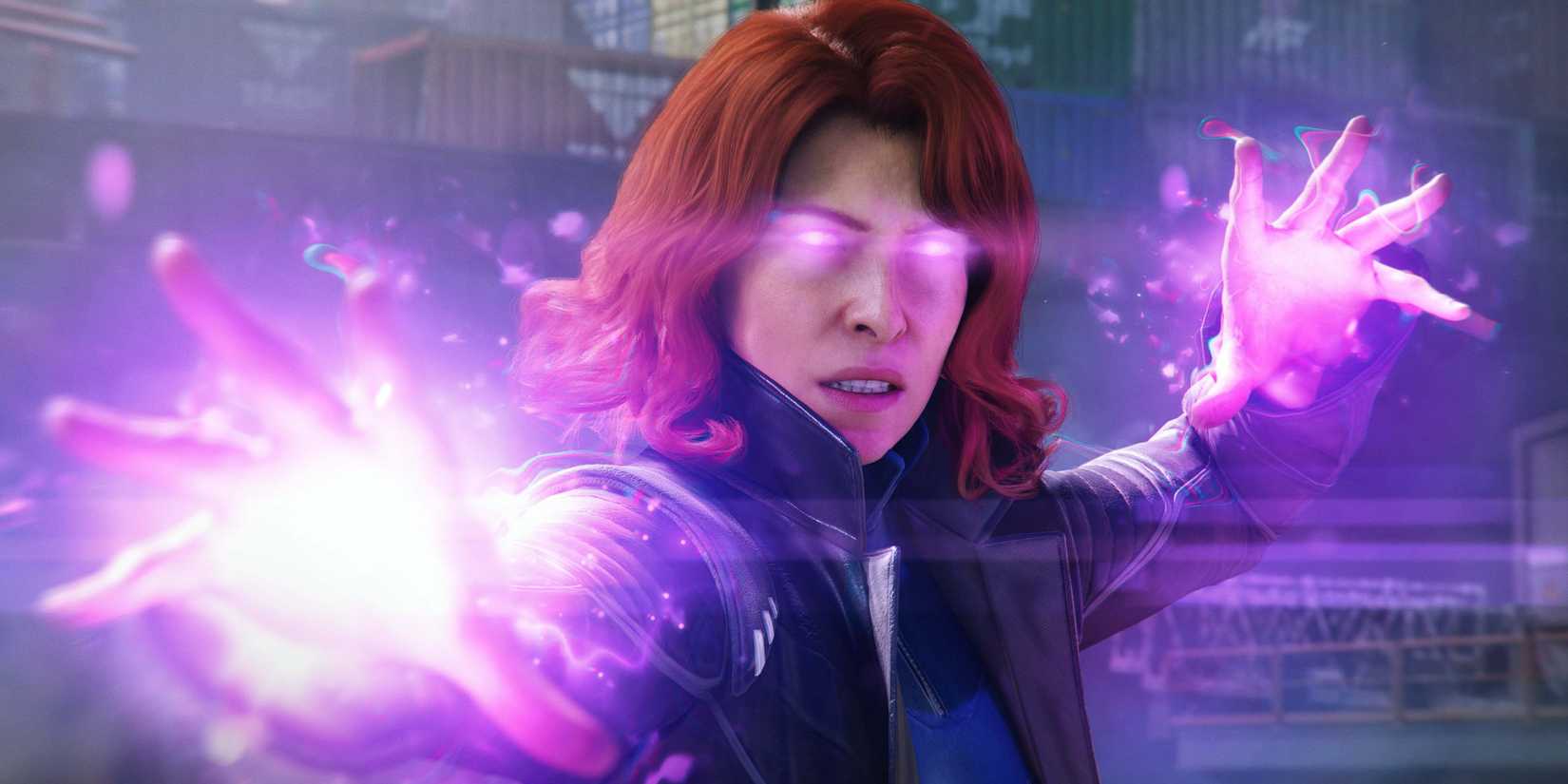
This momentum culminated in the recent promotional cycle for Marvel’s Wolverine, where a gameplay trailer finally unveiled a high-fidelity, modern iteration of Jean. Seeing the character rendered with such visual gravitas—eyes glowing with familiar psionic energy—immediately signaled to fans that this version of Jean Grey would be a significant player in the narrative, rather than a mere background cameo.
The Insomniac Controversy: Gameplay vs. Narrative Agency
The most significant discourse surrounding Jean Grey this month stems from a collision between fan expectations and developer transparency. When the initial gameplay trailers for Marvel’s Wolverine debuted, the community was electrified by the sight of Jean Grey fighting alongside Logan. For many, the visual language of the trailer—which showed Jean using her telekinetic powers in combat scenarios—strongly implied that she would be a playable character.

However, developer Insomniac Games has moved quickly to clarify the scope of the project. In a move that has left some fans disappointed, the studio confirmed that while Jean Grey is a central, essential character in the game’s narrative, she will not be a playable protagonist. Logan/Wolverine remains the sole playable character for the duration of the campaign.
The reaction on platforms like Reddit and X (formerly Twitter) was swift. Many users pointed to the trailer’s combat sequences, arguing that the mechanics appeared fully realized for a second character. "We literally saw Jean Grey gameplay," noted one prominent user, echoing a sentiment held by thousands. This tension highlights a recurring challenge in modern AAA game development: when a non-playable character (NPC) is given high-level combat animations, fans often interpret that as a promise of playability.
Supporting Data: Why Jean Grey Matters in 2026
To understand why the exclusion of a playable Jean Grey is such a point of contention, one must look at the data regarding fan engagement. Jean Grey is consistently ranked as a "Top 5" X-Men character in consumer surveys conducted by Marvel over the last decade. Her versatility—ranging from a supportive psychic to an Omega-level threat—makes her a highly desirable character for interactive media.
The "grittier" aesthetic of the new Jean Grey design has been met with widespread critical approval. Many fans have compared her visual evolution to the version portrayed by Famke Janssen in the original X-Men film trilogy, noting a sense of "lived-in" fatigue that suggests a character who has endured the heavy burden of the Phoenix force. This design choice resonates with an older demographic of fans who prefer the classic, grounded stakes of the character over more stylized, cartoonish iterations.
Official Responses and Developer Strategy
Insomniac Games has remained consistent in their messaging: they are building a game that is explicitly a "Wolverine" experience. By focusing exclusively on Logan, the developers are attempting to avoid the "bloated protagonist" syndrome that can occur when a game tries to balance the unique move-sets of multiple heroes.

However, sources close to the development team suggest that Jean’s role in the game is far from trivial. Insomniac has hinted that players will engage in "team-up" missions where Jean provides support, tactical oversight, and perhaps even environmental manipulation that aids the player in combat. While this isn’t the same as holding the controller for Jean, it represents a narrative commitment to the "duo" dynamic that has defined the most successful Wolverine stories in the comics.
The developer’s decision to limit the playable scope might also be a strategic move to manage expectations. By explicitly stating she is not playable, they are likely attempting to avoid the "feature creep" that leads to delayed release dates. Given that Marvel’s Wolverine is slated for a September 15, 2026 release, the team is likely in the final stages of optimization, where adding new playable mechanics would be both risky and costly.
Implications for the Future of the MCU
The implications of this year’s Jean Grey "renaissance" extend far beyond the gaming industry. Her prominence suggests that Marvel Studios is preparing for a significant X-Men integration into the broader Marvel Cinematic Universe (MCU). If the casting rumors for Spider-Man: Brand New Day prove accurate, it would indicate that Marvel is looking for a versatile performer capable of handling the emotional weight that defines Jean’s most iconic story arcs, such as the Dark Phoenix Saga.
Furthermore, the design language being used in Marvel’s Wolverine is likely a testbed for how the general public perceives the character in 2026. If the "grittier" Jean is successful, we can expect to see this visual and thematic aesthetic carried over into the MCU’s X-Men films. Marvel is essentially "A/B testing" the character across multiple platforms: seeing how she plays in a game, how she is written in an animated series, and how she is received when rumored for a live-action appearance.
Conclusion: A Character in Transition
The debate over whether Jean Grey should be playable in Marvel’s Wolverine is ultimately a symptom of her massive popularity. Fans are not just asking to play as her because they want a new move-set; they are asking because they want to spend more time with a character who has been the emotional core of the X-Men for decades.
As we look toward the September launch of the game, the consensus is clear: while fans may have to settle for Logan as their primary conduit, the presence of a well-written, visually updated Jean Grey is a major win for the franchise. The focus on her relationship with Logan promises to bring a depth of storytelling that few superhero games have achieved to date. Whether she is playable or not, Jean Grey remains the undisputed heart of the X-Men, and in 2026, she is finally getting the high-profile treatment she deserves.
As the release date of September 15 approaches, players should prepare not just for a combat experience, but for a character-driven journey that leans into the complex, often tragic history of Marvel’s most powerful mutant. The Jean Grey phenomenon is here to stay, and if the current reception is any indication, she will remain a central pillar of the Marvel universe for many years to come.


 Azzam Bilal Chamdy
 Reynand Wu