Iffa Jayyana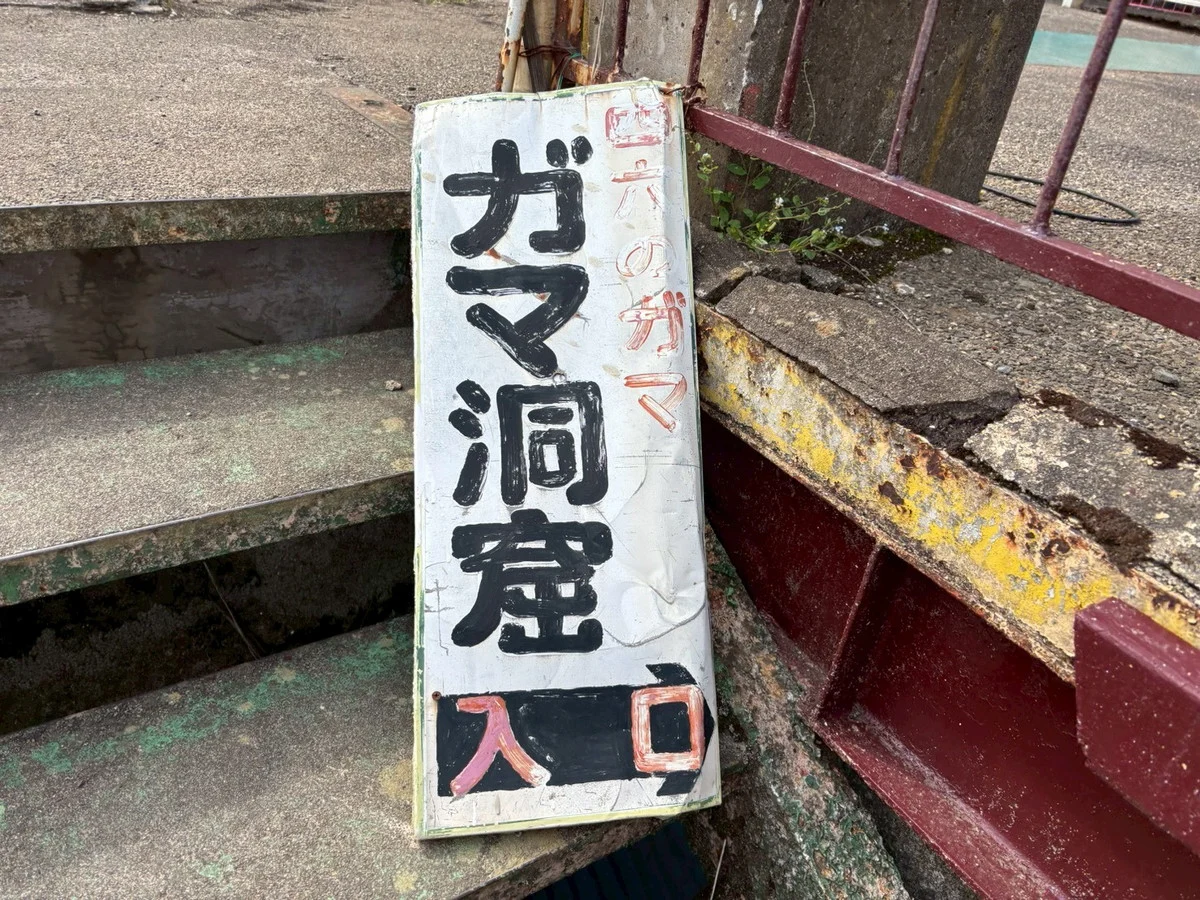
In the verdant, mist-shrouded foothills of Mount Tsukuba in Ibaraki Prefecture, a bizarre relic of the Showa era stands in a state of suspended animation. Known as "Gama Land," this peculiar amusement park—a "B-grade" attraction by the affectionate standards of Japanese tourism enthusiasts—has long been a sanctuary for those seeking the weird, the wonderful, and the profoundly retro. With its giant toad statue and crumbling, handmade-style cave exploration attraction, the site represents a fading chapter of Japanese leisure culture. However, as 2026 winds down, the clock is ticking for this enigmatic site, which is currently undergoing a transformative redevelopment slated for completion in 2027.

The Mystique of the Toad: A Cultural Context
To understand Gama Land, one must understand the significance of the gama (toad) to the local landscape. Mount Tsukuba is steeped in folklore, where local legends claim that the toads residing on its slopes possess mystical, protective powers.

For decades, the developers of the Tsukuba tourism zone leveraged this mythology to create a unique visitor experience. The park was never intended to compete with the high-octane thrills of Universal Studios Japan or the polished magic of Tokyo Disney. Instead, Gama Land offered an intimate, surreal experience. It was part roadside curiosity, part theme park, and entirely idiosyncratic. The centerpiece, the "Toad Cave" (Gama Doukutsu), served as a walk-through "Mystery Zone" that felt more like an artisanal, fever-dream haunted house than a standard amusement ride.

A Chronology of Decay and Transition
The history of Gama Land is one of quiet decline followed by an abrupt, modern intervention.

- The Golden Age (Late 20th Century): During its peak, Gama Land served as a bustling destination for hikers and families visiting the Mount Tsukuba ropeway. It was a classic "B-grade" attraction, characterized by handmade displays, coin-operated rides scattered across the rooftop, and a souvenir shop that catered to the whims of domestic tourists.
- The Period of Stasis (Early 2020s): As tourism habits shifted and the infrastructure began to show its age, the park entered a state of decline. Unlike the grand, rusted amusement parks of the West, Gama Land did not crumble into total ruin. Instead, it entered a state of "suspended animation," where rides and signage remained frozen in place, as if the visitors had simply been spirited away mid-afternoon.
- The Final Closure (2025–2026): By early 2026, the park had officially ceased operations. The gates were locked, the staff departed, and the site became a ghost of its former self. However, the lack of human presence only served to heighten the site’s eerie, captivating aesthetic.
- The Path to Rebirth (2027 and Beyond): In a significant development, the local restaurant giant Bando Taro—a company deeply embedded in the culinary landscape of the northern Kanto region—acquired the site. Plans were announced to pivot the location from a defunct amusement park into a modern, multi-purpose tourism hub.
Anatomy of a "B-Grade" Attraction
The allure of Gama Land lies in its refusal to conform to modern standards of "slick" commercial design. Visitors who frequented the park in its final years of operation often remarked on its deliberate lack of polish. The staircases were painted in vibrant, clashing colors; the playground structures were shaped into abstract, retro-futuristic robots and rockets; and the Toad Cave was a labyrinth of seemingly random, locally-curated exhibits.

The juxtaposition between the park’s state when it was operational and its state today is striking. Curiously, the physical structures look arguably more vibrant now, with layers of paint and natural weathering creating a patina that speaks to decades of existence. It is a site that embodies a vision of the future as imagined by the people of the past—a nostalgic, slightly unsettling, and entirely unique experience that is currently being erased by time and progress.

Official Responses and Redevelopment Plans
The redevelopment project, spearheaded by Bando Taro, has been met with a mixture of excitement and trepidation by local history buffs and urban explorers. The company has publicly committed to maintaining the "retro character" of the site.

According to official briefings from the development group, the 2027 vision for the site includes:

- Luxury Accommodations: Transforming the derelict, non-functional spaces into modern lodging that overlooks the scenic beauty of Mount Tsukuba.
- Gourmet Dining: Leveraging Bando Taro’s expertise to create a restaurant facility that serves as a cornerstone for local tourism.
- Wellness and Experience: Plans for an on-site sauna and interactive, hands-on experiences designed to attract a younger, modern demographic.
Despite these changes, the developers have acknowledged the cultural weight of the toad. There is an expressed intention to preserve key elements—specifically the iconic giant toad statue, the traditional torii gate, the lamps, and the historic offertory box—as a way of honoring the site’s previous incarnation.

The Implications of "Polishing" the Past
The transformation of Gama Land raises a broader question about the preservation of "hidden gems" in Japan. There is a delicate balance between the economic necessity of revitalizing stagnant tourist sites and the intrinsic value of these "half-suspended" spaces.

As the site prepares for its 2027 unveiling, the community faces a trade-off. A polished, modernized, and profitable tourism hub will undoubtedly bring much-needed economic activity to the Ibaraki region. It will likely draw thousands of visitors who prioritize convenience and modern amenities. However, the "indescribable charm" that defined Gama Land—that eerie, silent, and wonderfully bizarre feeling of walking through a dream—is a quality that cannot be engineered.

The current state of the park, while technically a "closed" facility, remains a profound cultural touchstone for those who appreciate the beauty of the forgotten. It serves as a reminder that not everything in the world needs to be efficient, shiny, or perfectly maintained. Sometimes, the most valuable thing an attraction can offer is the space to wonder, to imagine, and to feel the weight of the years gone by.

Conclusion: An Uncertain Future
As the redevelopment of the Mount Tsukuba site progresses, the echoes of the laughter from years past are slowly being replaced by the sounds of construction. Whether the new facility will capture the magic of the original Gama Land remains to be seen.

For now, the giant toad continues to watch over the mountain, his perpetual, unnerving stare serving as a silent guardian of the memories embedded in the soil of Ibaraki. While the "Mystery Zone" may be gone, the spirit of the park survives in the stories of those who climbed the mountain, wandered into the cave, and felt, if only for a moment, that they had stepped outside of time itself. The transition to a new, modern era is inevitable, but for those who hold a fondness for the "B-grade," the legacy of Gama Land will remain, like the mountain itself, a fixture in the landscape of the heart.

Site Information Summary
- Original Name: Gama Land
- Location: Tsukuba-shi, Tsukuba Tsutsujigaoka, Ibaraki Prefecture
- Current Status: Under redevelopment; closed to the public.
- Future Outlook: Scheduled to reopen in 2027 as a multi-purpose tourism hub featuring dining, lodging, and wellness facilities.
- Stakeholders: Bando Taro (Development lead)
- Official Resources: For updates on the redevelopment, visitors are encouraged to consult the official Mount Tsukuba tourism portal and the local cable car and ropeway authorities.


 Neng Nana
 Asro
Asro