Raul Delapena Setiawan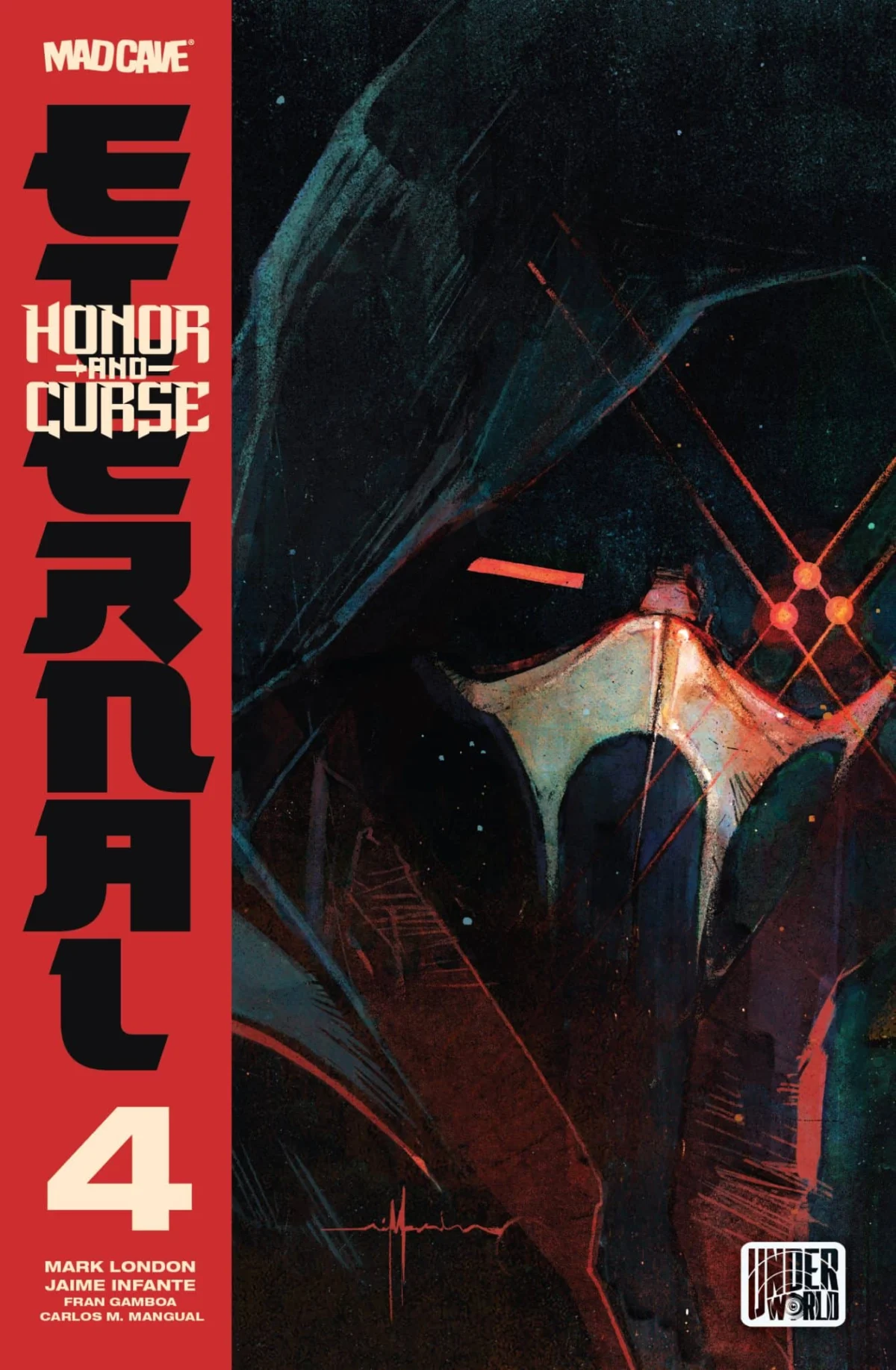
The world of independent comics is currently witnessing a masterclass in tension and narrative escalation with the latest installment of Mad Cave Studios’ hit series, Honor and Curse: Eternal. Written by the visionary Mark London and brought to vivid life through the kinetic, high-stakes illustrations of Jaime Infante, issue #4 represents a critical turning point for the protagonist, Genshi. As the series hurtles toward its mid-arc climax, the stakes have shifted from personal vendettas to a systemic, lethal conspiracy that threatens to dismantle everything Genshi holds dear.
Main Facts: The Escalation of the Order of Nine
At the core of Honor and Curse: Eternal #4 is the tightening grip of the mysterious "Order of Nine." The antagonist organization, which has operated in the shadows for the better part of the series, has finally moved from the periphery to center stage. In this issue, the narrative pacing accelerates, forcing the protagonist, Genshi, into a reactive state.

The plot centers on a high-stakes assassination attempt. Genshi, operating on intelligence that suggests a major political or social figure is in the crosshairs, rushes to intercept the strike. However, London’s writing reveals a sophisticated subversion of the hero’s journey: the assassination attempt is revealed to be a "false flag"—a meticulously engineered trap designed to lure Genshi into a kill box. The resulting sequence is one of the most visceral in the series to date, culminating in a massive, catastrophic explosion that leaves the immediate area in ruins and the body count high.
For readers, the primary takeaway from this issue is the stark realization that Genshi is not merely fighting a group of soldiers or assassins; he is fighting a strategic machine that is consistently three steps ahead of him. The power dynamic has shifted, moving from a battle of physical strength to a psychological war of attrition.

Chronology of the Conflict
To understand the gravity of issue #4, one must look at the progression of the Eternal arc:
- Phase One (Issues #1-2): The establishment of the new status quo. Genshi is introduced to a landscape that feels familiar yet entirely transformed by the influence of the Order of Nine. The foundations of his world are challenged.
- Phase Two (Issue #3): The investigative phase. Genshi begins to piece together the patterns behind the Order’s movements. This issue served as the "gathering storm," where the protagonist identified the threat but underestimated the scope of the enemy’s resources.
- Phase Three (Issue #4): The turning point. The failed intervention. The narrative structure here is deliberate, utilizing the "calm before the storm" followed by a chaotic, non-linear action sequence that mirrors Genshi’s own disorientation following the explosion.
- The Aftermath: The conclusion of issue #4 leaves the reader in a vacuum of information. Genshi is alive but broken, physically and mentally, with the narrative hook being the sheer lack of answers he possesses despite his proximity to the enemy.
Supporting Data: The Artistic Evolution of Jaime Infante
A crucial component of this issue’s success lies in the visual storytelling. Jaime Infante has taken the established aesthetic of the Honor and Curse universe and pushed it toward a grittier, more claustrophobic visual language.

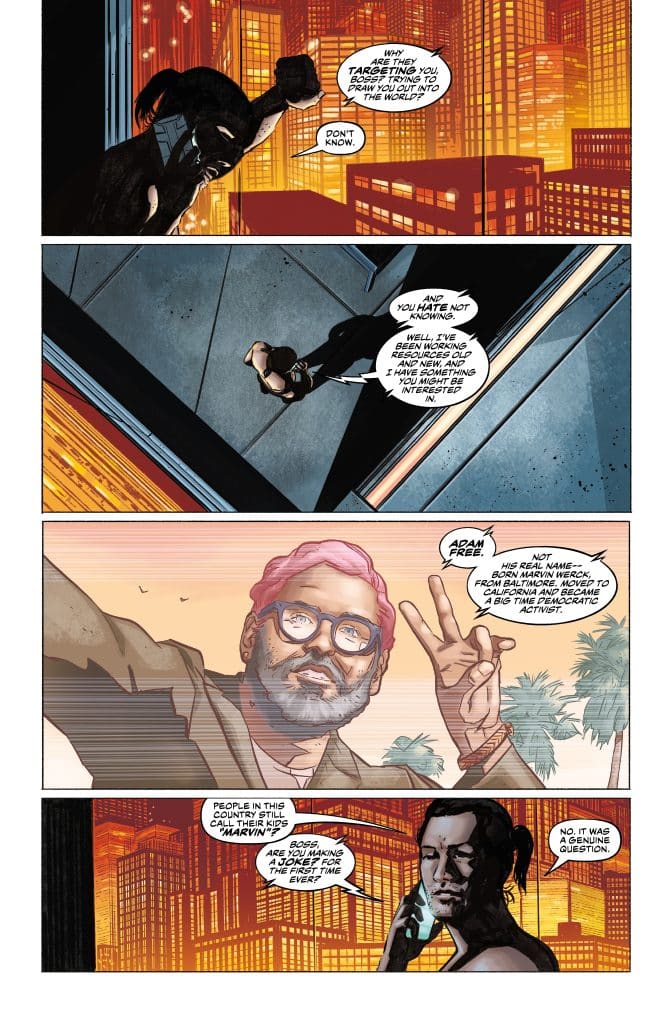
Analysis of the panel layouts in #4 reveals a distinct shift. During the infiltration scenes, Infante utilizes tight, narrow panels to simulate the anxiety of the trap. As the explosion occurs, the art breaks into wide, splash-heavy pages that emphasize the scale of the destruction. This technique, combined with a stark, high-contrast color palette, underscores the "curse" aspect of the series title. The visual weight given to the debris and the smoke serves as a metaphor for the fog of war that currently clouds Genshi’s judgment.
Furthermore, the character design for the members of the Order of Nine remains deliberately obscured. By keeping their faces partially hidden or framed in shadow, Infante maintains the aura of an unstoppable, faceless entity, which contrasts sharply with the expressive, tortured features of Genshi.

Official Perspectives and Creator Intent
While Mad Cave Studios has kept the finer plot points under wraps to prevent spoilers, the editorial direction for this issue has been clear: "The objective was to strip away the illusion of control," according to production notes associated with the release.
Mark London has frequently discussed the theme of "unearned confidence" in interviews, and Honor and Curse: Eternal #4 is the personification of that theme. The editorial team noted that for this specific issue, they wanted to ensure that the "curse" mentioned in the title felt like a tangible, crushing weight rather than a metaphorical inconvenience. The collaboration between London and Infante was focused on ensuring that the explosion was not just a plot device to move characters from point A to point B, but a psychological anchor that changes the protagonist’s outlook on his own mortality.

Implications: Where Does Genshi Go From Here?
The aftermath of the explosion in issue #4 leaves the narrative in a state of high uncertainty. Several critical questions now loom over the remainder of the series:
- The Integrity of the Order: If the Order of Nine can predict Genshi’s response to an assassination attempt, does that mean they have an informant in his inner circle? Or is their surveillance network more absolute than previously imagined?
- The Cost of Failure: The "mass bloodshed" mentioned in the issue summary suggests that innocent lives may have been lost in the trap. How will this impact Genshi’s moral compass? If he is willing to sacrifice others to achieve his goals, he may find himself closer to the Order than he would like to admit.
- The Nature of the "Eternal": The series title suggests a cycle. If Genshi is trapped in a loop of failures and traps, is there any way for him to break the cycle, or is he destined to be outmaneuvered until the very end?
The implications for the next few issues are profound. We are likely to see a shift in genre, moving from an action-oriented narrative to a more somber, noir-inspired investigation as Genshi attempts to rebuild his network and recover from the trauma of the explosion.
Conclusion
Honor and Curse: Eternal #4 is not just another chapter in a long-running series; it is a definitive "Act Two" climax that resets the board. By forcing the protagonist to confront the reality of his own fallibility, Mark London and Jaime Infante have elevated the stakes significantly. Readers who have followed Genshi’s journey from the beginning will find this issue to be the most challenging yet—not just for the character, but for the reader’s expectations of how a hero survives when the deck is so thoroughly stacked against them.
As the dust settles on the ruins of the latest trap, the only thing that is certain is that the game has changed. The Order of Nine has declared war, and Genshi is finally realizing that he is not the one holding the cards. With future issues promising to explore the fallout of this explosion, the anticipation for the next installment is at an all-time high. Honor and Curse: Eternal continues to prove that it is one of the most compelling, politically charged, and emotionally resonant titles currently hitting the shelves.

 Sagoh
Sagoh
 Ammar Sabilarrohman