Siti Muinah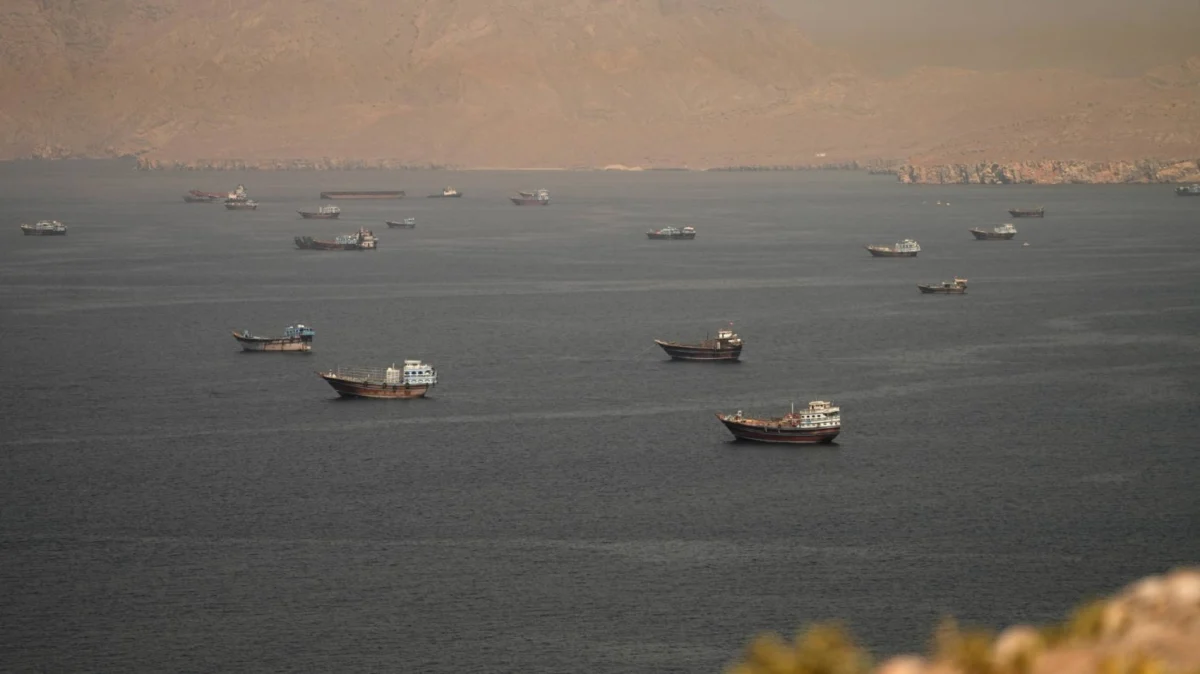
By Global Affairs Correspondent
In a dramatic pivot that has stunned the international community and recalibrated the trajectory of Middle Eastern stability, U.S. President Donald Trump has officially signed an interim peace agreement with Iran. The memorandum of understanding (MOU), inked at the historic Palace of Versailles on the sidelines of a G7 summit, marks a sudden and pragmatic cessation of hostilities that had threatened to plunge the global economy into a deep, energy-driven recession.
As the ink dries on the accord, the immediate focus of the global market has shifted to the vital artery of the Strait of Hormuz. The resumption of shipping—a lifeline for global energy supplies—has begun, yet the path forward remains fraught with technical, military, and diplomatic complexities. The agreement triggers a pivotal 60-day window of intense negotiation regarding the future of Tehran’s nuclear program, a period that will test the resolve of both Washington and Tehran.
Chronology of a Conflict and the Road to Versailles
The origins of the current crisis date back to the final days of February, when the United States, acting in coordination with Israel, initiated a kinetic campaign against Iran. The ensuing conflict quickly escalated, with Tehran responding by shuttering the Strait of Hormuz—the world’s most important oil chokepoint.
For more than three months, the closure created a stranglehold on global energy markets. As oil prices skyrocketed, the specter of a prolonged energy crisis forced world leaders to reconsider the sustainability of the conflict. The following timeline outlines the rapid descent into war and the swift return to diplomacy:
- Late February: The U.S. and Israel initiate a joint military campaign against Iranian infrastructure.
- Early March: Iran retaliates by blockading the Strait of Hormuz, halting the transit of nearly 20% of the world’s oil supply.
- April-May: Global markets face extreme volatility; shipping insurance rates reach record highs as tankers are stranded.
- June 15-17: Intense back-channel negotiations take place during the G7 summit in France.
- June 18: President Trump and representatives of the Iranian leadership reach a breakthrough.
- June 19: The Memorandum of Understanding is signed at the Palace of Versailles.
- June 20: First Saudi-owned tankers successfully transit the Strait as the reopening commences.
The Versailles Memorandum: Terms and Constraints
The agreement signed at Versailles is not a permanent treaty but a temporary ceasefire aimed at de-escalation. According to documents shared on X by Iranian President Masoud Pezeshkian, the memorandum outlines a specific operational timeline.
Most notably, Iran has committed to arranging the passage of commercial vessels through the Strait at "no charge for 60 days only." The document further specifies that full traffic functionality "will be instated within 30 days," a buffer period intended to account for the removal of naval mines and the clearance of technical and military obstacles. Iran is also slated to hold separate, critical talks with Oman to define the long-term status of maritime security in the region.
Supporting Data: The Economic Pulse of the Strait
The economic stakes of this peace deal cannot be overstated. With nearly 10 million barrels of oil trapped or delayed during the blockade, the global energy industry had been pushed to the brink. On Thursday, as the agreement was formalized, those vessels began to move.
The return of Saudi-owned tankers to the Strait is perhaps the most significant indicator of a regional thaw. For three months, these vessels were sidelined, forcing a massive, expensive rerouting of global supply chains. As Kuwait moves to ramp up production to stabilize the market, energy analysts expect a gradual cooling of prices. However, the "clarity" demanded by shipping executives remains a point of contention. The primary concern is not just the lifting of the blockade, but the safety of the waters. Shipping firms have sought explicit assurances regarding mine-sweeping operations and whether current transit protocols require formal Iranian authorization, a prospect that many Western firms find politically and legally sensitive.
Official Responses and Political Fallout
The reception of the Versailles Accord has been deeply polarized, particularly within the United States. President Trump’s decision to pursue a diplomatic path has drawn fire from traditional allies and his own political base.
The Domestic Critique
Prominent "Iran hawks" have characterized the deal as a capitulation. Critics argue that by offering sanctions relief and potentially unfreezing tens of billions of dollars in Iranian assets, the administration is repeating the perceived failures of the 2015 JCPOA—a deal President Trump famously labeled the "worst deal ever."
Sen. Ted Cruz (R-TX), a vocal proponent of the administration’s previous "maximum pressure" campaign, was unsparing in his criticism. "History teaches us that giving billions of dollars to theocratic lunatics who want to murder us is not a good idea," Cruz stated. The concern among hardliners is that the financial infusion will be used to bolster the Islamic Revolutionary Guard Corps (IRGC) and extend Iranian influence in the region, rather than facilitating a genuine move toward denuclearization.
The Global Perspective
Conversely, the mood at the G7 was one of cautious relief. French President Emmanuel Macron, who hosted the signing, has long championed a diplomatic off-ramp. Business leaders, represented by figures such as Blackstone CEO Steve Schwarzman, expressed optimism that the deal would prevent a catastrophic economic downturn and restore a degree of predictability to the markets.
Implications for Global Security and Energy
The next 60 days will serve as a high-stakes litmus test for the durability of the Versailles Accord. The implications for global security are twofold:
1. The Nuclear Dilemma
The peace deal hinges entirely on the upcoming nuclear negotiations. If Tehran uses the 60-day window to stall or obscure its nuclear ambitions, the U.S. administration will face immense pressure to abandon the deal and revert to its previous, more aggressive posture. The success of these talks will depend on the transparency of Iranian monitoring programs and the ability of the U.S. to enforce red lines without triggering a return to open warfare.
2. Regional Power Dynamics
The role of Oman as a mediator is critical. As Iran and Oman begin their dialogue on the future of the Strait, the regional security architecture is being rewritten. Saudi Arabia and other Gulf states are watching closely; their willingness to ramp up production suggests a desire for regional stability, yet they remain deeply wary of Iranian hegemony.
The agreement also leaves the question of "mine-clearance" and "military obstacles" in a legal gray area. If commercial vessels are required to seek Iranian "permission" to transit, it effectively grants Tehran a veto over international trade in the region. This is a condition that Western naval powers, particularly the U.S. Fifth Fleet, may find difficult to accept as a permanent reality.
Conclusion: A Precarious Peace
The signing of the Versailles Accord is a testament to the volatility of 2026 geopolitics. President Trump’s pivot from a policy of active military confrontation to one of pragmatic negotiation underscores the profound impact that the closing of the Strait of Hormuz had on the global economic order.
While the resumption of shipping is a welcome development for the global economy, it is merely a bandage on a much deeper wound. The next two months will determine whether this memorandum is the first step toward a lasting regional settlement or merely a temporary reprieve before the next cycle of escalation. As the tankers emerge from the Strait and the global markets stabilize, the world waits to see if the rhetoric of peace can survive the harsh reality of nuclear diplomacy. For now, the "worst deal ever" has become the primary hope for global stability—a irony that is not lost on the architects of this fragile new peace.


 Neng Nana
 Asro
Asro