


The relentless cycle of Hollywood’s intellectual property recycling has reached a new, controversial milestone. In an industry increasingly characterized by the “culture of cannibalism,” where beloved classics are routinely exhumed for modern audiences, the latest victim of the reboot machine is perhaps one of the most sacred relics of the 1980s: John Carpenter’s Escape From New York.
Deadline has officially confirmed that Zack Snyder, the polarizing visionary behind 300, Watchmen, and Rebel Moon, has been tapped to write and direct a “reimagining” of the 1981 dystopian masterwork. This development marks a significant shift in the landscape of high-budget genre filmmaking, signaling that even the grittiest, most singular visions of the past are now fair game for total transformation under the lens of modern stylistic sensibilities.
The Chronology of a Classic
To understand the gravity of this announcement, one must look back at the original 1981 production. Escape From New York was more than a film; it was a cultural touchstone that defined the aesthetic of the decade. Directed by John Carpenter and co-written with Nick Castle, the film introduced the world to S.D. “Snake” Plissken, portrayed by Kurt Russell.
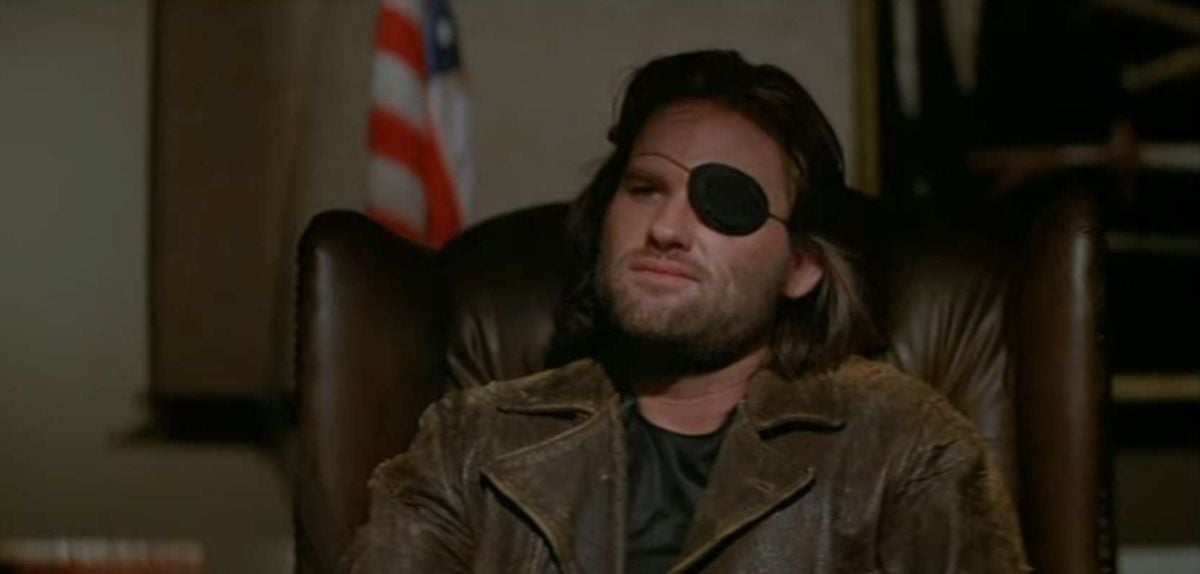
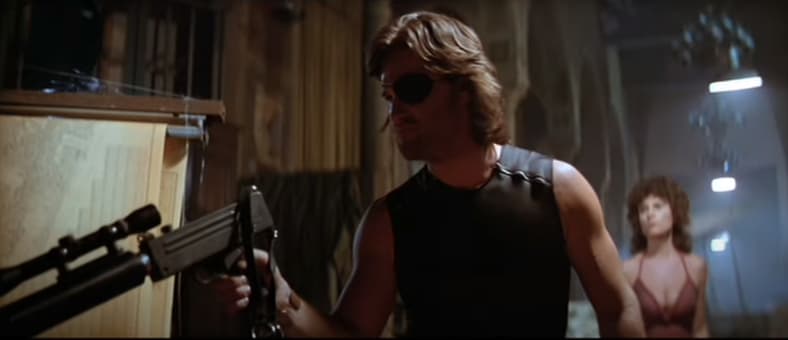
The premise was elegantly simple yet devastatingly effective: in a near-future 1997, the United States crime rate has skyrocketed, leading to the conversion of Manhattan Island into a giant maximum-security prison. When the President of the United States (Donald Pleasence) crash-lands his plane into the heart of the ruins, a cynical, eyepatch-wearing special forces veteran is coerced into a suicide mission to retrieve him. With a 23-hour deadline and micro-explosives injected into his arteries, Plissken must navigate a neon-lit, lawless urban hellscape.
The film cemented Carpenter’s status as a master of low-budget ingenuity, utilizing practical effects, an iconic synth score—composed by Carpenter himself—and a legendary ensemble cast, including Lee Van Cleef, Ernest Borgnine, Harry Dean Stanton, and the late Isaac Hayes. Its influence on video games (most notably Metal Gear Solid), fashion, and dystopian literature remains immeasurable.
Institutional Strategy: StudioCanal and the Producers
The path to this reboot began in earnest during the most recent CinemaCon in Las Vegas. StudioCanal, the production powerhouse holding the rights to the IP, initially floated the concept of a franchise expansion. However, the plan has since crystallized into a collaborative effort involving The Picture Company and Snyder’s own production banner, The Stone Quarry.
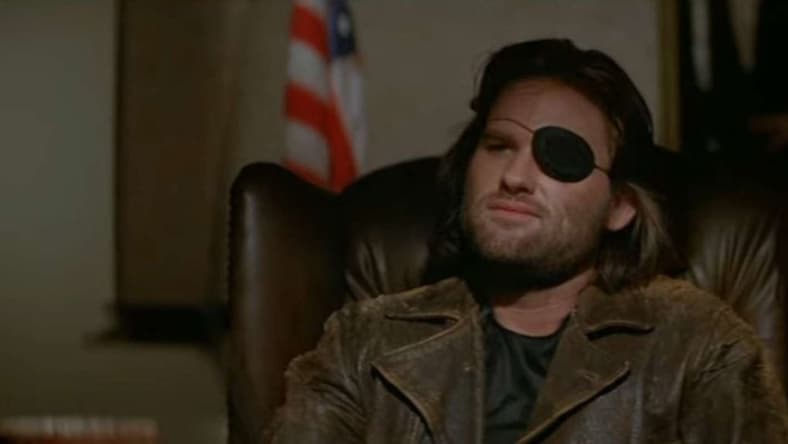
Crucially, John Carpenter himself is attached to the project as an Executive Producer. While this involvement may assuage some fans who fear a complete departure from the source material, it also raises questions regarding the extent of the director’s creative oversight versus his role as a symbolic guardian of the legacy. For the 78-year-old icon, the project likely represents a secure, hands-off role in a massive production, yet for the audience, the “reimagining” tag carries the heavy weight of previous failed attempts to modernize Carpenter’s filmography.
The Snyder Aesthetic vs. The Carpenter Minimalist
The appointment of Zack Snyder is the most debated element of this news. Snyder is known for his maximalist approach: hyper-stylized cinematography, aggressive use of slow-motion, and a penchant for mythic, grand-scale narratives.
John Carpenter’s Escape From New York, conversely, is a masterpiece of restraint. It is gritty, claustrophobic, and grounded in a cynical, B-movie sensibility that prioritizes atmosphere and character-driven tension over bloated spectacle. The clash between Snyder’s digital-heavy, ornate visual language and the raw, analog grit of the 1981 original presents a massive stylistic hurdle. Critics and enthusiasts alike are left wondering: Can a director famous for grandiose, operatic comic-book adaptations capture the desperate, claustrophobic “street level” dread that made Snake Plissken an icon of the working-class antihero?

Implications for Modern Hollywood
This project serves as a microcosm of the current state of the film industry. We are witnessing the systematic depletion of original IP in favor of "brand recognition." The industry’s reliance on established titles is not merely a business strategy; it is a defensive mechanism against a fragmented and unpredictable box office.
However, this "Culture of Cannibalism" carries significant risks. When a studio takes a film that is defined by its specific era and unique creative voice, and attempts to strip it down and rebuild it for a contemporary audience, they often inadvertently remove the very elements that made the original endure. We have seen this cycle repeat with varying degrees of success and failure:
- The Fog (2005): A remake that failed to capture the supernatural dread of the 1980 original.
- Halloween (2007): Rob Zombie’s aggressive reimagining, which polarized the fanbase by shifting the focus from suspense to visceral, nihilistic brutality.
The primary concern regarding this new Escape From New York is whether a modern "reimagining" can avoid the sterile, "content-factory" aesthetic that plagues so many contemporary remakes. If the film relies too heavily on CGI-laden world-building, it may lose the tangible, lived-in feel of the original Manhattan ruins, which were famously realized through innovative matte paintings and practical set design.

The Skeptic’s Perspective: Can Snake Plissken Survive the Reboot?
The skepticism surrounding this project is palpable. The term “reimagining” has become a trigger word for modern moviegoers, often serving as a euphemism for a product designed to maximize demographic appeal while minimizing artistic risk.
For the hardcore Carpenter faithful, Snake Plissken is not a character who can be easily replicated. Kurt Russell’s performance was rooted in a specific brand of 80s rugged individualism—a world-weary, post-Vietnam cynicism that feels increasingly alien to modern blockbuster sensibilities. Finding an actor who can embody that same level of detached, dangerous charisma without appearing to be a caricature is a casting challenge of Herculean proportions.
Furthermore, there is the question of the setting. The dystopian vision of a crumbling New York City in the late 90s was a commentary on urban decay and societal collapse that was specific to the anxieties of the early 80s. A modern version must navigate the challenge of updating these themes without losing the political and social biting satire that Carpenter embedded in the script.
The Path Forward
While no details regarding the screenplay, casting, or release window have been finalized, the industry is watching closely. If Snyder succeeds in injecting the project with a fresh, distinct perspective that honors the spirit of the original rather than merely dressing it in new digital clothes, it could become a blueprint for how to handle legacy IP.
Conversely, should the film fall into the trap of becoming another hollow, high-budget exercise in nostalgia, it may serve as the definitive argument against the continued excavation of the 1980s. For now, the glider is in the air, the timer is running, and the fans are waiting to see if this new Escape leads to a rescue or a collision.
For those who wish to revisit the original vision before the new interpretation alters the narrative landscape, John Carpenter’s Escape From New York remains available to stream on platforms like Roku. It serves as a reminder of a time when Hollywood dared to be original, cynical, and uncompromising—qualities that remain, as of 2026, the most precious commodities in the industry.











No comments yet. Be the first to join the conversation!